
How to Loosen a Rusted Bolt Using Basic Tools You Already Have
A few simple tricks can make removing seized bolts and nuts much easier and save hours of frustration.
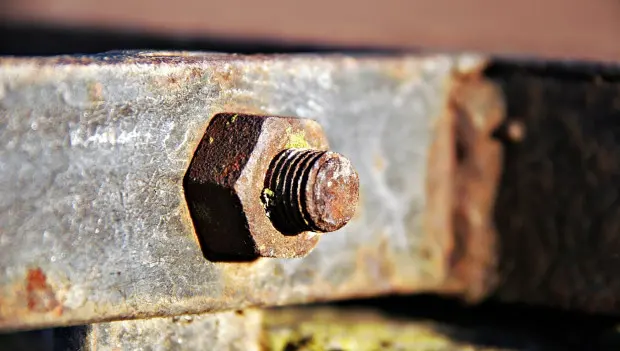
Anyone who has worked on a car or tackled repairs around the house has probably encountered a stubborn rusted bolt or nut. Fighting corroded fasteners can take hours, and excessive force often leads to broken parts, busted knuckles, and unnecessary headaches. Fortunately, there are several proven ways to make the job much easier.
1. Be Patient
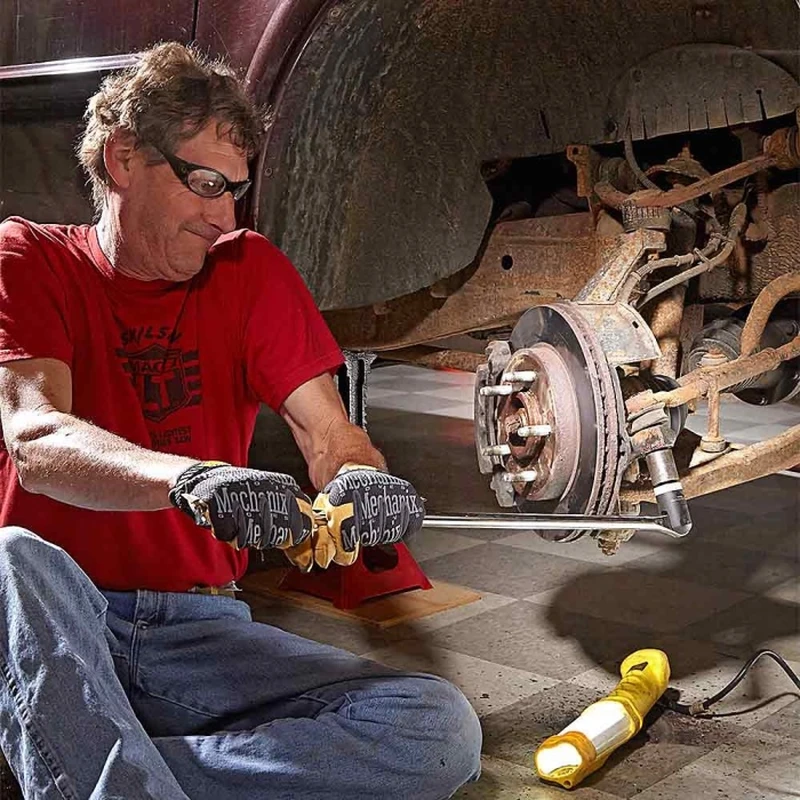
The first and most important thing to bring to the job is patience. If a seized bolt refuses to move, don't immediately resort to brute force. Trying to force it loose can shear off the bolt head and turn a simple repair into a much bigger problem.
There are several effective methods that can help free stubborn hardware. Here are some of the best.
2. Remove Rust and Dirt
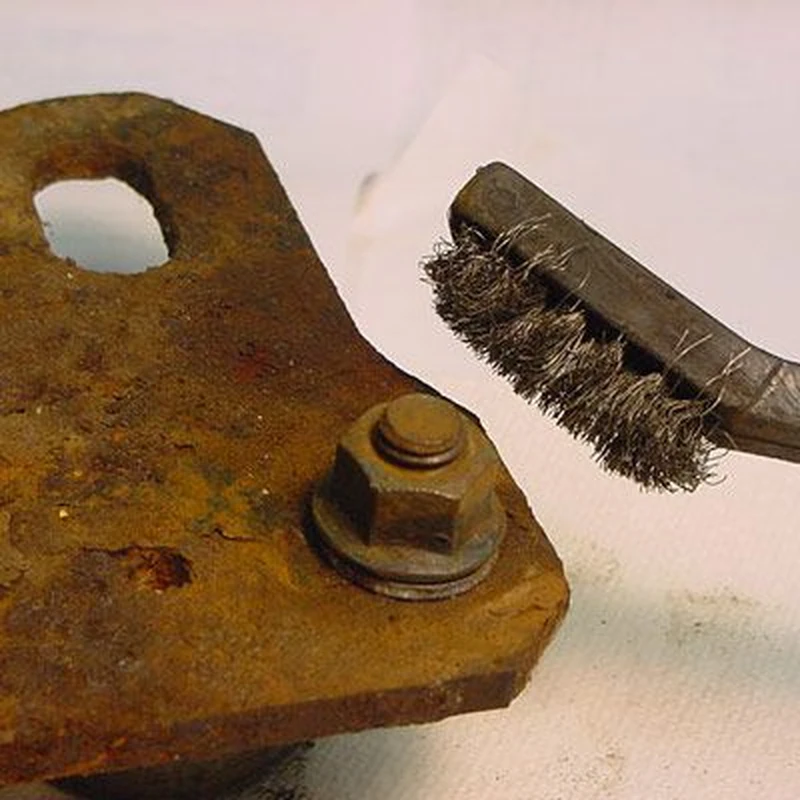
Before attempting to loosen a bolt or nut, remove as much dirt, rust, and old paint as possible. A stiff wire brush works best for the task.
Pay particular attention to the exposed threads, as cleaning them thoroughly can make a significant difference.
3. Choose the Right Tool
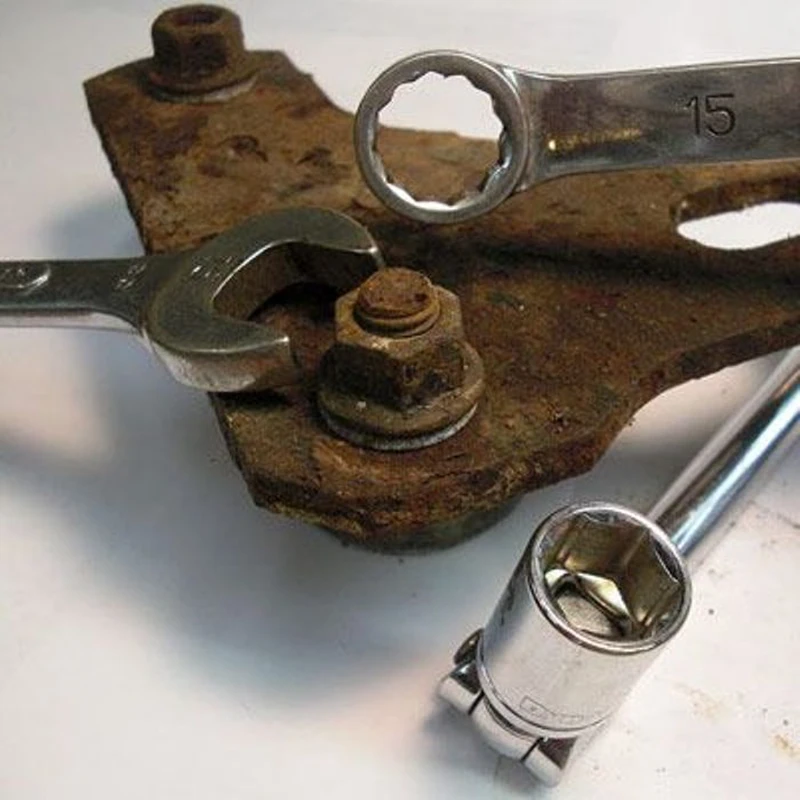
A six-point socket or box-end wrench is the preferred tool for dealing with seized fasteners. An open-end wrench is much more likely to slip, round off the corners, and potentially cause injury.
Twelve-point sockets are generally not recommended because they have a greater tendency to slip under heavy loads.
If the fastener is already rounded off, it's worth investing in a special damaged-fastener socket or a bolt extractor.
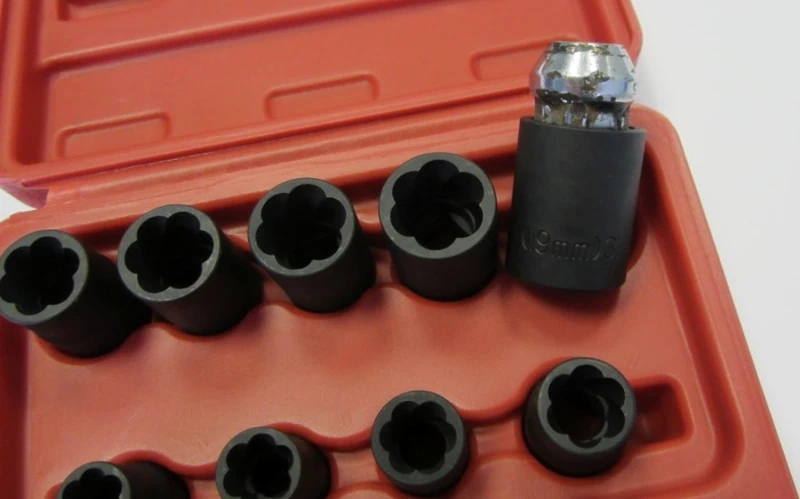
Socket set designed for removing rounded-off nuts and bolt heads.
4. Make Sure You're Turning the Right Way
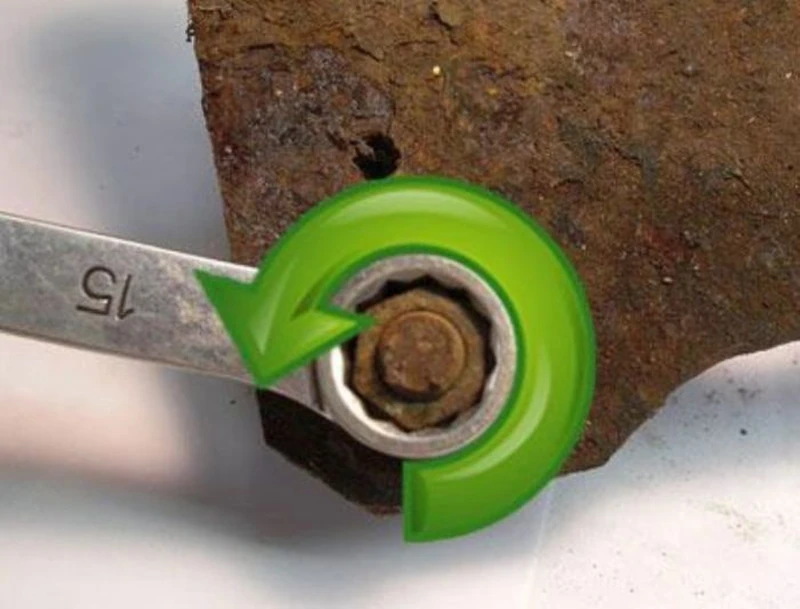
Most people are used to the rule that bolts tighten clockwise and loosen counterclockwise. However, some automotive applications use left-hand threads.
One example is wheel studs on certain older vehicles. If you don't know which direction the threads go, you could spend a lot of time fighting a bolt that is actually tightening instead of loosening.
5. Use Penetrating Oil
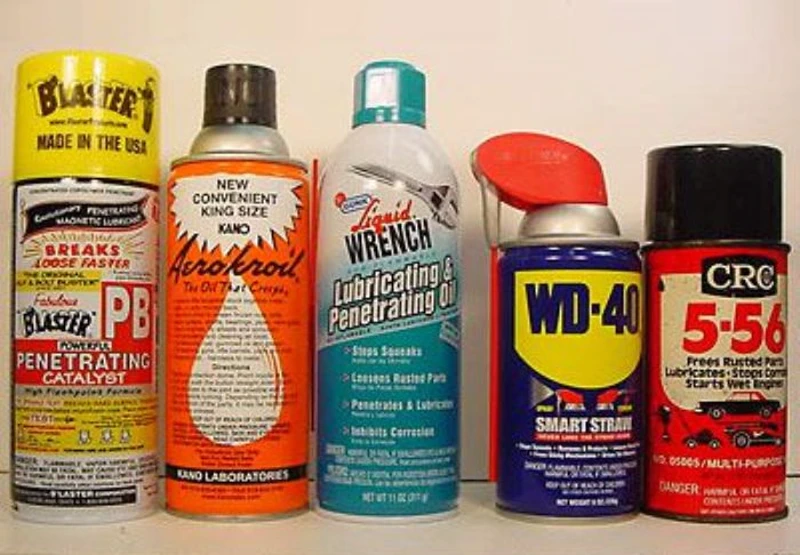
For bolts and nuts that refuse to budge, penetrating oil can work wonders. Products such as WD-40 are popular among DIY mechanics and have countless uses beyond automotive repairs.
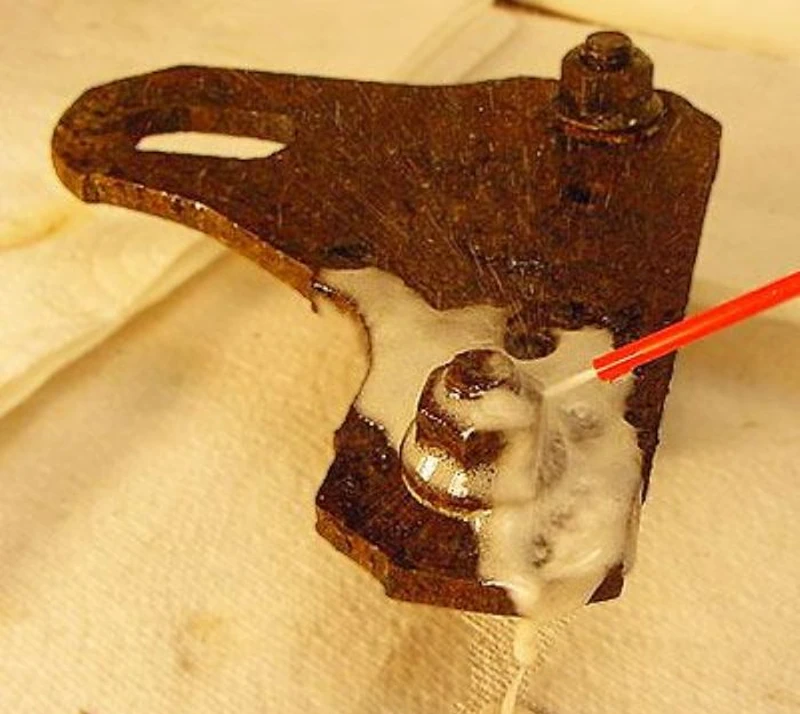
Apply penetrating oil generously to the mating surfaces and give it time to work. If the hardware is heavily rusted, letting it sit overnight may produce the best results.
Kerosene, solvent, plain water, or even Coca-Cola can also help loosen corrosion, although they are generally less effective.
6. Use a Longer Lever
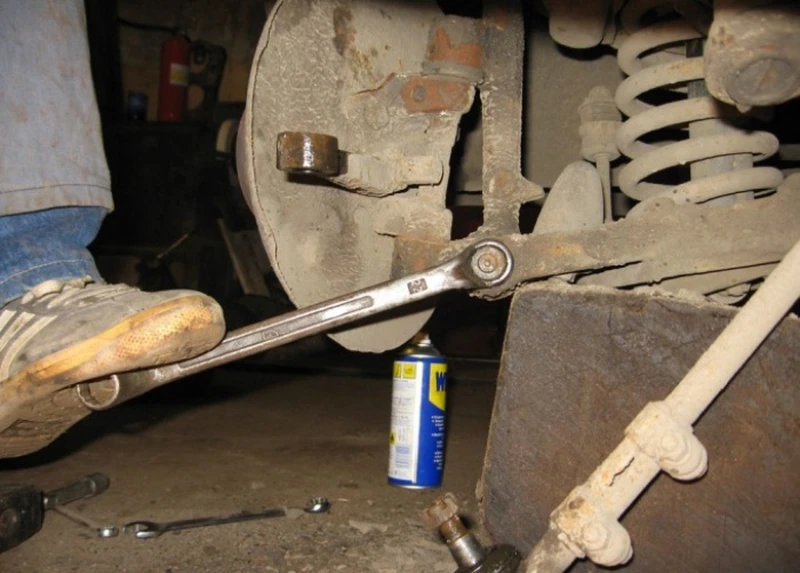
The longer the handle on your wrench or breaker bar, the more leverage you'll have. Additional leverage often makes the difference between success and failure.
If the bolt still refuses to move, it's time to move on to the next step.
7. Apply Heat
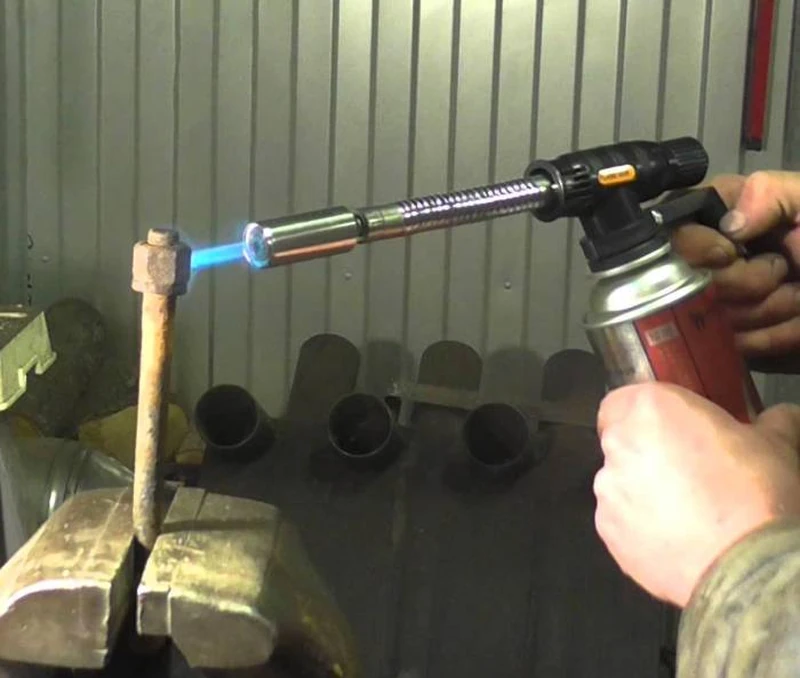
If a long-handled tool isn't enough, heating the fastener can help break the bond created by rust.
Professional mechanics often use oxy-acetylene torches, but a small propane or butane torch available at most hardware stores can also do the trick.
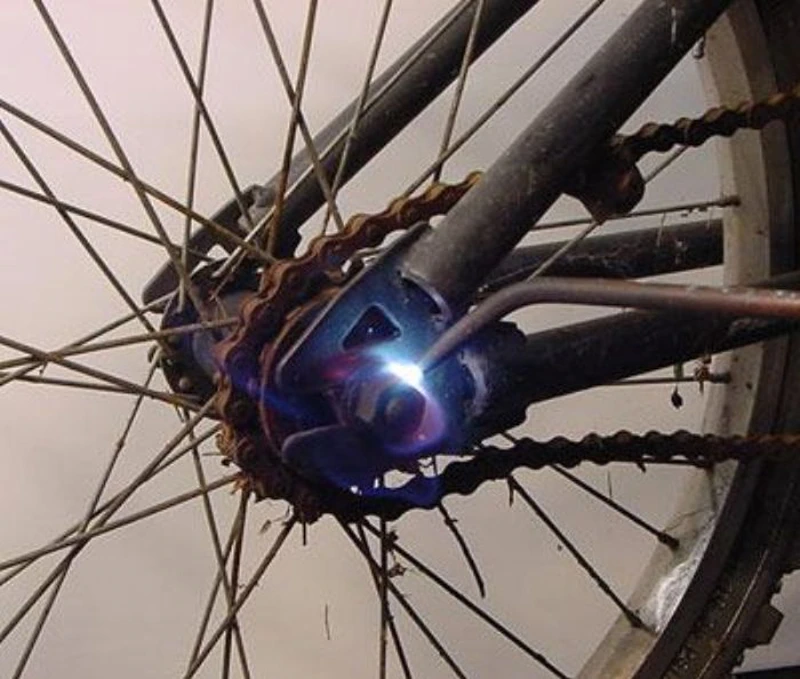
When removing a stud from an aluminum engine block, heat the surrounding area rather than the stud itself. Lightly tapping around the stud from time to time can also help.
If you're dealing with a nut, heat the nut and tap it gently with a hammer from several directions.
8. Last-Resort Methods
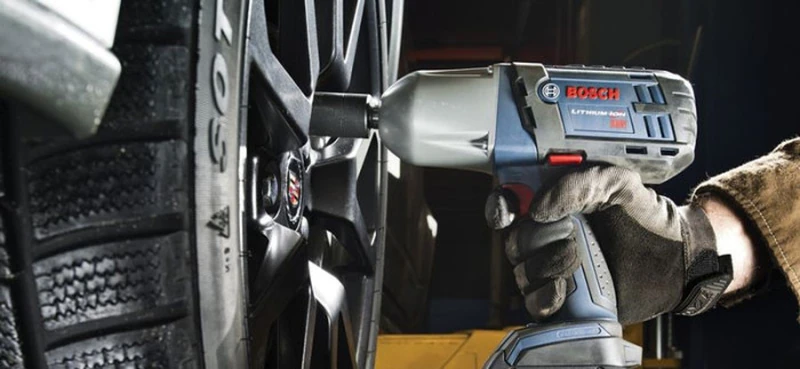
If heat doesn't solve the problem, the fastener may simply be beyond saving.
Pneumatic and electric impact tools are highly effective, but impact wrenches can sometimes snap weakened bolts.
Removing badly corroded nuts often requires more aggressive measures. They can be cut apart with a hacksaw or angle grinder, or drilled in several places. In some cases, making two cuts on opposite sides is enough to release the tension and allow the nut to spin freely.
One of the easiest ways to split an old nut is by using a dedicated nut splitter.
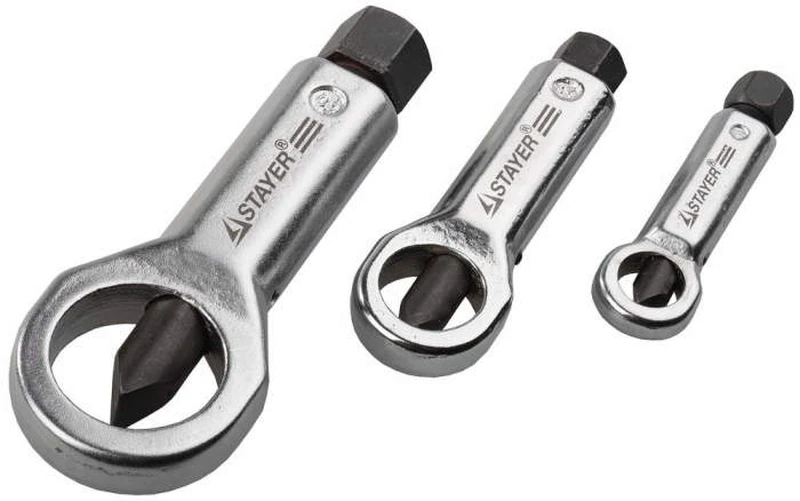
Set of steel extractors designed for seized nuts.
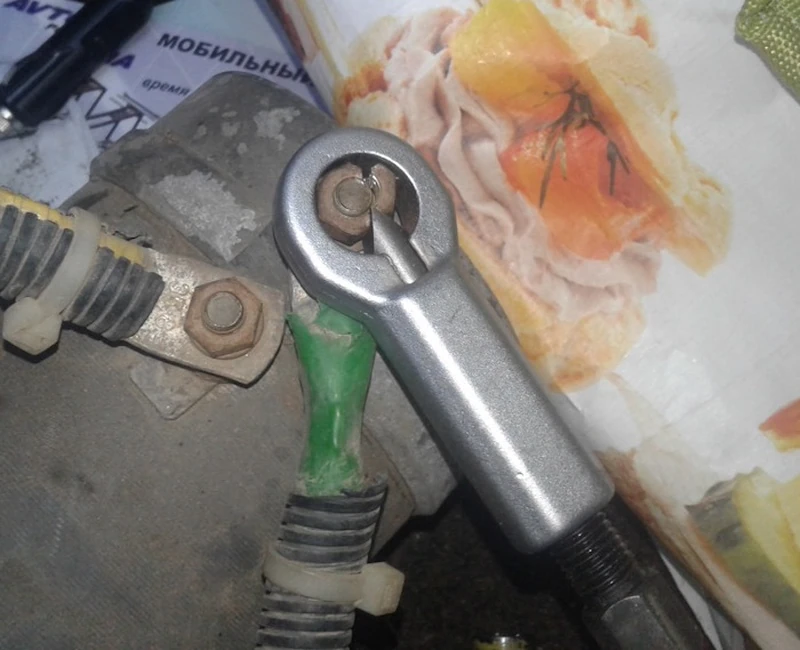
Keep in mind that some of these methods may damage the threads. If that happens, a thread die can usually restore damaged studs and make them usable again.
You may also be interested in the news:
3 Signs Your Car Battery Is About to Die — And the Warning Signs Drivers Often Miss
A failing car battery rarely dies without warning, and these three signs can give drivers time to act before getting stranded.
How to Park Close to a Curb Without Scratching Your Bumper: The Two-Mirror Method
How to Park Close to a Curb Without Scratching Your Bumper: The Simple Mirror Trick
Can You Wash Car Floor Mats in a Washing Machine? Experts Have the Answer
Think Twice Before Washing Your Car Floor Mats in the Washing Machine, Experts Warn.
Your Brakes Squeal Every Morning? Here’s When That Noise Is Normal—and When It Could Mean Trouble
That sharp brake squeal first thing in the morning is often harmless—but persistent noise can point to worn or damaged brake components.
7 Car Repairs Mechanics Secretly Hate Taking on — Here’s Why Shops Say “No”
A mechanic explains why some seemingly routine repairs can become expensive nightmares for both shops and car owners.