
Pressed Start Three Times and Realized Most Drivers Have No Idea What Happens Before the Engine Fires Up
Most drivers use the Start button daily, but few understand the different vehicle modes behind it.
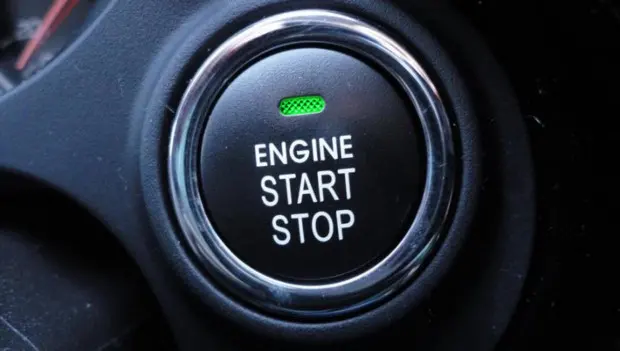
A push-button start system seems simple enough. Get in, press the brake pedal, tap the Start button, and the engine comes to life. No key to turn, no ignition cylinder, no bulky keychain dangling from the steering column.
But try pressing that same button a few times without touching the brake pedal, and you'll discover a sequence of operating modes many drivers never realize exists.
That lack of understanding often leads to questions like:
- Why did the radio turn on, but the instrument cluster stayed dark?
- Why are warning lights illuminated if the engine isn't running?
- Why does the Start button respond, but the vehicle won't start?
- Why did the button start behaving differently after an alarm or remote-security system was installed?
Many motorists drive push-button-start vehicles every day, yet their understanding of the system rarely goes beyond "press button, drive away."
In reality, there are several operating modes built into most push-button ignition systems, and understanding them can help diagnose a variety of seemingly mysterious issues.
The First Press: Accessory Mode
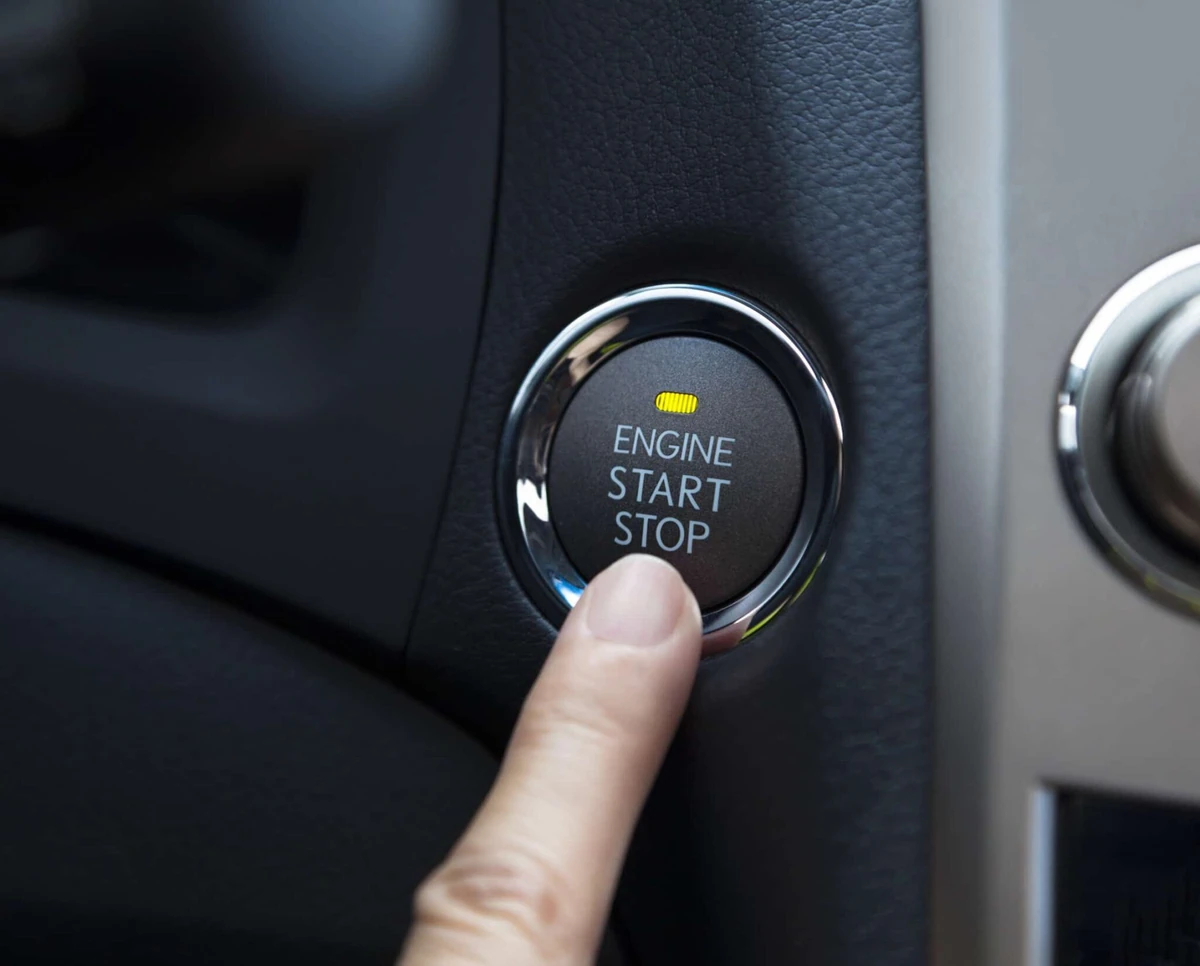
Before going further, it's worth noting that different automakers use slightly different programming. Some systems cycle through modes in a fixed order, while others depend on transmission position, battery charge, door status, key detection, or manufacturer-specific settings.
Still, the basic principle remains largely the same.
If the key fob is inside the vehicle and the brake pedal is not pressed, the Start button usually functions as a power-mode selector.
In many vehicles:
- First press: ACC (Accessory Mode)
- Second press: ON (Ignition Mode)
- Third press: Power Off
Press the brake pedal and then push Start, and the engine starts normally.
This is where many drivers become confused. It's one button, but it performs several different functions.
ACC Mode: The Vehicle Is Awake, But Not Ready to Drive
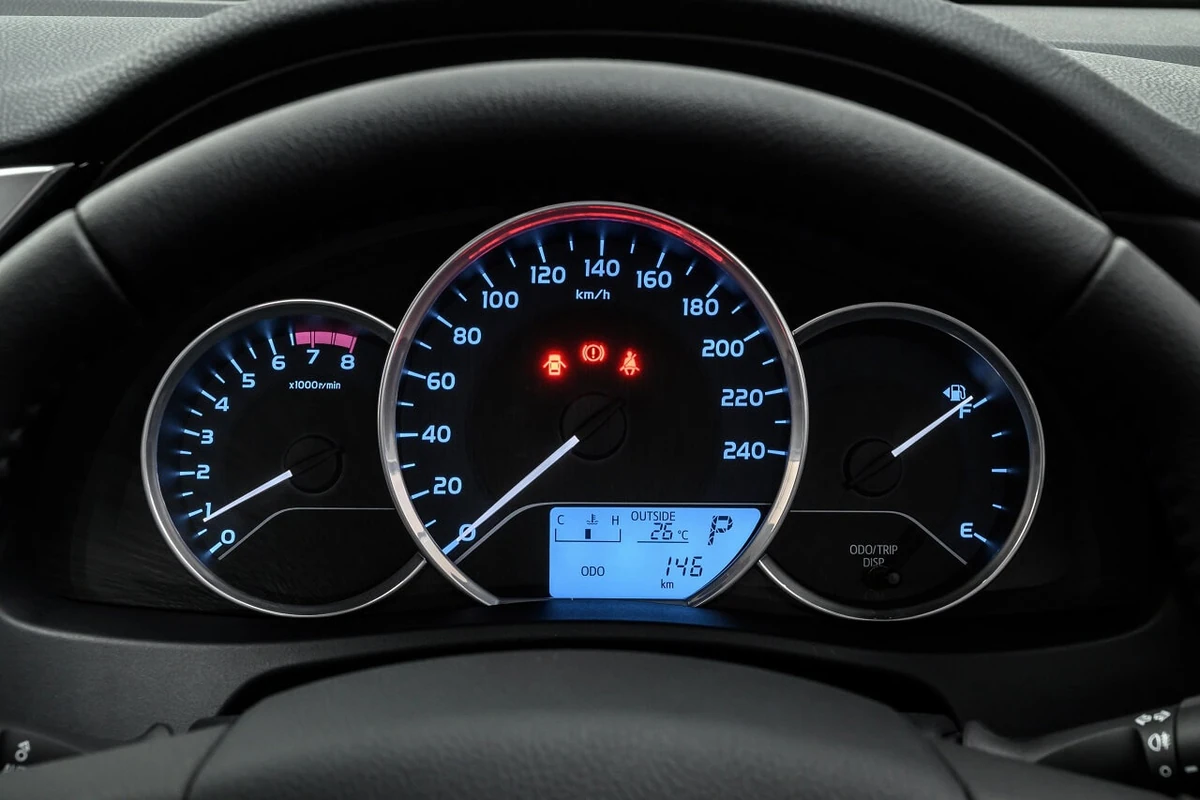
Accessory mode allows certain electrical systems to operate without turning on the full ignition system.
Typically, ACC mode powers:
- Audio and infotainment systems
- USB ports and power outlets
- Interior lighting
- Some power windows
- Various convenience features
At this stage, most warning lights remain off, engine-related systems stay inactive, and many vehicle control modules are only partially awake.
ACC mode is useful when listening to music, charging a phone, entering navigation destinations, or waiting inside the vehicle without running the engine.
However, there's a downside.
The battery is doing all the work.
Leave the vehicle in ACC mode long enough while using the infotainment system, heated seats, charging ports, or cabin accessories, and battery voltage can begin to drop.
In older vehicles with traditional ignition keys, this mode was obvious—you simply turned the key one click. Push-button systems make it easier to forget you're operating in a separate power mode.
The Second Press Activates Ignition Mode
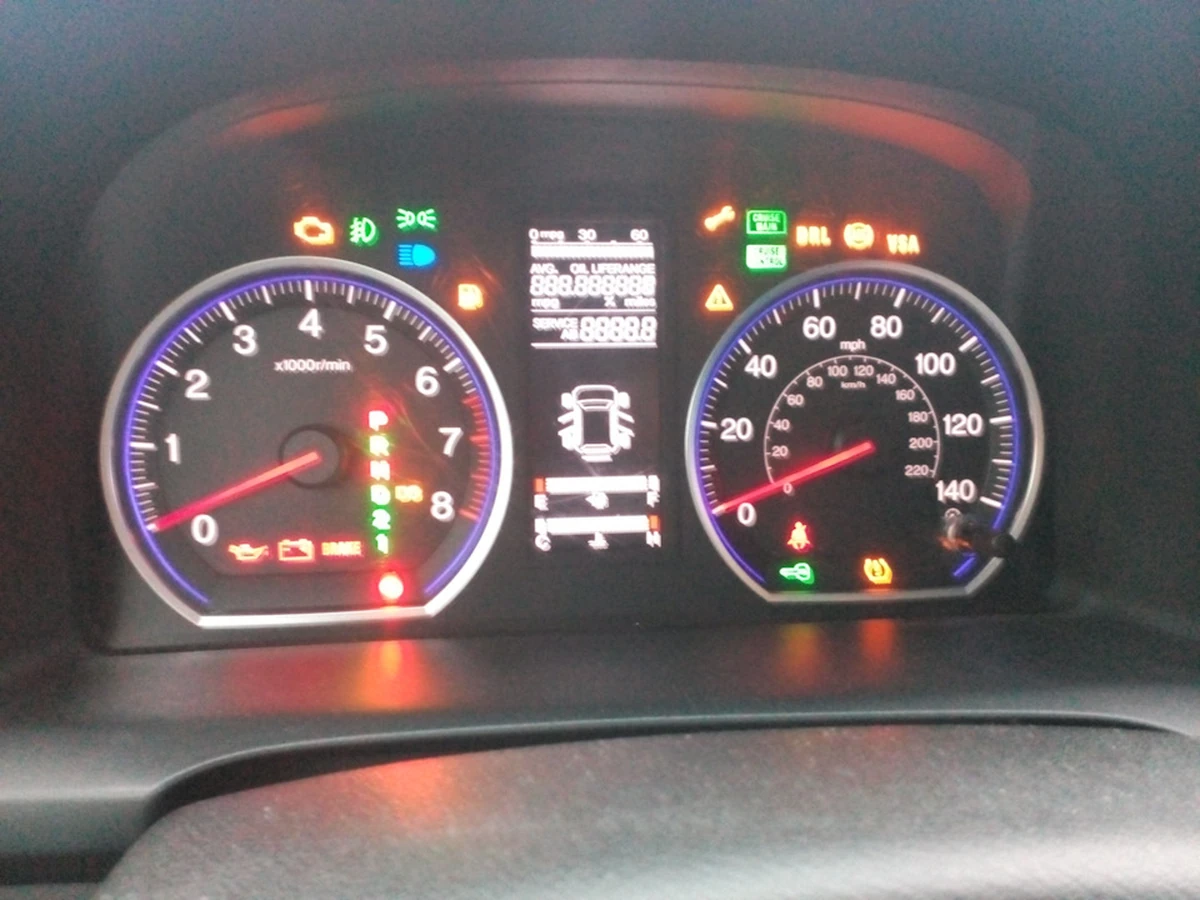
A second press of the Start button, still without touching the brake pedal, usually activates full ignition mode.
This is when the vehicle comes fully online.
The instrument cluster illuminates, warning indicators appear, control modules wake up, and diagnostic systems become accessible.
Technicians and mechanics often use this mode for troubleshooting because it allows them to:
- Check warning lights
- Read diagnostic trouble codes
- Verify brake light operation
- Confirm gear-selector position
- Test electrical circuits
- Configure accessories and electronic equipment
For everyday drivers, ignition mode can also be useful for checking fuel level, viewing vehicle messages, or reviewing warning notifications without starting the engine.
Still, leaving the vehicle in ON mode for extended periods isn't recommended. More systems are active, power consumption increases, and the battery drains faster.
Think of it as the vehicle preparing to start while the alternator remains offline.
Why the Brake Pedal Changes Everything
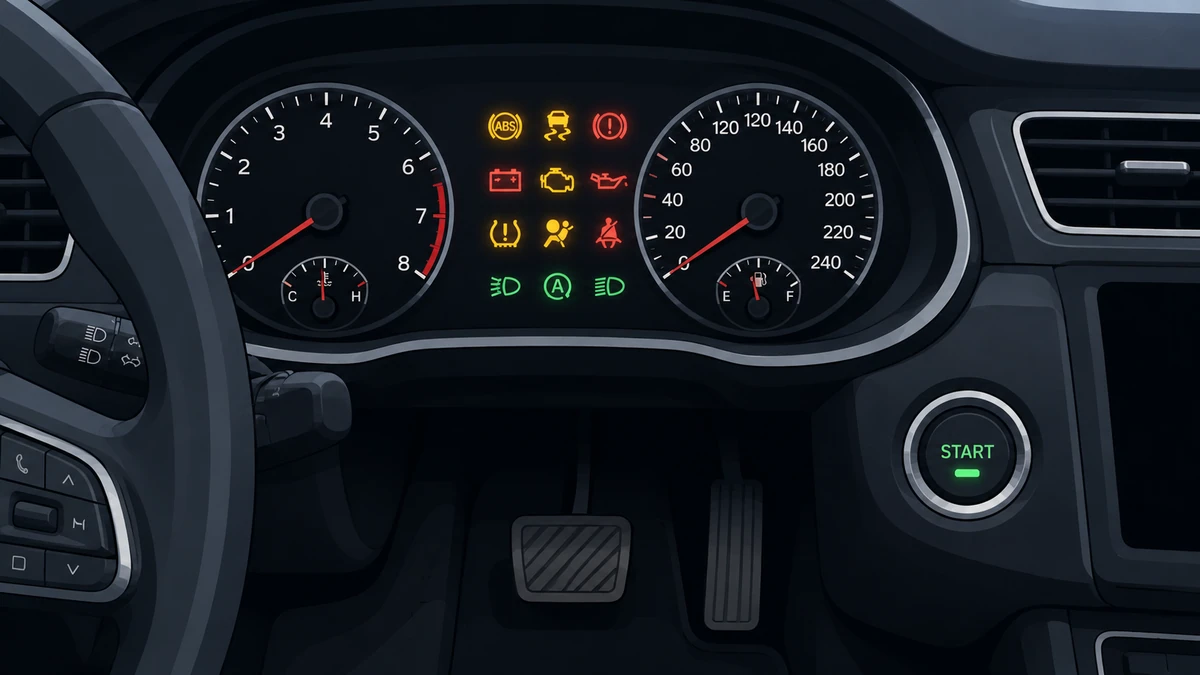
The brake pedal essentially acts as permission for the vehicle to start.
In most automatic-transmission vehicles, several conditions must be met:
- The key fob must be detected
- The transmission must be in Park or Neutral
- The brake pedal must be pressed
Once those requirements are satisfied, pressing the Start button engages the starter and fires up the engine.
Without brake input, the system generally cycles through electrical power modes instead.
It sounds straightforward, but confusion is surprisingly common.
Drivers often encounter it when renting a vehicle, borrowing someone else's car, switching from a traditional key system, or driving an unfamiliar model for the first time.
A typical scenario looks like this:
The driver presses Start without touching the brake pedal.
The radio comes on.
They press Start again.
The instrument cluster lights up.
The engine remains silent.
Panic follows.
In reality, the vehicle isn't malfunctioning—it simply received a different command.
Why the Engine May Not Start Even Though the Modes Work
One important detail is that ACC and ON modes can function normally while the engine still refuses to start.
Several issues can cause this.
Weak Key Fob Battery
The vehicle may detect the key intermittently.
Many manufacturers provide an emergency backup location where the key fob can be placed directly against a designated sensor, often near the Start button, steering column, center console, or cup holder.
Brake Pedal Switch Failure
If the brake-light switch fails or its circuit develops a fault, the vehicle may not recognize that the brake pedal is being pressed.
Without that signal, many push-button-start systems will refuse to crank the engine.
Incorrect Gear Position
If the transmission isn't fully in Park or Neutral, the vehicle may power up but prevent starter engagement.
Weak Vehicle Battery
The dashboard may illuminate and the infotainment system may function normally, yet battery voltage may be too low to turn the engine over.
This is especially common after leaving the vehicle in ACC or ON mode for an extended period.
Security System Interference
Aftermarket alarms, immobilizers, and remote-start systems can occasionally interfere with normal push-button-start operation.
If the security system fails to recognize a key tag or encounters a programming issue, unusual Start-button behavior may result.
How to Safely Test the Modes in Your Own Vehicle
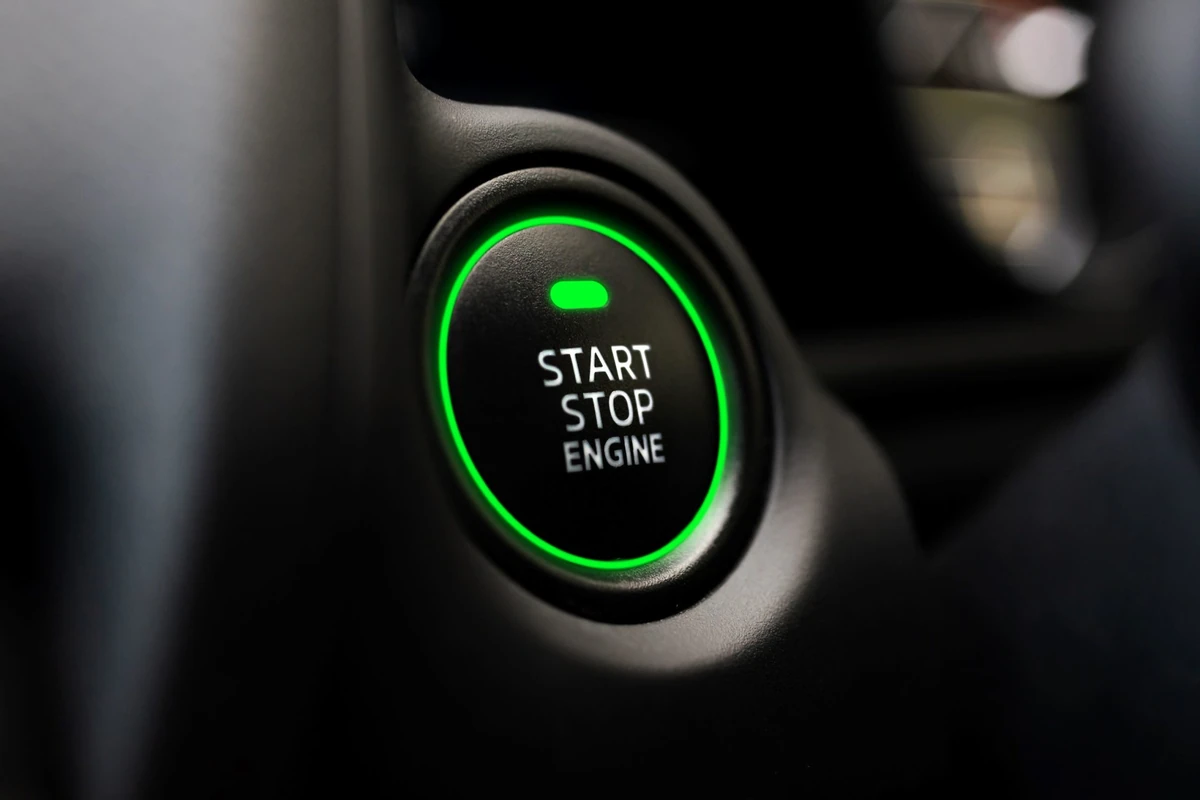
The easiest way to understand how your vehicle works is to try it yourself.
Park safely, engage the parking brake, place the transmission in Park, and follow these steps:
- Sit inside with the key fob.
- Keep your foot off the brake pedal.
- Press Start once and observe what activates.
- Press Start a second time and watch the instrument cluster.
- Press Start a third time and confirm everything powers down.
- Finally, press the brake pedal and start the engine normally.
This simple exercise helps drivers recognize the difference between accessory mode, ignition mode, and a true engine start.
Keep in mind that some vehicles use different programming. Certain models skip ACC mode entirely and move directly to ignition mode, while others employ their own operating sequences.
The important takeaway isn't memorizing a universal pattern.
It's understanding that the Start button behaves differently depending on brake-pedal input and the vehicle's operating status. Once you know that, many of the quirks and mysteries of push-button ignition systems suddenly make a lot more sense.
You may also be interested in the news:

These 5 Automakers Still Refuse to Build an SUV
SUVs and crossovers now account for roughly 61% of new-vehicle sales in the U.S., yet these five automakers continue to avoid the segment.

12 Used Cars Retirees Should Know About—These Models Put Safety, Comfort and Reliability First
Great for Retirees: These Used Cars Stand Out for Safety, Reliability and Comfort

You've Seen These Black-and-Yellow Road Markers—But Do You Know What They Really Mean?
Those familiar black-and-yellow road markers quietly tell drivers which direction to take around roadside obstacles.
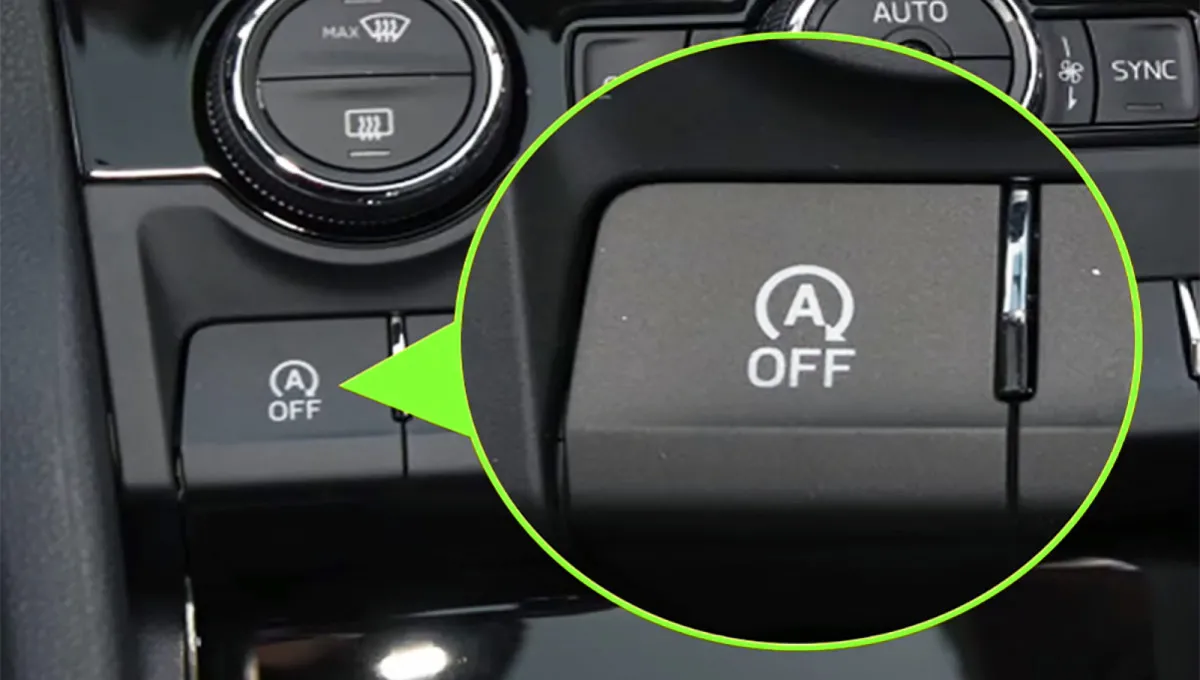
Start/Stop Systems Are Everywhere — But Are They Really Saving You Gas or Wearing Out Your Engine?
Does start-stop technology really save fuel, and does it put extra wear on the engine? Here’s what drivers need to know.

Your Zodiac Sign Has a 1,000-Mile Road Trip Waiting for You
Twelve signs, twelve roads. A camper, pickup, or SUV doesn't matter. What matters is the 1,000 miles of adventure ahead.