
The Strange Truth About Driving Laws Around the World: Coffee, Kisses, and Other Surprising Bans
Planning a road trip abroad? Some traffic laws around the world may catch drivers completely off guard.
Driving laws vary widely from country to country, and some regulations sound so unusual they could have come straight from a comedy script. Yet behind many of these seemingly bizarre rules are real safety concerns, cultural traditions, or lessons learned from past incidents.
For travelers renting a car overseas, understanding local regulations can be just as important as knowing the speed limit. What seems perfectly normal in one country could result in a hefty fine in another.
Denmark: Check Under Your Car Before Driving
Safety is taken seriously in Denmark. Drivers are expected to inspect their vehicles before setting off, including checking underneath the car. The rule is designed to protect children and animals that may have wandered beneath a parked vehicle.
Driving examiners reportedly pay close attention to this habit during licensing tests, and failing to perform the check can negatively affect a candidate's evaluation.
Cyprus: No Food or Drinks Behind the Wheel
For drivers who enjoy coffee on their morning commute, Cyprus may come as a surprise. Local traffic laws prohibit eating or drinking while driving, including taking a sip of water.
Authorities view any activity that removes a hand from the steering wheel as a potential distraction. Violators can face fines of roughly $95, based on current exchange rates.
As a result, experienced visitors often follow a simple rule: pull over, park safely, and then enjoy your drink.

Italy: Kissing While Driving Can Be Costly
Romance and driving don't mix in parts of Italy. In the town of Eboli, kissing while operating a vehicle has long been discouraged because officials consider it a distraction that can compromise driver attention.
Fines for behavior deemed distracting behind the wheel can reach the equivalent of about $560. Visitors exploring Italy's narrow streets may want to save the affection for after they've parked.
Germany: Running Out of Gas Can Get You Fined
Germany's famous Autobahn is known for high-speed driving, but motorists can still be penalized for avoidable mistakes. Stopping on the highway because the vehicle ran out of fuel is generally considered the driver's responsibility and may result in a fine.
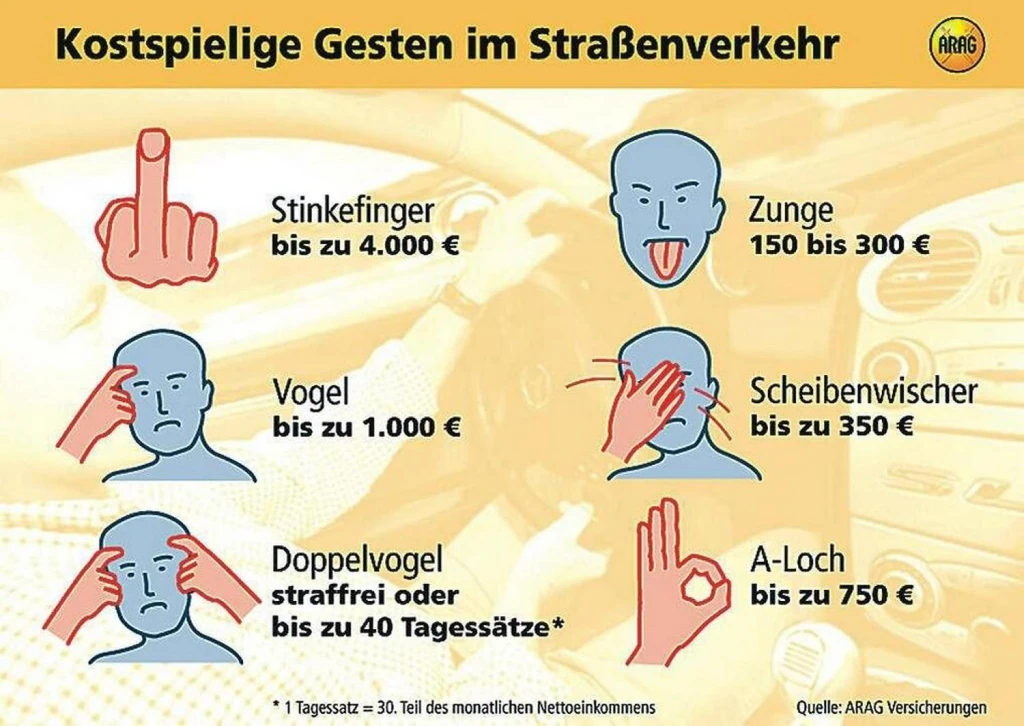
German authorities also take offensive gestures seriously. Actions such as displaying an obscene hand gesture toward another motorist can lead to penalties ranging from several hundred dollars to well over $1,000.
Interestingly, German law generally considers a vehicle private space, meaning driving without a shirt is not automatically illegal. Driving barefoot, however, can create liability issues if an accident occurs.
Switzerland: Quiet Sundays and Strict Standards
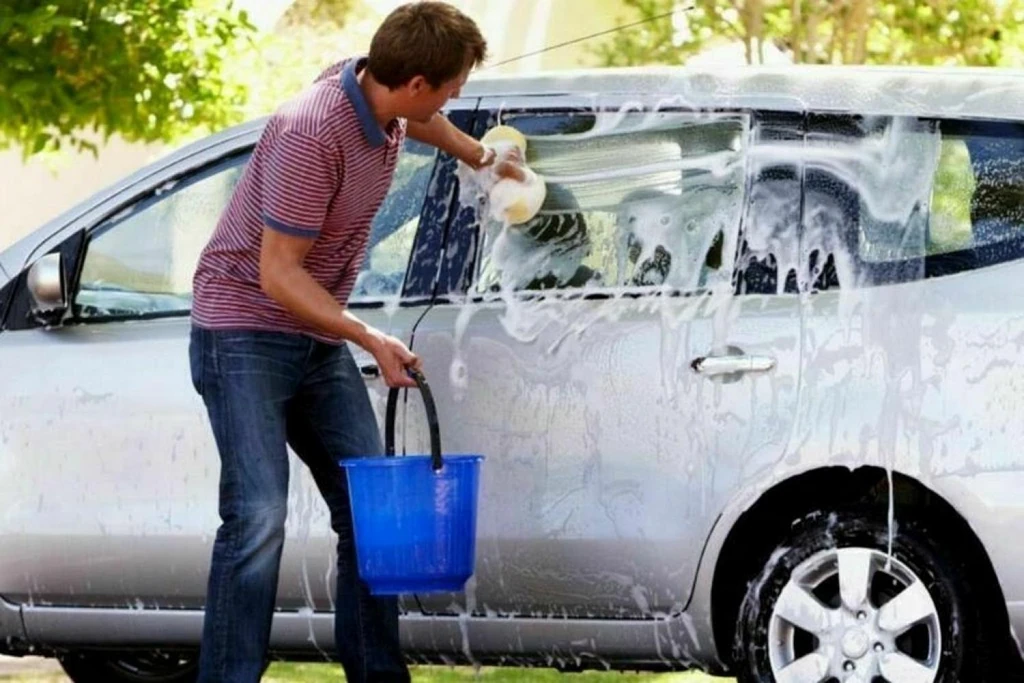
Switzerland is famous for its attention to order and cleanliness. In some communities, washing your car on Sunday may be prohibited because the day is traditionally reserved for rest and quiet.
Another unique aspect of Swiss law is that certain traffic penalties can be tied to income. In one widely reported case, a wealthy motorist received a six-figure fine for a serious traffic violation, highlighting how seriously the country treats road safety.
Asia's Unusual Approaches to Driver Behavior
Several Asian countries have adopted creative approaches to traffic enforcement.
In parts of India, some traffic offenders have reportedly been required to read road safety rules aloud and acknowledge them before being allowed to continue.
Indonesia has also become known for unconventional penalties intended to discourage repeat violations.
Meanwhile, taxi drivers in China are often expected to maintain high cleanliness standards, including checking vehicles regularly for unpleasant odors left behind by passengers.
Japan: Courtesy Is Part of the Law
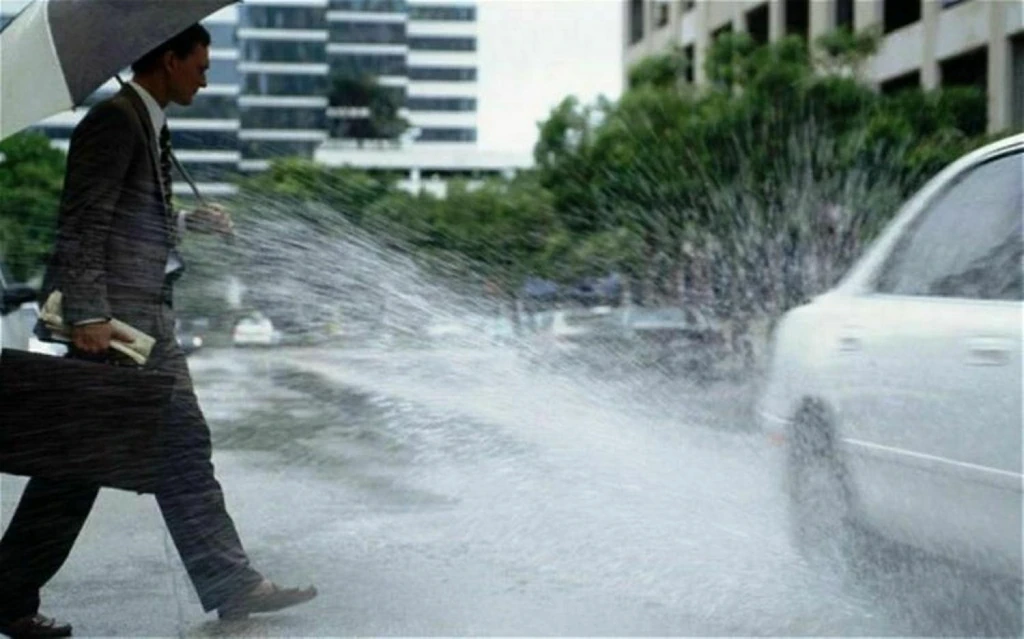
In Japan, consideration for others is deeply ingrained in driving culture. Splashing pedestrians with water from puddles is not simply viewed as rude—it can lead to penalties under traffic regulations.
As a result, drivers often slow down significantly during heavy rain and steer carefully around standing water. The goal is not only avoiding fines but also respecting those sharing the road.
Japan also requires many drivers over age 75 to display a special vehicle sticker identifying them as senior motorists, helping other road users exercise additional caution.
Thailand: Keep Your Shirt On
Thailand's tropical climate can be brutally hot, especially for tourists riding scooters. Even so, driving without a shirt is prohibited.
The rule applies to motorists and motorcycle riders alike. Authorities consider appearing shirtless in public to be inappropriate, and violators can face fines of roughly $60.
Australia and Africa: Potatoes, Animals, and Road Etiquette
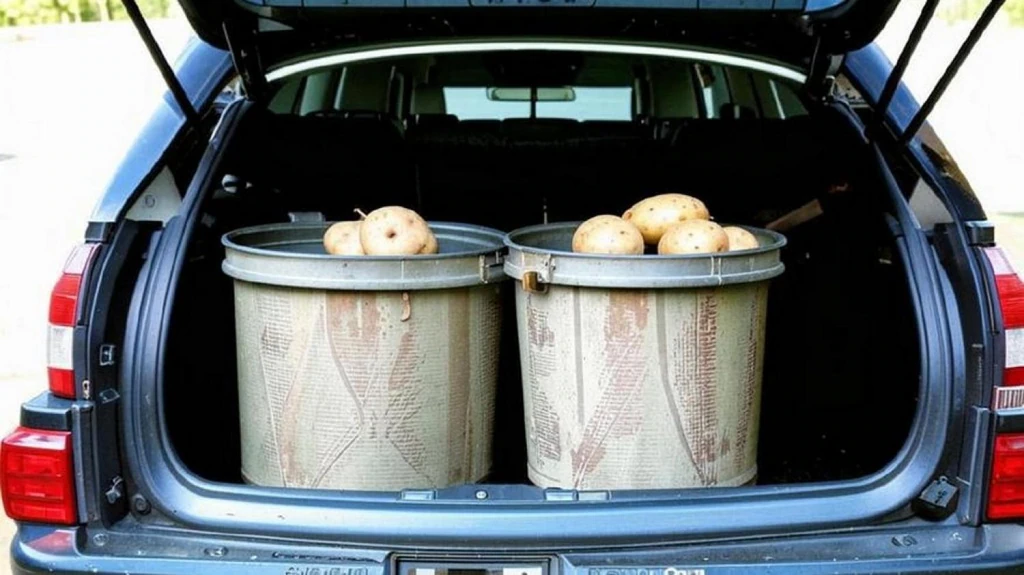
Australia has its own collection of unusual regulations. In some regions, transportation of large quantities of potatoes has historically been regulated, a rule that surprises many visitors.
Across parts of Africa, road laws can be equally unique. Ethiopia has restrictions related to reversing long distances, while Rwanda has become known for initiatives aimed at reducing vehicle use on certain days.
In South Africa and on Australia's Christmas Island, wildlife often takes priority. Roads may be temporarily closed during animal migrations, and drivers are expected to wait until animals have safely crossed.
The U.S. and Mexico Have Their Own Quirks
American traffic laws can be just as surprising.
Some state laws contain provisions that sound humorous today but were originally written to address real safety concerns. Alabama, for example, includes regulations that effectively prohibit driving while unable to see the road—something that sounds obvious but nevertheless appears in legal language.
In Pennsylvania, historical regulations addressed situations involving horses frightened by passing vehicles, a reminder of the state's transportation past.
Alaska specifically prohibits transporting a dog on the roof of a vehicle, while in Mexico, applying makeup or shaving while driving can lead to penalties because both activities are considered distractions.
While many of these laws may seem unusual at first glance, most originated from legitimate safety concerns, local customs, or incidents that prompted lawmakers to act. For travelers, the lesson is simple: before hitting the road in a new country, take a few minutes to learn the local rules. It could save you money—and prevent an unforgettable vacation from turning into an expensive lesson.
You may also be interested in the news:
Steering Wheel Vibrating at Highway Speed? What to Check First
A vibrating steering wheel is often most noticeable at highway speeds, but the cause isn’t always immediately obvious.
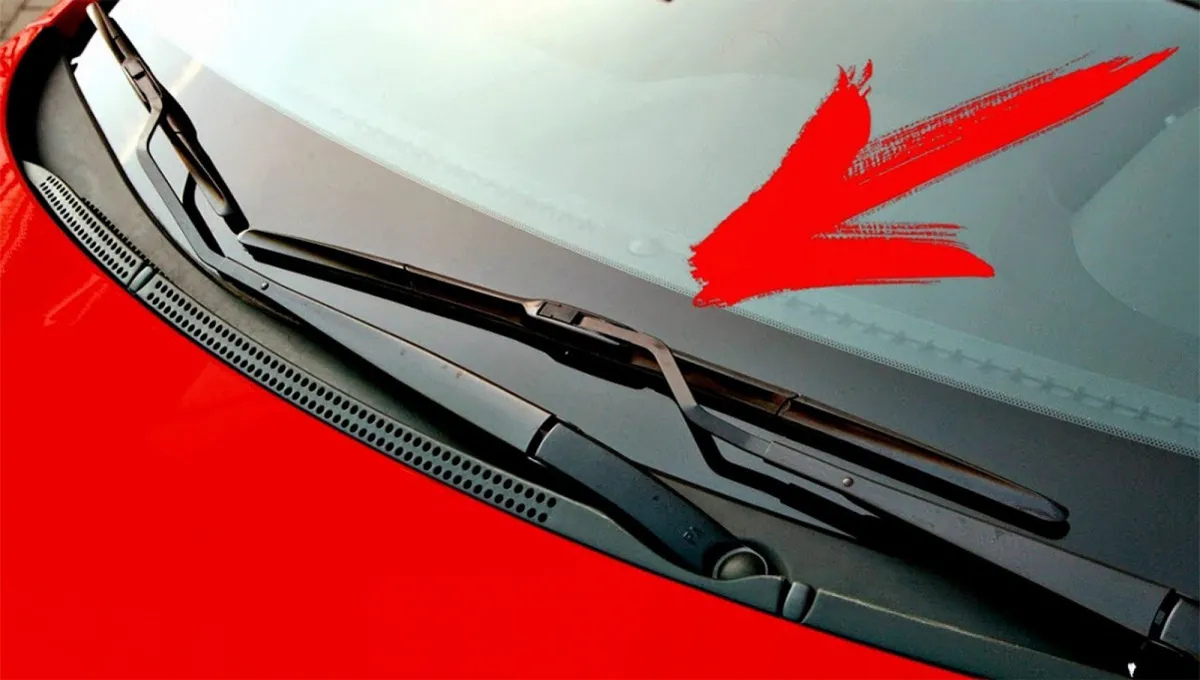
Windshield Wipers Aren’t Cleaning Properly? Here’s What Could Be Wrong
Why do windshield wipers sometimes fail to do their job?

Best Sedans for Interior Space: The Roomiest Cars of 2026
These six sedans offer generous legroom and shoulder room, giving families a comfortable alternative to larger SUVs for long trips.

Best Cars for Teen Drivers: Affordable and Safe Picks
These affordable used and new vehicles combine strong safety ratings, reliability, and reasonable prices for young drivers and their families.
These 5 Automakers Still Refuse to Build an SUV
SUVs and crossovers now account for roughly 61% of new-vehicle sales in the U.S., yet these five automakers continue to avoid the segment.