
Toyota Recalls Almost 21,000 EVs Because of a Battery Control Unit Software Glitch
The good news? Fixing it is dead simple — just a software update for the high-voltage battery control unit, done through the OBD-II port.
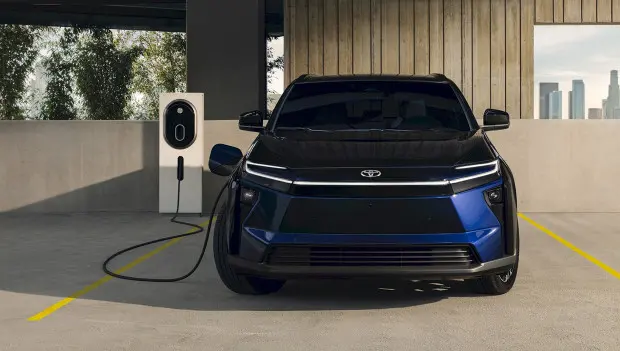
Toyota, the biggest automaker on the planet, has flagged a software hiccup that affects small electric models wearing Toyota, Lexus, and Subaru badges. The problem lives inside the high-voltage battery’s electronic control unit, and if it acts up, it could cut drive power without warning.
Here’s what’s happening under the skin. That control unit has two integrated circuits, and there’s a scenario where one of them instantly overwrites data in the same memory spot the other just wrote to. A single glitch like that might not do much, but if it keeps happening, the electric drive system eventually gives up and shuts down — which, as you can imagine, makes a crash more likely.
The part in question comes from Denso, with part number 89890-42381. According to the recall paperwork Toyota filed with NHTSA, the safety team at Toyota Motor North America started digging into this back in August 2025. What tipped them off was some data they saw during pre-production testing of a plug-in hybrid model.
At first, Toyota figured the same quirk wouldn’t bother its battery-electric cars because the write cycle of the monitoring circuit works a bit differently in those. So the case was closed in September 2025. But then, as part of a routine planned review, they reopened it in April 2026 — and that second look showed that certain versions of those battery-electric models could indeed lose drive power from that memory overwrite issue.
So far, Toyota says it has only seen one warranty claim that might be tied to all of this. Owners who are affected will get a heads-up to bring their EV in for the software fix by August 17, 2026. The update won’t cost them a dime.
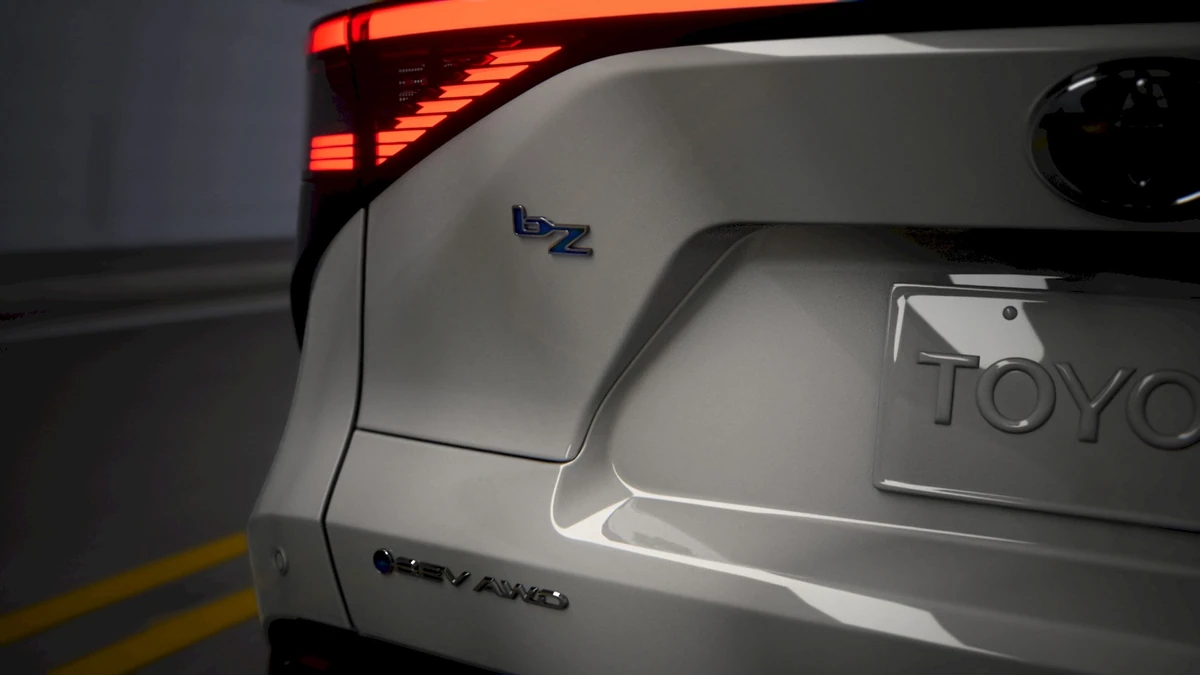
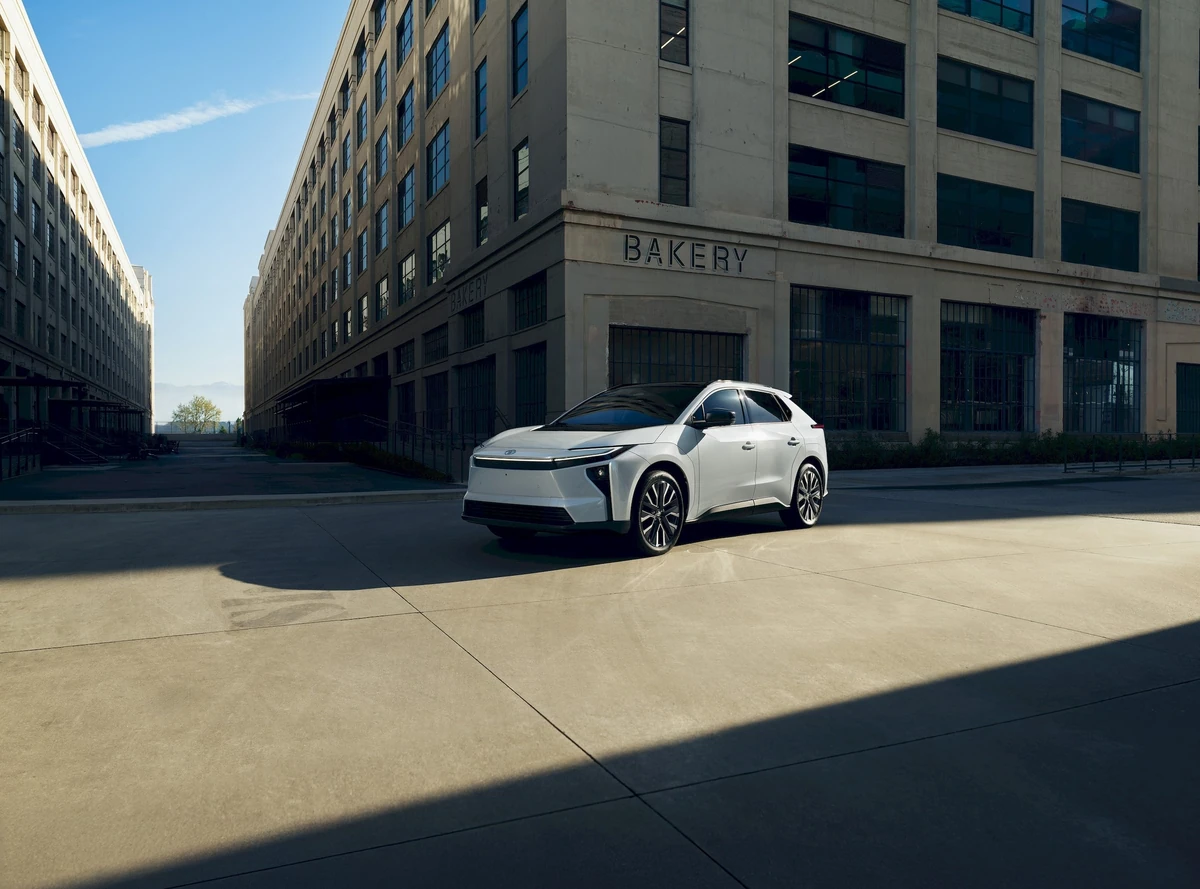
Which cars are we talking about? The 2026 Toyota bZ electric SUVs that were built between June 2, 2025, and April 9, 2026, are caught up in this. Same goes for the mechanically near-identical 2026 Lexus RZ, with production dates stretching from April 24, 2025, to January 20, 2026. And the 2026 Subaru Solterra? Those rolled off the line from September 17, 2025, through April 13, 2026.
None of these three have exactly been flying off dealer lots, and you can point fingers at a bunch of reasons: a compromised platform design, a charging setup that leaves a lot to be desired, a string of high-profile recalls, and pricing that’s tough to swallow given what you actually get in terms of performance.
The e-TNGA triplets all feel more like compliance cars than EVs that were truly built to stand out in the compact electric crowd. And it doesn’t help that Toyota spent decades talking up self-charging hybrids and hydrogen, which makes the company’s messaging feel a little all over the place right now.
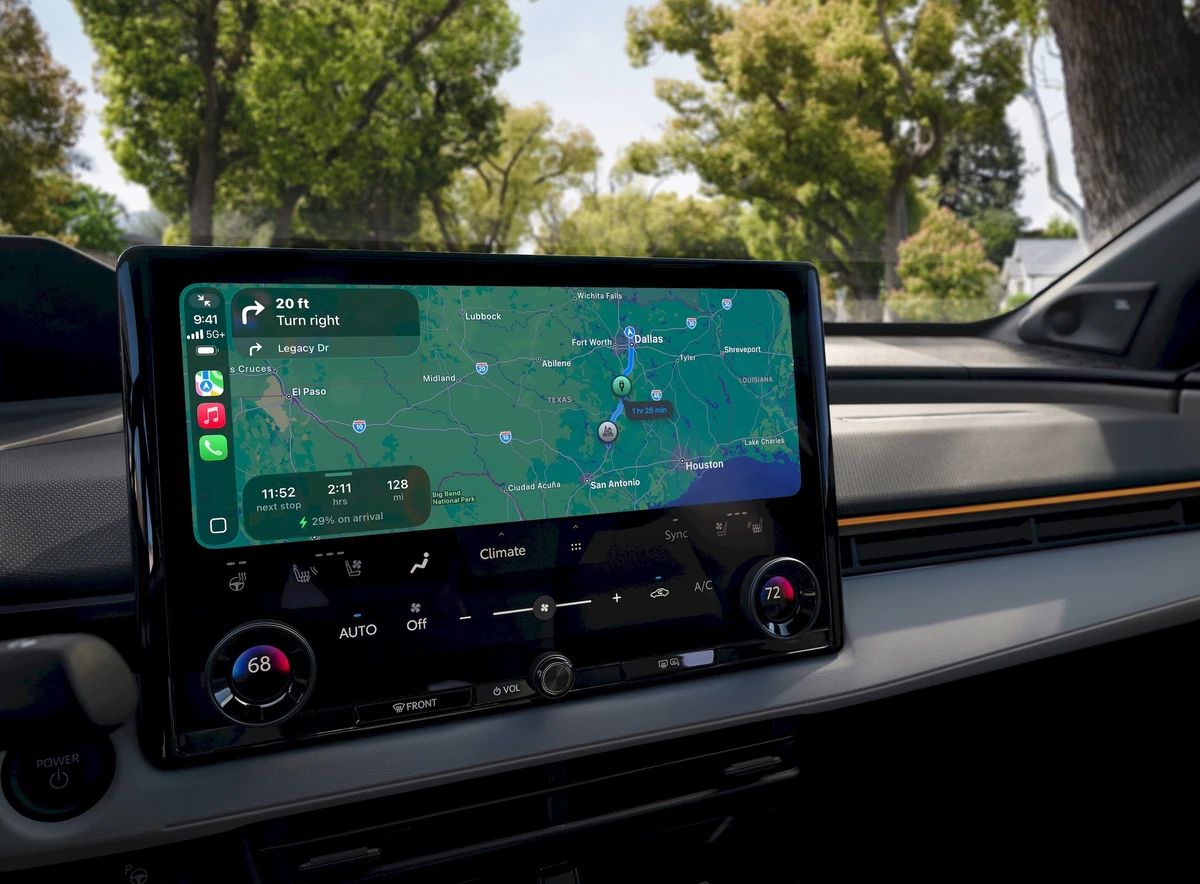
As things stand today, the cheapest 2026 bZ in the US will set you back at least $34,900. Subaru asks a bit more, but in its defense, the Solterra comes with dual-motor all-wheel drive as standard. Lexus, meanwhile, somehow didn’t get the memo about positioning itself above Toyota — the RZ lineup embarrassingly kicks off with a front-wheel-drive base model. Even worse, the most affordable RZ stickers at $47,395 including destination but before other taxes. On a full charge it’s good for no more than 301 miles (533 kilometers), and you can have it with 221, 308, or 402 horsepower, depending on the version.
You may also be interested in the news:
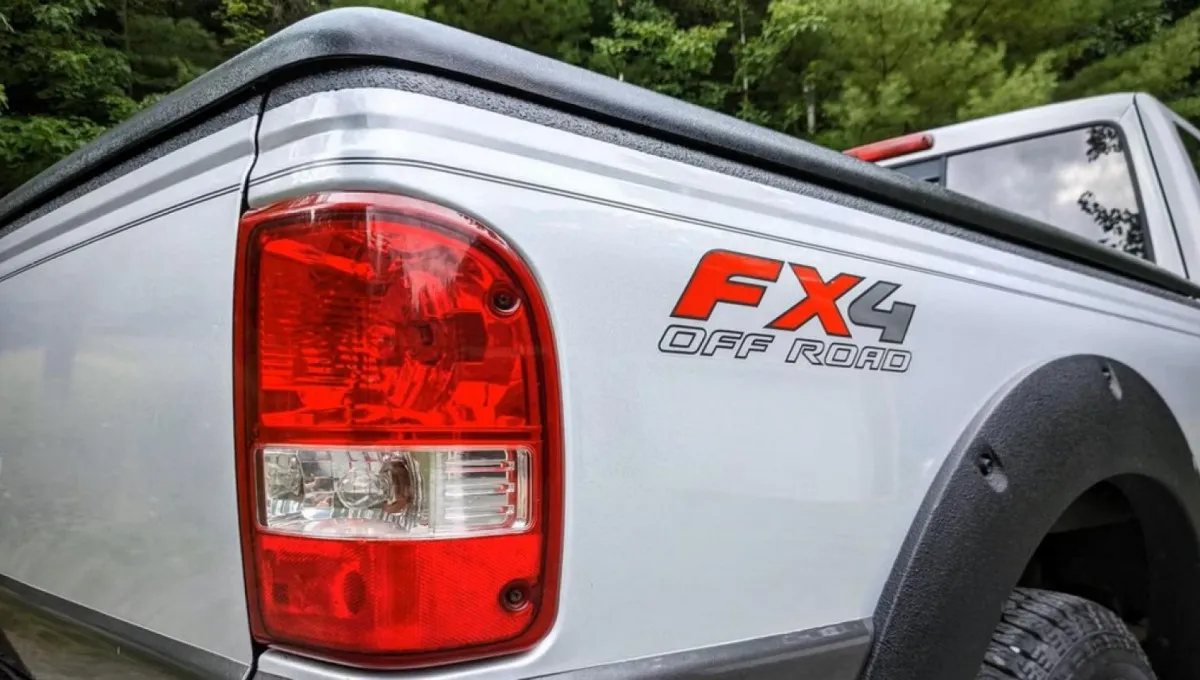
Ford Ranger FX4 Level II Was Cool Long Before the Raptor
Ford Built This Insane Ranger Years Before the Raptor—and Almost Nobody Remembers It
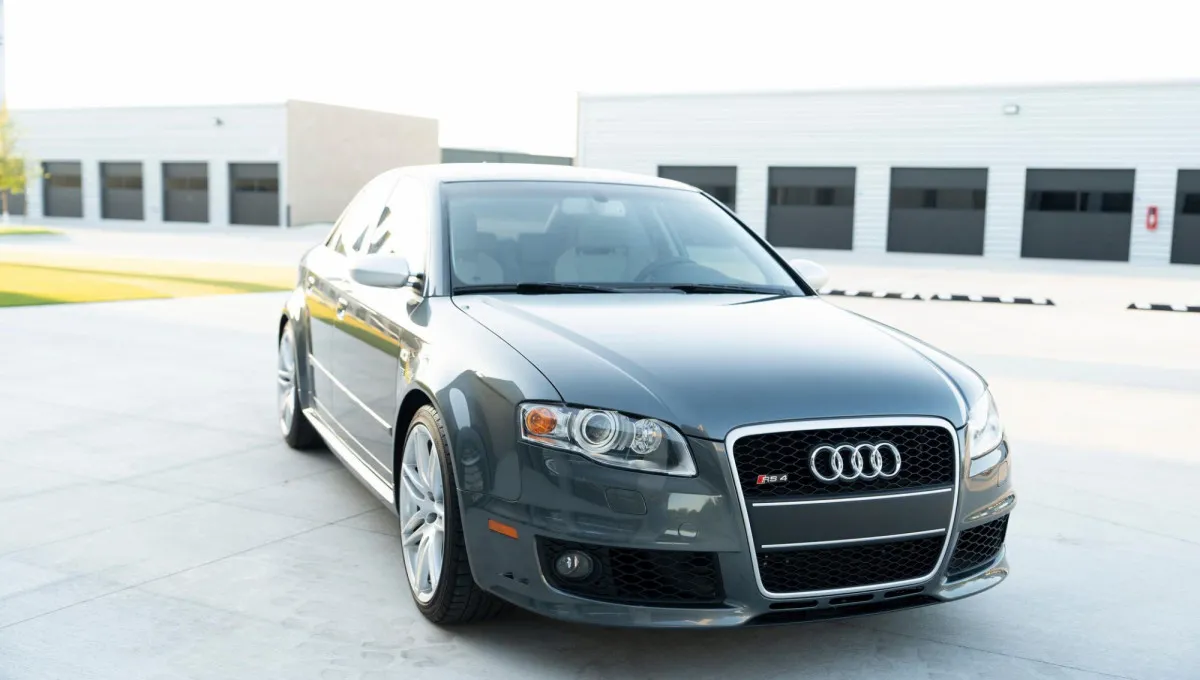
This 18-Year-Old Audi RS4 Just Sold for More Than It Cost Brand-New
After spending 18 years in a garage, this low-mileage Audi RS4 has become a sought-after collector car.
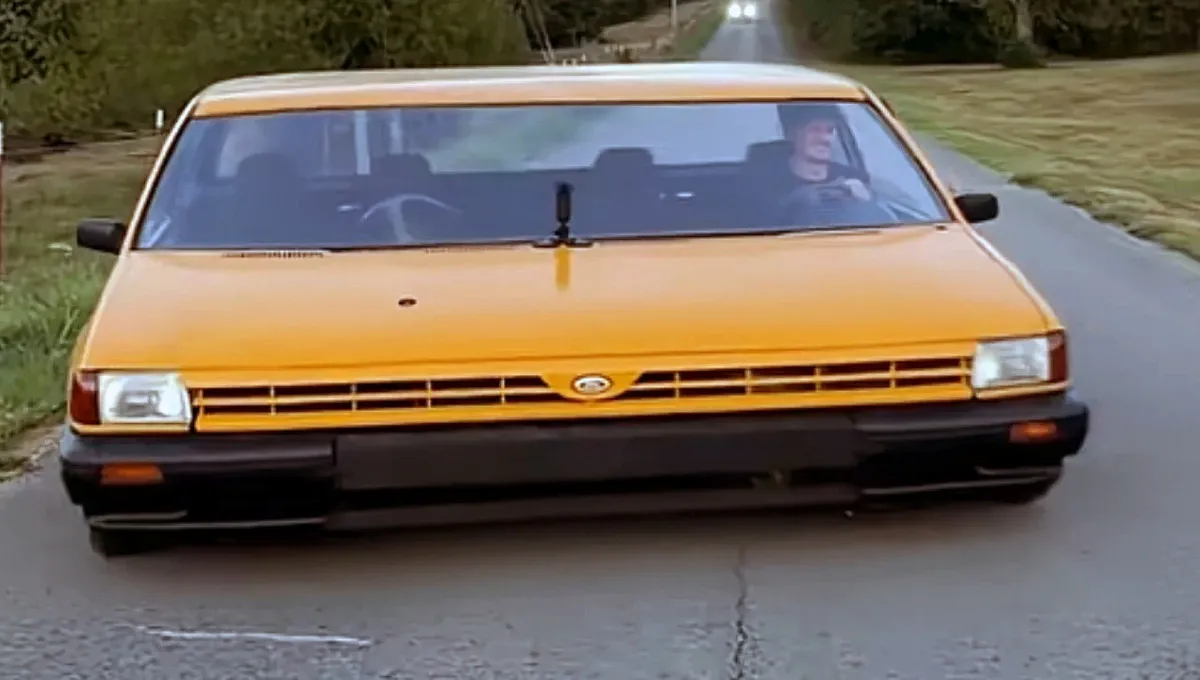
Tennessee Man Builds an Absurdly Wide Car Where Everyone Gets to Ride Shotgun
Tennessee creator Tyler Fever built an absurdly wide car after previously turning a Ford Festiva into a street-legal sliver.
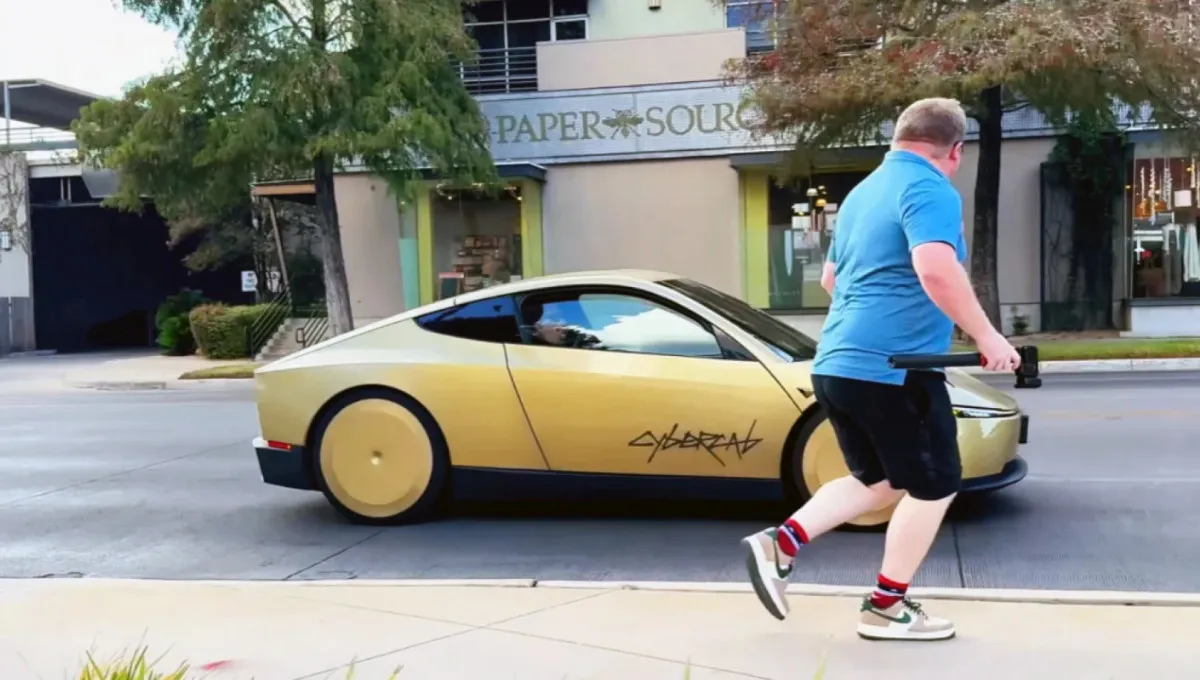
Washington Man Steps in Front of Tesla Cybercab to Test Its Self-Driving Response
Washington man stepped into a Cybercab’s path to test how quickly its autonomous system responded.
Copart to Acquire ACV Auctions in $1.9 Billion Deal, Expanding Into Dealer-to-Dealer Car Auctions
Copart is acquiring ACV Auctions for about $1.9 billion, expanding its online auction business into dealer-to-dealer vehicle sales.