
Seven Unusual Cars That Broke the Rules With Their Wheel Designs
Not every car has four wheels—these unusual machines prove automotive engineers have always loved challenging convention.
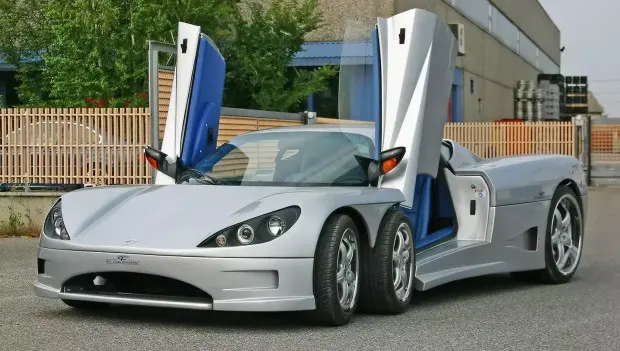
Ask someone how many wheels a car has, and the answer will almost always be four. Some heavy-duty vehicles use six, but beyond that, unconventional wheel layouts are incredibly rare. Still, throughout automotive history, inventors and manufacturers have experimented with everything from one-wheel concepts to six-wheel sports cars in an effort to improve stability, efficiency, or maneuverability.
Here are seven fascinating passenger vehicles that proved there’s more than one way to build a car.
1. The One-Wheel Car
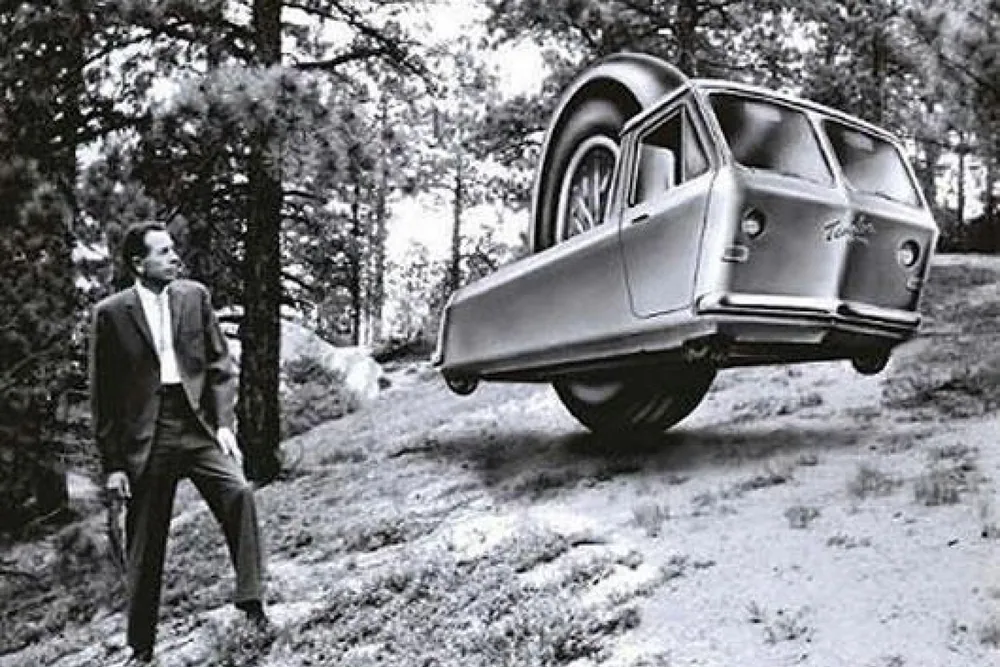
American inventor Charles F. Taylor, who lived from 1916 to 1997, believed that simpler engineering could lead to better vehicles. That philosophy inspired him to spend decades developing a car that balanced on a single wheel.
Taylor produced several working prototypes and secured patents for his unusual concept in 1964. While the idea never gained commercial traction, it remains one of the most unconventional automotive experiments ever attempted.
2. The Gyrocar
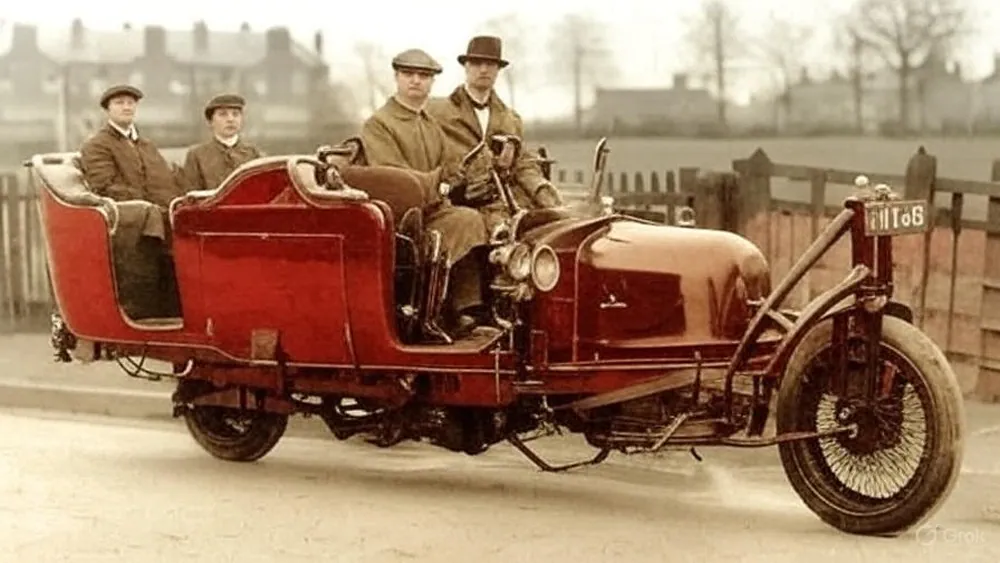
A two-wheeled automobile might sound like science fiction, but the idea dates back more than a century.
In 1914, engineer Pyotr Shilovsky built a functioning gyrocar that stayed upright using a large gyroscope. Instead of relying on additional wheels for balance, the spinning gyroscope kept the vehicle stable even while stopped.
Although the technology was remarkably advanced for its time, the design proved too complex and expensive for mass production.
3. Delta Three-Wheelers
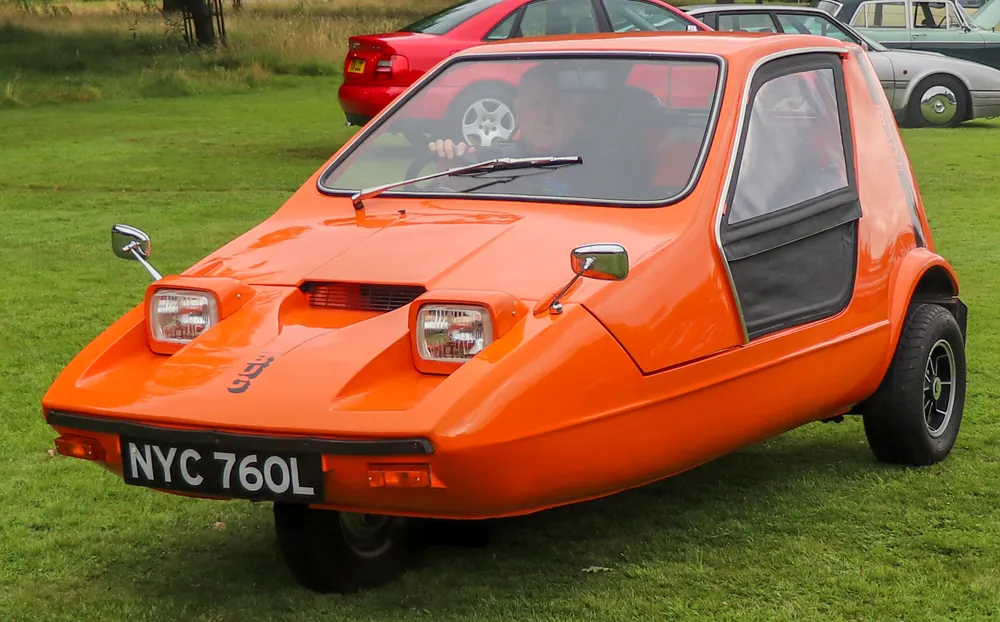
In the years following World War II, small three-wheeled cars became a common sight across parts of Western Europe.
These lightweight microcars typically featured two wheels at the front and one at the rear. Their engines were modest, performance was limited, and durability wasn't always impressive. However, they were inexpensive to build and own, making them attractive transportation during difficult economic times.
A surprising number of these quirky vehicles have survived and still appear at classic car shows today.
4. Reverse Delta Three-Wheelers
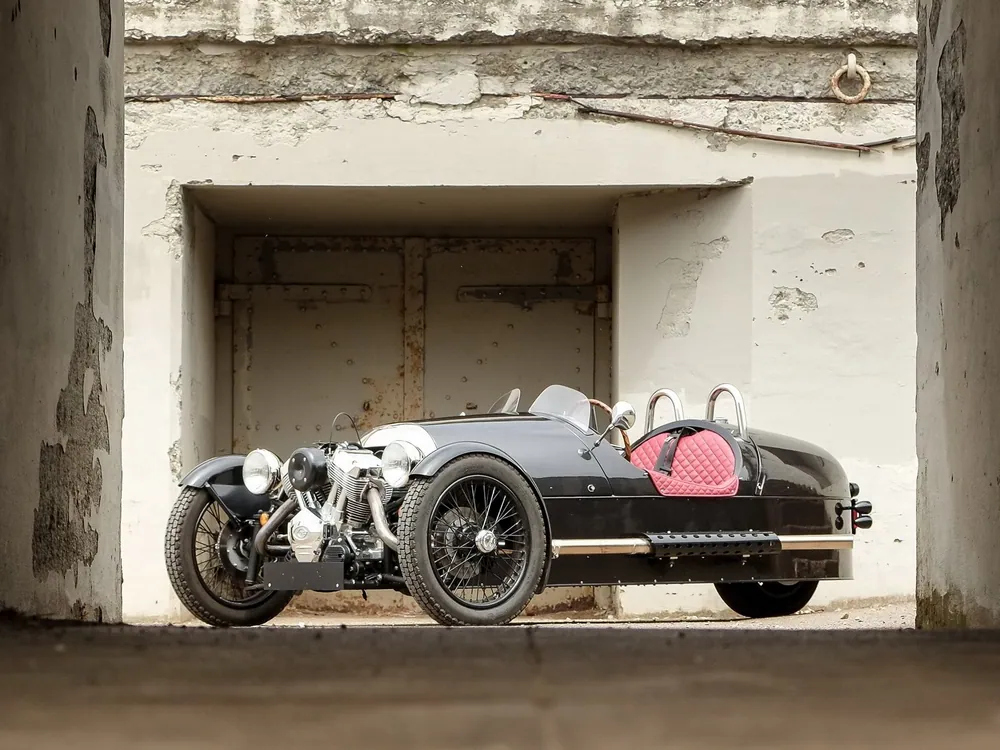
The opposite layout—one wheel in front and two in the rear—has experienced a resurgence in recent years.
Modern custom builders continue to embrace this configuration, with one of the best-known examples being the Morgan 3 Wheeler. Its distinctive appearance, lightweight construction, and engaging driving dynamics have earned it a devoted following among enthusiasts.
5. Diamond-Layout Cars
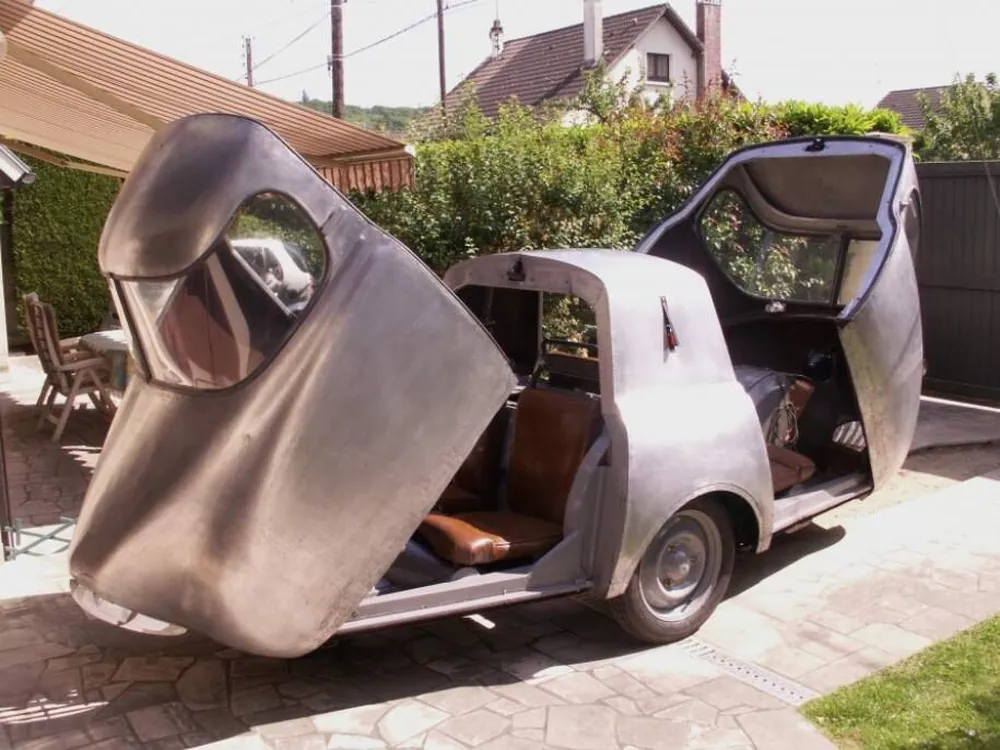
Diamond-wheel configurations place one wheel at the front, one at the rear, and two centered along the sides of the vehicle.
At first glance, the layout seems impractical, but engineers have long appreciated its potential advantages in weight distribution and maneuverability. Although very few production cars have ever adopted the concept, it remains an intriguing engineering exercise.
6. Five-Wheel Cars
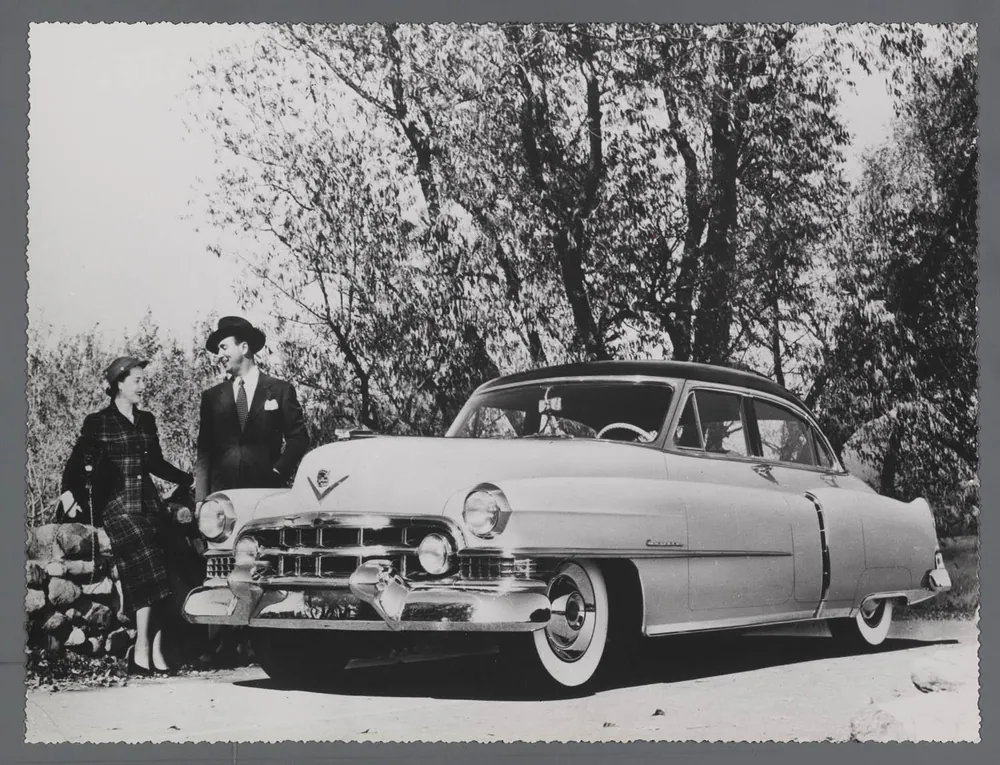
Several automakers experimented with a retractable fifth wheel during the 20th century.
Under normal driving conditions, these vehicles operated like conventional four-wheel cars. When parking or performing tight maneuvers, however, a small fifth wheel could lower beneath the chassis to help rotate or reposition the vehicle with less effort.
The concept worked, but the added cost and mechanical complexity prevented it from becoming a mainstream feature.
7. Six-Wheel Passenger Cars
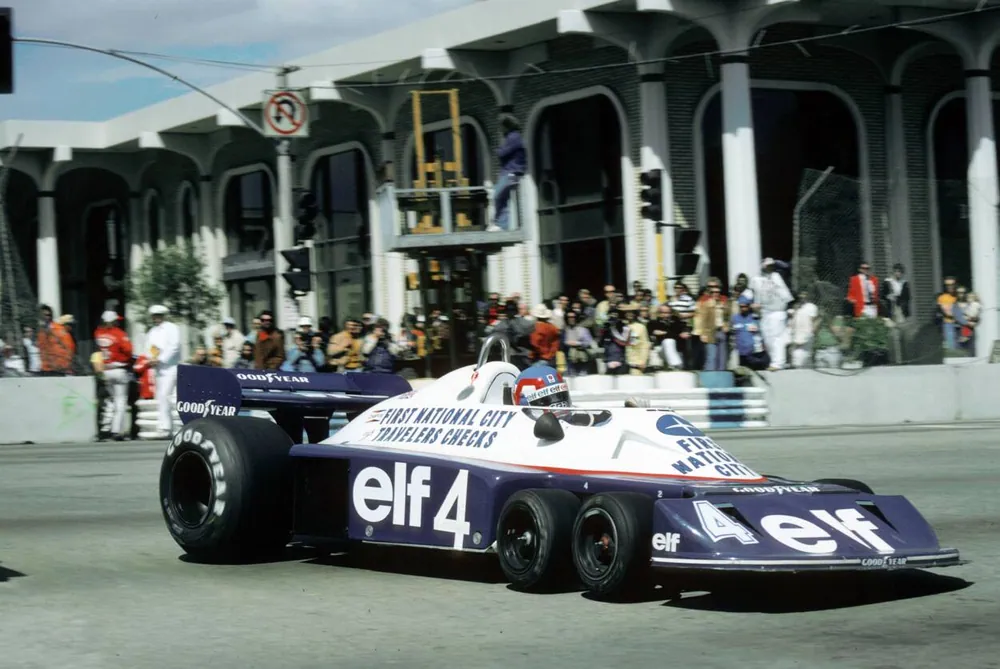
Not all six-wheel vehicles are trucks or off-road machines.
A handful of designers experimented with passenger cars that used four wheels up front and two in the rear. In theory, the extra front tires promised improved grip, better steering response, and increased braking performance.
Despite the potential benefits, the layout proved difficult to engineer and expensive to manufacture. As a result, six-wheel passenger cars have remained rare curiosities rather than becoming a common sight on public roads.
When Innovation Means Breaking the Rules
Automotive history is filled with bold ideas that challenged conventional thinking. While most of these unusual wheel configurations never reached mass production, they demonstrate the creativity and ambition of engineers who were willing to rethink one of the most fundamental elements of vehicle design. Even today, their experiments continue to inspire enthusiasts and designers looking for the next breakthrough.
You may also be interested in the news:

That O/D OFF Button in Your Car Has a Purpose—Here’s When You Actually Need to Press It
That mysterious O/D OFF button isn't a warning of transmission trouble—it can actually make driving easier in specific situations.
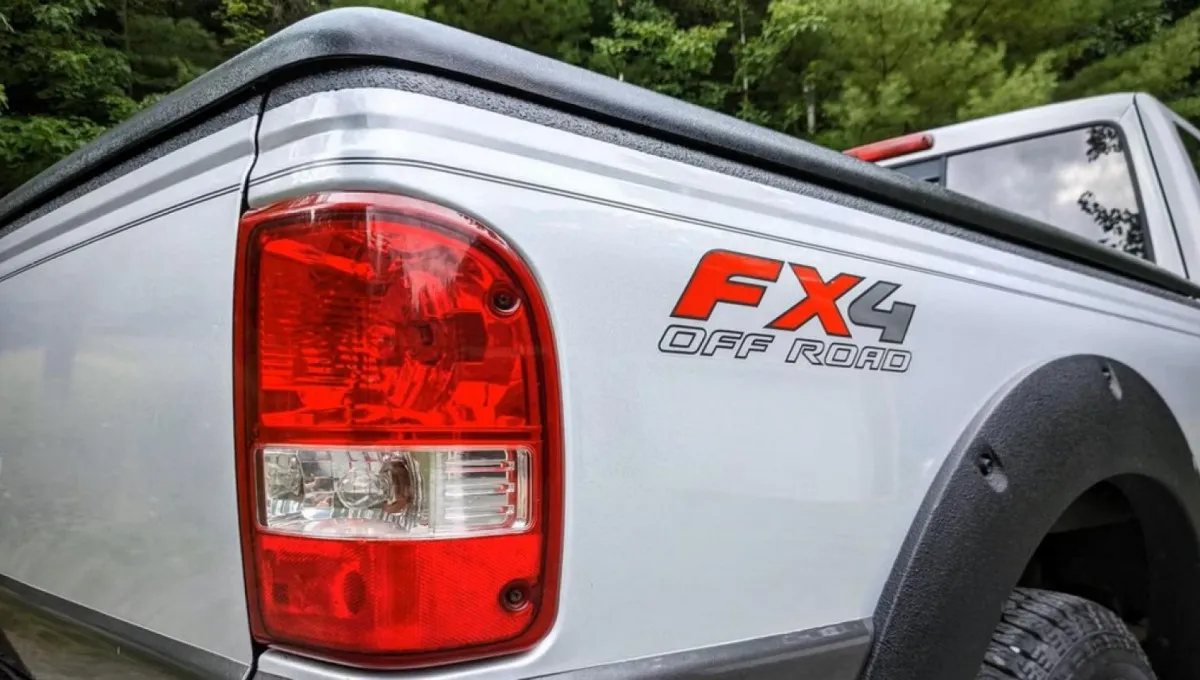
Ford Ranger FX4 Level II Was Cool Long Before the Raptor
Ford Built This Insane Ranger Years Before the Raptor—and Almost Nobody Remembers It

7 Cars That Should Have Been Legends — But One Big Flaw Held Them Back
Some cars had the styling, performance and character to become icons, but one glaring weakness kept them just short of legendary status.
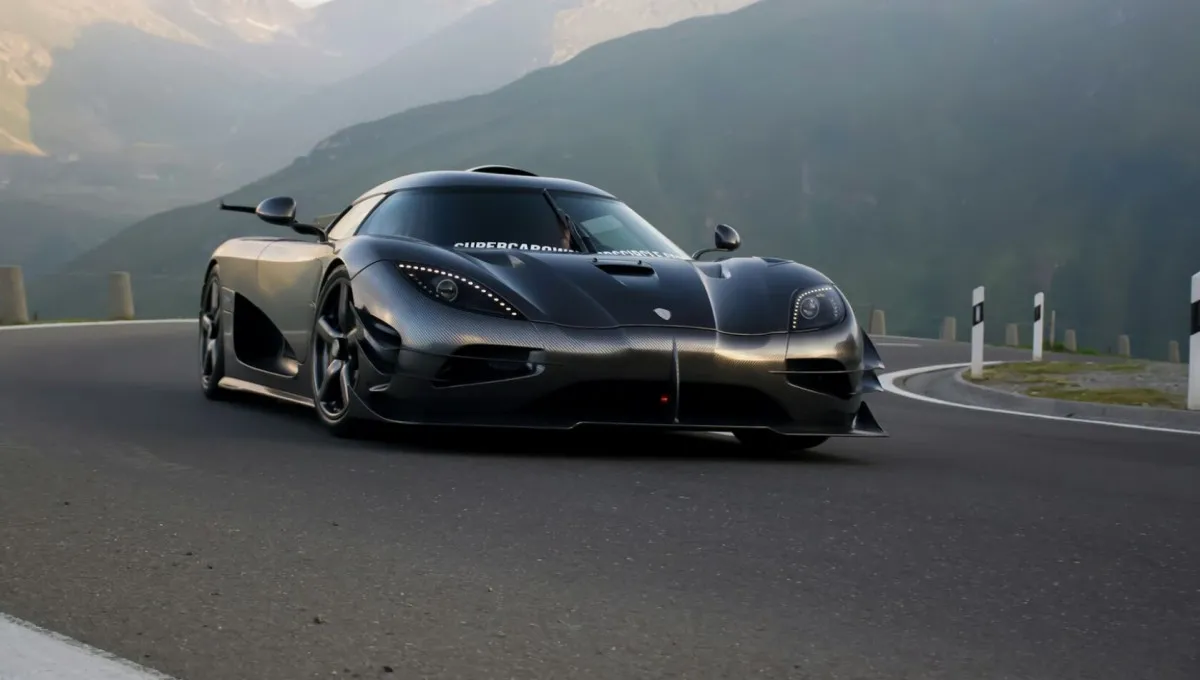
These 5 Automakers Still Refuse to Build an SUV
SUVs and crossovers now account for roughly 61% of new-vehicle sales in the U.S., yet these five automakers continue to avoid the segment.

You've Seen These Black-and-Yellow Road Markers—But Do You Know What They Really Mean?
Those familiar black-and-yellow road markers quietly tell drivers which direction to take around roadside obstacles.