
Honda Asks Suppliers to Cut Prices by 30% on Certain Components
Honda has asked its suppliers to significantly reduce component costs as the automaker looks to free up money for electrification and software.
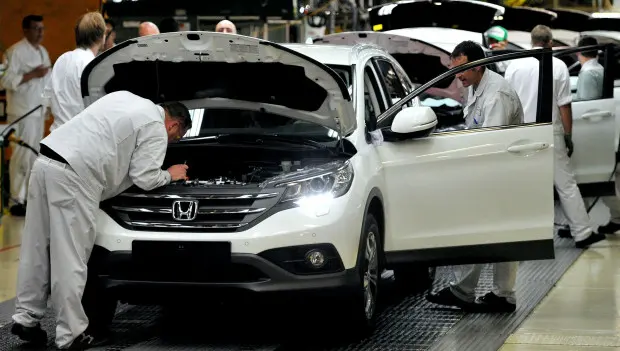
Honda has reportedly asked its suppliers to make significant cuts to the cost of components, with some key parts targeted for price reductions of as much as 30%. The effort reportedly includes components used in software-defined vehicles, a growing segment of the auto industry in which software controls an increasing share of a vehicle’s functions.
Yicai contacted Honda’s China operation for comment. A Honda representative said the company had not made an official announcement regarding the reported cost-cutting request. However, the representative said Honda routinely works with suppliers to optimize costs and improve competitiveness across its global research, development, manufacturing and purchasing operations.
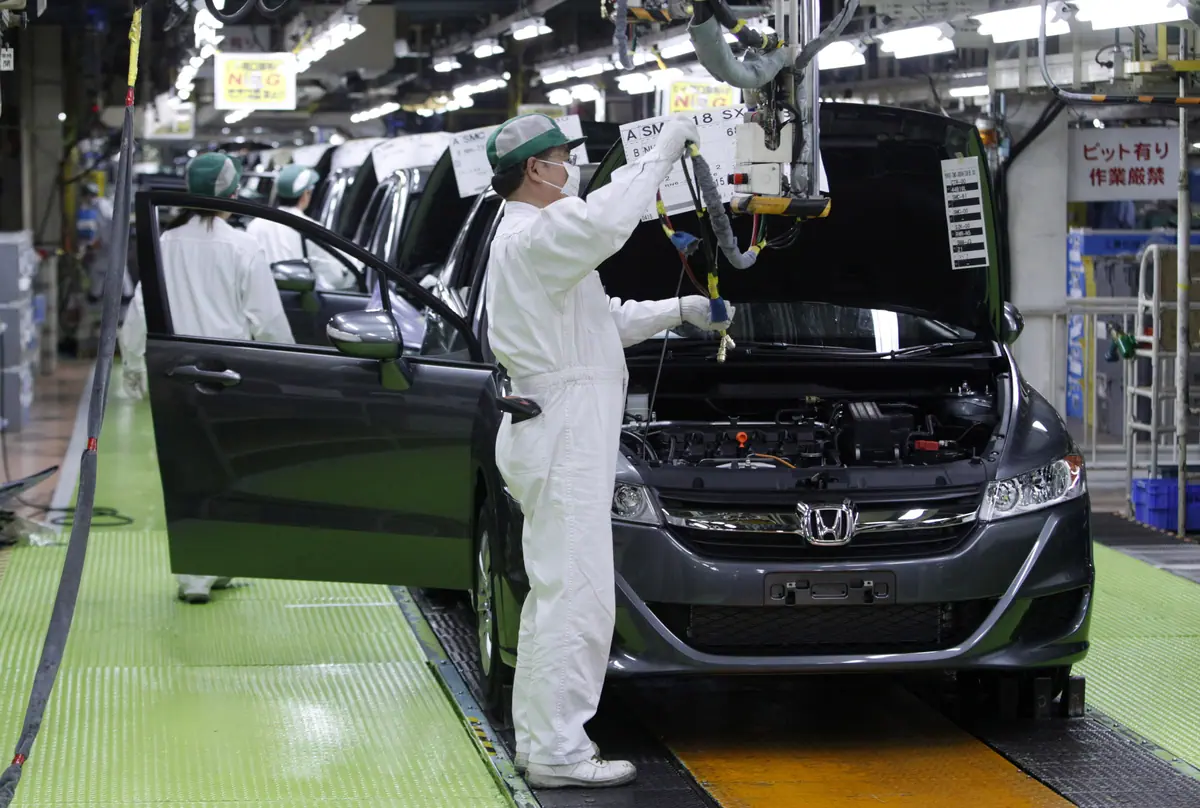
Honda Targets $10 Billion in Savings by 2030
More details about the scale of Honda’s cost-cutting plans were reported by Reuters earlier on September 2. According to those reports, Honda Motor aims to save ¥1.5 trillion, or roughly $10 billion, over the next four years, through fiscal 2030.
The automaker is targeting cost reductions of about 30% across three major areas:
- Stamped and forged components
- Electronic components
- Components related to software-defined vehicles
The savings could give Honda additional resources to invest in vehicle electrification and digital technologies. Those investments are becoming increasingly important as automakers balance the cost of developing next-generation vehicles with the need to remain competitive in a rapidly changing industry.
Honda is also pursuing joint development projects with other automakers as part of its broader effort to reduce costs and accelerate new technology.
On September 1, Honda and Nissan announced plans to jointly develop a standardized electronic control unit specifically for software-defined vehicles. A common system could eventually make vehicle electronics less expensive and easier to develop, while also reducing complexity for future models.
The two companies have already outlined a rough timeline for the project. Beginning in fiscal 2029, Honda and Nissan plan to introduce an automotive electronic architecture built around the jointly developed control unit.
The companies expect the partnership to reduce development costs while helping them bring new technologies to production vehicles more quickly.
You may also be interested in the news:
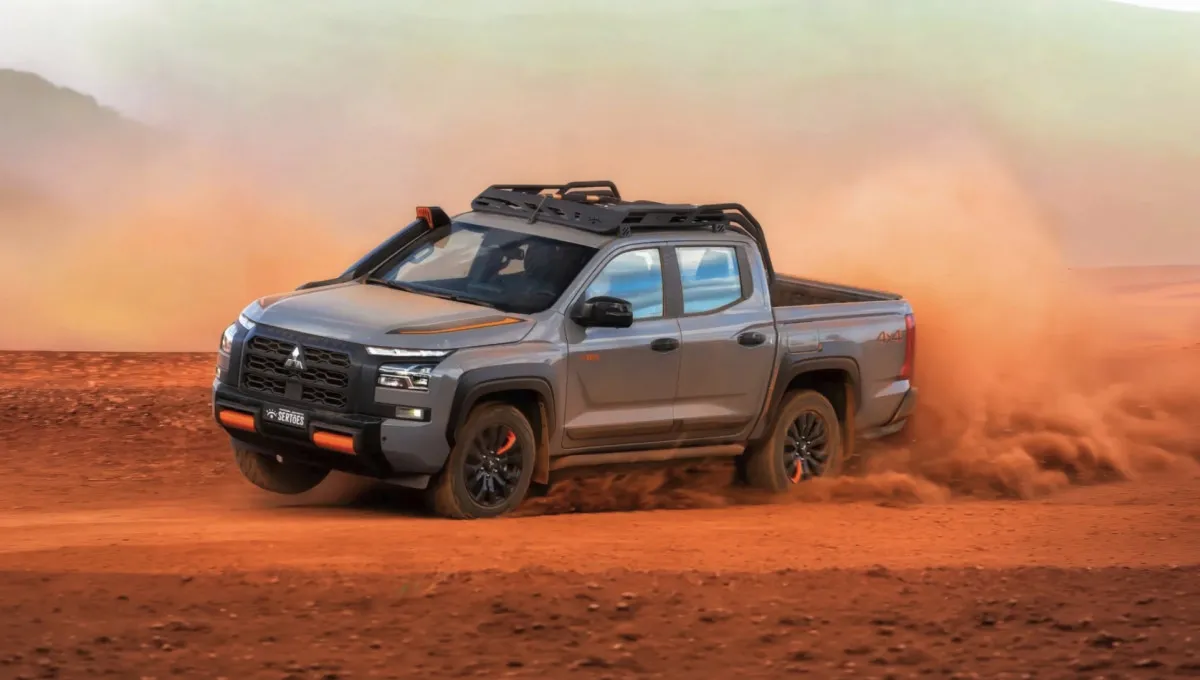
Honda Could Launch a Mitsubishi-Based Midsize Pickup in 2028
Honda could enter the midsize pickup market with a rebadged Mitsubishi Triton, expanding its Southeast Asian lineup as early as 2028.
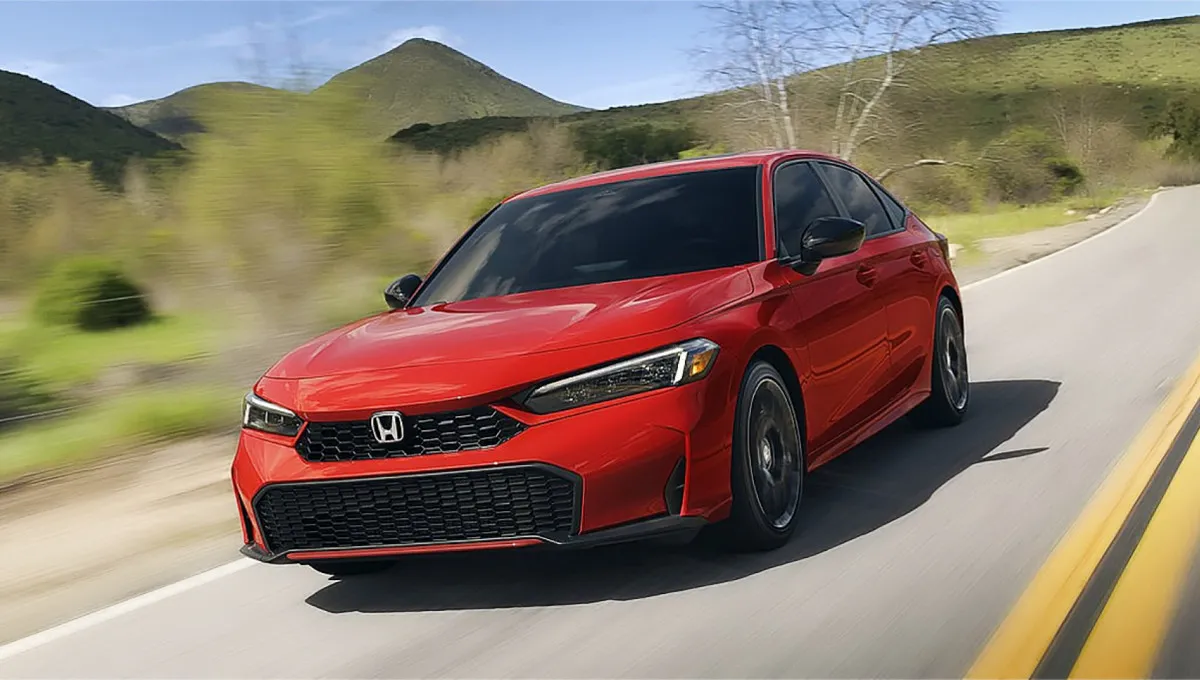
The 2027 Honda Civic Just Got More Premium — And It Still Starts Under $27,000
Honda has updated the Civic for the U.S. market, adding premium features and new driving technology without significantly raising prices.
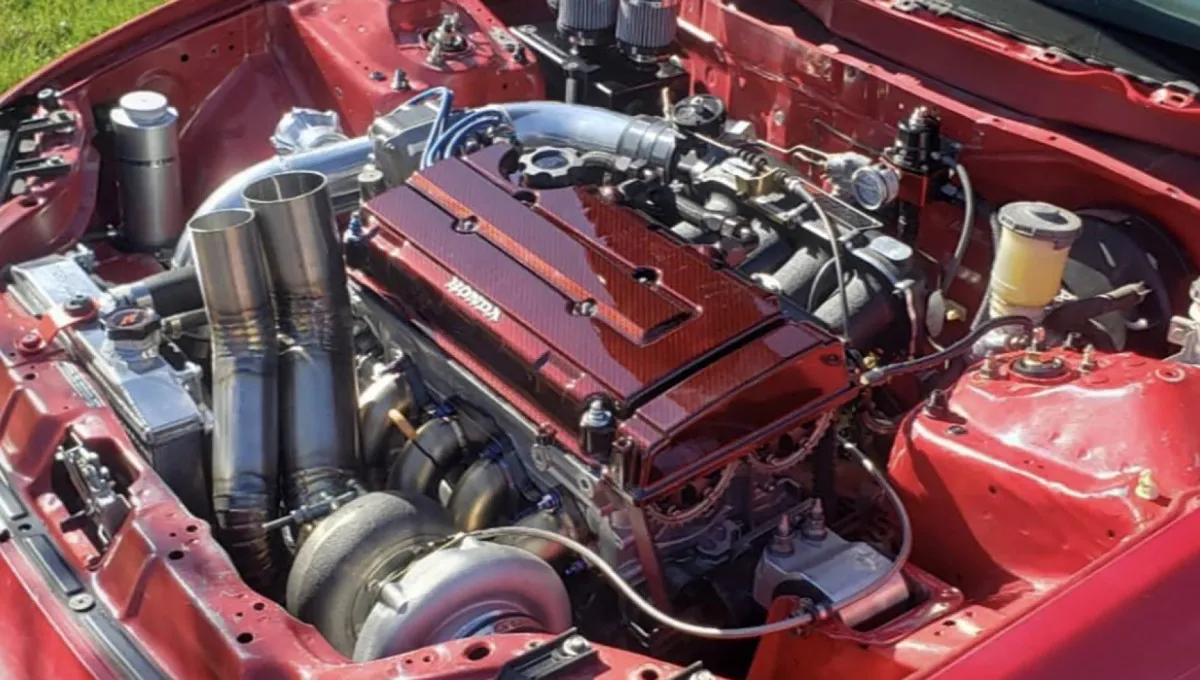
Honda K-Series Engines Can Go Past 300,000 Miles — Here's Why They're So Reliable
How long can a Honda K-series engine last, and what makes this family of Japanese engines so durable?
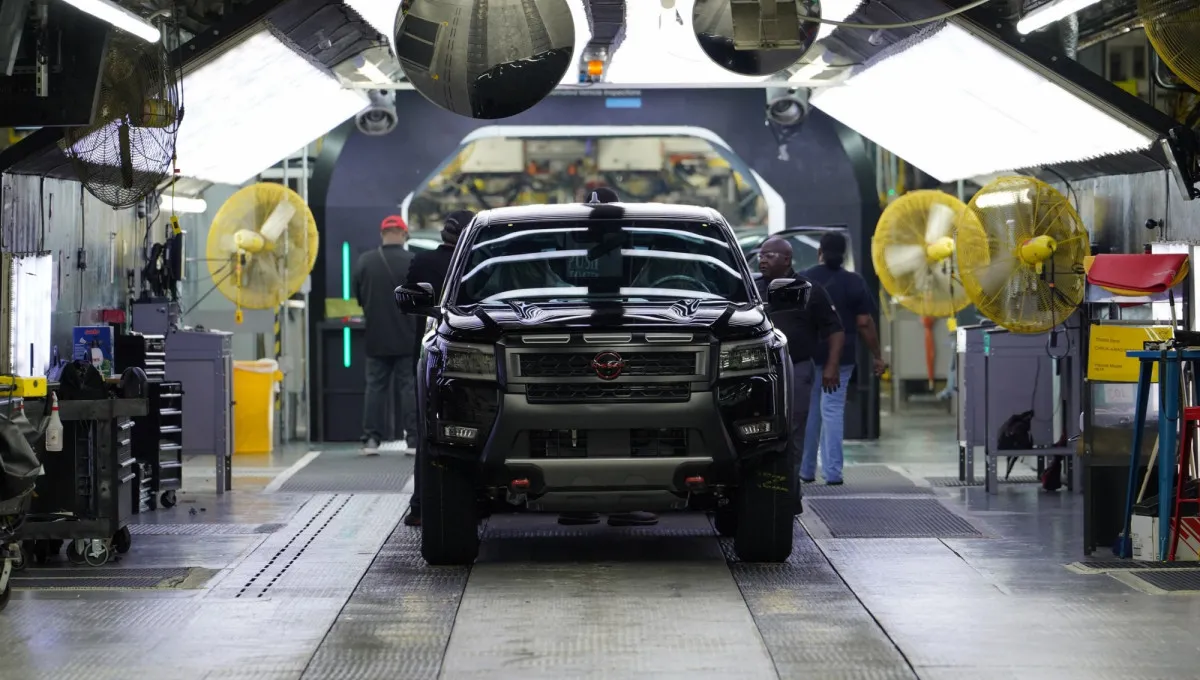
Nissan Restarts US-Made Murano, Pathfinder, Frontier Sales in Canada
Nissan resumed Canadian sales of three U.S.-built models, but tariffs keep supply below earlier levels.
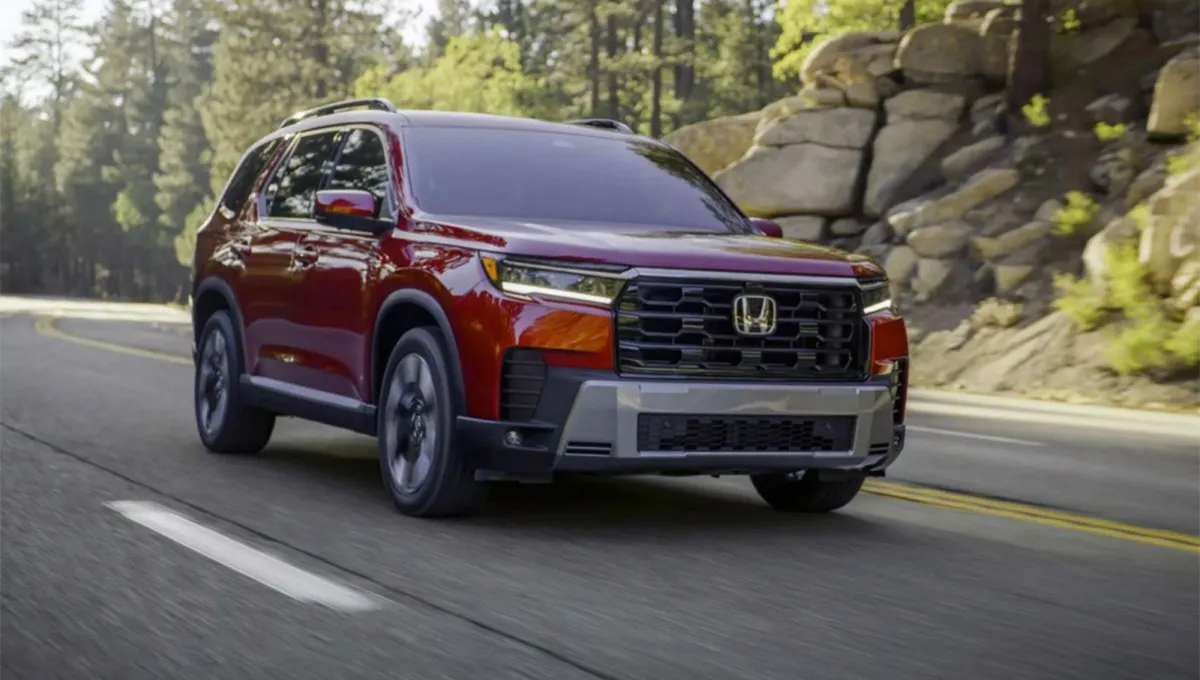
Honda May Be Building an SUV So Big It Could Rival America’s Biggest Three-Row Models
Honda could be preparing a much larger three-row SUV, potentially stretching nearly as long as a full-size American SUV.