
Most Drivers Ignore This When Buying a Car Battery—and It Can Cause Problems
Choosing a replacement car battery requires attention to detail, because even one incorrect specification can cause major installation problems.
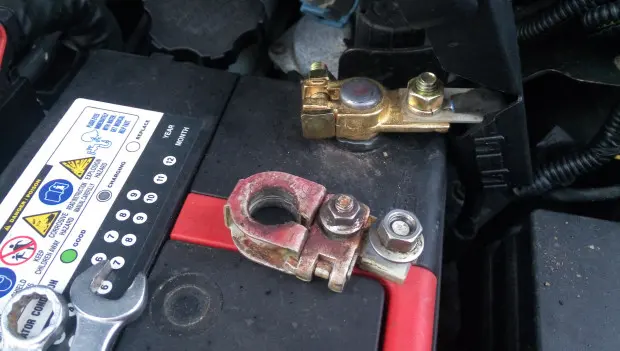
Choosing a replacement battery for your vehicle is something that requires more attention than simply matching the brand and battery size. Get one specification wrong, and the battery may not fit in its tray or the cables may not reach the terminals.
That specification is battery polarity.
What Is Battery Polarity and Why Does It Matter?
Battery polarity refers to the location of the positive (+) and negative (-) terminals on top of the battery when viewed from the correct reference position.
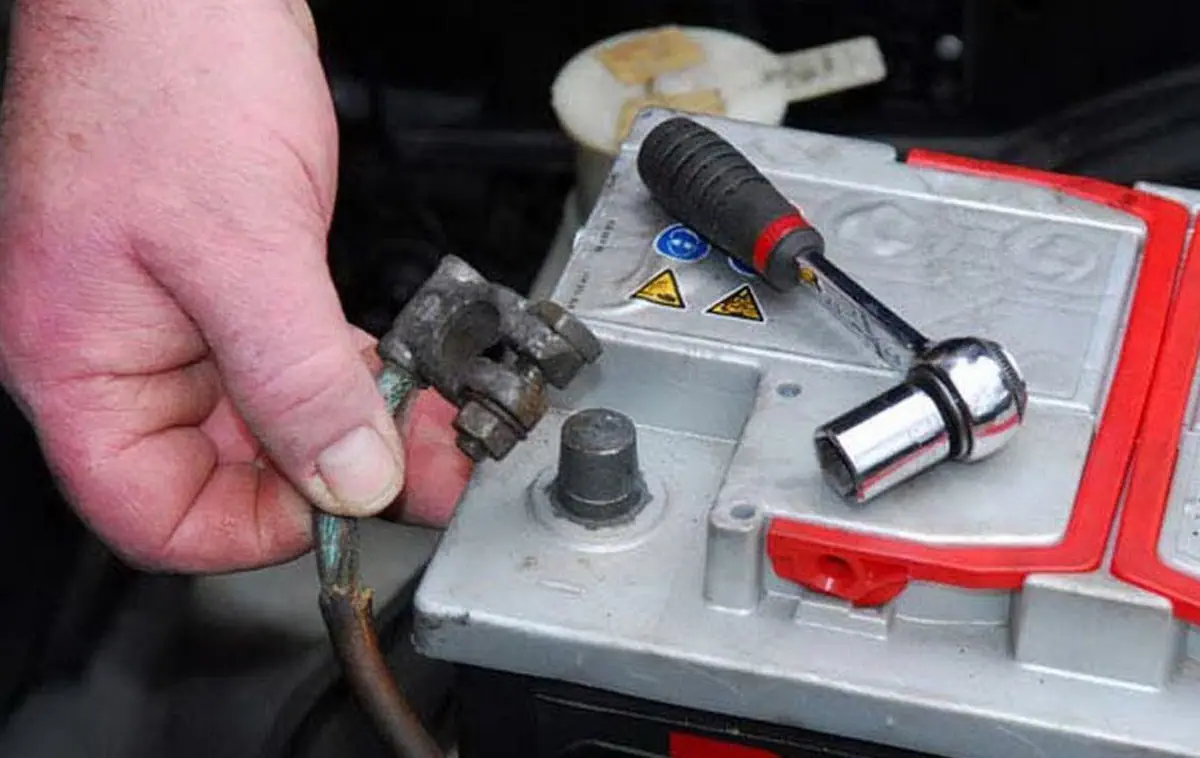
Modern engine compartments are tightly packaged, and battery cables are typically only as long as necessary. If you install a battery with the terminals on the wrong sides, several problems can occur:
- The cables may not reach the battery terminals.
- Trying to stretch the cables into position can damage them, create a poor electrical connection or increase the risk of a short circuit.
- Connecting a battery with the wrong polarity can potentially damage sensitive vehicle electronics.
How to Determine Battery Polarity
The easiest method is to place the battery in front of you with the terminals closest to you and the manufacturer's label facing you. Think of this as the "terminals toward you" position.
Now locate the positive terminal. It is normally marked with a "+" symbol, a red protective cover or a larger terminal.
- Positive on the left, negative on the right: positive-left polarity.
- Positive on the right, negative on the left: positive-right polarity.
Don't confuse battery polarity with the way the battery sits inside the vehicle. The battery may be installed with the terminals facing away from you or positioned sideways depending on the vehicle.
Polarity is determined by placing the battery in the reference position with the terminals facing you.
Some batteries also use terminal layouts that allow greater installation flexibility, with the terminals positioned diagonally or in a way that can accommodate different mounting orientations. Always confirm that the battery is specifically designed for the installation position required by your vehicle rather than assuming it can simply be rotated 180 degrees.
What About Truck Batteries?
Heavy-duty truck batteries can use a different terminal arrangement than the batteries found in passenger cars and SUVs. On some truck batteries, the terminals are positioned along one of the shorter ends of the case rather than along the long side.
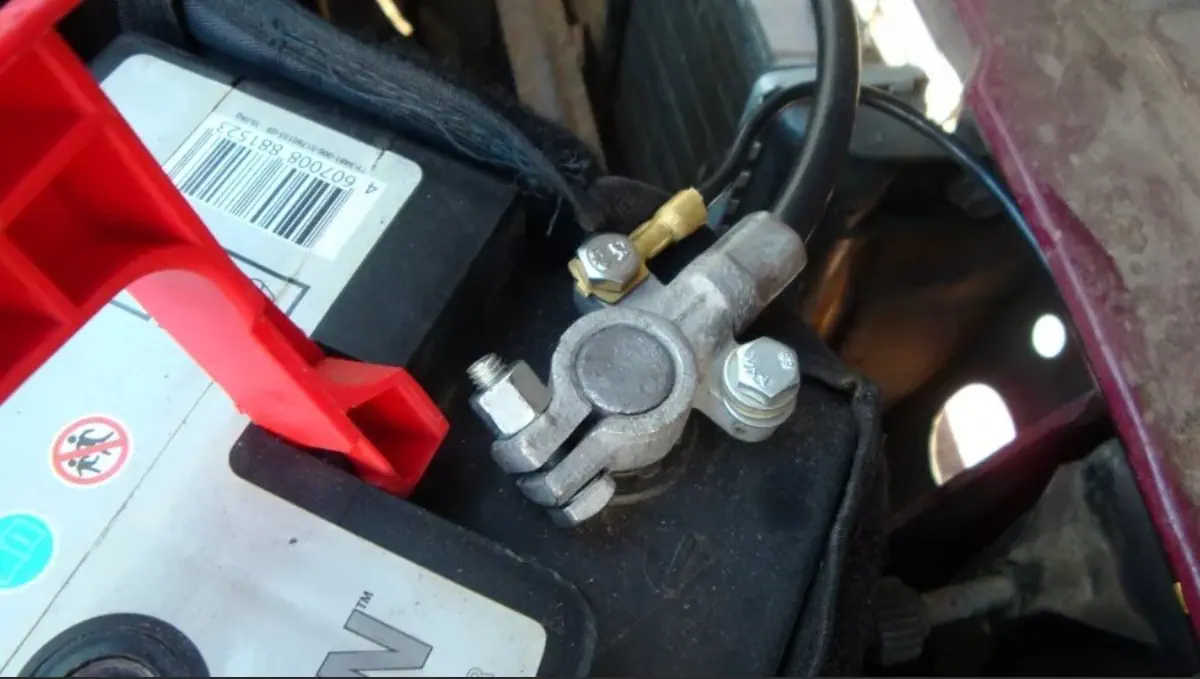
To determine the polarity, position the battery with its long side facing you and both terminals toward the same end of the battery.
If the positive terminal is closer to you and the negative terminal is farther away, the battery has positive-left polarity in this reference position.
If the negative terminal is closer to you and the positive terminal is farther away, the polarity is reversed.
Because truck batteries can vary in case design and terminal configuration, it's especially important to verify the exact battery specification for your vehicle before purchasing a replacement.
European-Style and Asian-Style Battery Cases
Terminal location isn't the only thing to check when buying a replacement battery. The physical design of the battery case also matters.
European-style batteries: The top of the case typically has a raised lip or stepped section around the terminal area. The tops of the terminals are generally positioned around the same level as the raised section.
Asian-style batteries: The top of the case is generally flat, without the raised lip found on many European-style designs. The terminals extend above the top surface of the battery.
These differences can affect how the battery fits into the vehicle and whether the hold-down hardware works correctly.
Common Mistakes to Avoid
Assuming polarity based on the vehicle's brand. The old idea that Japanese vehicles always use one polarity and European vehicles use another is unreliable. Battery requirements can vary between models, model years and markets.
Buying a battery by appearance alone. Two batteries can have the same capacity and still differ in physical dimensions or terminal placement. Before buying, compare the length, width and height of the old battery with the replacement.
Ignoring terminal height. Terminals that sit too high can potentially interfere with the hood or other components. In the worst case, contact with the vehicle's body can cause a short circuit.
Ignoring the battery hold-down. Even if the battery has the correct dimensions and terminal layout, it still needs to be securely mounted using the vehicle's specified hold-down system.
What If You Bought a Battery With the Wrong Polarity?
If you discover that you've purchased the wrong battery, don't try to extend the battery cables yourself, particularly the positive cable.
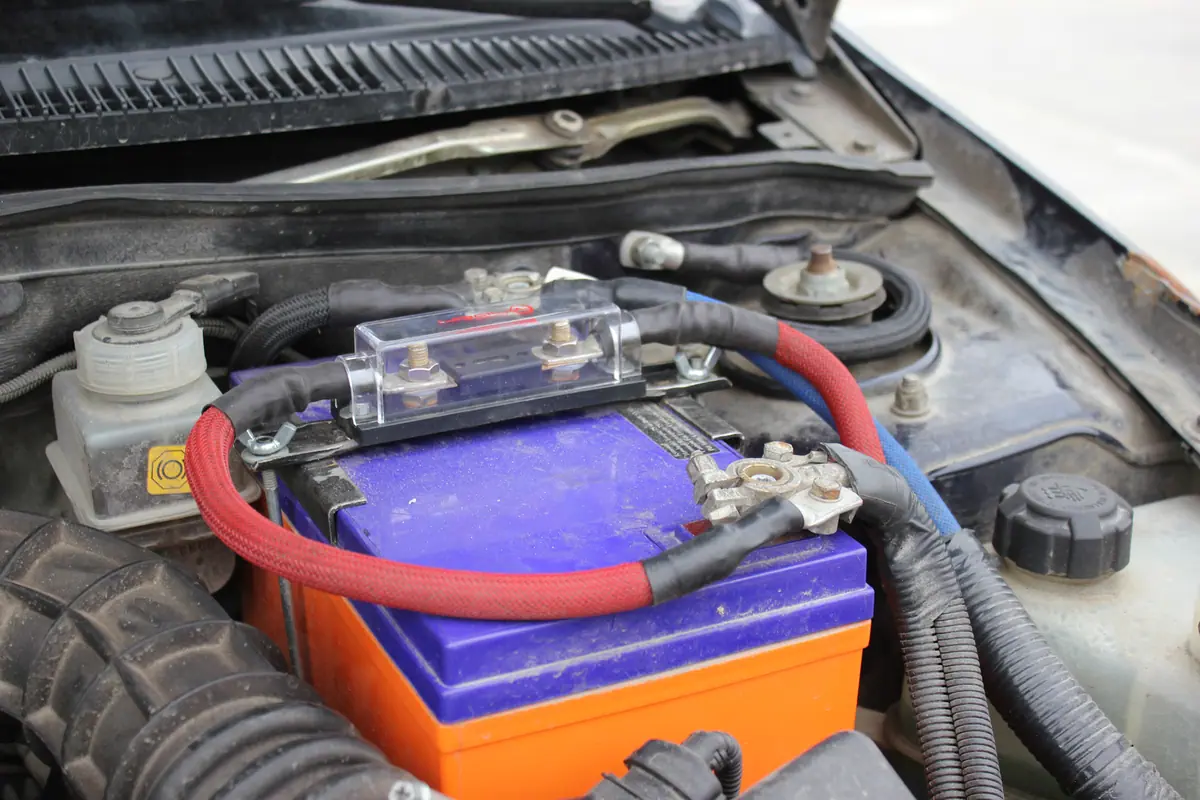
An improvised cable extension can introduce additional electrical resistance and create connection points that may heat up during operation. It can also compromise the reliability and safety of the vehicle's electrical system.
The better solution is to return the incorrect battery or exchange it for the correct one through the retailer. Policies vary by store, so check the seller's return requirements before making the purchase.
Finish
Determining battery polarity correctly can save time, prevent unnecessary expense and help protect your vehicle's electrical system.
Before buying a replacement battery, verify the terminal position, battery dimensions, terminal height, mounting arrangement and the battery specification recommended for your particular vehicle.
A few minutes spent checking those details can save you another trip to the parts store—and help prevent potentially expensive electrical problems.
You may also be interested in the news:

8 Car Maintenance Mistakes That Could Cost You Thousands if You Wait Too Long
Depending on driving conditions, some maintenance tasks may need to be performed sooner and more often than the automaker recommends.

How Long Will Your Car Last? A Guide to Making It Age Gracefully
Automotive experts explain how routine maintenance and timely replacement of aging components can help your car last longer.

Common Car Problems on the Road and How to Handle Them Yourself
A breakdown far from home can leave any driver stranded. Here’s how to assess the problem and decide what to do next.
Experienced Drivers Share Their Best Car Hacks: Better Visibility, a Cleaner Backup Camera, and Battery Care
Simple DIY fixes can improve visibility, protect your car’s finish, and make routine repairs easier without expensive tools or parts.

Your Car Key Has a Hidden Summer Feature—Here’s How to Open Your Windows Without Getting Inside
Holding your car key’s unlock button may lower the windows remotely, helping release heat before you climb inside.