
One Button in Your Car Can Help Cut Fuel Consumption: Drivers Told How to Save
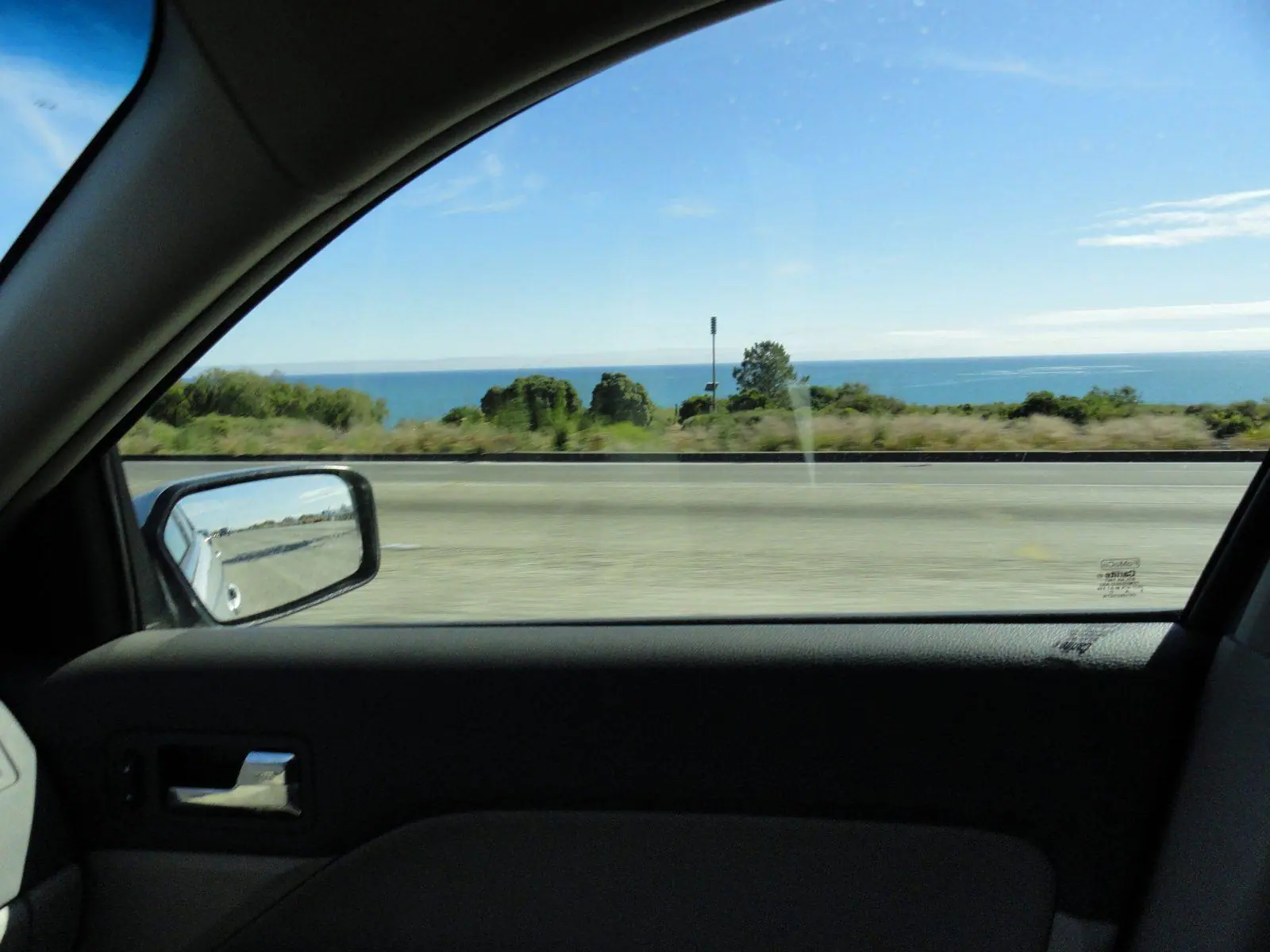
Fresh air may feel great inside the cabin, but open windows at highway speeds can hurt aerodynamics and increase fuel consumption.
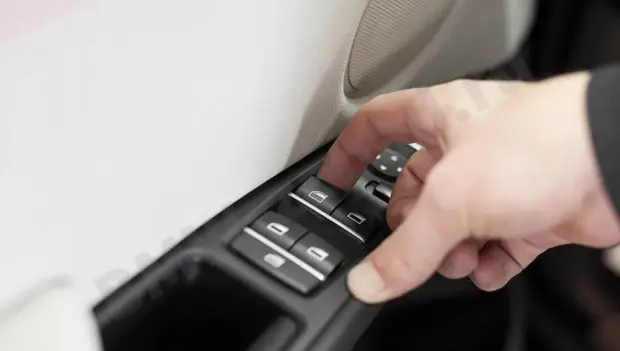
Drivers of gasoline- and diesel-powered vehicles have been given a simple piece of advice: Keep the windows closed when traveling at highway speeds.
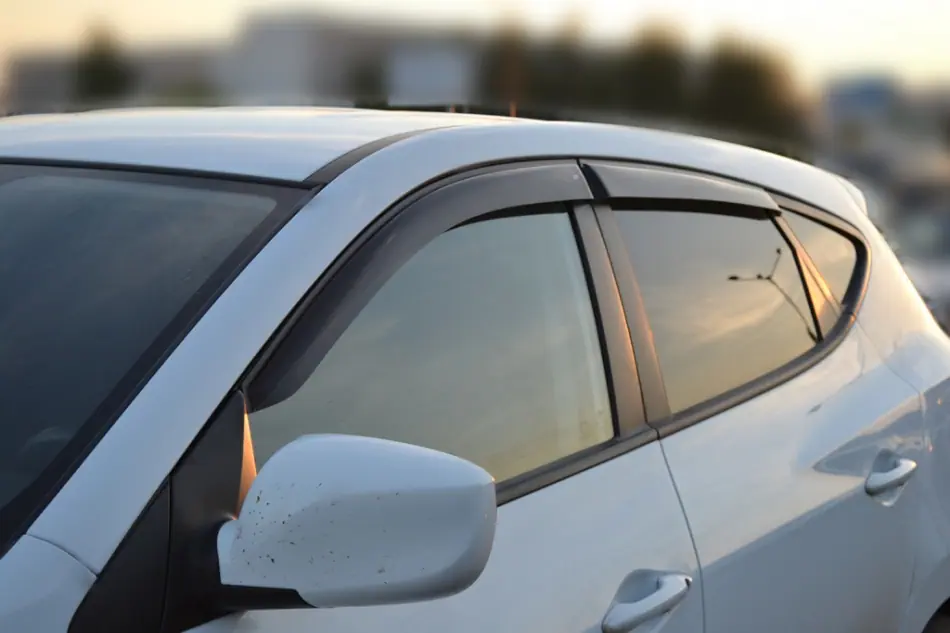
While the breeze coming through an open window can make a drive more comfortable, it also disrupts the vehicle's aerodynamics at higher speeds. That added drag forces the engine to work harder, which can increase fuel consumption by as much as 20%, according to previous research.
Using the air conditioner on a hot day can also increase fuel consumption, but the effect may be smaller than driving with the windows down. In other words, keeping the windows closed and running the A/C can be the more fuel-efficient option at highway speeds.
On modern vehicles, the windows can typically be controlled using switches on the doors, controls on the center console, or through the vehicle's infotainment system.
The advice comes as drivers continue to look for ways to stretch every gallon of fuel. Even relatively small changes in driving habits can add up to noticeable savings over time, particularly for commuters who spend a lot of time on the highway.
How Much Fuel Can a Start-Stop System Save?
Automatic start-stop technology, which shuts off the engine when a vehicle comes to a stop, is now common in modern cars. The system is designed to reduce fuel consumption, although many drivers still question how much difference it actually makes.
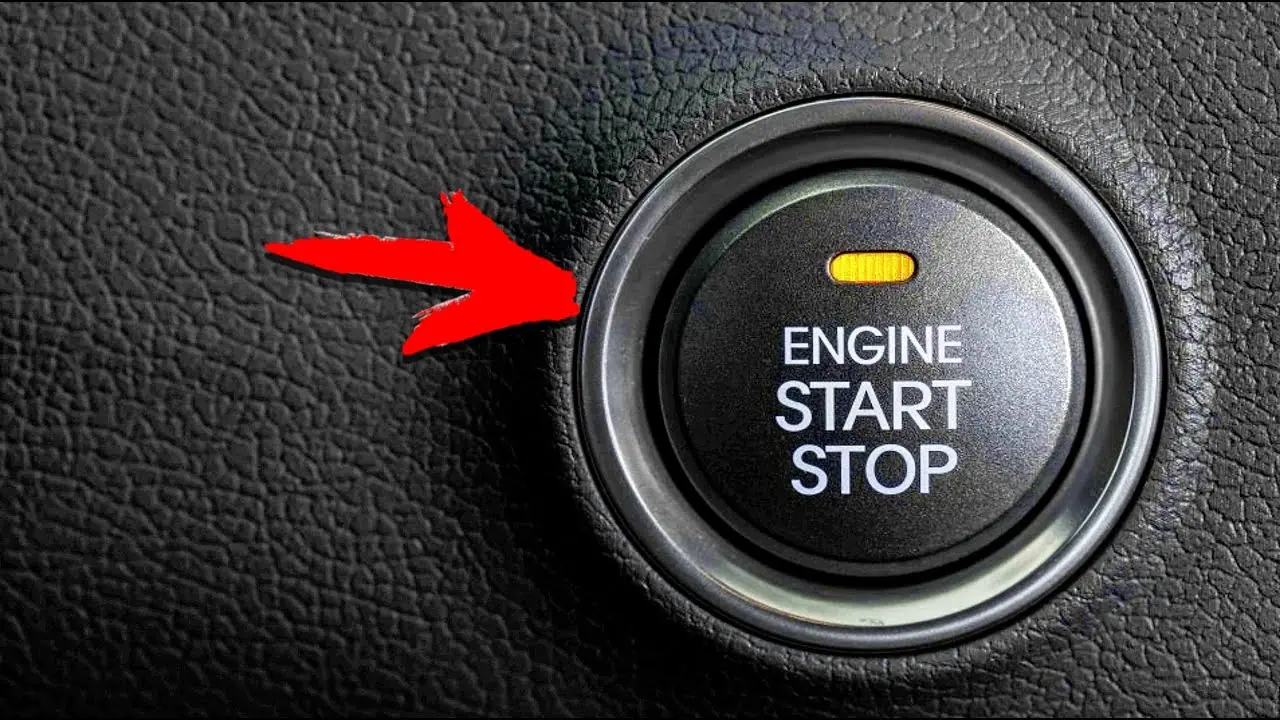
The technology works by switching off the engine when the vehicle is stopped at a traffic light or sitting in heavy traffic.
The engine then restarts automatically when the driver releases the brake or, in vehicles equipped with a manual transmission, presses the clutch pedal.
On average, the technology can reduce fuel consumption by about 4% to 8% during city driving. Under favorable conditions, particularly when stops are relatively long, the savings can reach as much as 15%.
Over the course of a year, drivers who make extensive use of the system could save the equivalent of several hundred dollars in fuel, according to the report.
Experts note, however, that the savings become more meaningful when a stop lasts longer than about seven seconds. Very brief stops have little effect on overall fuel costs because of how the vehicle's fuel and engine-management systems operate.
You may also be interested in the news:
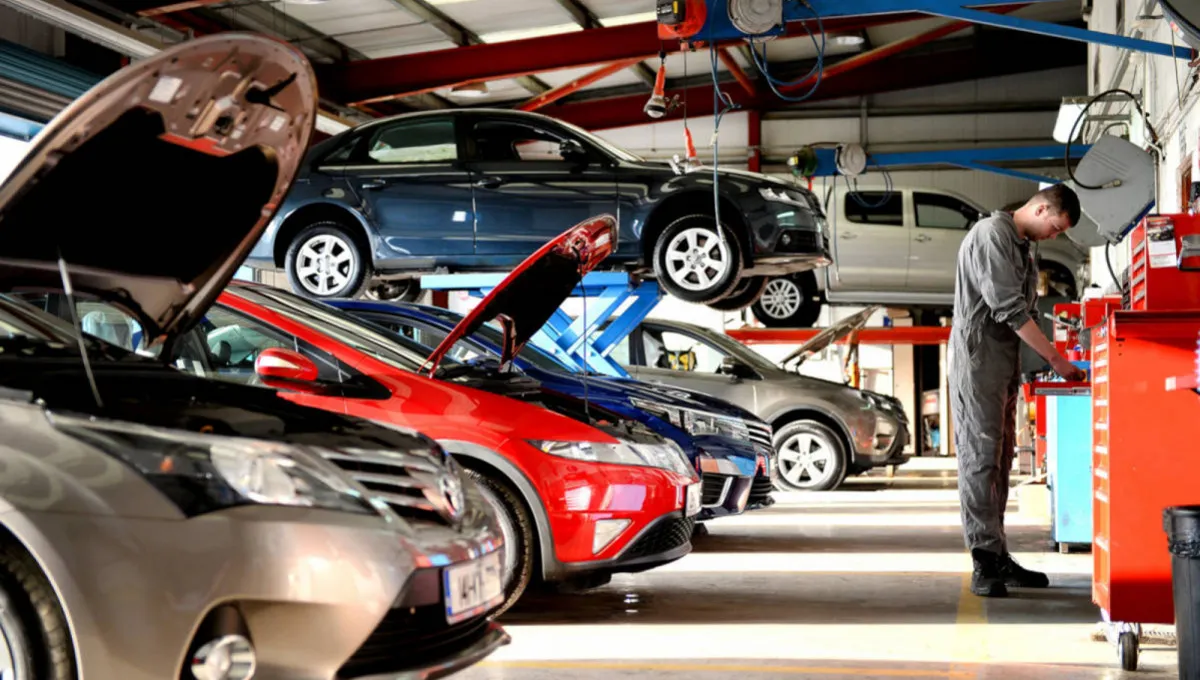
8 Car Maintenance Mistakes That Could Cost You Thousands if You Wait Too Long
Depending on driving conditions, some maintenance tasks may need to be performed sooner and more often than the automaker recommends.

How Long Will Your Car Last? A Guide to Making It Age Gracefully
Automotive experts explain how routine maintenance and timely replacement of aging components can help your car last longer.

Common Car Problems on the Road and How to Handle Them Yourself
A breakdown far from home can leave any driver stranded. Here’s how to assess the problem and decide what to do next.
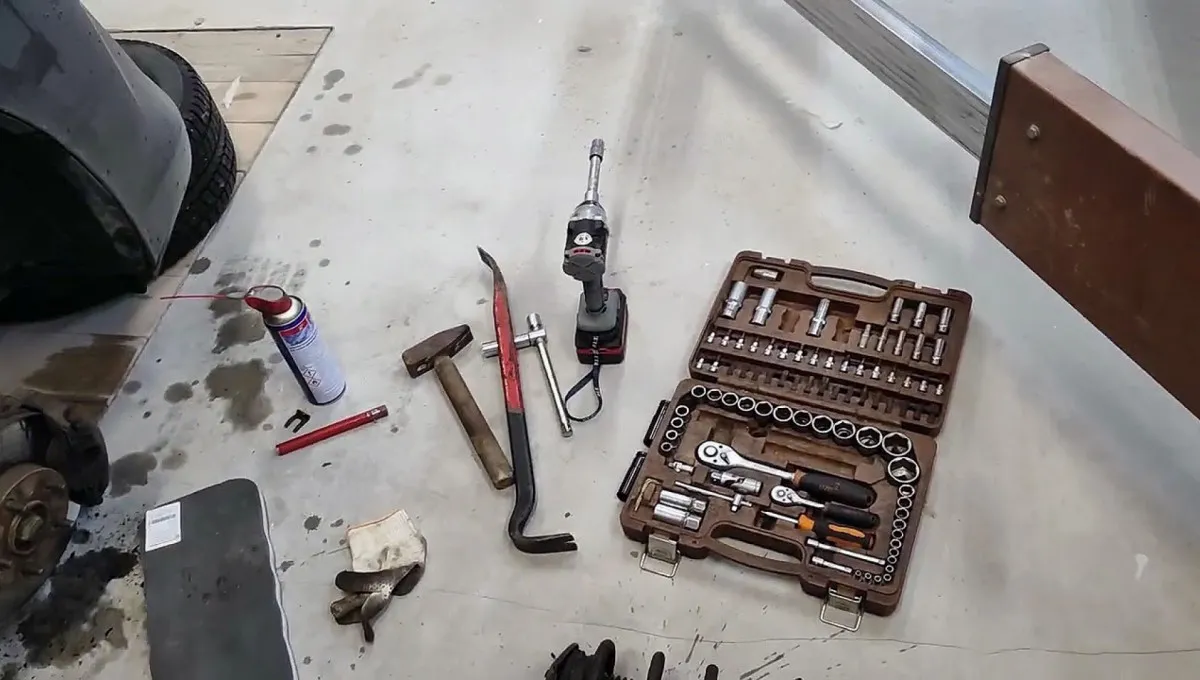
Experienced Drivers Share Their Best Car Hacks: Better Visibility, a Cleaner Backup Camera, and Battery Care
Simple DIY fixes can improve visibility, protect your car’s finish, and make routine repairs easier without expensive tools or parts.
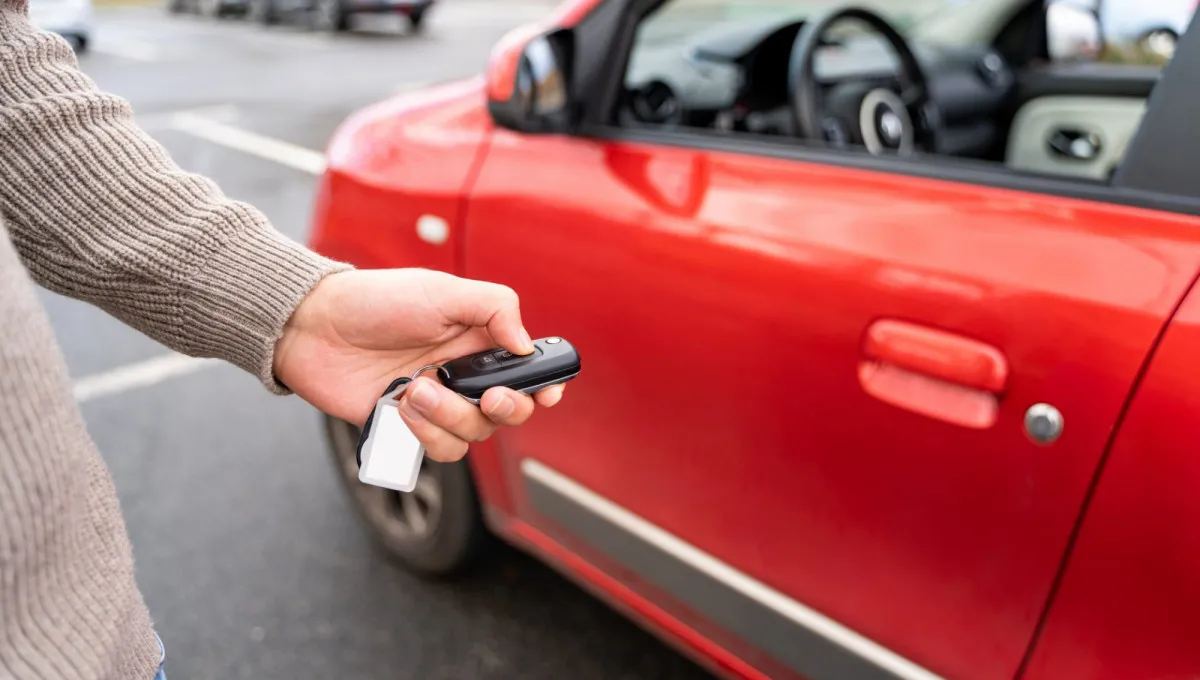
Your Car Key Has a Hidden Summer Feature—Here’s How to Open Your Windows Without Getting Inside
Holding your car key’s unlock button may lower the windows remotely, helping release heat before you climb inside.