
Why Do Automatic Cars Have a Neutral Gear? An Important Detail About Automatic Transmissions
With a manual transmission, it was simple: if you wanted to move, you selected a gear. If you didn't, you shifted into neutral.
With a manual transmission, things were pretty straightforward: if you wanted to move, you selected the appropriate gear. If you didn't, you shifted into neutral. The only situations that could cause some confusion were engine braking and moving the shifter into neutral just before coming to a stop.
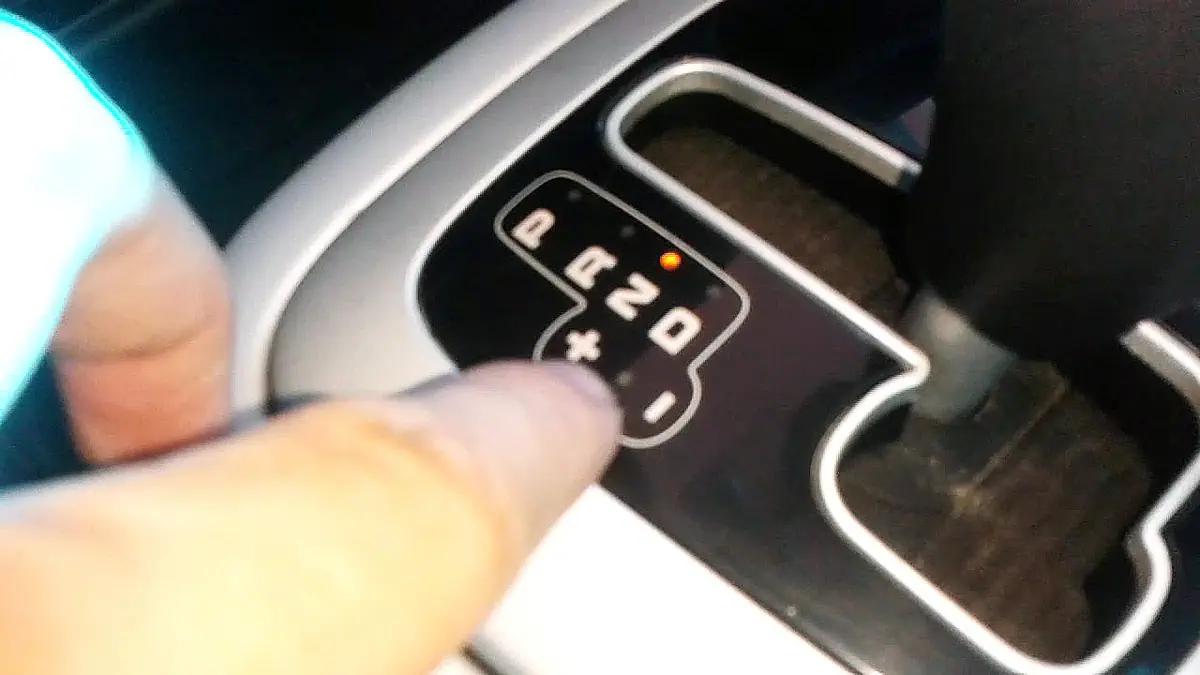
Engine braking can make braking more effective because, in this mode, the wheels have to keep turning the engine's crankshaft, using up some of the energy stored in the vehicle's motion. Keeping the drivetrain engaged also provides an added benefit on slippery surfaces by helping the vehicle remain more stable. But sitting at a red light with the clutch pedal held down is a bad habit that can cause unnecessary wear on the release bearing. That's something only truly inexperienced drivers tend to do.
With a manual transmission, the purpose of neutral is obvious. But why is there a Neutral position on an automatic transmission? After all, an automatic is designed so the driver can simply select a gear at the beginning of a trip and put the transmission in Park when the drive is over. At a red light, you're normally supposed to sit still with your foot on the brake.
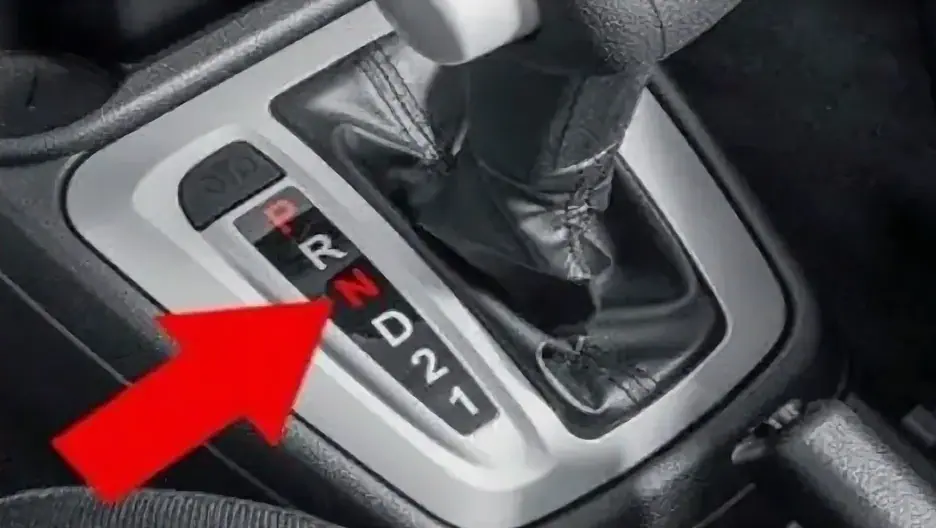
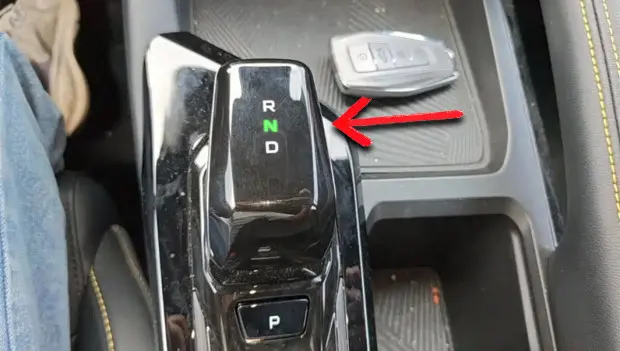
The answer is simple. Neutral disconnects the engine from the wheels, allowing the vehicle to roll freely. That can be useful in several situations. For example, the vehicle may need to be towed, winched onto a flatbed tow truck or simply pushed by hand inside a repair shop to position it properly on a lift. There are also times when technicians need to rotate the wheels without running the engine while diagnosing the suspension or drivetrain.
Unfortunately, there's a surprisingly common bit of confusion caused by habits carried over from driving a manual. If the reverse lights on a vehicle stopped in front of you at a traffic light suddenly flash on, it may mean an inexperienced driver has shifted the automatic transmission into Park for no apparent reason. Some drivers also select Neutral for the same reason, simply because that's what they're used to doing with a manual transmission. The problem is that the shifter usually passes through Reverse on its way to Park or Neutral, briefly activating the reverse lights.
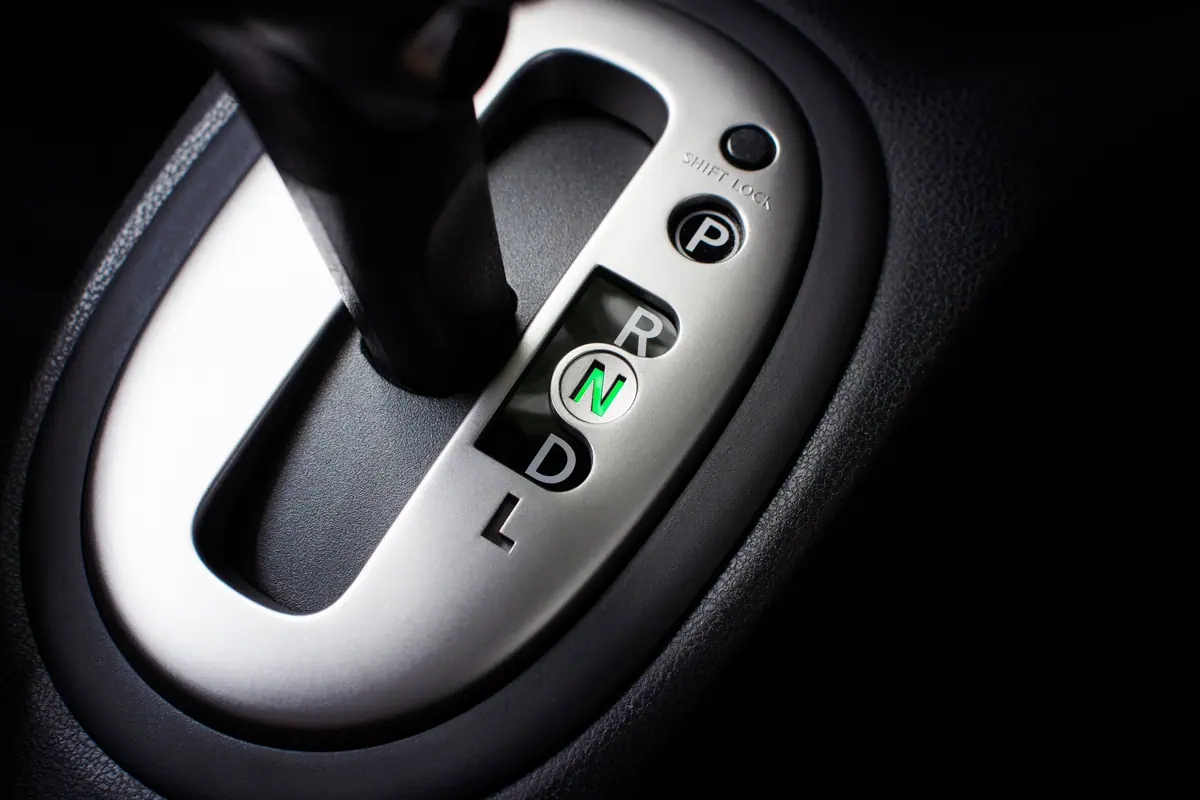
The only situation where putting an automatic transmission in Park at a stop might make sense is when you're waiting at something like a railroad crossing or a gate that could remain closed for 10 minutes or longer. In that case, shifting into Park can give your right foot a break. But Neutral is a different story, and using it unnecessarily can create a dangerous situation.
Drivers with manual transmissions are accustomed to the possibility that a vehicle can roll if it's left in neutral, especially on an incline. Automatic-transmission drivers generally don't have to think about that. Put the transmission in Park, and the vehicle is mechanically held in place. Leave it in Drive or Reverse, and your foot needs to stay firmly on the brake.
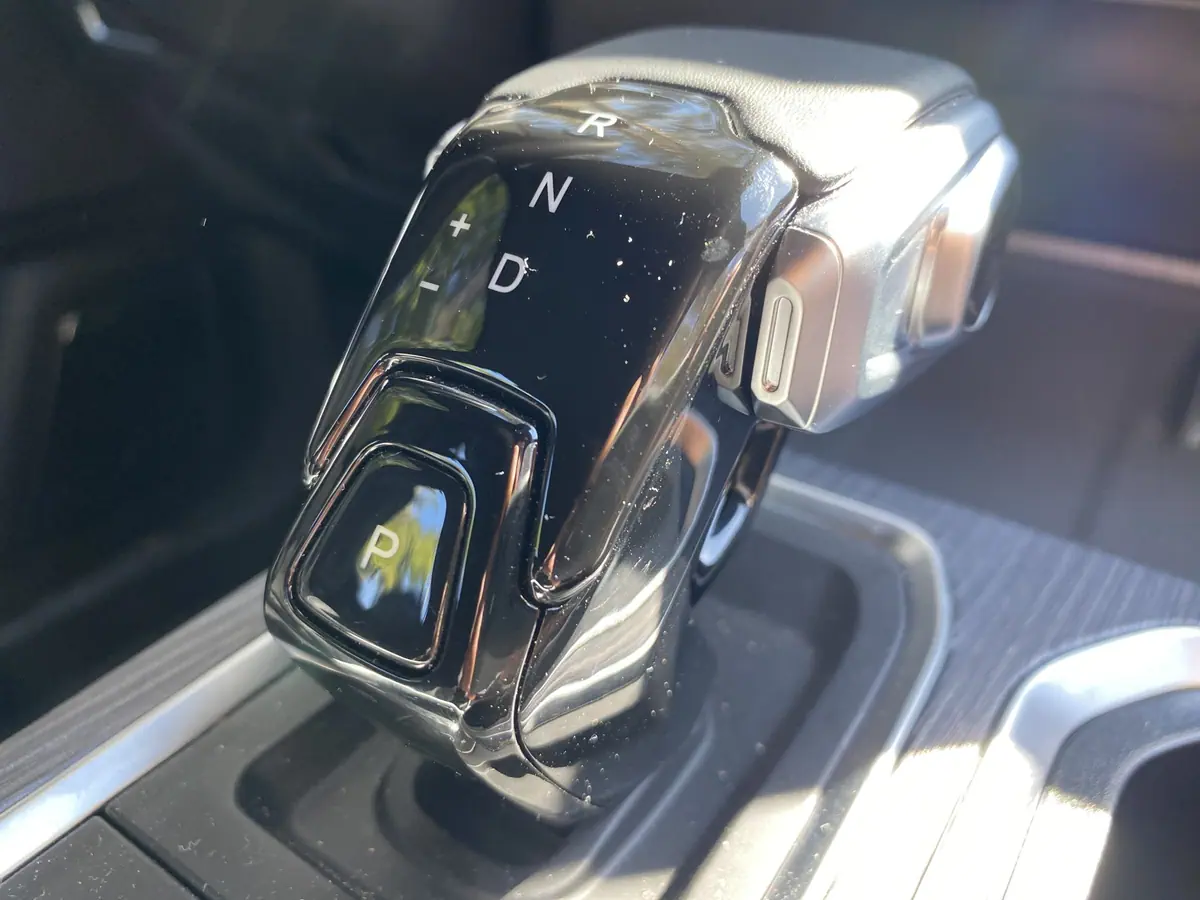
So why voluntarily put the vehicle in Neutral while you're stopped? If you're going to keep your foot on the brake anyway, what's the point? Neutral exists primarily to allow a vehicle to be moved when the engine isn't running, particularly during towing or service work.
That's really all there is to it. There's no need to make automatic transmissions more complicated than they already are.
You may also be interested in the news:
Hidden Key Fob Trick: Open All Your Car Windows With One Button
An auto mechanic explains how drivers can remotely open and close car windows using a key fob, provided the vehicle has the right hardware.
8 Car Maintenance Mistakes That Could Cost You Thousands if You Wait Too Long
Depending on driving conditions, some maintenance tasks may need to be performed sooner and more often than the automaker recommends.
How Long Will Your Car Last? A Guide to Making It Age Gracefully
Automotive experts explain how routine maintenance and timely replacement of aging components can help your car last longer.

Common Car Problems on the Road and How to Handle Them Yourself
A breakdown far from home can leave any driver stranded. Here’s how to assess the problem and decide what to do next.
Experienced Drivers Share Their Best Car Hacks: Better Visibility, a Cleaner Backup Camera, and Battery Care
Simple DIY fixes can improve visibility, protect your car’s finish, and make routine repairs easier without expensive tools or parts.