
Wheel Rims: The Different Types and How They Compare
Wheel rims come in several types, with differences in construction, weight, durability, repairability, and overall cost.
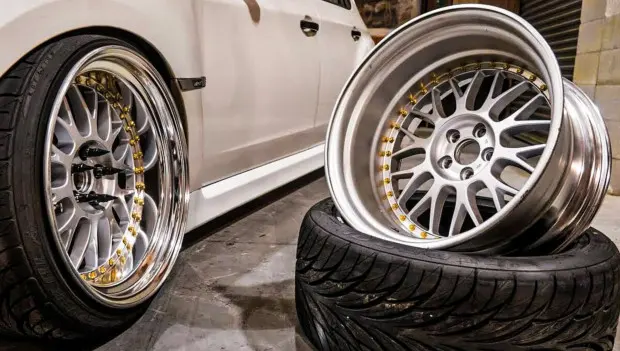
Choosing the right wheels is not as simple as it might seem. It takes some knowledge, along with a good feel for what works best for a particular vehicle. Wheels come in several different types, and each has its own important characteristics. Here's a look at the main options.
Today, wheels are generally divided by manufacturing method into stamped steel, cast, forged, and multi-piece designs. Stamped steel wheels remain the most common option by a wide margin. Forged wheels are chosen by a much smaller group of drivers, while multi-piece wheels remain something of a specialty product.
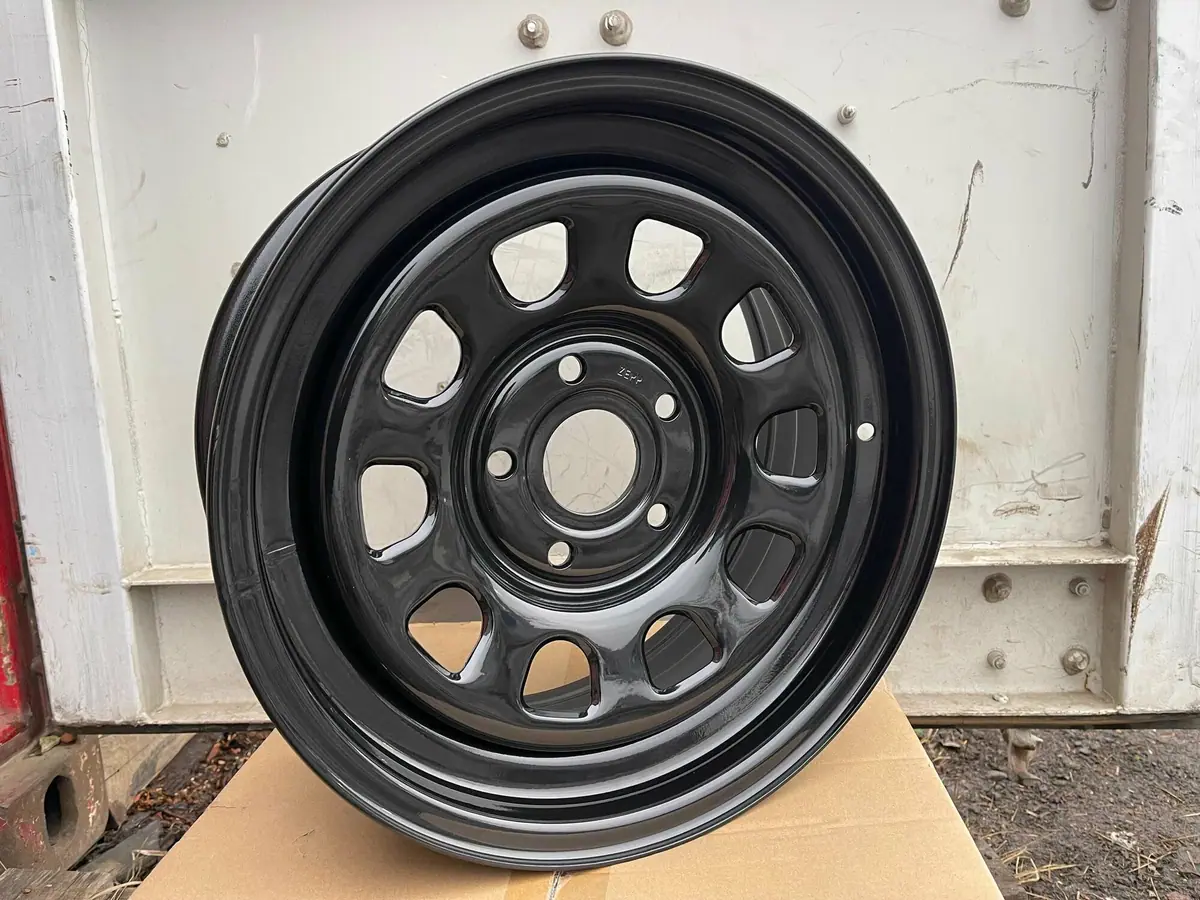
1. Stamped Steel Wheels
This is the budget option. Stamped steel wheels are relatively simple to manufacture and are made from rolled carbon steel. As the name suggests, the components are stamped on a production line. The rim and center section are manufactured separately and then joined by welding. The finished wheel is then covered with a protective coating.
These wheels are commonly found on base-model vehicles and remain popular with a large number of drivers. They're relatively inexpensive and can be repaired. When subjected to a hard impact, a steel wheel typically bends, absorbing a significant portion of the force transferred to the wheel. In that sense, the wheel can take the hit instead of passing all of the impact on to the vehicle's suspension.
The drawbacks include a basic, utilitarian appearance, relatively high weight, and limited protection against the elements. That extra weight can also hurt a vehicle's performance and increase fuel consumption.
2. Cast Wheels
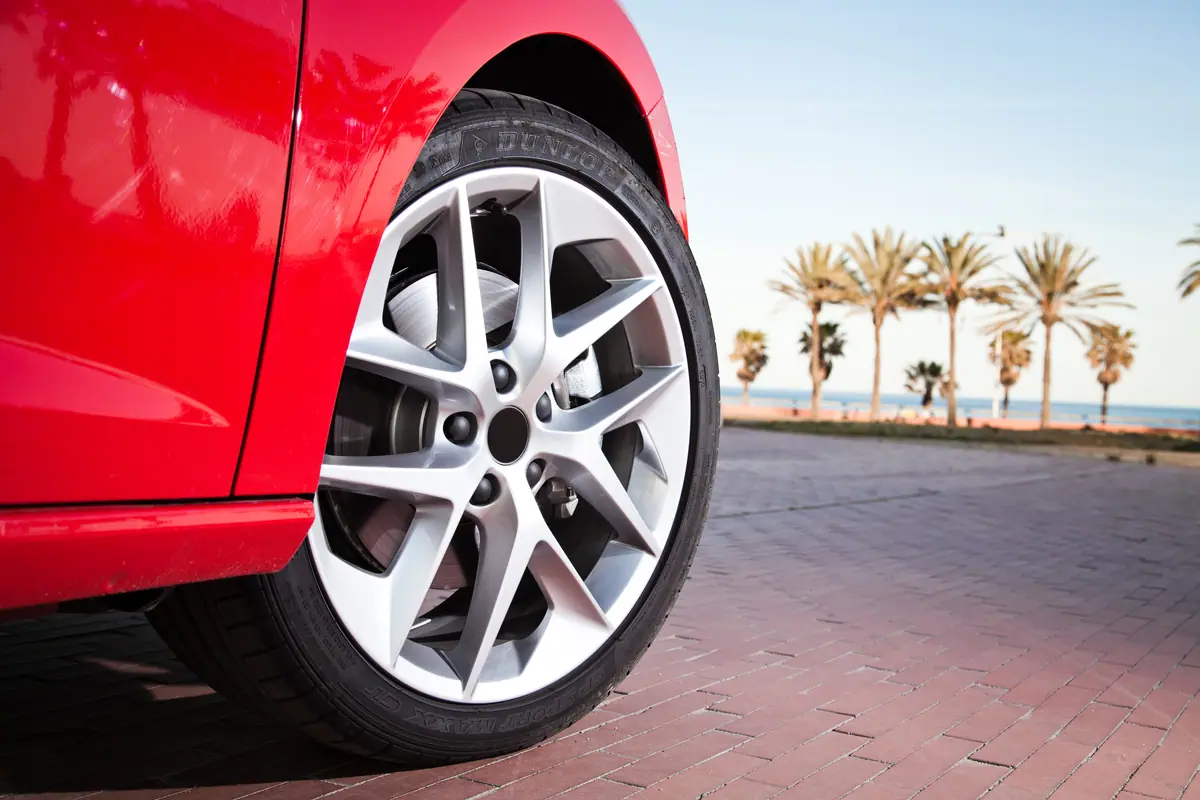
Cast wheels are produced using a specialized mold. Unlike stamped steel wheels, they are made from lighter alloys rather than steel. Aluminum is the most common material, although titanium and magnesium examples also exist. Cast wheels are often polished, clear-coated, or painted.
Their main advantages include greater resistance to corrosion, increased strength, lower weight compared with stamped steel wheels, and a more attractive design.
The trade-offs include greater brittleness and less flexibility. Cast wheels also cost considerably more and, most importantly, can be difficult to repair. They can withstand significantly greater mechanical loads than steel wheels in some situations. However, once the load exceeds their limit, they are more likely to crack rather than simply bend.
It's also worth adding that while repair methods for cast wheels do exist, such repairs are widely prohibited by technical regulations.
3. Forged Wheels
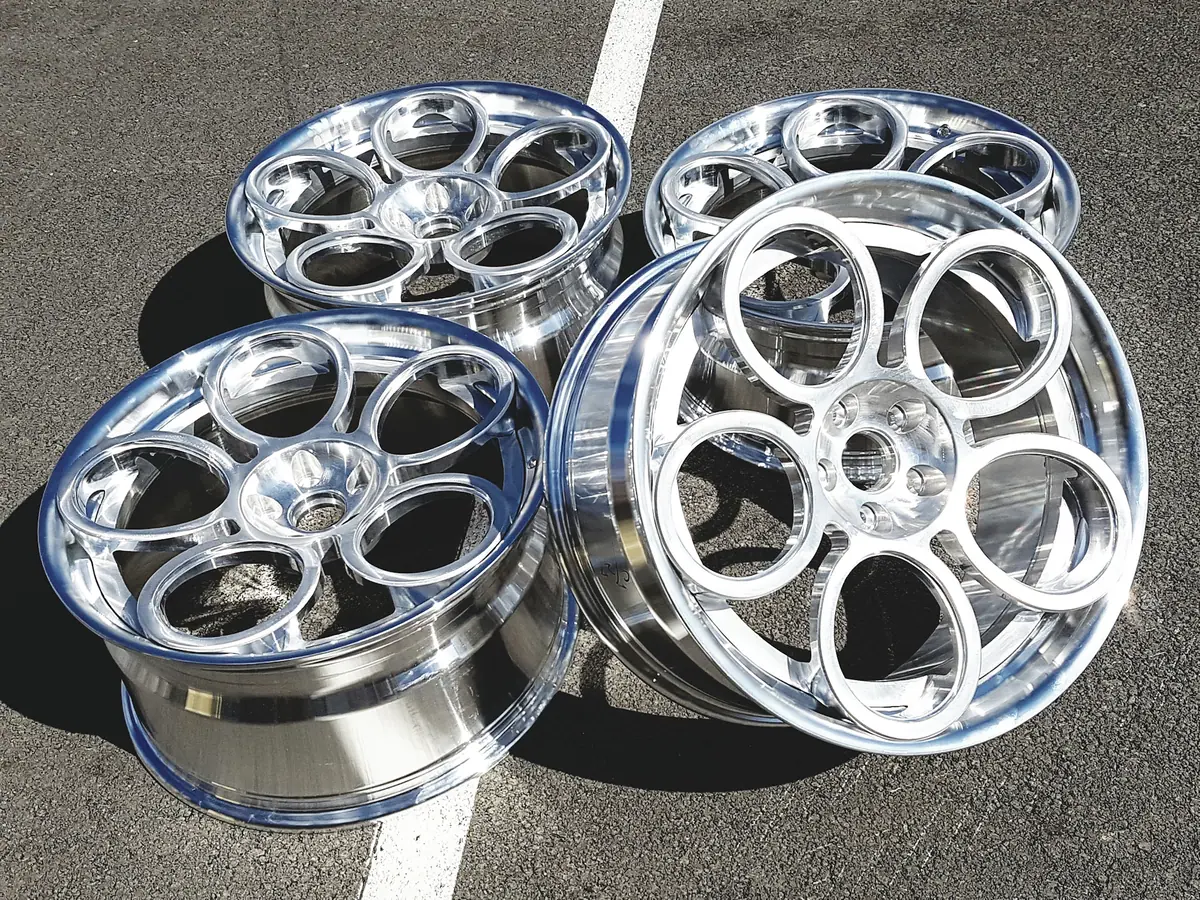
On the mass-market aftermarket, forged wheels are considered the true high-end option. They are most commonly made from aluminum alloys with high concentrations of magnesium and titanium. Manufacturing involves forging and subsequent machining. The wheel's design is generally finalized individually on a CNC milling machine.
The advantages are clear: forged wheels combine low weight, strength, and an appealing appearance. When cast and forged wheels are compared, forged wheels are generally lighter. For driving enthusiasts, they are undoubtedly a top choice.
Forged wheels also retain a significant degree of flexibility. In a severe impact, they can deform rather than break.
The main drawback of this high-end option is equally obvious: quality comes at a price. The cost is not the only issue. Forged wheels also require more manufacturing time, and relatively few manufacturers are equipped and willing to produce them.
4. Multi-Piece Wheels
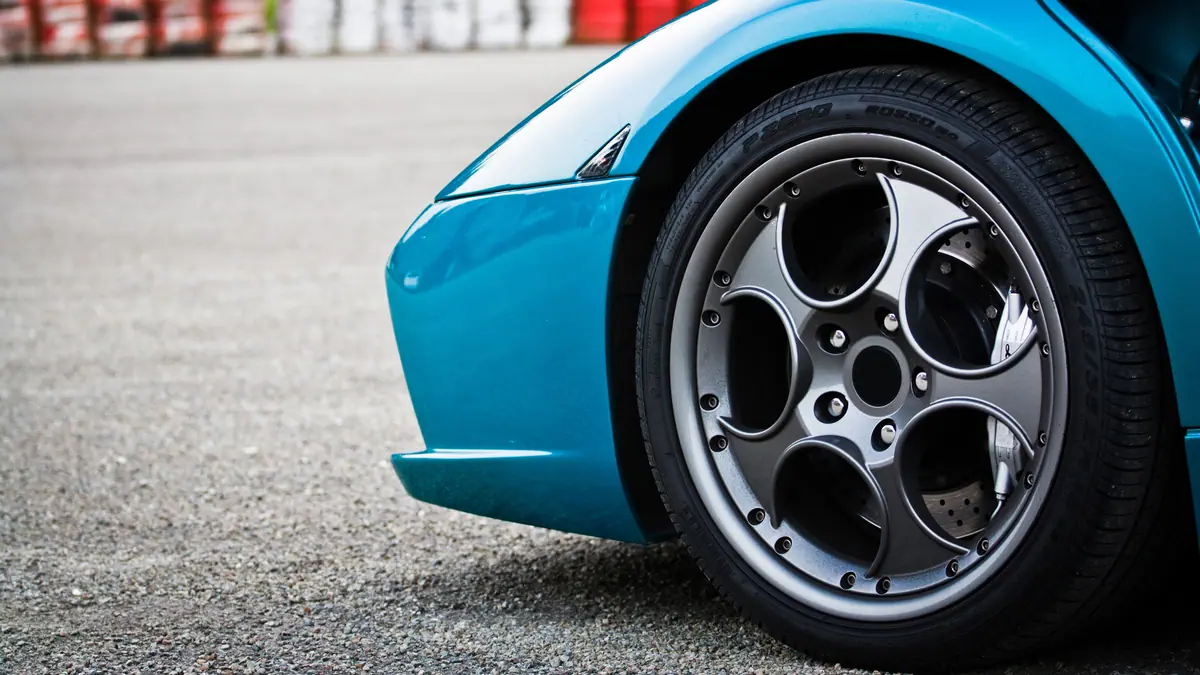
Multi-piece wheels are a genuine specialty product. Their defining feature is that they are made up of several separate components. Broadly speaking, these include the rim and the center section. The pieces are joined using traditional bolts, although the complete construction involves considerably more components and details.
The main advantage is flexibility. Different materials can be selected for different parts of the wheel. The multi-piece design also makes it possible to replace individual components when necessary.
You may also be interested in the news:
“Are You Sure It’s Chinese?” Who Really Builds China’s Car Engines
Who Really Develops China’s Car Engines?
Why Experienced Drivers Still Warn Against Buying a Used Car With a CVT
CVTs offer smooth acceleration and good fuel economy, but expensive repairs and durability concerns make used models risky.
What Does the 99% Patch Mean to Bikers? The History Behind the Motorcycle Symbol
The 99% biker label separates everyday motorcycle enthusiasts from outlaw culture, carrying a message rooted in American motorcycle history.
Drivers Are Seeing Strange Pink Signs on the Road—What They Say Is Surprising Everyone
A new roadside campaign uses personalized messages to praise safe drivers, offering a different approach to speeding warnings.
Tank Crossings, Duck Warnings and More: America’s Weirdest Road Signs Are Real
From tank crossings to duck warnings, America’s roads feature unusual signs that alert drivers to unexpected hazards.