
How Fast Can Tires Go? The Answer May Surprise Many Drivers
Even tires of the same size can have very different maximum speed ratings.
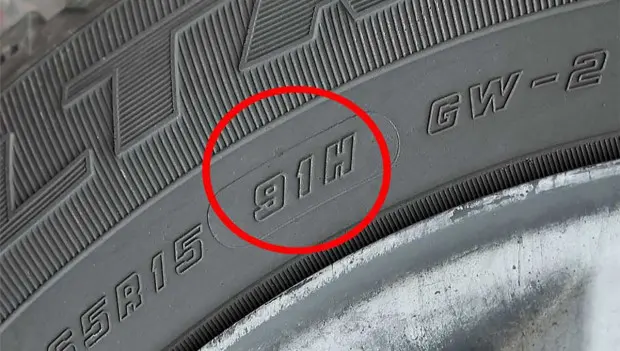
Today's tire market offers an enormous selection of tread patterns, designs and performance levels. What many drivers may not realize, however, is that tires with exactly the same dimensions can have very different maximum speed ratings. That can come as a surprise when shopping for replacement tires. Auto30 takes a closer look at how to determine how fast a tire is designed to go.
Key Tire Ratings
Every automotive tire has two important ratings: its load index and speed rating. The load index indicates the maximum weight the tire is designed to support, while the speed rating specifies the maximum speed at which the tire can operate under the conditions defined by the tire manufacturer.
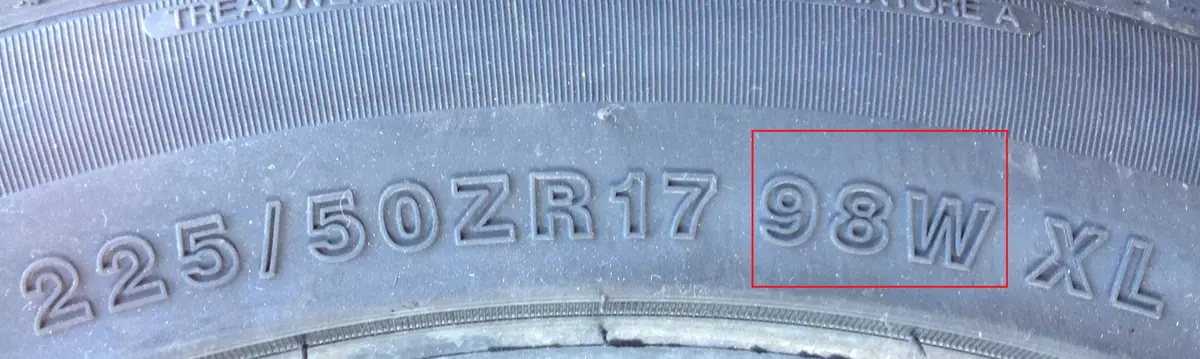
Tires with the same dimensions can have completely different speed ratings. For example, one tire in size 215/55R17 may carry an H speed rating, which corresponds to a maximum speed of 130 mph. Another tire in the same size may have a V rating, allowing speeds of up to 149 mph. Both tires can have the same load index of 93, which corresponds to a maximum load of about 1,477 pounds per tire.
Where to Find a Tire's Speed Rating
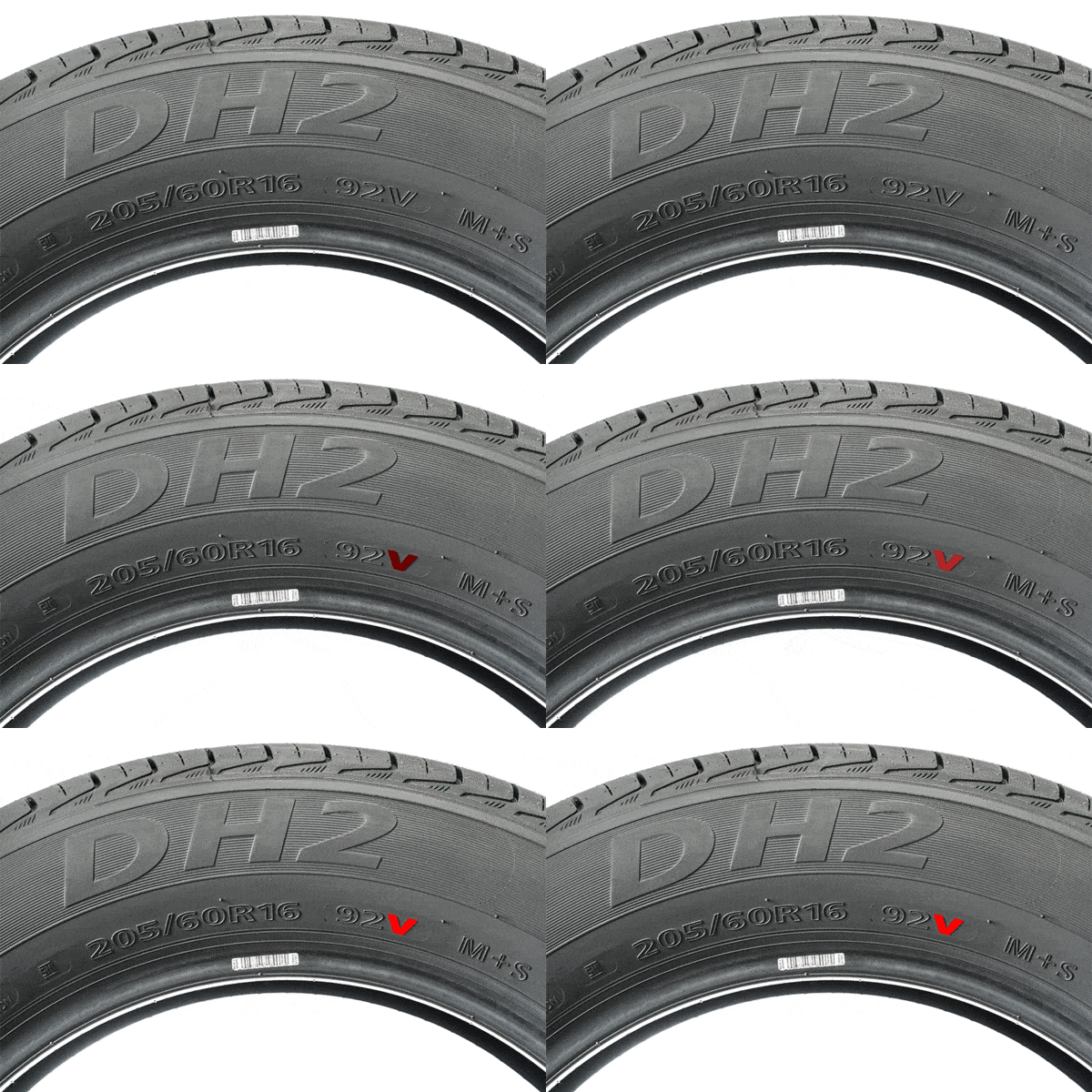
The load index and speed rating are printed on the sidewall of every tire. They appear together as part of the tire's service description.
The vehicle manufacturer's recommended tire specifications can also be found in the owner's manual or on the tire-information placard, typically located on the driver's-side doorjamb.

How Tire Speed Ratings Are Labeled
The tire industry uses letters to designate speed ratings, with each letter corresponding to a specific maximum speed:
- Q — up to 99 mph
- R — up to 106 mph
- S — up to 112 mph
- T — up to 118 mph
- H — up to 130 mph
- V — up to 149 mph
- W — up to 168 mph
- Y — up to 186 mph
It's worth noting that a tire's speed rating isn't simply a recommendation to drive at that speed. It is a standardized rating based on specific test conditions, and real-world factors such as tire condition, load, temperature, road conditions and inflation pressure can affect performance and safety.
What's the Difference Between High- and Low-Speed-Rated Tires?
Choosing a tire with a particular speed rating is a compromise between several aspects of driving performance, not simply a question of the vehicle's top speed.
Tires with higher speed ratings generally use construction and rubber compounds designed to provide stronger grip and improved handling at higher speeds. In some cases, that can also translate into better braking performance. The tradeoff may be faster tread wear and a firmer ride.
Tires with lower speed ratings offer a different balance. They may provide somewhat less high-speed handling capability, but can deliver a more comfortable ride and, depending on the tire, longer tread life.
For that reason, drivers should generally follow the vehicle manufacturer's recommended tire size, load index and speed rating rather than choosing a tire based on size alone.
You may also be interested in the news:

These 8 Cars Went Over 1 Million Miles — They Just Don’t Build Them Like They Used To
Some cars outlast generations of owners, proving that careful maintenance and durable engineering can deliver extraordinary mileage.

The 1957 Dodge: How “Autodynamics” Shaped One of Detroit’s Boldest Designs
The 1957 Dodge Looked Like a Dream Car, but Its Biggest Flaw Was Hiding Beneath the Surface.

Two Ferrari F40s Spotted on Google Maps Turn Out to Be Pontiac Fiero Replicas
Two Ferrari F40 lookalikes spotted on Google Maps in Spain turned out to be replicas built on an American sports car.
Your Speedometer Says 65 MPH, but Your GPS Says 62 — Here’s Why Your Car Does That
Your speedometer reads 65 mph, but your GPS says 62 mph. Here’s why the numbers rarely match.

“Are You Sure It’s Chinese?” Who Really Builds China’s Car Engines
Who Really Develops China’s Car Engines?