
How to Remove Tar from Your Car: DIY Tips That Actually Work
Sticky dark stains can damage your car’s paint if you don’t remove them in time.
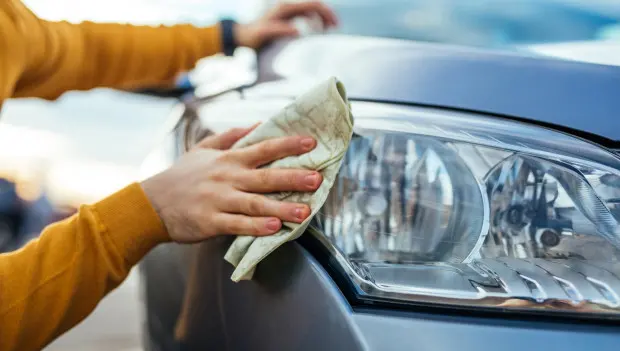
Tar is a thick, petroleum-based substance used in road construction and repair. When it heats up—from sunlight or the friction of tires—it softens and easily sticks to your car’s body. You’ll usually find these black spots around the wheel arches, side skirts, lower doors, and bumpers.
The longer tar stays on your vehicle, the harder it becomes to remove. That’s why it’s best to act fast.
Before you start cleaning, take these steps:
-
Wash the car to remove loose dirt and dust so you don’t scratch the paint while scrubbing.
-
Let the body cool down—never try to remove tar right after driving, especially on a hot day.
-
Work in the shade; direct sunlight dries the tar and makes it tougher to clean.
-
Test any new cleaning product on a small, hidden area first to make sure it doesn’t damage the paint.
-
Always wear gloves and work in a well-ventilated area. Tar removers and solvents are toxic. If you’re working indoors, like in a garage, wear a respirator.
What Not to Use
Avoid these tools and products—they can cause serious damage to your car’s finish:
-
Abrasive sponges or brushes can scratch the paint.
-
Metal scrapers leave deep marks.
-
Harsh solvents (acetone, gasoline, mineral spirits) may eat away at the paint or leave dull streaks.
-
High-pressure washers can push tar deeper into the surface.
How to Remove Tar with WD-40
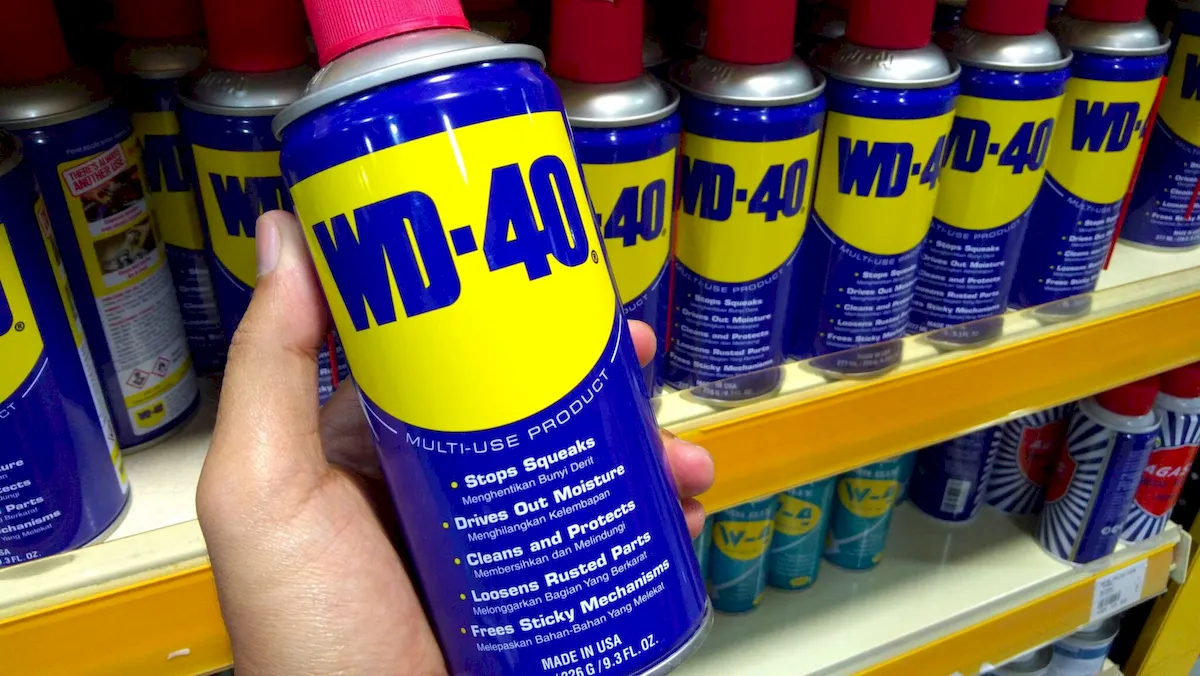
WD-40 is a versatile cleaner that can even handle tough tar stains. Here’s how to use it:
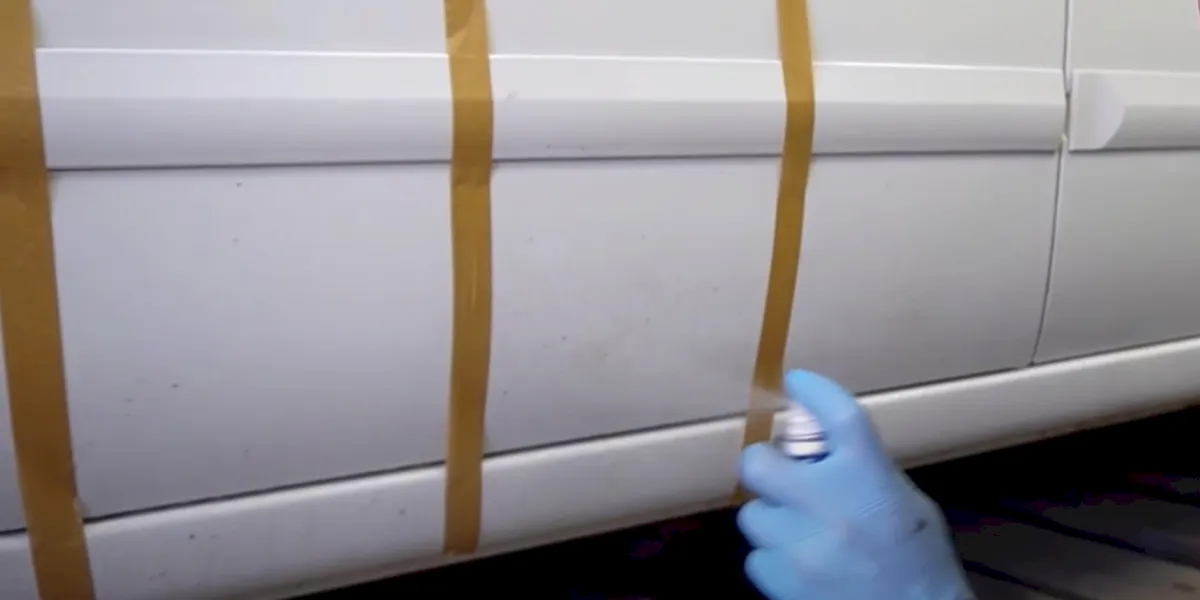
Shake the can and spray WD-40 directly on the spots. Let it sit for about 3–5 minutes.
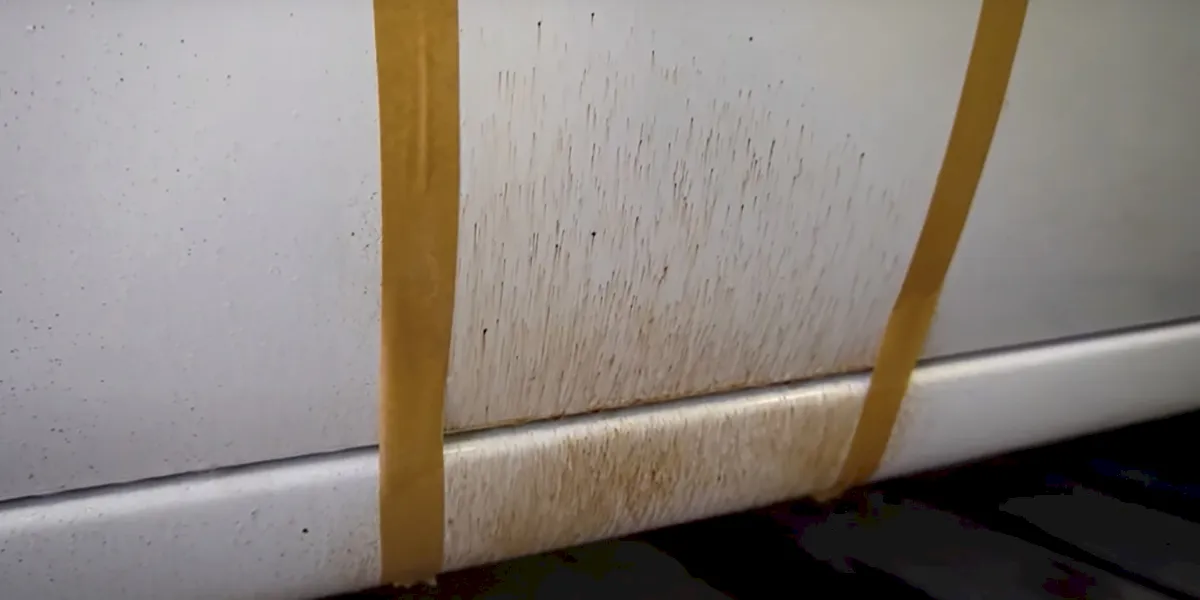
Wipe off the softened tar with a soft, clean cloth.
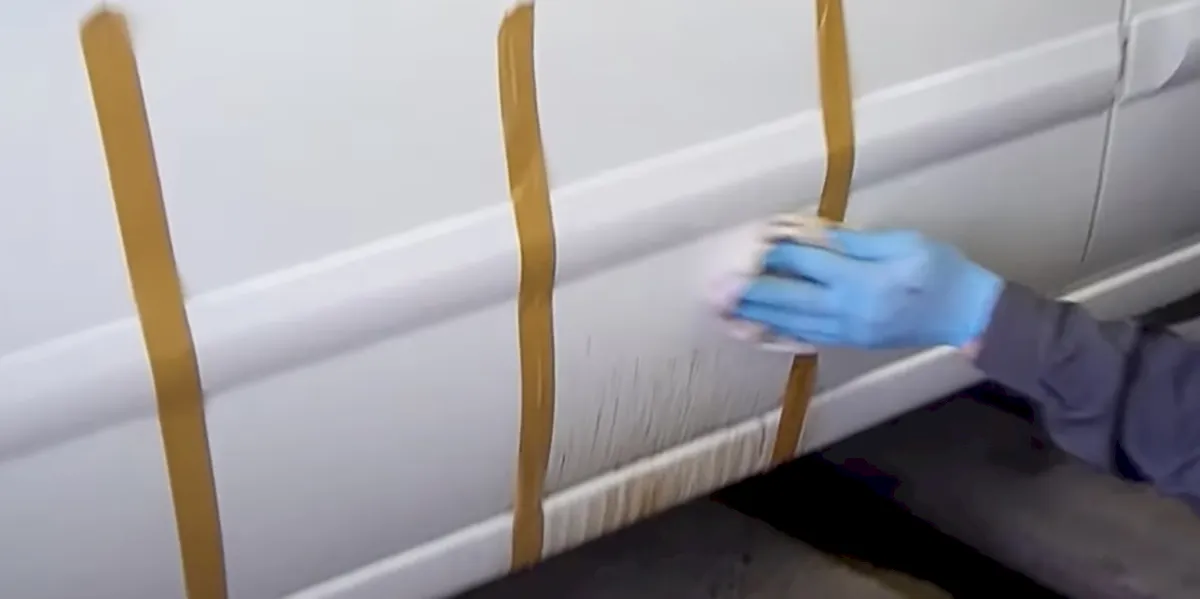
Wash the treated area with car shampoo and water to remove any oily residue.
How to Remove Tar with Gasoline
This old-school trick isn’t ideal, but many DIYers still swear by it.
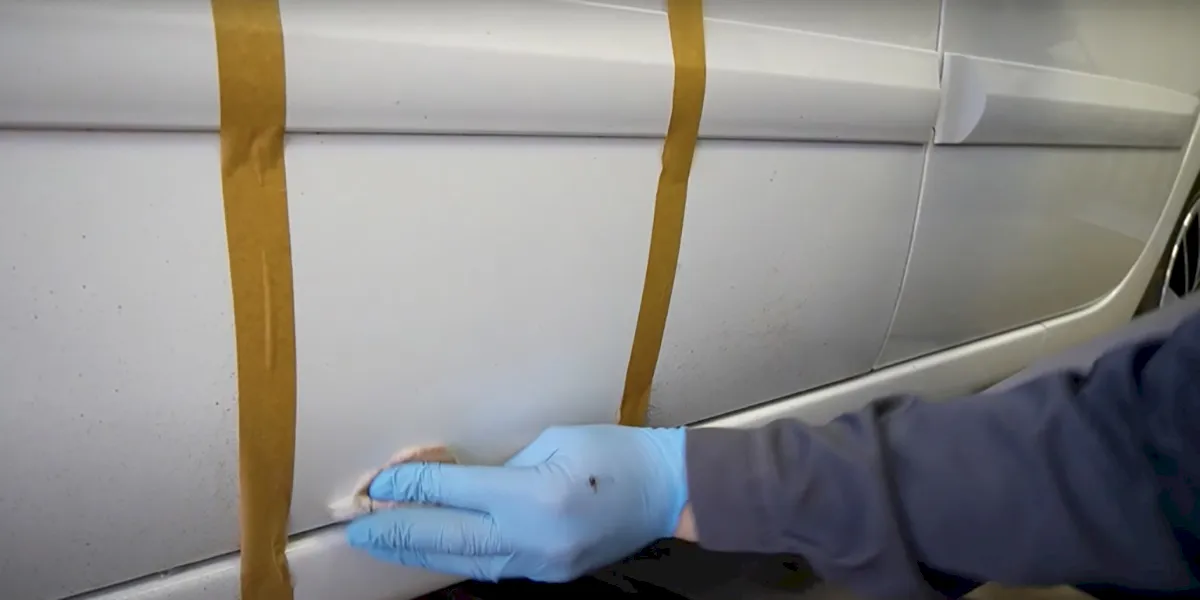
Apply a bit of gasoline to a rag or directly on the spot.
Gently rub the area until the tar loosens.
Repeat as needed until the stains disappear.
(Just remember: gasoline is harsh on paint and not recommended for regular use. Always rinse thoroughly afterward.)
You may also be interested in the news:
When the First Freeze Hits, Put Newspaper Under Your Floor Mat: An Old Winter Driving Trick
Newspaper under a floor mat can help protect a car's floor from winter moisture, but it requires regular attention.
How a Repair Shop Can Overcharge You: What Every Driver Should Know
An experienced mechanic knows how to increase a repair bill, and drivers should know what to watch for before approving work.
How to Find the Source of a Car Interior Rattle in 15 Minutes
A simple trick can help drivers pinpoint an annoying interior rattle without taking apart half the cabin or visiting a repair shop.
The Dent Can Disappear Without a Trace: How to Repair Car Body Damage Without Paint
Paintless dent repair can restore a damaged panel to its original shape, but only when certain conditions are met.
What Does a Flashing Red Traffic Light Mean? Can You Keep Driving?
Drivers must come to a complete stop at the stop line before deciding whether it is safe to proceed.