
Soon on All Highways of the USA: Tesla Reveals Semi's Official Specifications As It Prepares for the Start of Production
With the Tesla Semi edging closer to mass production, the automaker has finalized the truck’s core technical details.
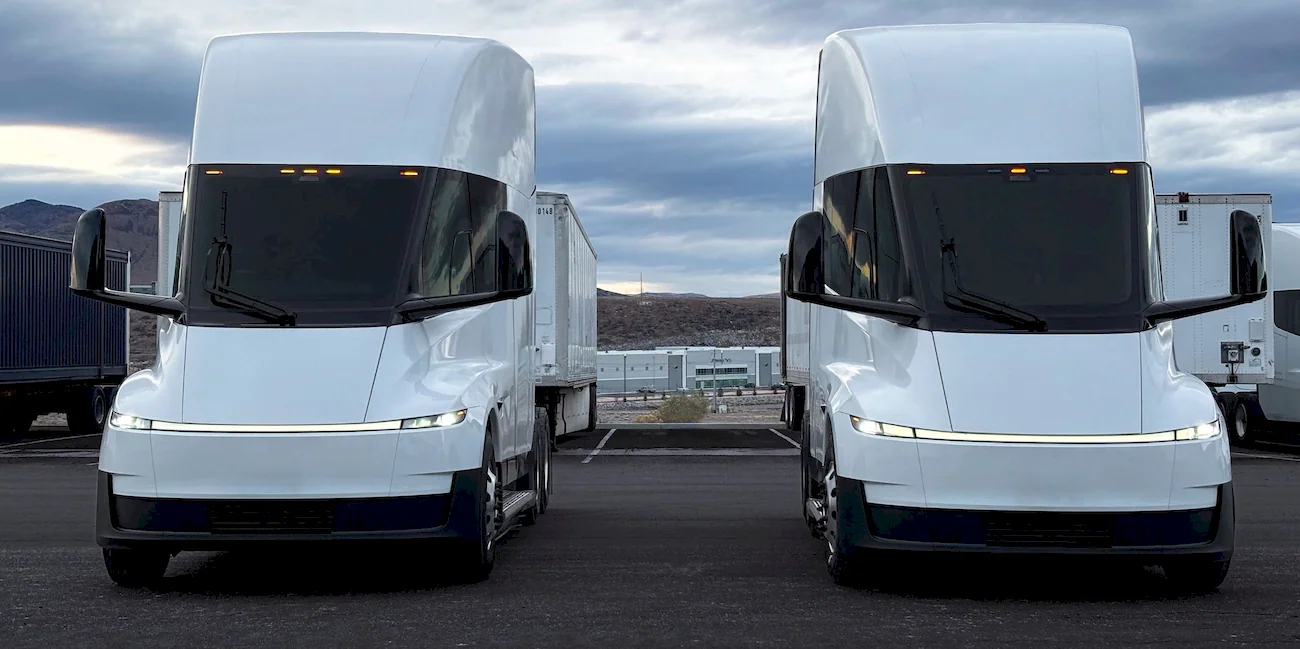
With the Tesla Semi approaching full-scale manufacturing, Tesla has officially locked in the vehicle’s specifications. Encouragingly, the production version closely mirrors the range and performance figures previously demonstrated by prototype models.
When Tesla unveiled the Semi in 2017, the company positioned the electric Class 8 truck as a game changer for freight transport. The Semi was meant to play a central role in Tesla’s mission to cut emissions worldwide, targeting one of the dirtiest sectors on the road: long-haul trucking. Yet nearly a decade after its debut, progress on the Semi has been slower than many expected.
Compounding matters, the truck arrives amid broader challenges for Tesla’s vehicle business. Elon Musk once projected annual production of 20 million cars by 2030, but the company fell far short of that trajectory. Even in its strongest year, 2023, Tesla didn’t come close to that target. Since then, deliveries have slid to roughly 1.6 million vehicles in 2025, with 2026 shaping up to be even more difficult.
How these trends affect the Semi remains to be seen, but Tesla continues to develop its dedicated production site in Nevada. Back in 2024, the company said volume manufacturing would begin in 2026, and that timeline still appears achievable. Tesla has now refreshed its website with the official specs for its electric heavy-duty truck. Compared to recent launches like the Cybertruck, the Semi seems to adhere more closely to Tesla’s original commitments.
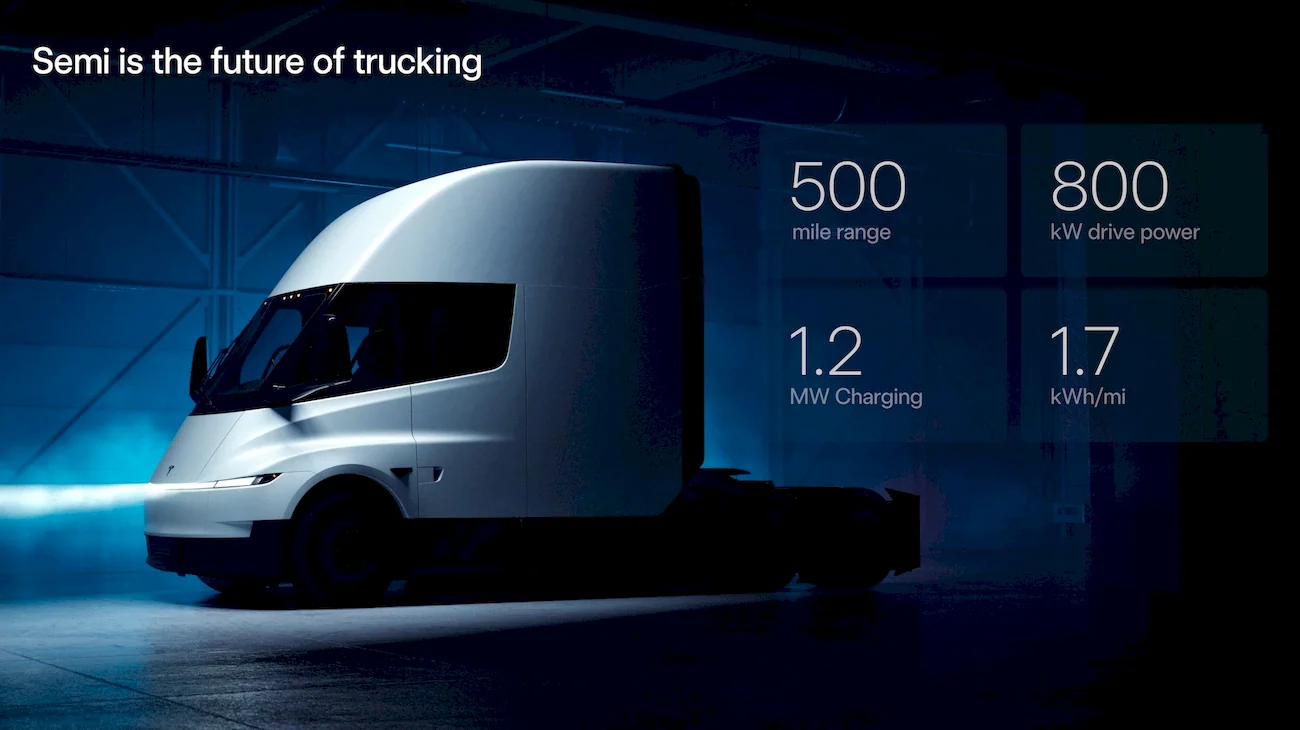
The Semi will be offered in two versions: Standard Range and Long Range. Both share key figures, including an 82,000-pound gross combination weight and energy consumption rated at about 1.7 kWh per mile. Battery capacity is the main differentiator, delivering an estimated 325 miles of range for the Standard Range model and up to 500 miles for the Long Range variant.
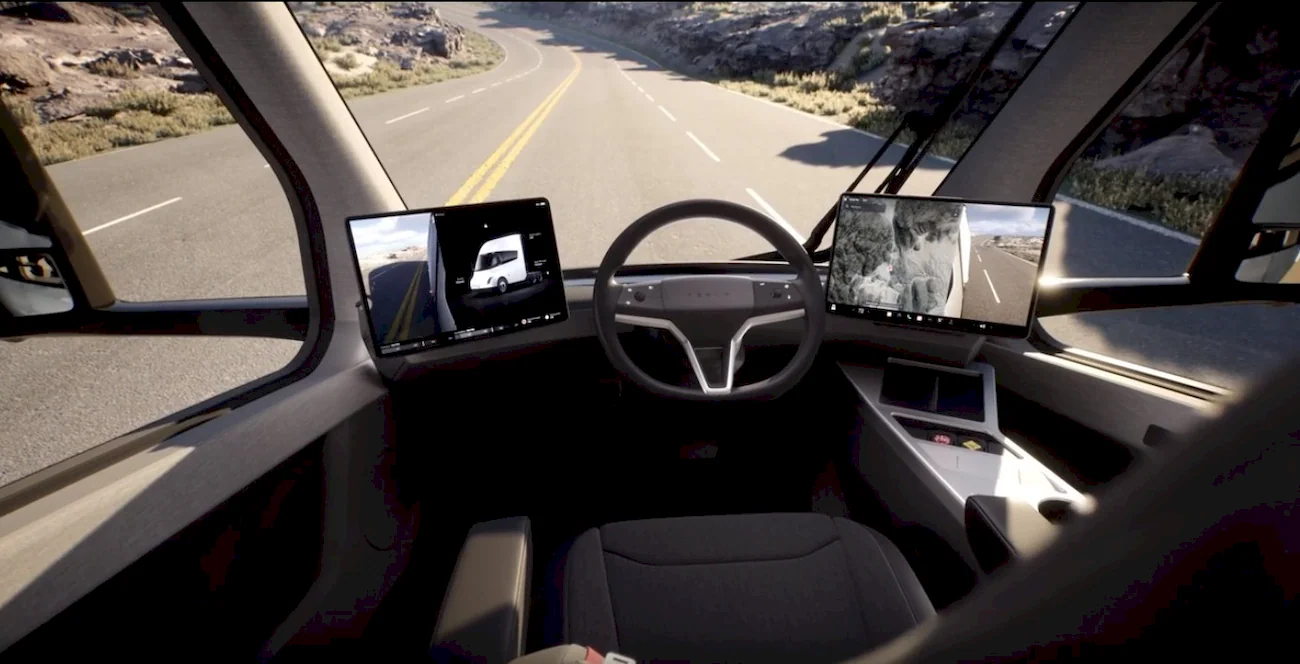
Power comes from three independent motors driving the rear axles, with Tesla listing total output at “up to 800 kW.” That translates to roughly 1,073 horsepower, though Tesla stops short of guaranteeing that figure continuously, suggesting peak output may only be available for short bursts.
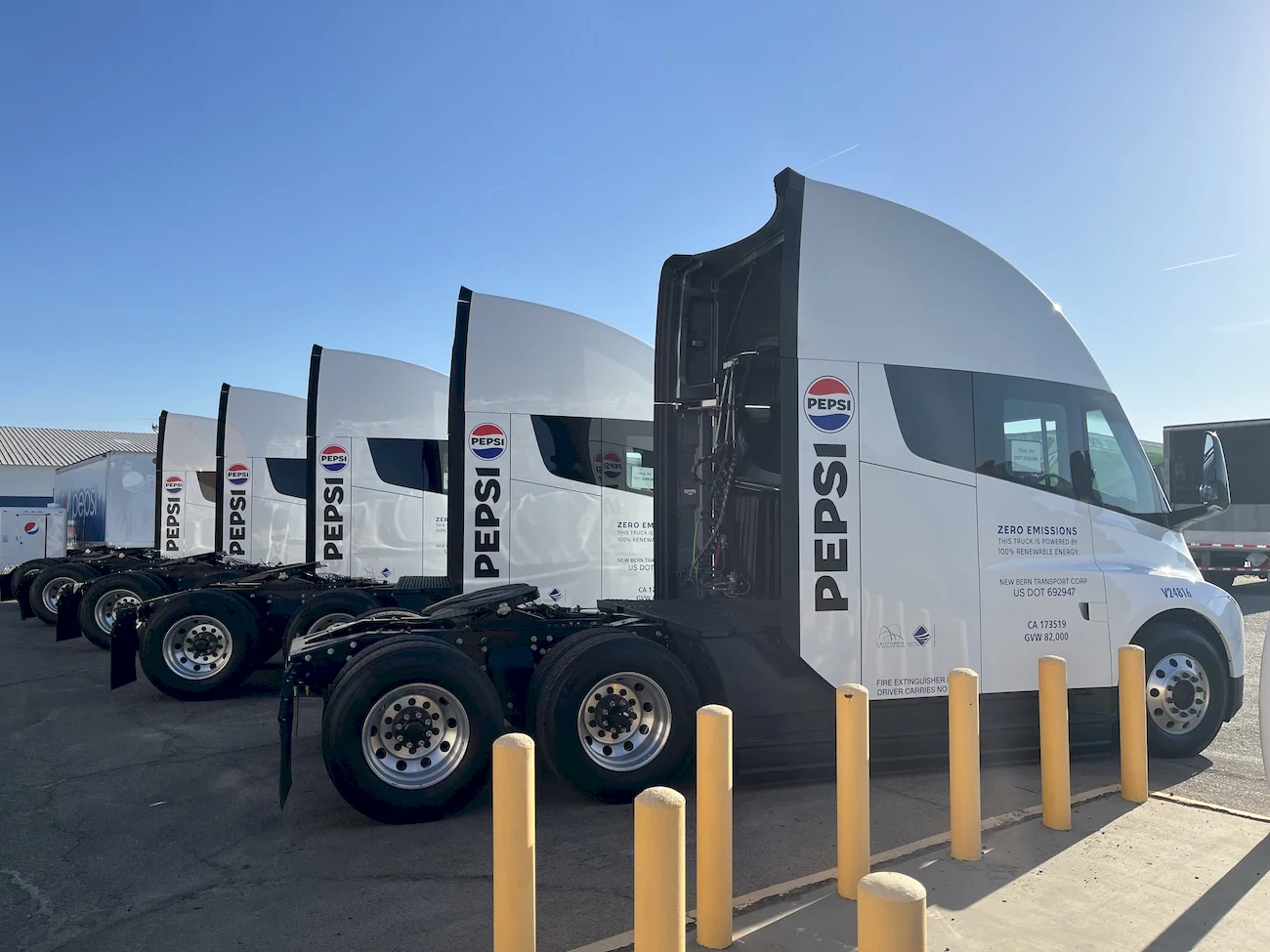
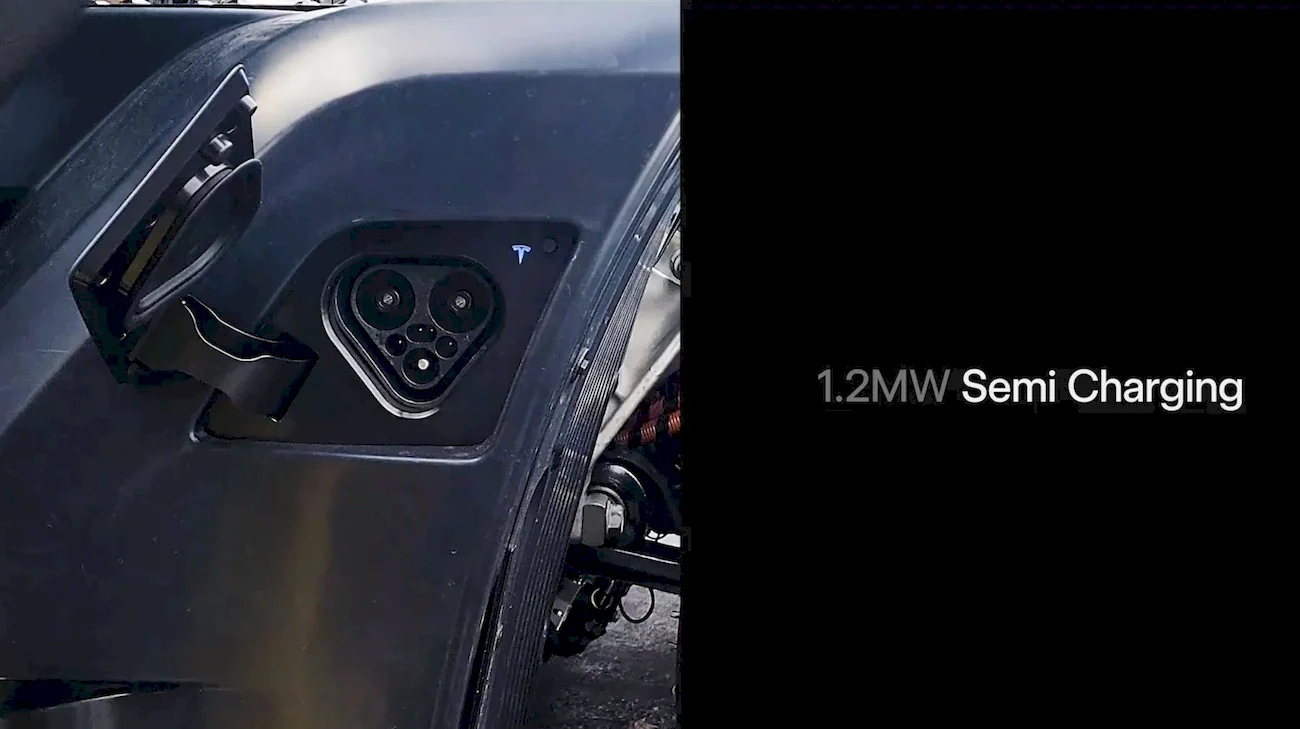
Charging is handled via a Megawatt Charging System (MCS) 3.2 port. The Long Range Semi supports peak charging rates of up to 1.2 MW, enabling the truck to recover as much as 60% of its range in around 30 minutes. The vehicle also includes an electric power take-off (ePTO) system rated up to 25 kW for auxiliary equipment. Tesla adds that the Semi is “designed for autonomy,” hinting at compatibility with Full Self-Driving features.
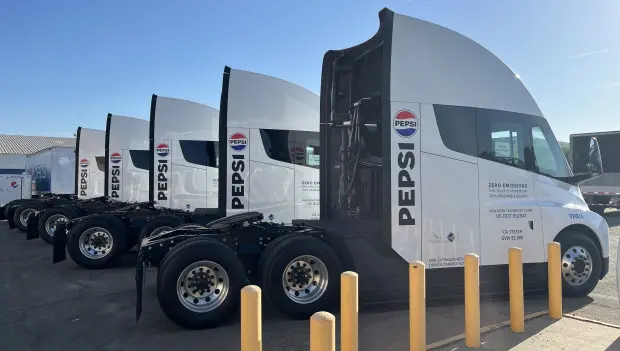
To date, only a small number of Semis have been delivered through pilot programs, with early customers including PepsiCo and DHL. Tesla hasn’t disclosed additional fleet partners. At one point, the company projected annual production of 50,000 units, but those forecasts were made when electricity was cheaper and diesel prices were significantly higher than they are today.
You may also be interested in the news:
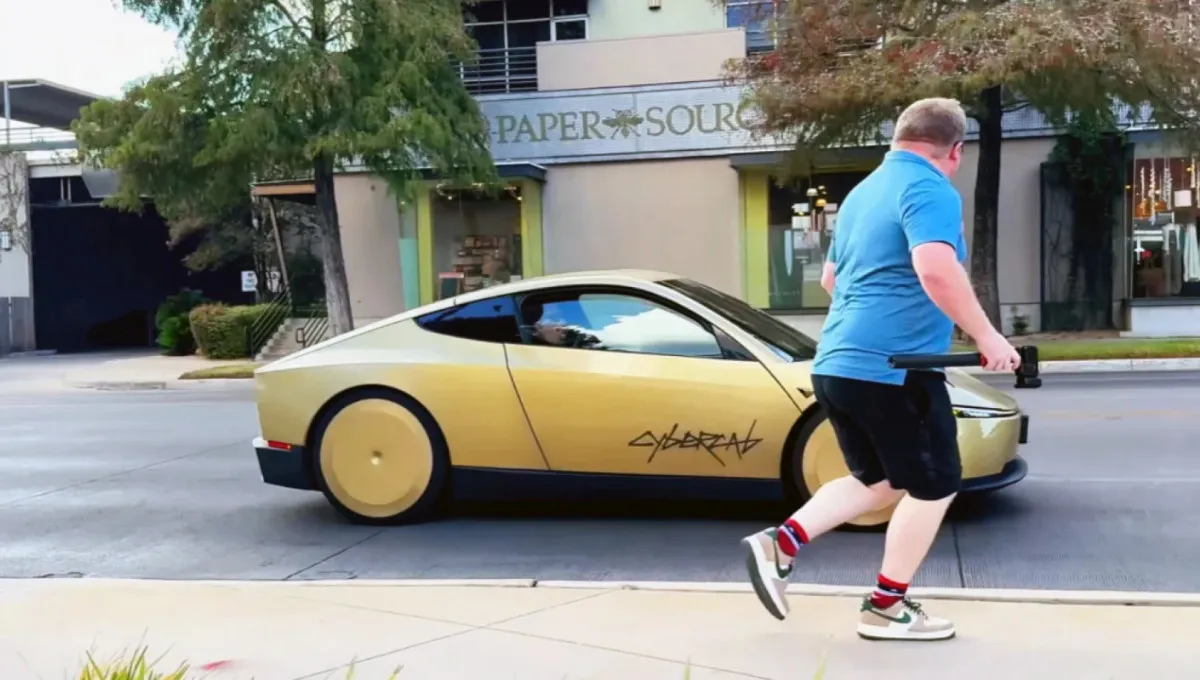
Washington Man Steps in Front of Tesla Cybercab to Test Its Self-Driving Response
Washington man stepped into a Cybercab’s path to test how quickly its autonomous system responded.

Tesla Patents Laser Windshield Wipers Again in 2026
Tesla is once again pursuing laser windshield cleaning, but the technology raises serious questions about cost, reliability and safety.
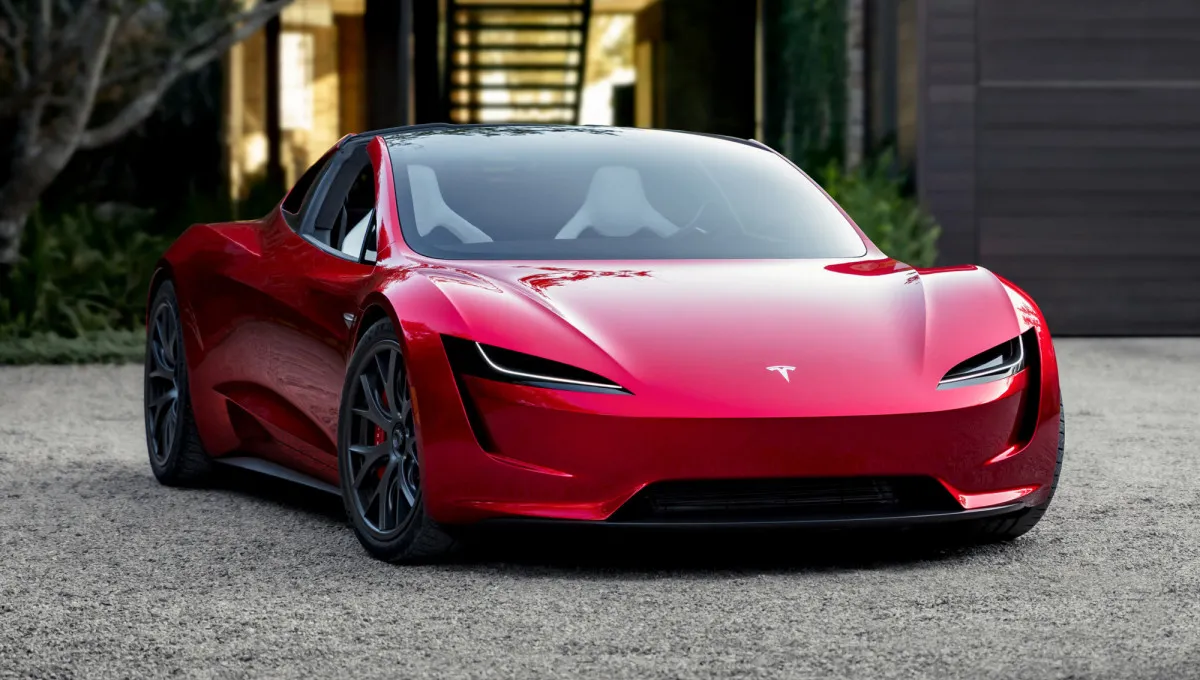
Tesla Will Unveil the Roadster on October 2. Teaser Hints at SpaceX Thrusters
Tesla has officially confirmed that the long-awaited second-generation 2026 Roadster will finally be unveiled on October 2.
She Thought Her Tesla Was Acting Strange. ‘I’m in Your Car’: Man Used a Tesla App to Harass His Ex
A man remotely controlled his ex-partner’s Tesla, changed its settings, and restricted how fast she could drive.

Elon Musk’s 2025 Tesla Pay Could Buy Nearly 10% of Bitcoin’s Maximum Supply
Elon Musk’s 2025 Tesla compensation could have bought nearly 10% of Bitcoin’s maximum supply at May’s price.