
End of an Era for the Model S and Model X: Tesla Ends Flagship Production to Make Room for Optimus Robots
Tesla plans to turn its Fremont factory into a large-scale production hub for humanoid robots.
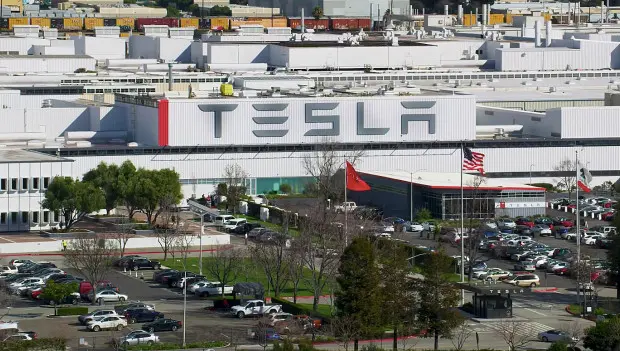
Tesla CEO Elon Musk has officially announced the end of production for the company’s flagship electric vehicles, the Model S and Model X.
Speaking during a conference call covering the company’s fourth-quarter financial results, Musk said Tesla’s Fremont, California, factory will be fully retooled to produce Optimus humanoid robots. He noted that it was time to “respectfully bring to a close” the programs for both models and encouraged customers interested in the premium vehicles to place orders while remaining inventory is still available.
The Model S and Model X are the oldest vehicles in Tesla’s current lineup after the original Roadster. The sedan went on sale in 2012, followed by the SUV three years later. Despite their historical importance, demand for both models has dropped sharply in recent years. More affordable Model 3 and Model Y vehicles accounted for roughly 97% of Tesla’s total deliveries last year, representing more than 1.5 million units. In the U.S., the Model S currently starts at around $95,000, while the Model X is priced from about $100,000.
The decision reflects broader challenges facing the company. Tesla’s annual report showed a decline in revenue for the first time, with sales falling in three of the past four quarters. As competition intensifies, Musk has been working to shift investor focus away from traditional car manufacturing and toward autonomous systems and intelligent robotics.
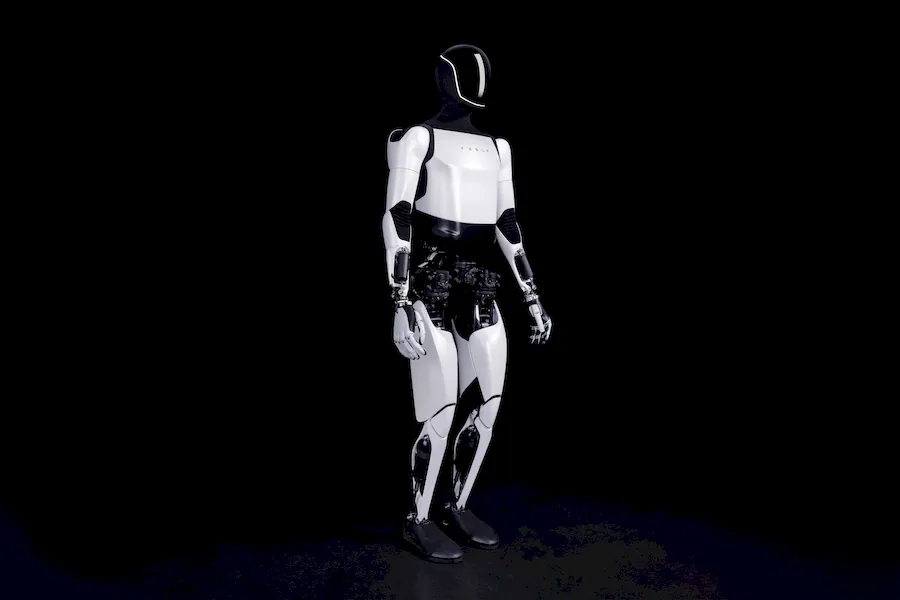
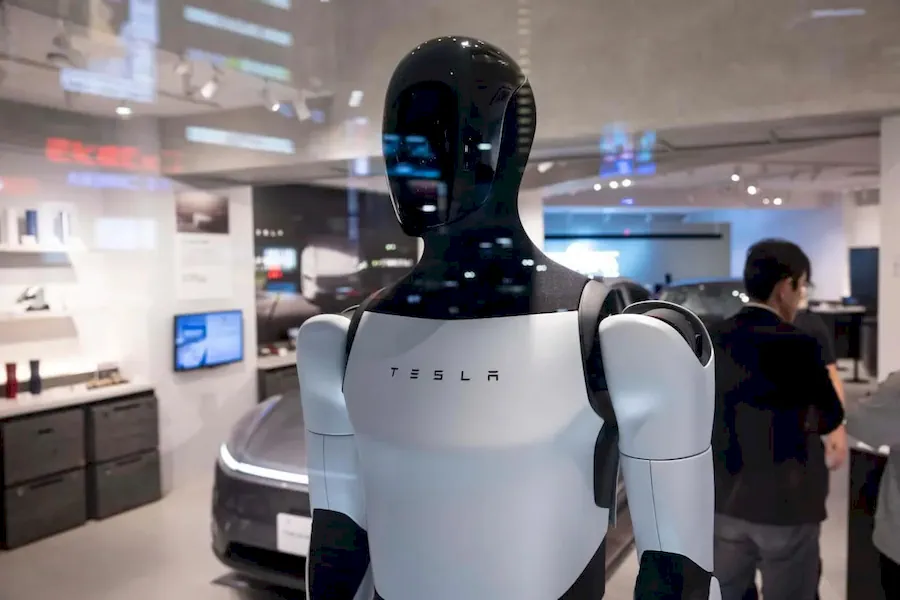
At the center of that strategy is Optimus, a bipedal robot designed to eventually handle a wide range of tasks — from factory work to household assistance and even childcare. Tesla plans to unveil the third generation of Optimus later this quarter, which Musk described as the first version engineered specifically for mass production.
According to Musk, the revamped Fremont facility will be capable of producing up to 1 million Optimus units per year. Achieving that scale will require building an entirely new supply chain unlike anything used in modern automotive manufacturing. Despite shutting down Model S and Model X production, Tesla plans not only to retain but significantly expand its workforce at the California plant to support record output of the new product line.
You may also be interested in the news:
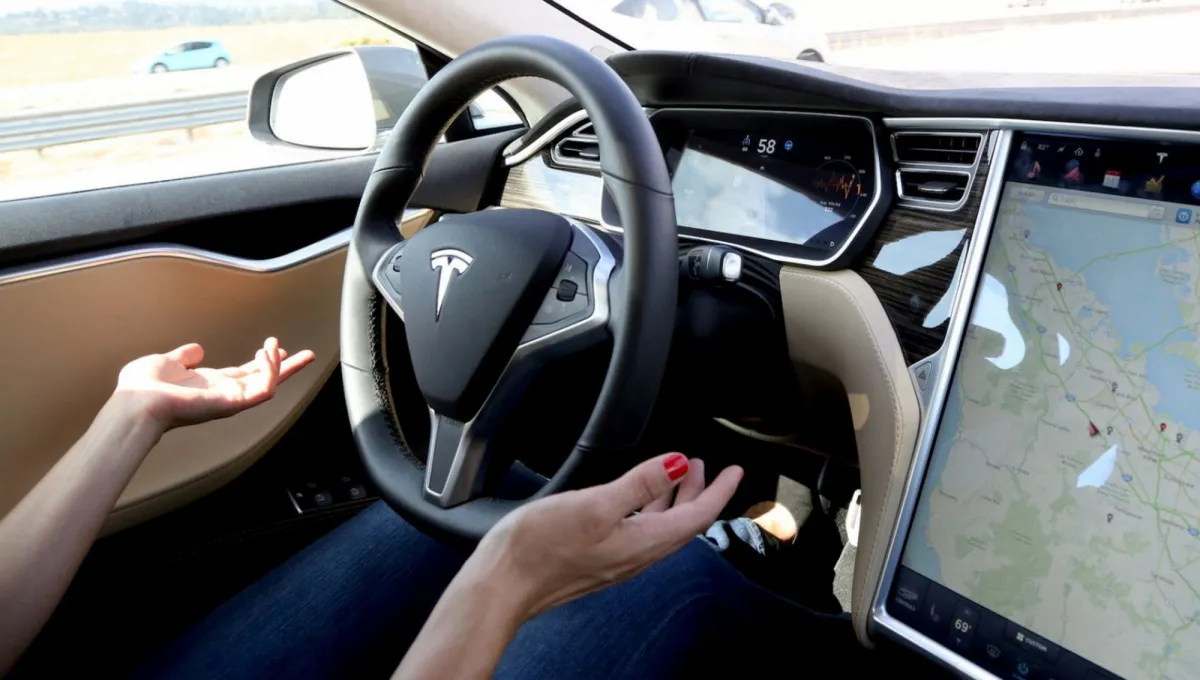
She Thought Her Tesla Was Acting Strange. ‘I’m in Your Car’: Man Used a Tesla App to Harass His Ex
A man remotely controlled his ex-partner’s Tesla, changed its settings, and restricted how fast she could drive.

Elon Musk’s 2025 Tesla Pay Could Buy Nearly 10% of Bitcoin’s Maximum Supply
Elon Musk’s 2025 Tesla compensation could have bought nearly 10% of Bitcoin’s maximum supply at May’s price.
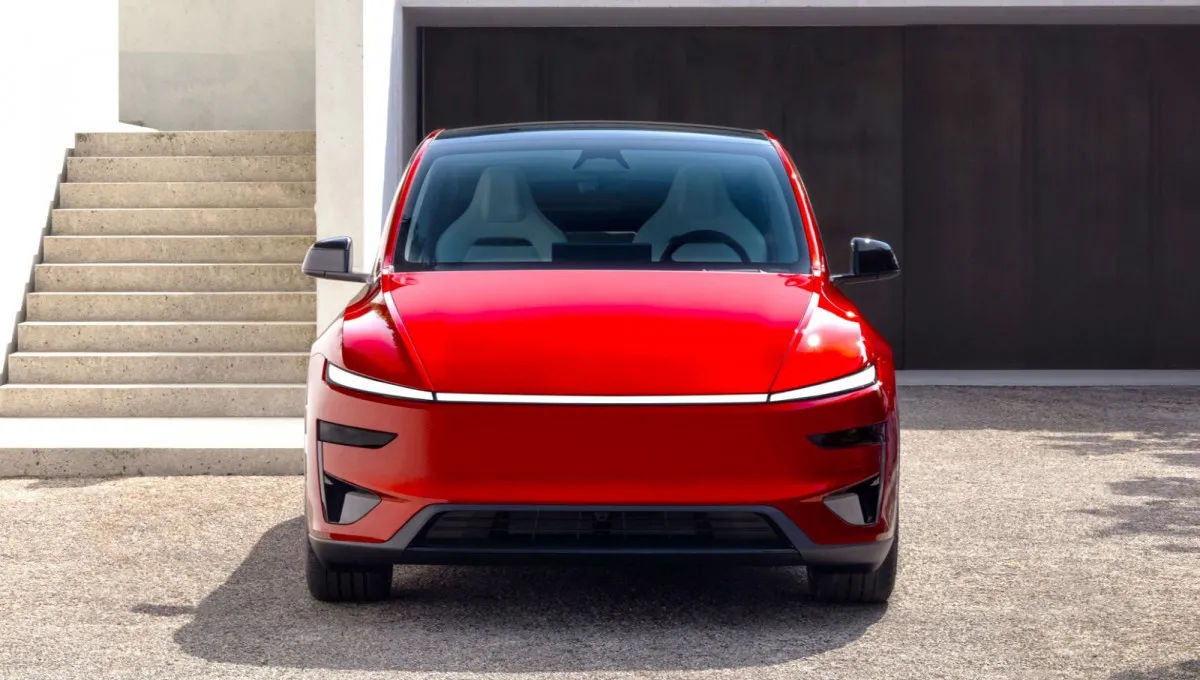
Tesla Recalls 2026 Model Y Over Front Suspension Fasteners That Could Affect Steering
Tesla has recalled select 2026 Model Y vehicles after front suspension fasteners were found improperly tightened during assembly.
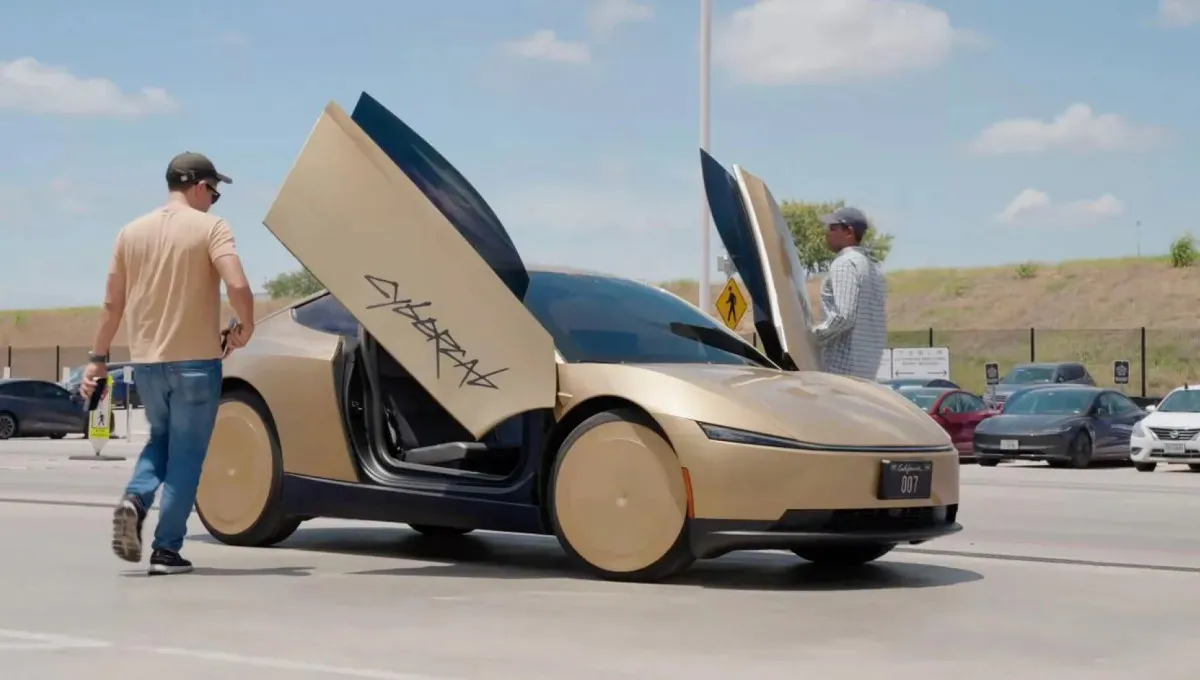
Tesla Has Expanded Its Robotaxi Fleet Sevenfold in Three Weeks — Cybercab Is Already on the Way
The number of officially registered Tesla Cybercabs in Texas has risen from 7 to 45 in just a few days, while the existing Robotaxi service using Model Y vehicles is already operating in Austin, Dallas, and Houston without a safety operator. According to Tesla's head of autonomous driving, Ashok Elluswamy, the fleet has covered more than 380,000 miles without any serious incidents.
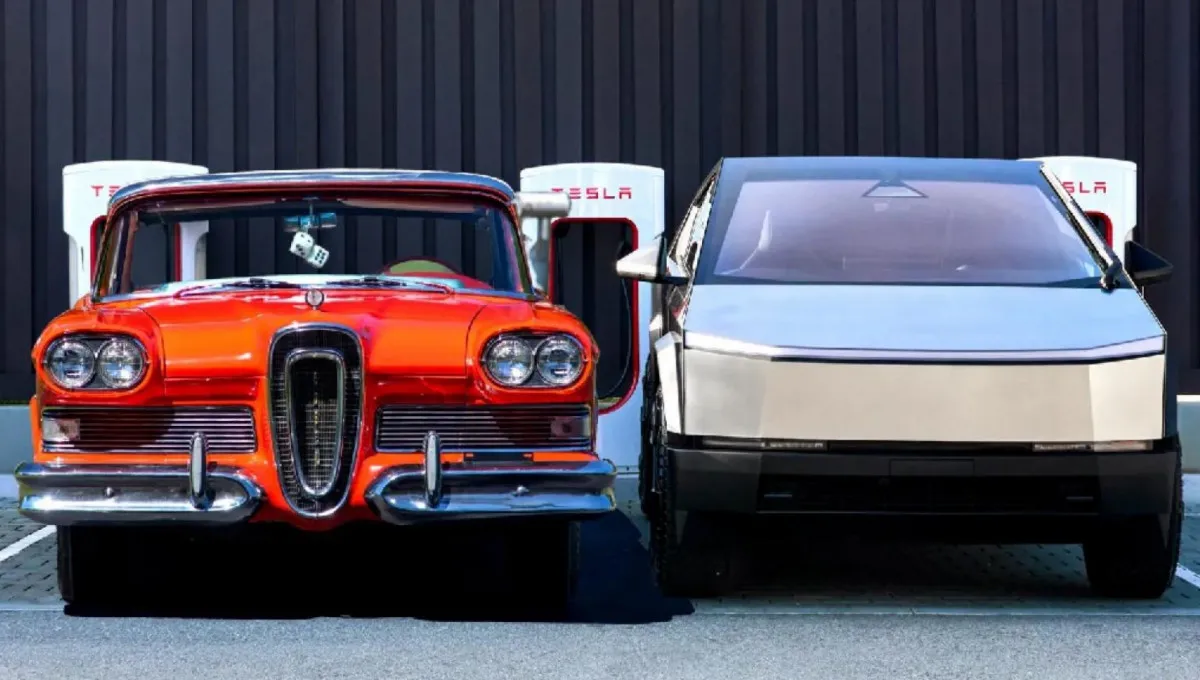
Flop or Breakthrough? Why the Tesla Cybertruck Is Following the Same Path as the Ford Edsel
Despite disappointing sales, the Tesla Cybertruck could be remembered less for its commercial performance than for the technologies it introduced.