
Chinese Automaker Unhappy: BYD Sues the U.S. Government Over Tariffs That Keep Its Cars Out of the American Market
China’s BYD has filed a lawsuit against the U.S. government, challenging tariffs that effectively keep its passenger vehicles out of the U.S.
Chinese automaker BYD has filed a lawsuit against the U.S. government, contesting tariffs that have effectively prevented its passenger cars from entering the American market.
According to Autoblog, the lawsuit was filed on January 26 by four BYD subsidiaries registered in the United States. Court documents argue that federal authorities lack the legal authority to impose such tariffs under the International Emergency Economic Powers Act (IEEPA). That law allows the U.S. president to restrict foreign economic activity during national emergencies. BYD maintains that applying tariffs in this case goes beyond the scope of the statute and that the measures should therefore be struck down.
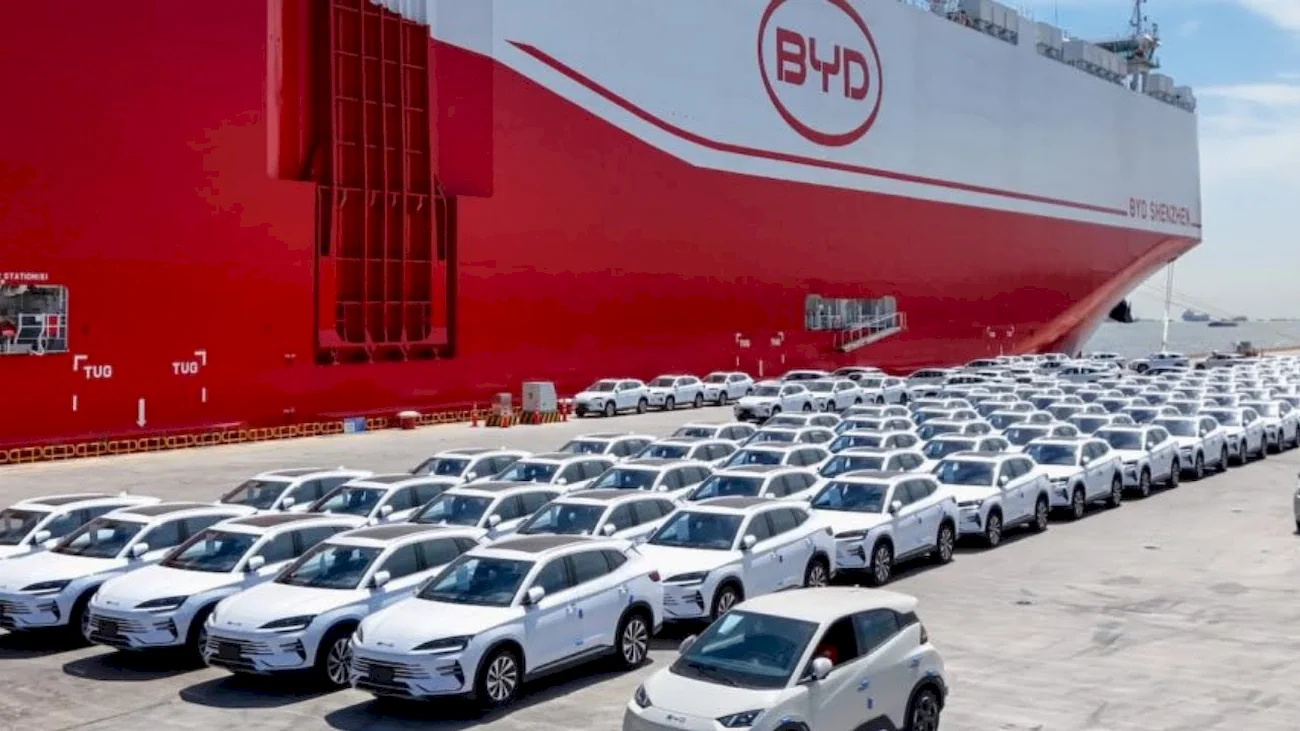
If the court rules in BYD’s favor, it could lower trade barriers and potentially open the door for the company’s passenger vehicles to be sold in the U.S.
At present, Chinese automakers have little presence in the American market. The main reasons are steep import tariffs and strained political relations between Washington and Beijing. At the same time, a recent AutoPacific study found that a growing number of Americans are open to considering a Chinese-made vehicle.
Despite that shift in consumer sentiment, U.S. auto dealers largely support restrictions on Chinese brands. The National Automobile Dealers Association has previously argued that Chinese manufacturers may benefit from state subsidies, which it says undermines fair competition.
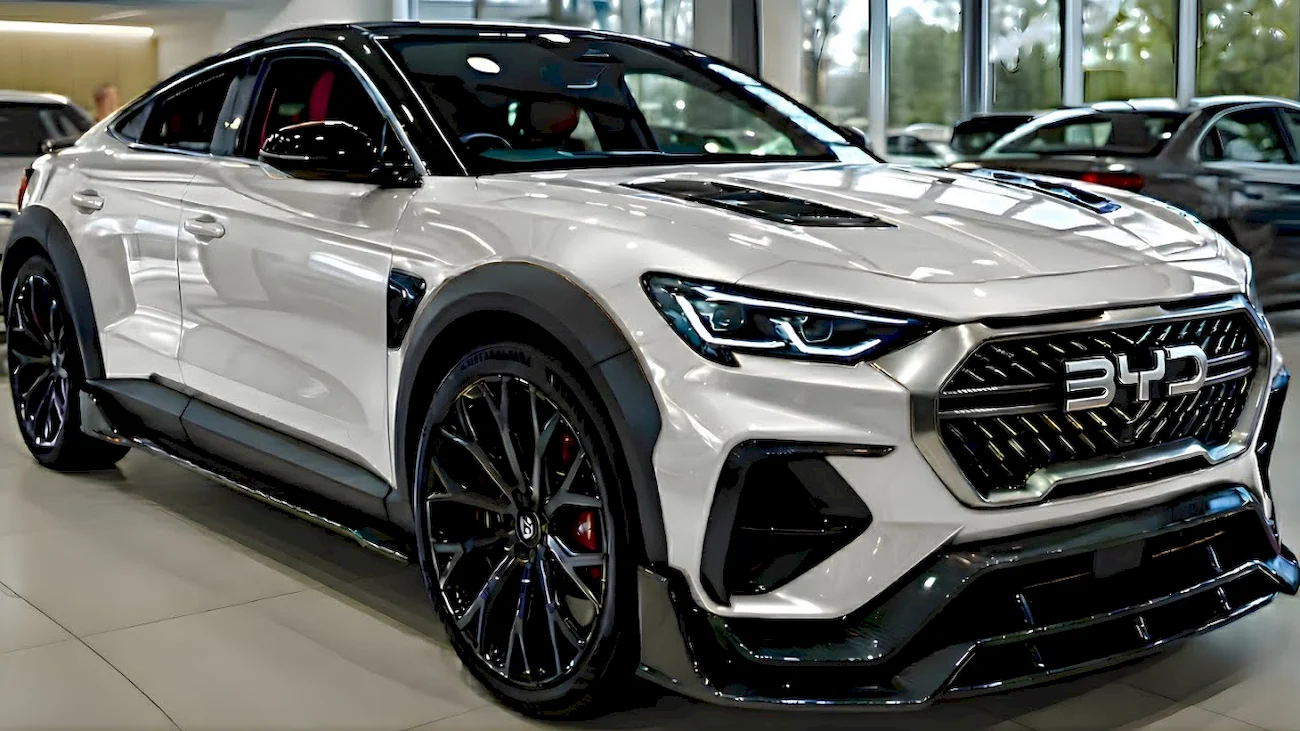
The article also points to Chery as an example, noting that the company recently unveiled an electric pickup truck in China with a starting price of around $18,300. By comparison, electric pickups currently sold in the U.S. are priced significantly higher.
Legal experts say BYD’s case has a realistic chance of success. Last year, New York-based wine importer V.O.S. Selections won a similar lawsuit against the U.S. government. That ruling has since been appealed, and other related cases have been put on hold pending a final decision that could clarify the limits of executive authority.
If BYD ultimately prevails, the company could use its factories in Brazil and Mexico as alternative supply routes to the U.S., benefiting from lower tariffs.
BYD is currently posting strong global sales and last year surpassed Tesla in total electric vehicle deliveries worldwide. In the U.S., however, the company remains focused on energy storage systems and commercial vehicles, which are produced at its facility in Lancaster, California.
You may also be interested in the news:
Ford Ranger FX4 Level II Was Cool Long Before the Raptor
Ford Built This Insane Ranger Years Before the Raptor—and Almost Nobody Remembers It
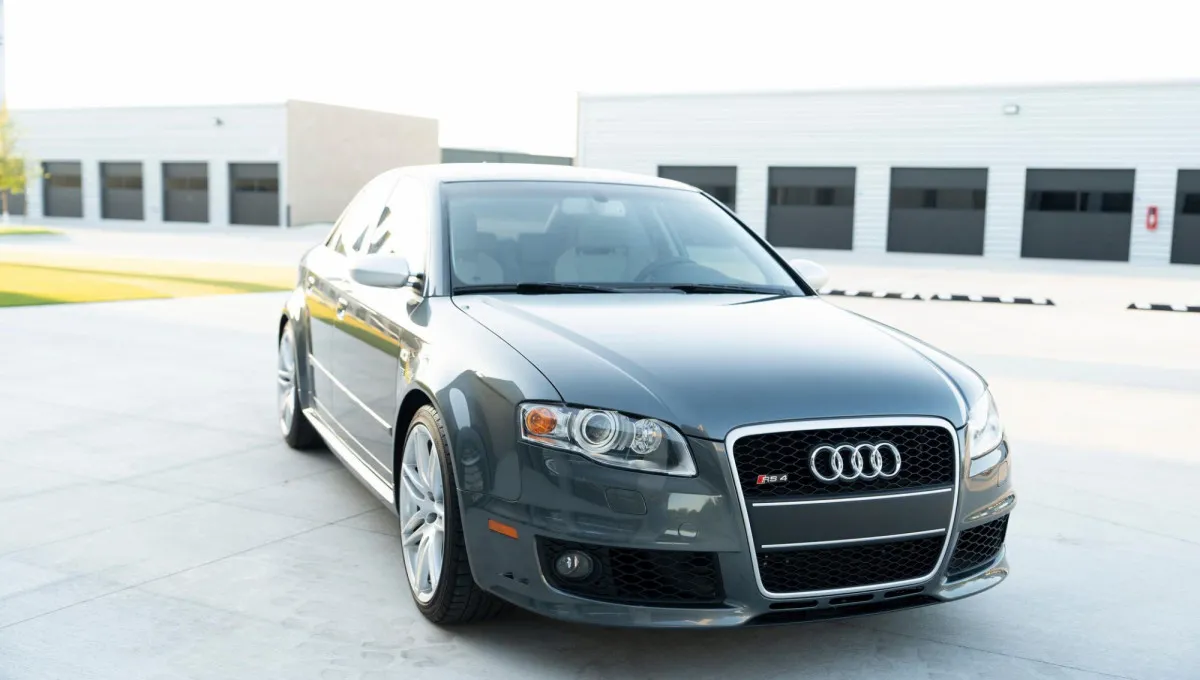
This 18-Year-Old Audi RS4 Just Sold for More Than It Cost Brand-New
After spending 18 years in a garage, this low-mileage Audi RS4 has become a sought-after collector car.
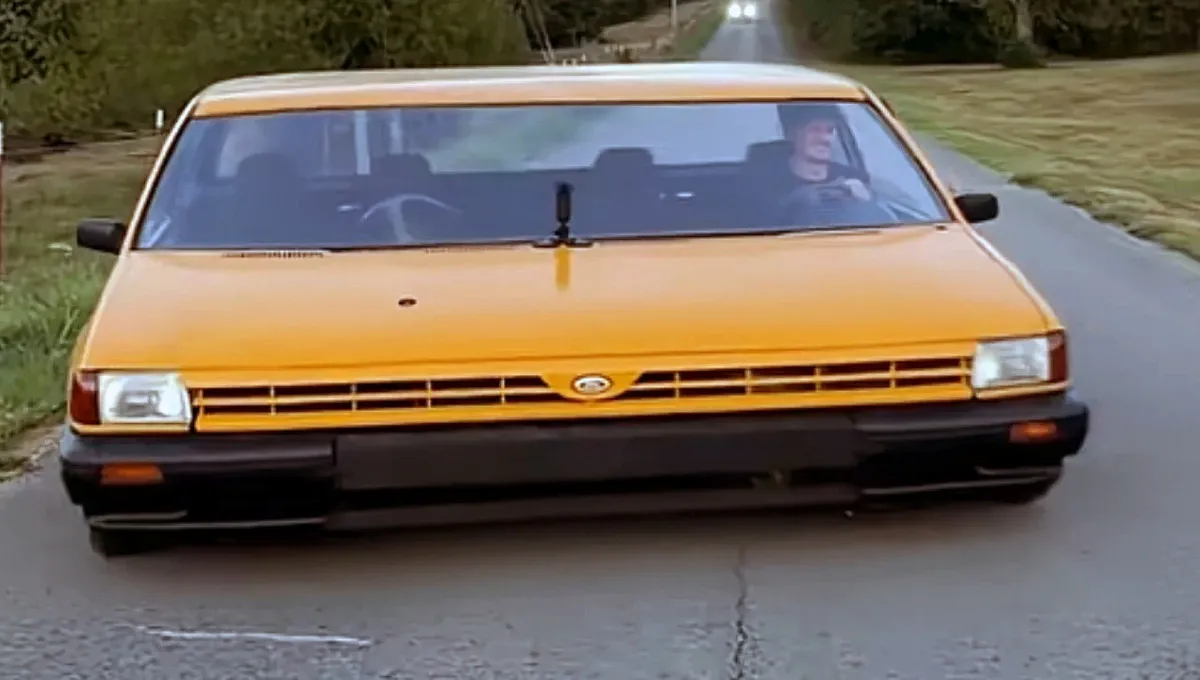
Tennessee Man Builds an Absurdly Wide Car Where Everyone Gets to Ride Shotgun
Tennessee creator Tyler Fever built an absurdly wide car after previously turning a Ford Festiva into a street-legal sliver.
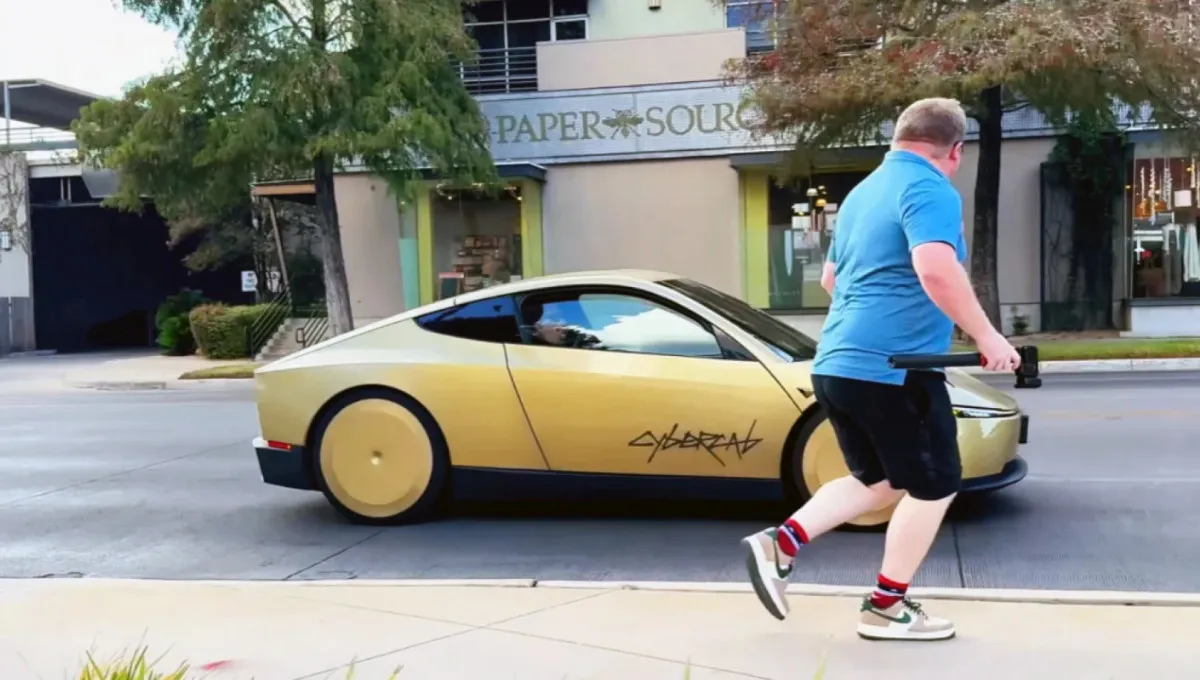
Washington Man Steps in Front of Tesla Cybercab to Test Its Self-Driving Response
Washington man stepped into a Cybercab’s path to test how quickly its autonomous system responded.
Copart to Acquire ACV Auctions in $1.9 Billion Deal, Expanding Into Dealer-to-Dealer Car Auctions
Copart is acquiring ACV Auctions for about $1.9 billion, expanding its online auction business into dealer-to-dealer vehicle sales.