
Five Common Beliefs About Diesel Engines—And Why Some of Them Might Be Wrong
Diesel engines carry plenty of stereotypes, but many widely repeated claims don’t hold up today.
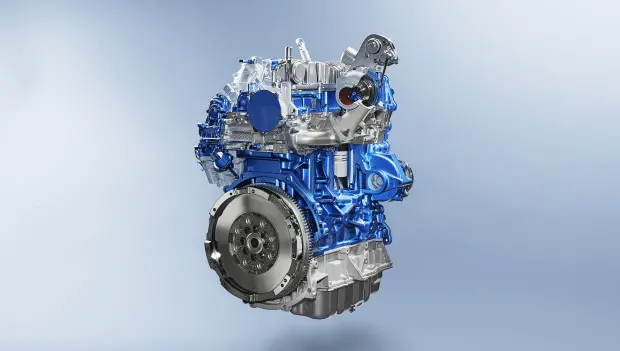
In the era of electric and hybrid vehicles, diesel engines are steadily disappearing from the lineups of many automakers. Years of criticism and lingering stereotypes have also hurt their reputation. But how accurate are the most common claims about diesel power? Let’s take a closer look at five widely discussed beliefs.
1. Diesel Engines Are Much More Expensive to Maintain

One of the most common claims is that maintaining a diesel engine costs significantly more than maintaining a gasoline engine. That’s only partly true.
Diesel engines typically require more motor oil per oil change, and some service items—such as filters or glow plugs—can cost a bit more. The fuel filter also needs to be replaced more often.
However, diesel engines usually consume about 20% less fuel than comparable gasoline engines. Over the course of a year, the savings at the pump often offset the higher service costs. In many cases, the overall ownership expenses end up being fairly similar.
2. Diesel Fuel Causes More Problems
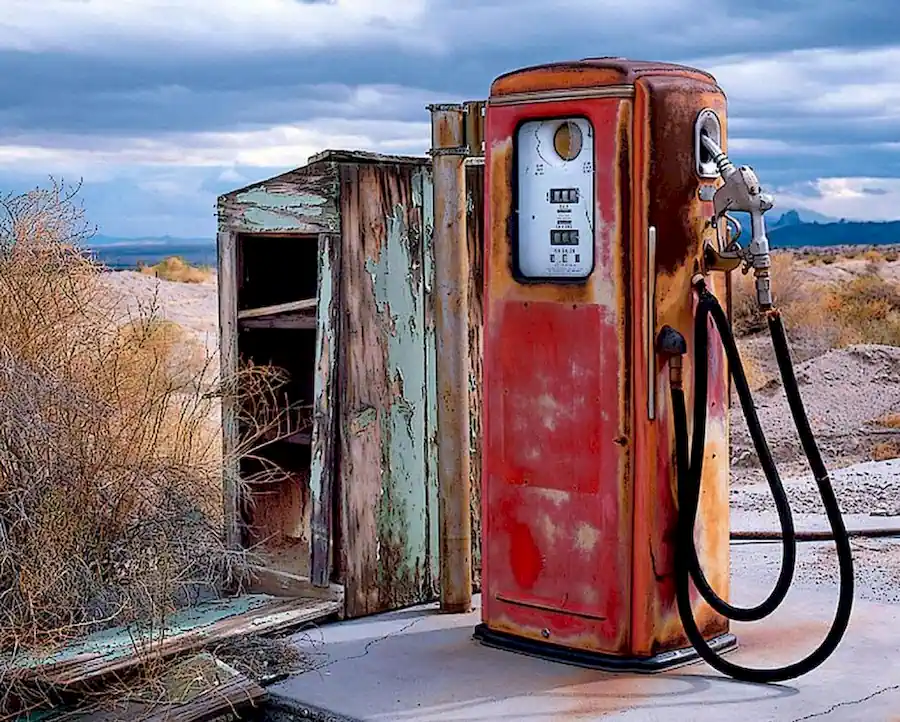
Another belief is that diesel engines are extremely sensitive to fuel quality. In reality, most issues occur when fuel is stored improperly at smaller or remote gas stations.
There’s also a seasonal factor. In the past, using summer diesel fuel in cold weather could cause the fuel to thicken. This sometimes made cold starts difficult when temperatures dropped to around 50–54°F (10–12°C).
Today, this problem is much less common, especially at major branded fuel stations where seasonal blends are handled properly.
3. Diesel Engines Are Hard to Start in Winter
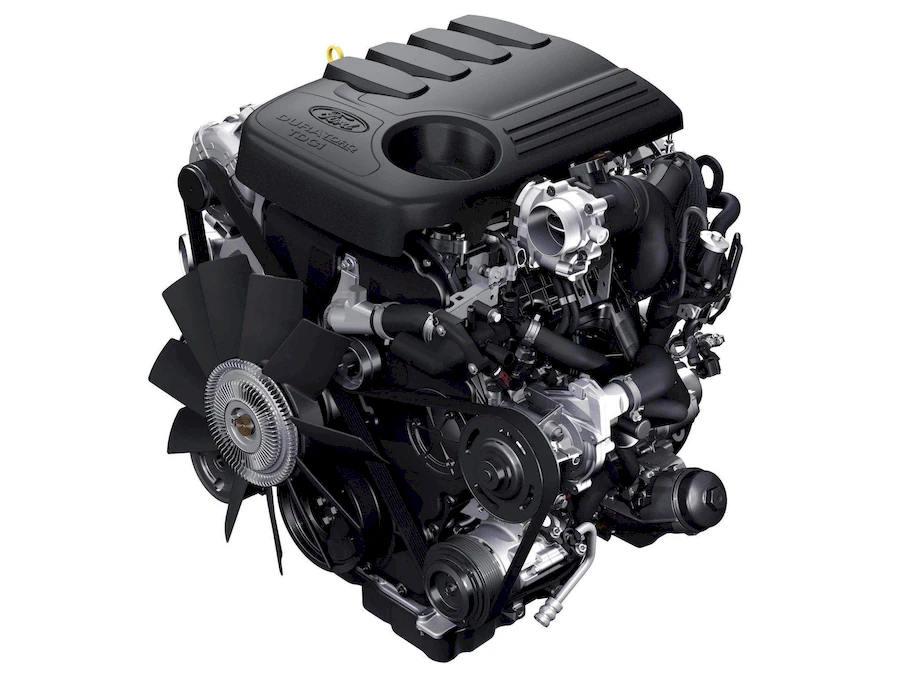
It’s true that diesel engines can be slightly more challenging to start in cold weather—but the reason is mechanical.
Diesel engines operate with higher compression ratios, and their internal components are typically heavier and more robust. That means the starter motor and battery must work harder during cold starts.
Because of this, diesel owners need to pay closer attention to battery condition and glow plugs. In very cold climates, installing an engine block heater or pre-heater can make winter starts significantly easier.
4. Diesel Engines Are Too Noisy

Another common complaint is noise. Older diesel engines were indeed louder, especially at idle, and they often produced noticeable vibration.
But modern diesel engines have improved significantly. Advanced fuel injection systems—such as common-rail direct injection—combined with better engine mounts and insulation have reduced noise and vibration dramatically. In many modern vehicles, the difference between gasoline and diesel engines is far less noticeable than it once was.
5. Diesel Engines Are Bad for the Environment
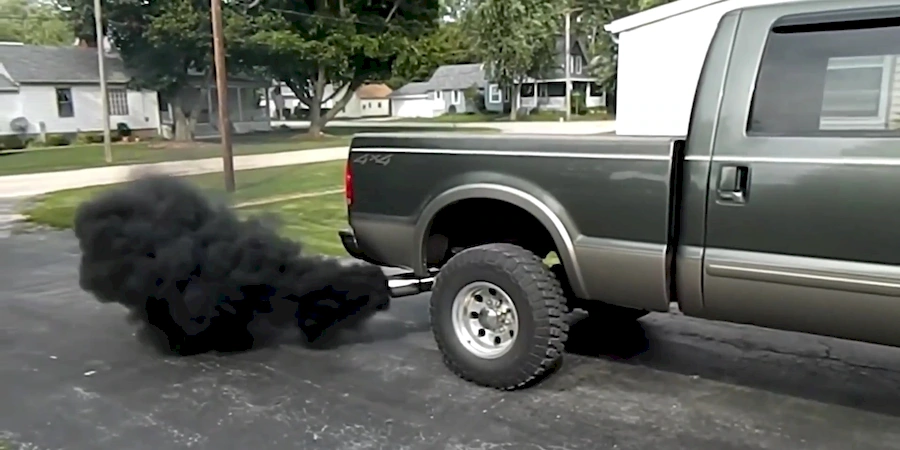
Diesel engines are often criticized for their environmental impact. However, the reality depends heavily on the engine’s design and production year.
Because diesel engines burn less fuel, they generally produce lower carbon dioxide (CO₂) emissions than gasoline engines with similar power output.
Modern diesel vehicles are also equipped with diesel particulate filters (DPF) and advanced emissions systems capable of trapping up to 99% of microscopic particles. As a result, much of the criticism often comes from outdated information based on diesel technology from decades ago.
In short, while diesel engines certainly have their drawbacks, many long-standing myths no longer reflect how modern diesel technology actually performs.
You may also be interested in the news:
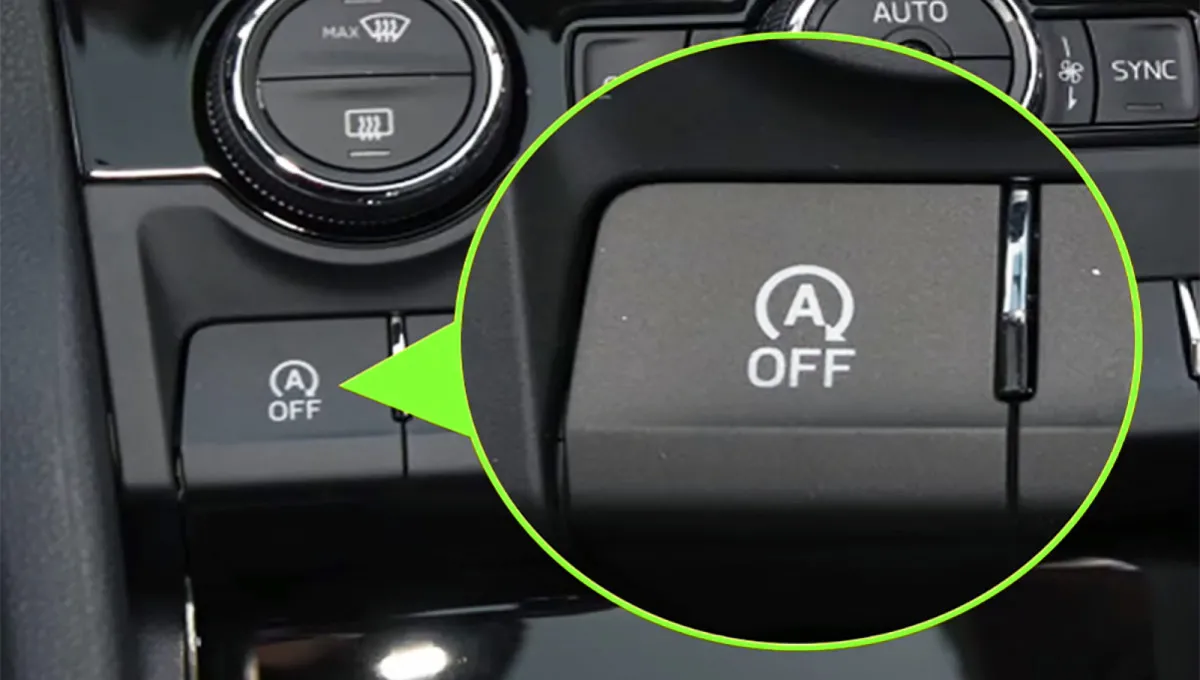
Start/Stop Systems Are Everywhere — But Are They Really Saving You Gas or Wearing Out Your Engine?
Does start-stop technology really save fuel, and does it put extra wear on the engine? Here’s what drivers need to know.
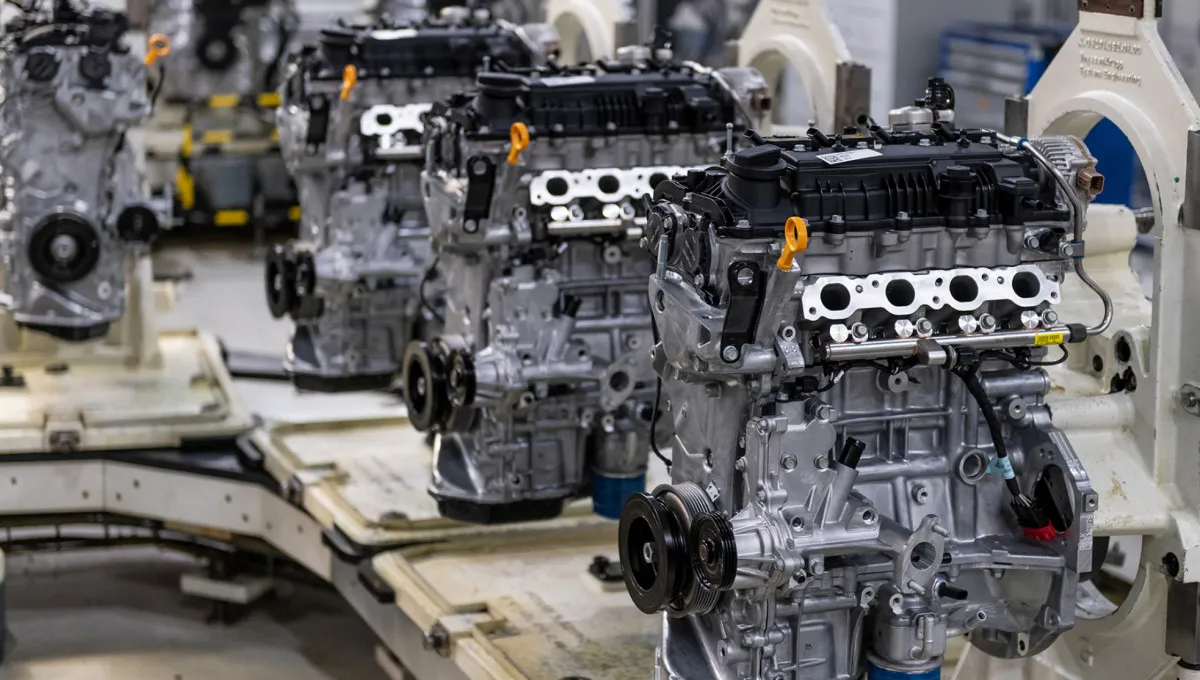
Why Are Automakers Really Shrinking Engines to 1.5 Liters?
Why is the auto industry shrinking engine sizes so aggressively?
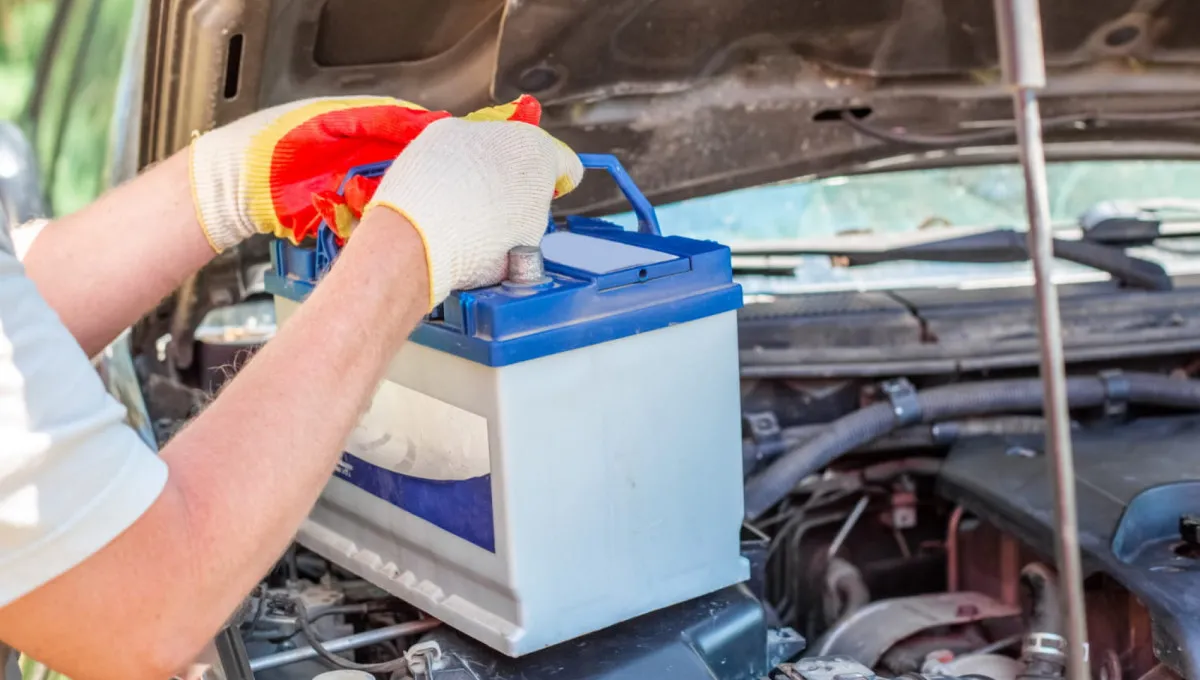
3 Signs Your Car Battery Is About to Die — And the Warning Signs Drivers Often Miss
A failing car battery rarely dies without warning, and these three signs can give drivers time to act before getting stranded.
These Used Cars Could Save You Thousands on Repairs, According to Experts
For many drivers, reliability and maintenance costs are just as important as the purchase price when choosing a used car.
YouTube Has a New Problem: AI Is Creating Fake Mechanics Who Look Completely Real
Artificial intelligence is now being used to create convincing fake auto mechanics on YouTube, raising concerns about misleading advice.