
Why Even Brand-New Windshield Wipers Can Still Leave Streaks — A Simple Explanation
New wipers sometimes still streak because the real culprit often isn’t the blades at all
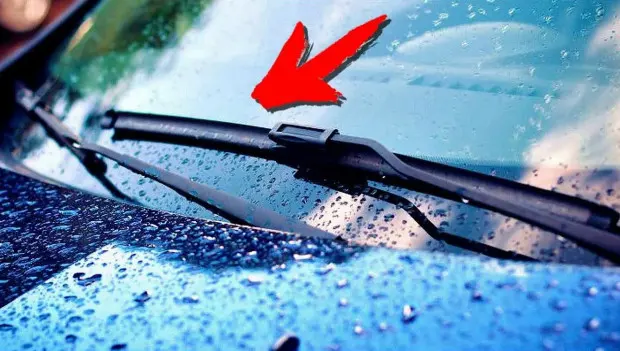
What do most drivers do when their windshield wipers start leaving ugly streaks across the glass? Simple—they replace the blades. Sometimes that fixes the issue. Other times, even brand-new wipers leave the exact same streaks. When that happens, it’s a clear sign the problem lies elsewhere. So what’s really going on?
If replacing the blades doesn’t solve the streaking, the issue likely isn’t the wipers themselves. This is especially common in vehicles that are about 5 to 7 years old. Over time—typically after 3 to 4 years of regular driving—the windshield and even the headlights begin to wear from constant exposure to road debris.
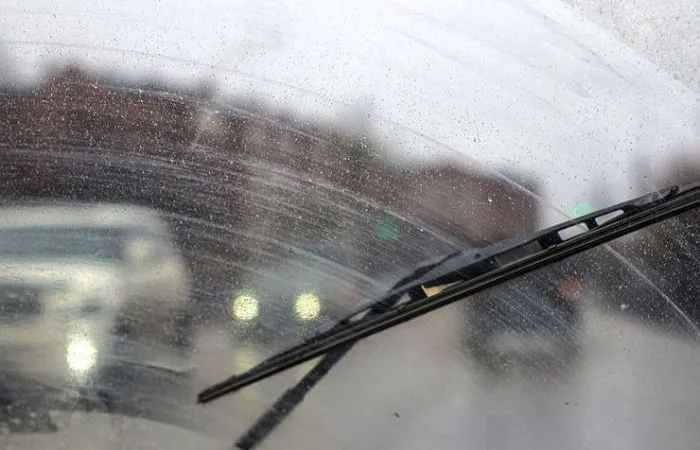
In effect, the glass gets microscopically pitted, almost like a fine, uneven surface filled with tiny indentations invisible to the naked eye. When the wiper passes over the windshield, it clears water from the surface—but those tiny pits trap moisture. The blades are doing their job, but the glass itself is no longer perfectly smooth.
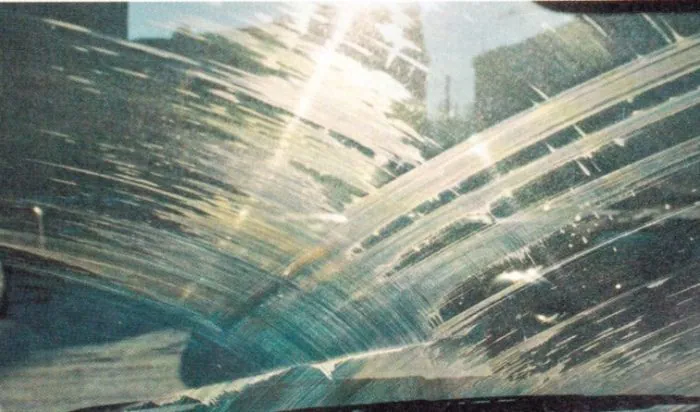
You can easily identify this issue: the streaks left behind will consist of extremely fine droplets rather than large smears. Unfortunately, there’s no real fix for this kind of wear. The only practical solution is to run the wipers more frequently to remove as much residual water as possible.
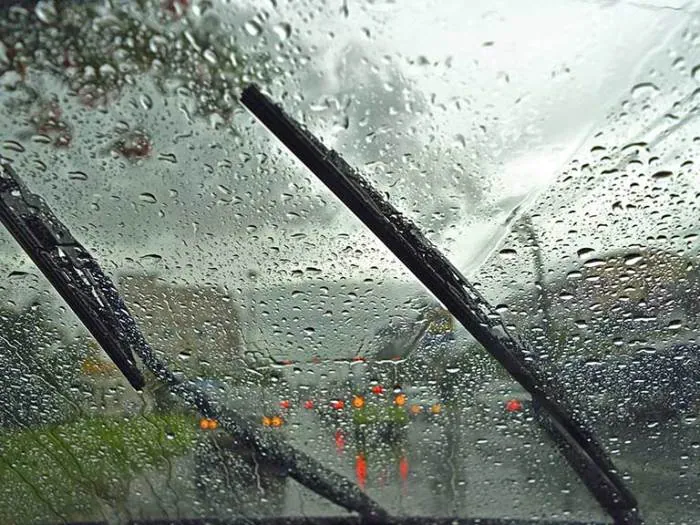
On the other hand, if your wipers leave long, heavy streaks, the cause is usually different—and still not the blades. In most cases, it’s dirt trapped between the rubber edge and the windshield. A common culprit is road tar, especially tiny particles that get kicked up from the pavement and stick to the car’s surface.
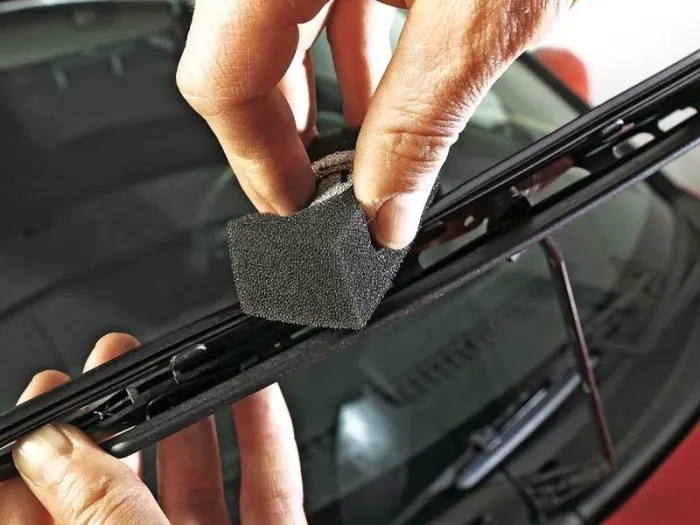
The good news? This problem is easy to fix—and it won’t cost you a dime. Just take a clean, dry cloth and thoroughly wipe down the rubber edges of the wiper blades.
You may also be interested in the news:
A Dirty Car Could Be Quietly Damaging Your Engine — And the Repairs Can Cost Thousands
A dirty car can threaten the engine, causing overheating, corrosion, fires, and costly mechanical failures.
Start/Stop Systems Are Everywhere — But Are They Really Saving You Gas or Wearing Out Your Engine?
Does start-stop technology really save fuel, and does it put extra wear on the engine? Here’s what drivers need to know.
3 Signs Your Car Battery Is About to Die — And the Warning Signs Drivers Often Miss
A failing car battery rarely dies without warning, and these three signs can give drivers time to act before getting stranded.
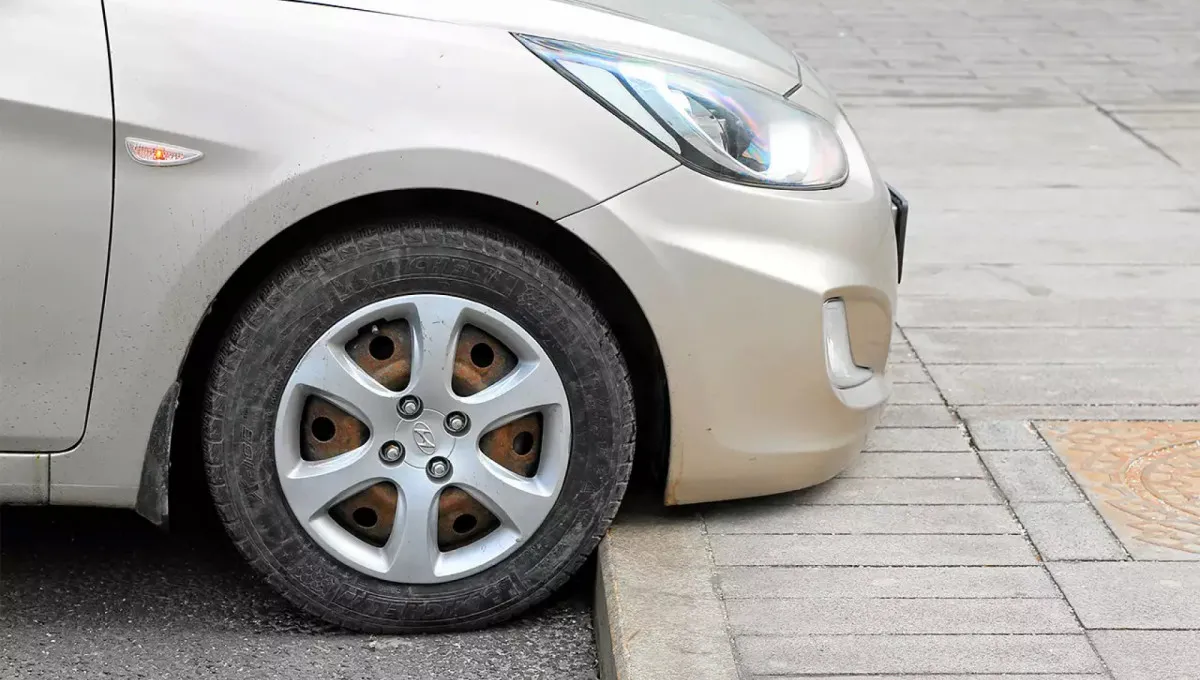
How to Park Close to a Curb Without Scratching Your Bumper: The Two-Mirror Method
How to Park Close to a Curb Without Scratching Your Bumper: The Simple Mirror Trick
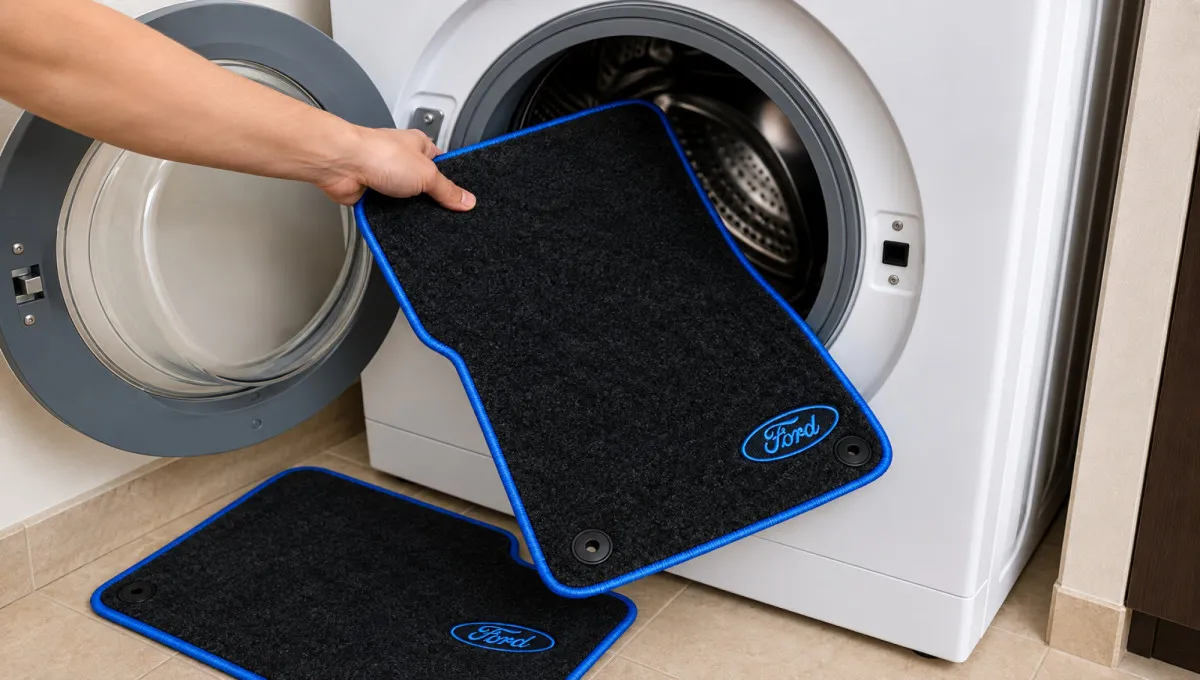
Can You Wash Car Floor Mats in a Washing Machine? Experts Have the Answer
Think Twice Before Washing Your Car Floor Mats in the Washing Machine, Experts Warn.