
How to Fix a Sagging Car Door in Minutes Without the Headache
Sooner or later, most drivers notice a car door starting to sag and misalign slightly
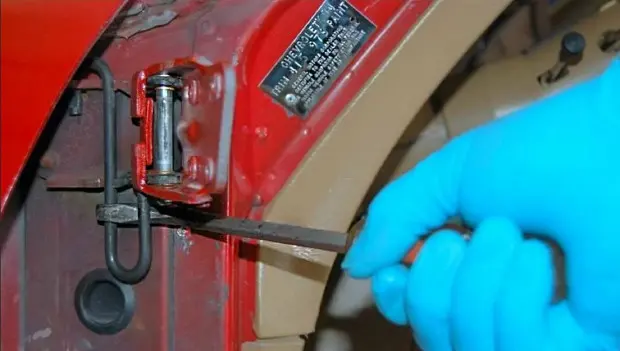
At some point, just about every driver runs into the same annoying issue: one of the car doors starts to sag. The good news is that this problem usually has a very specific cause—and once you address it, the fix is often quick and straightforward, even with basic tools and minimal experience.
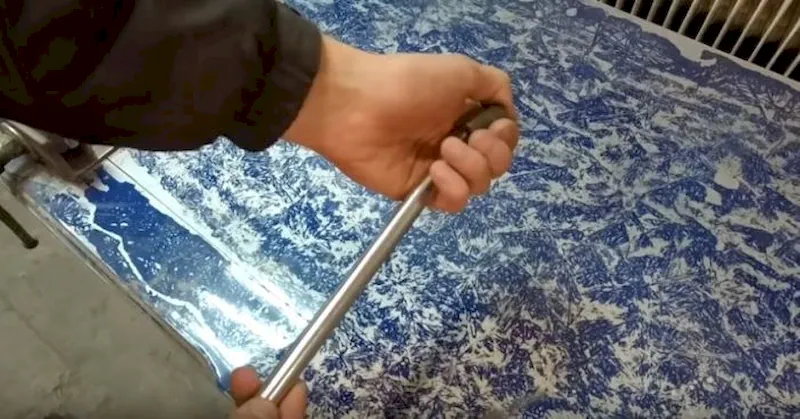
As mileage climbs, cars naturally develop wear and tear, and not all of it comes from under the hood. One of the most common issues is a sagging door. In most cases, the culprit is worn hinges. Over time, they drop slightly and no longer line up properly with the latch. In more severe situations, you may find yourself lifting the door by the handle just to close it—or slamming it harder than usual. That’s not something you want to ignore.
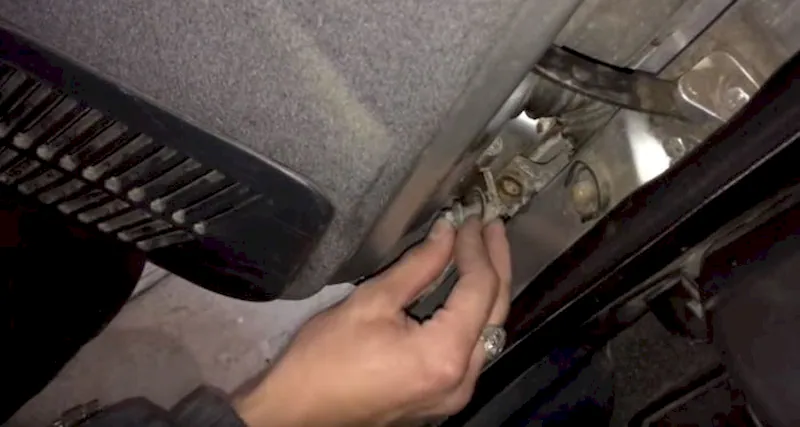
There are two simple ways to fix the problem.
The first method is adding washers to the lower hinge. Start by removing the bolt (or bolts) that hold the lower door hinge in place. Be prepared—it might take some force, so using a socket wrench is your best bet. Before loosening anything, open the door fully and brace it with your knee at the bottom corner to keep it from shifting.
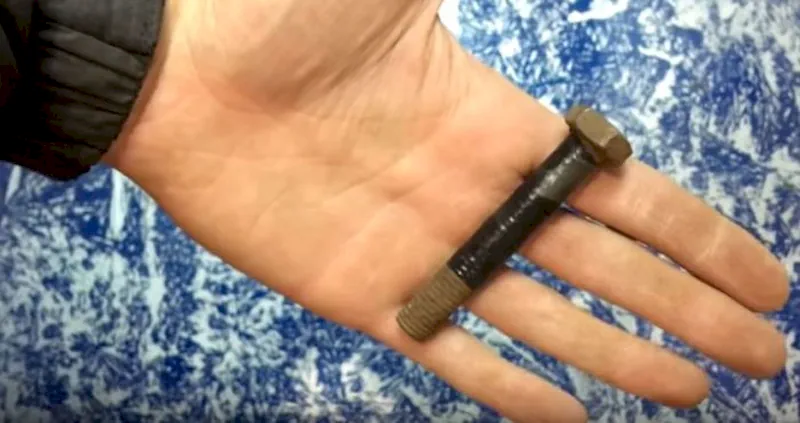
Once the bolts are out, place one or more washers between the hinge and the mounting point, then reinstall everything. If the door still sits too low, repeat the process with additional or thicker washers until the alignment looks right.
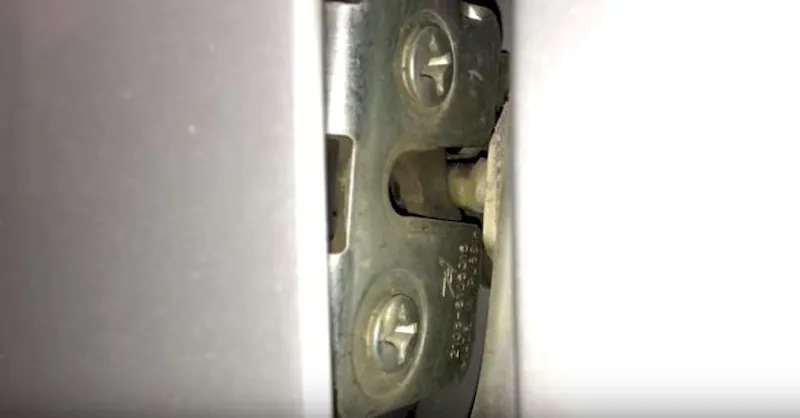
The second option involves slightly bending the lower hinge back into position. For this, you’ll need a bolt roughly 3/8 to 9/16 inch in diameter (equivalent to M10–M14). Wrap the middle of the bolt with electrical tape to protect the metal, then place it near the lower hinge and carefully close the door against it. This forces the hinge to adjust its angle.
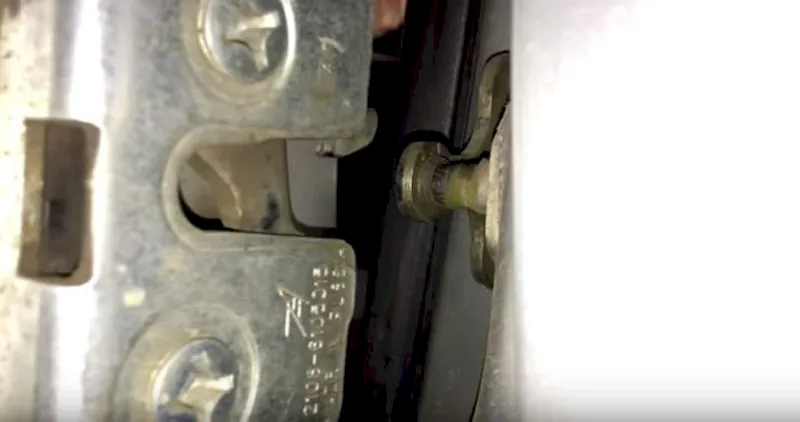
The key here is patience—make small, controlled movements and check your progress often to avoid overcorrecting.
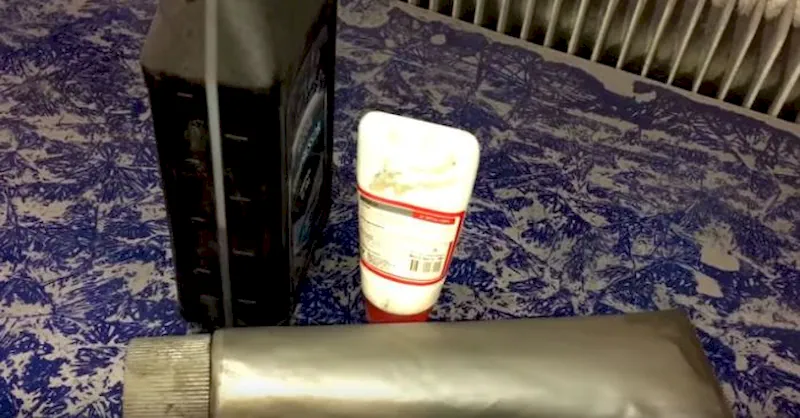
Whichever method you choose, don’t skip the final step: lubricate the door check (the mechanism that keeps the door from swinging freely). This helps eliminate the creaking noise that often shows up once hinge wear begins.
You may also be interested in the news:

12 Used Cars Retirees Should Know About—These Models Put Safety, Comfort and Reliability First
Great for Retirees: These Used Cars Stand Out for Safety, Reliability and Comfort
A Dirty Car Could Be Quietly Damaging Your Engine — And the Repairs Can Cost Thousands
A dirty car can threaten the engine, causing overheating, corrosion, fires, and costly mechanical failures.
Start/Stop Systems Are Everywhere — But Are They Really Saving You Gas or Wearing Out Your Engine?
Does start-stop technology really save fuel, and does it put extra wear on the engine? Here’s what drivers need to know.
3 Signs Your Car Battery Is About to Die — And the Warning Signs Drivers Often Miss
A failing car battery rarely dies without warning, and these three signs can give drivers time to act before getting stranded.
How to Park Close to a Curb Without Scratching Your Bumper: The Two-Mirror Method
How to Park Close to a Curb Without Scratching Your Bumper: The Simple Mirror Trick