
Five Popular Electric Vehicles Fall Short of Their Official Driving Range, Study Finds
Consumer Reports tested EV highway range and found several popular models delivered less than expected.
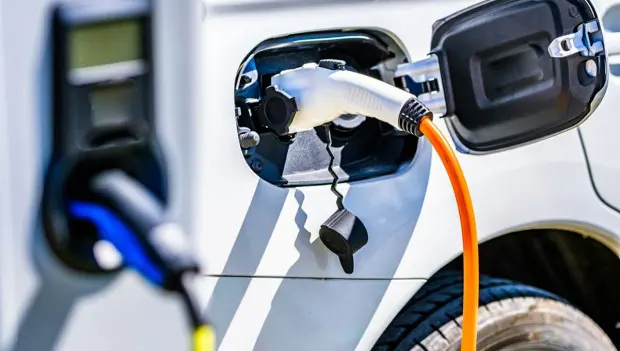
An electric vehicle that consumes about 33.7 kWh to travel 100 miles uses roughly the same amount of energy as about 0.8 gallons of gasoline. In theory, that level of efficiency represents a reasonable benchmark. But according to a recent study by Consumer Reports, many electric vehicles perform worse on real highways than buyers might expect. The findings were reported by TheStreet.
“Consumers need to understand how much real-world range they’re getting for their money,” said Alex Knizek. “If your battery runs out on the highway, you might have to call a tow truck, which can be both inconvenient and expensive.”
How the Tests Were Conducted
For this report, Consumer Reports conducted highway range tests using fully charged vehicles driven at a steady 68 mph until the battery was depleted. Test drivers continued driving even after the vehicle’s display showed zero remaining range, stopping only when the vehicle could no longer move under its own power.
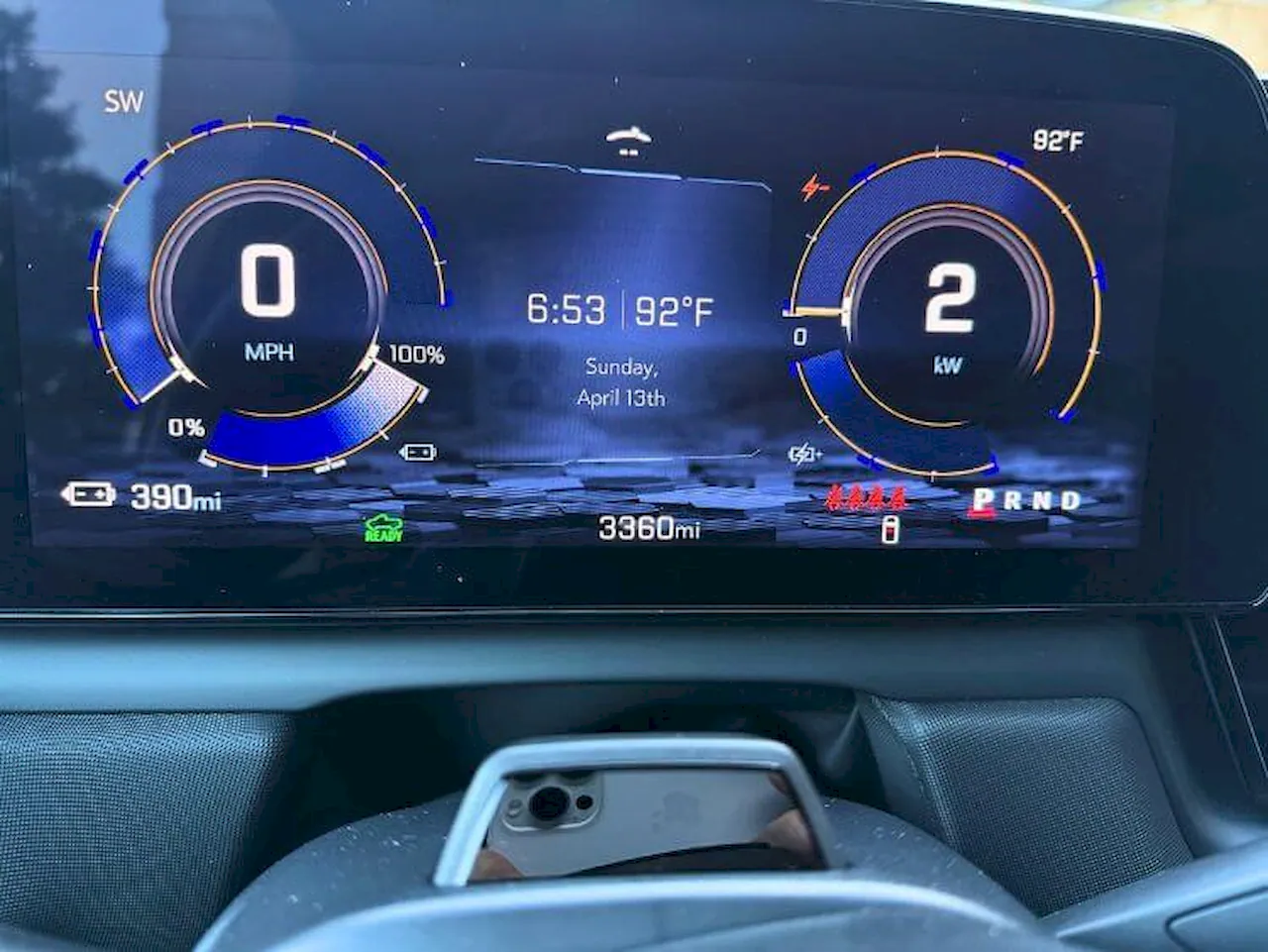
Electric Vehicles That Fell Short of EPA Range Estimates
Below are several vehicles tested by Consumer Reports that did not reach their official EPA-rated driving range, according to the organization’s highway testing.
Chevrolet Silverado EV
Model tested: 2024 Silverado EV RST AWD, 24-inch wheels
EPA-rated range: 493 miles
Consumer Reports highway range: 472 miles
Difference: 21 miles
Tesla Model S
Model tested: 2021 Model S Long Range AWD, 19-inch wheels
EPA-rated range: 410 miles
Consumer Reports highway range: 366 miles
Difference: 44 miles
Rivian R1S
Model tested: 2025 R1S Dual Max AWD, 22-inch wheels
EPA-rated range: 410 miles
Consumer Reports highway range: 358 miles
Difference: 52 miles
Lucid Air
Model tested: 2023 Air Touring AWD, 20-inch wheels
EPA-rated range: 396 miles
Consumer Reports highway range: 343 miles
Difference: 53 miles
Ford F-150 Lightning
Model tested: 2022 F-150 Lightning Lariat Extended Range AWD, 20-inch wheels
EPA-rated range: 320 miles
Consumer Reports highway range: 270 miles
Difference: 50 miles
Why the Gap Matters
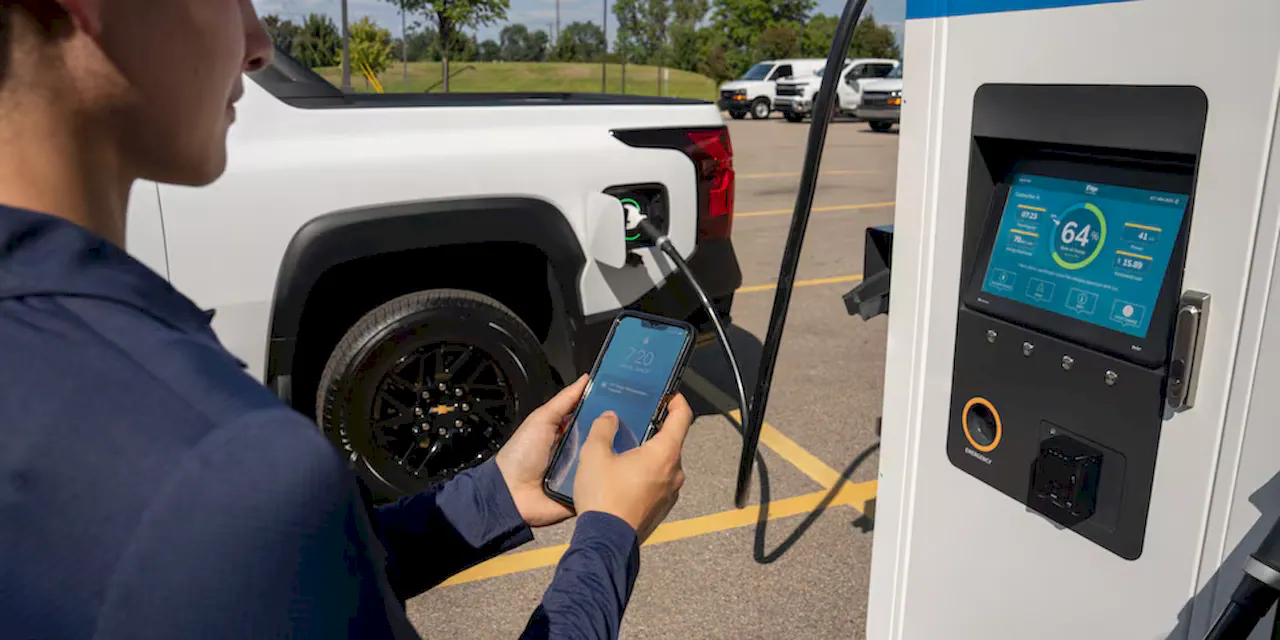
While these differences may not seem dramatic at first glance, they can become important during long-distance travel. Highway driving typically drains EV batteries faster than city driving, especially at higher speeds.
For drivers relying on official EPA numbers when planning road trips, real-world range differences can mean more frequent charging stops—or in extreme cases, the need for roadside assistance.
You may also be interested in the news:

Best Sedans for Interior Space: The Roomiest Cars of 2026
These six sedans offer generous legroom and shoulder room, giving families a comfortable alternative to larger SUVs for long trips.

Best Cars for Teen Drivers: Affordable and Safe Picks
These affordable used and new vehicles combine strong safety ratings, reliability, and reasonable prices for young drivers and their families.
Buick and Cadillac Just Took the Biggest Satisfaction Hit in America—Toyota Went the Other Way
Cadillac and Buick posted the steepest customer satisfaction declines in the latest ACSI study, while Toyota once again claimed the top spot.
12 Used Cars Retirees Should Know About—These Models Put Safety, Comfort and Reliability First
Great for Retirees: These Used Cars Stand Out for Safety, Reliability and Comfort
Volkswagen Recall Bombshell: 250,000+ Vehicles Hit by Steering Failure and Sudden Engine Stall Risks
Volkswagen is recalling more than 250,000 vehicles in the U.S. over steering, software and engine-stall concerns.