
Good News: Porsche Has No Plans to Turn the 911 Into an EV
Porsche's CEO says the iconic sports car will stick with gas engines and hybrids.
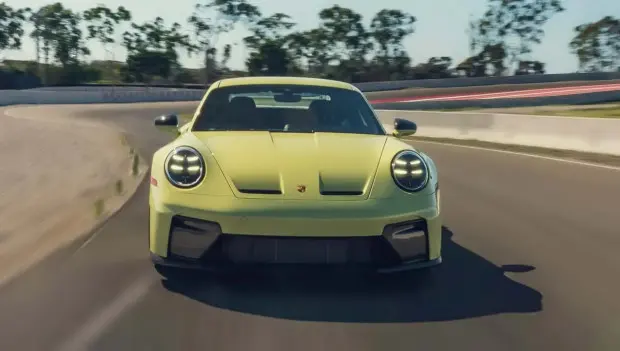
Porsche has no intention of turning the 911 into a fully electric vehicle. CEO Michael Leiters recently confirmed that the company has no plans to develop a battery-powered version of its most iconic sports car. Instead, the 911 will continue to rely on internal combustion engines and increasingly sophisticated hybrid powertrains.
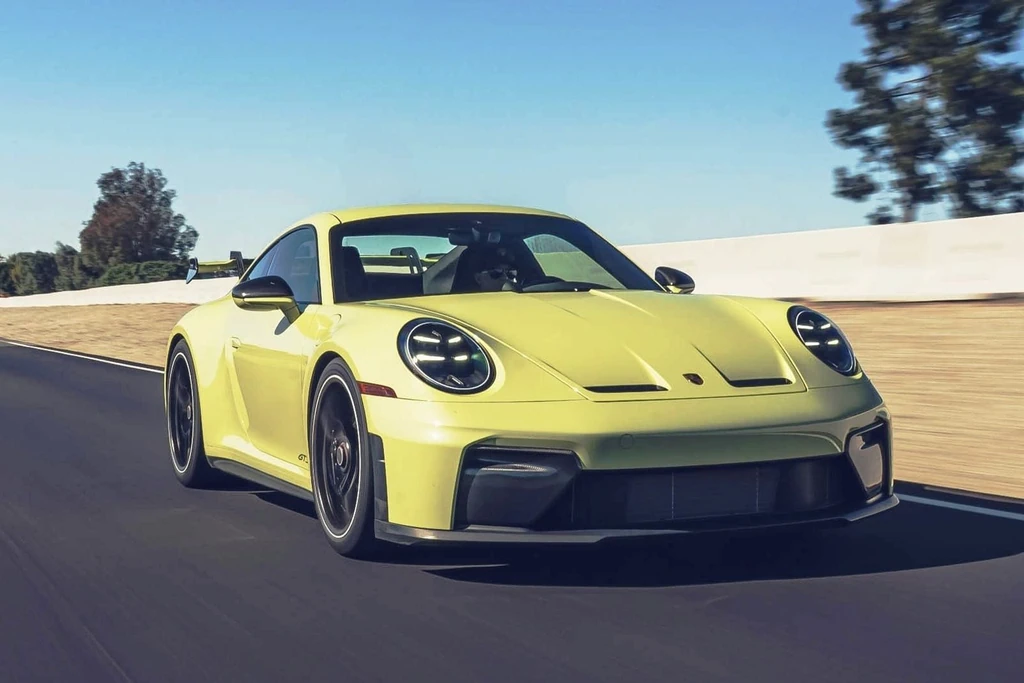
For Porsche enthusiasts, the announcement is significant. Over the past several years, the automaker has pushed aggressively into the EV space with the Taycan, introduced an all-electric Macan, and repeatedly adjusted its long-term product strategy. Against that backdrop, questions about the future of the 911 were inevitable.
Now, the answer is official: there will be no fully electric Porsche 911.
According to Leiters, Porsche will continue investing in EVs, but only in segments where customers genuinely want them. The 911, he said, is not one of those vehicles. For this model, the engine is more than just a source of power — it's an essential part of the car's identity and driving experience.
That doesn't mean Porsche is abandoning electrification altogether. The 911 lineup has already begun embracing hybrid technology, and the company intends to expand those offerings in the years ahead. But the focus will remain on hybrid systems rather than replacing the gasoline engine entirely.
The decision aligns with Porsche's evolving strategy. Not long ago, the company was betting heavily on EVs, but executives have since acknowledged that the market's transition to electric vehicles is happening more slowly than expected. As a result, Porsche is placing greater emphasis on hybrid powertrains and maintaining flexibility across its lineup.
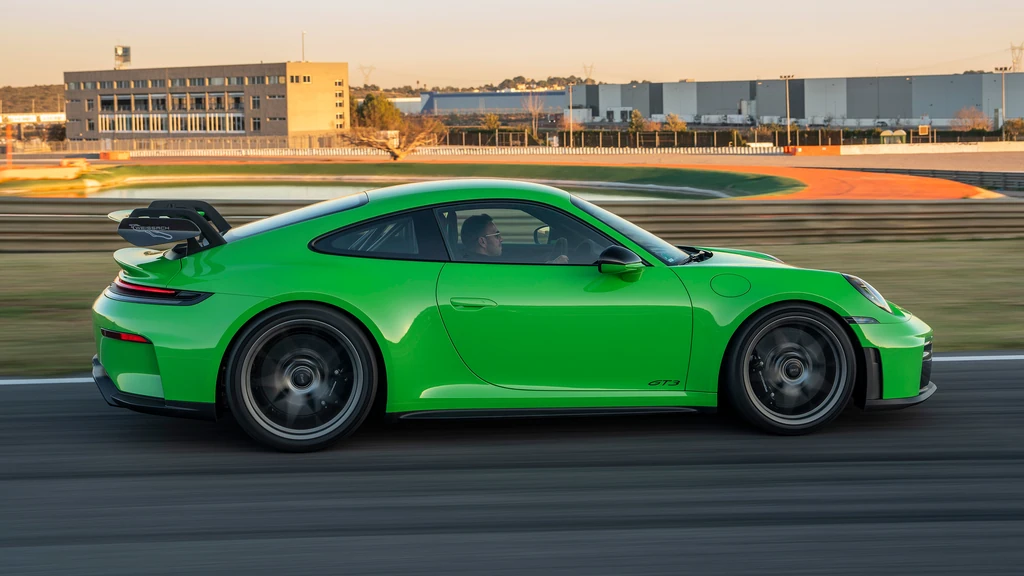
That philosophy is especially important when it comes to the 911. Over the decades, the model has become the very symbol of Porsche, and a sudden shift to a fully electric setup would be a major gamble. Even if an EV version delivered superior performance figures, it would inevitably lose some of the mechanical connection between driver and machine that has made the 911 legendary.
For that reason, Porsche's decision makes perfect sense. Electric vehicles will remain an important part of the brand's future, but the 911 will continue following its own path. At least for the foreseeable future, Porsche's flagship sports car will remain powered by a gasoline engine — albeit one increasingly supported by hybrid technology.
You may also be interested in the news:

Cord Returns in 2028: From Vintage Style to Space-Age Futurism — What Models Could We See?
Cord cemented its place in automotive history with two iconic models that pushed American design and engineering forward.
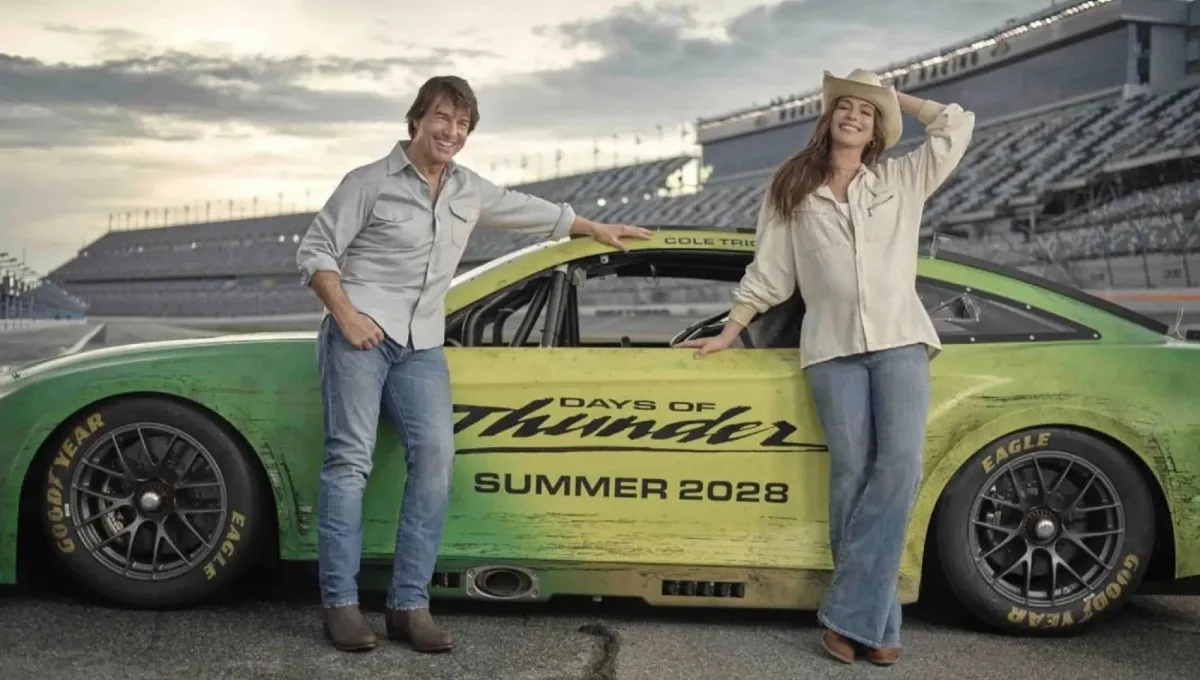
Sequel to Days of Thunder Gets a Release Date
Tom Cruise has announced that a sequel to the popular motorsports movie starring him will be released in summer 2028.
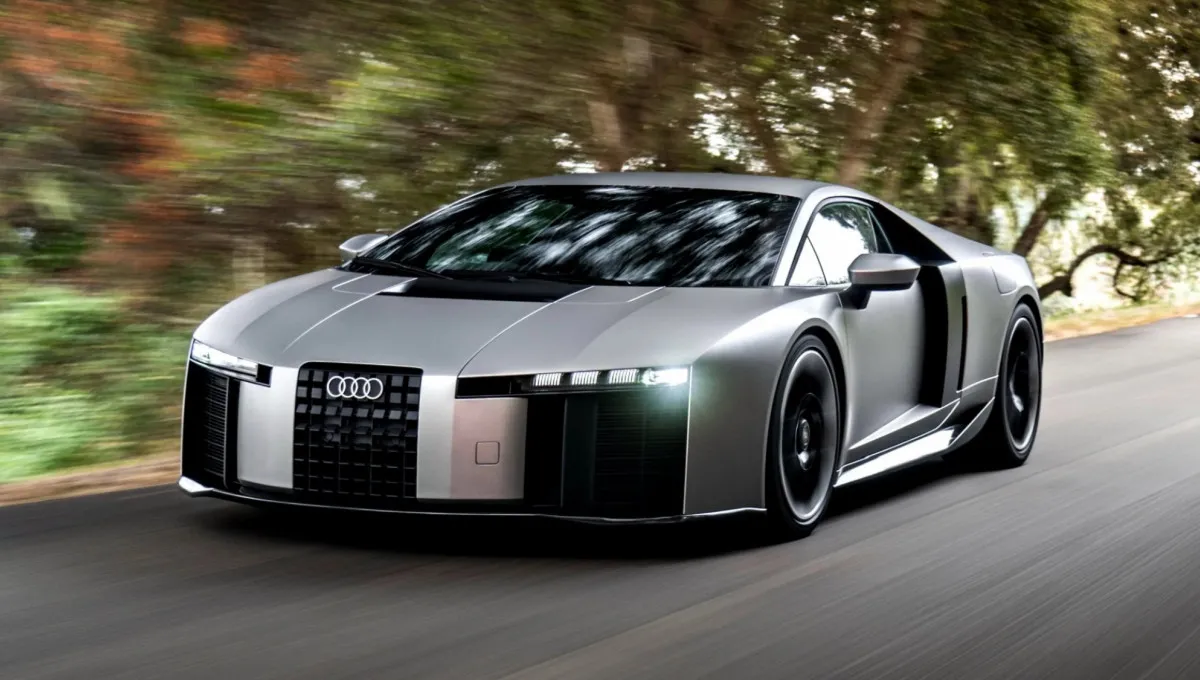
Porsche Could Build Supercar Based on Audi Nuvolari
Porsche’s next flagship could use Audi architecture, creating a new supercar positioned well above the 911 in the lineup.
Dreame Shuts Down Automotive Business and Winds Down Starry Sky Project
Dreame’s automotive venture is being wound down after just one year, following sweeping layoffs and a rapid retreat from the industry.
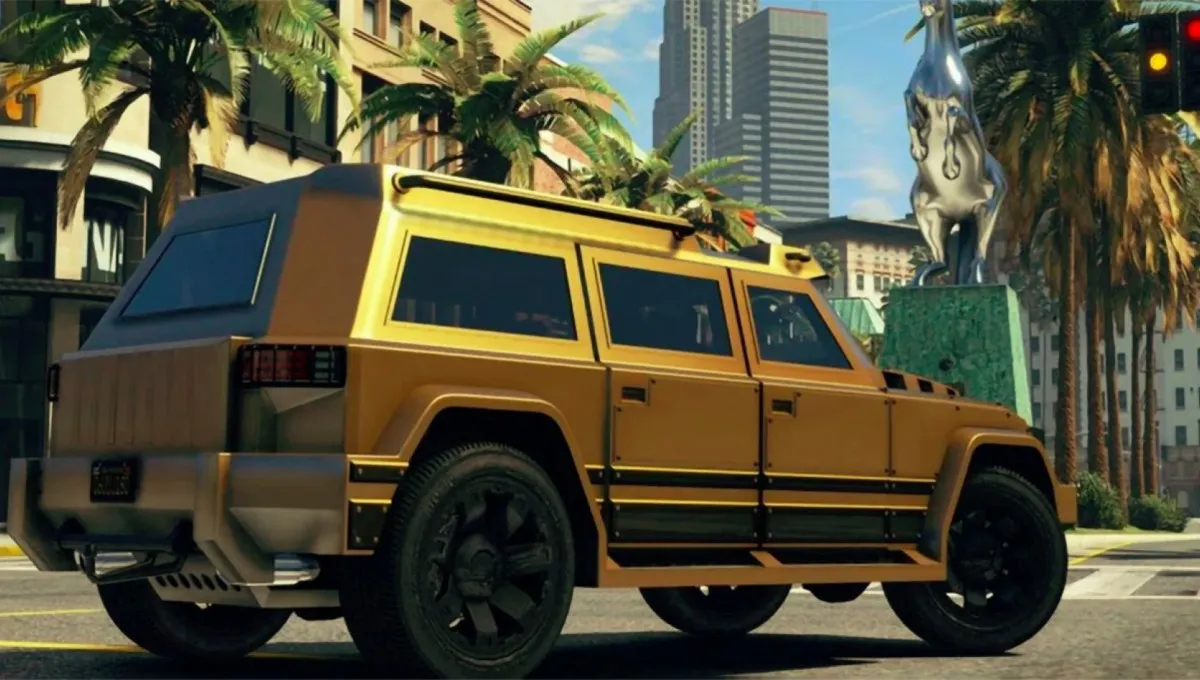
Million-Dollar Nightshark: Tuner Shop Builds a Real-Life GTA Armored SUV
This is the monster on wheels that has terrorized GTA players since 2017 with its imposing size and heavy armor.