
7 Hot-Weather Mistakes Drivers Make: What You’re Doing Wrong With Tires and A/C
Extreme summer temperatures can put extra stress on your vehicle and create unexpected risks for drivers.
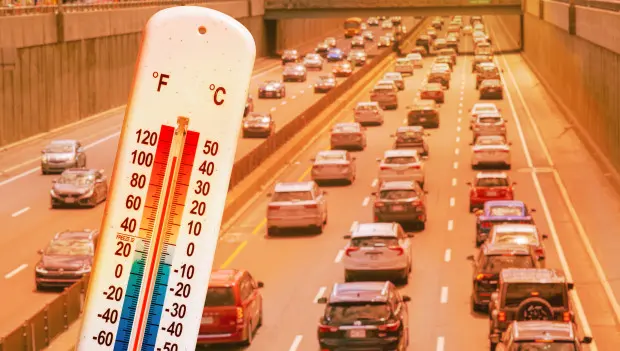
Summer heat can take a toll on both your vehicle and the person behind the wheel. High temperatures place additional strain on the engine, cooling system, air conditioning, tires, and other critical components. Yet many drivers underestimate the challenges that come with hot weather and continue using their vehicles as usual without adjusting to seasonal conditions.
1. Neglecting the Engine Cooling System
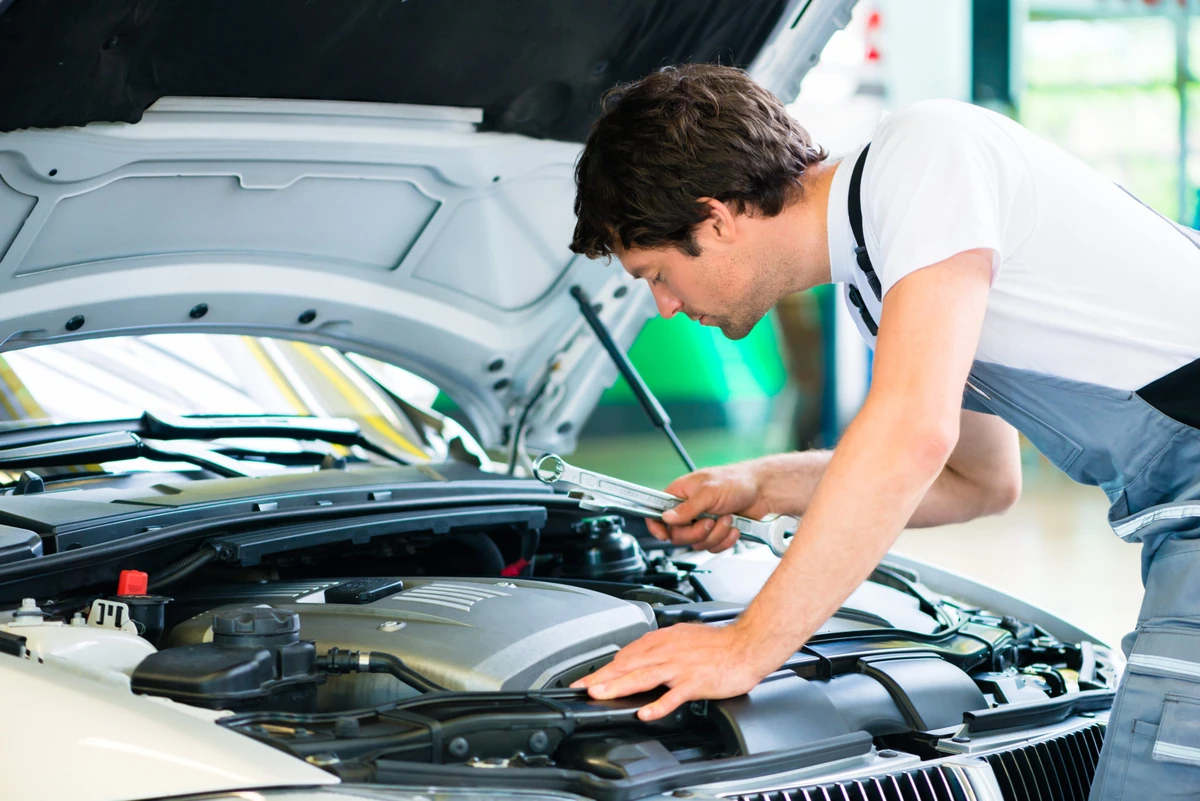
Your cooling system is responsible for keeping the engine operating at a safe temperature. During the summer months, that job becomes even more important because the engine is constantly dealing with higher ambient temperatures.
Many drivers do little more than check the coolant level occasionally, overlooking the rest of the system. A clogged radiator, worn hoses, a faulty thermostat, or a malfunctioning cooling fan can all contribute to overheating.
Engine overheating at highway speeds is especially dangerous. If the temperature gauge starts creeping into the red zone, continuing to drive could result in warped engine components or a blown head gasket.
2. Using the Air Conditioner Incorrectly
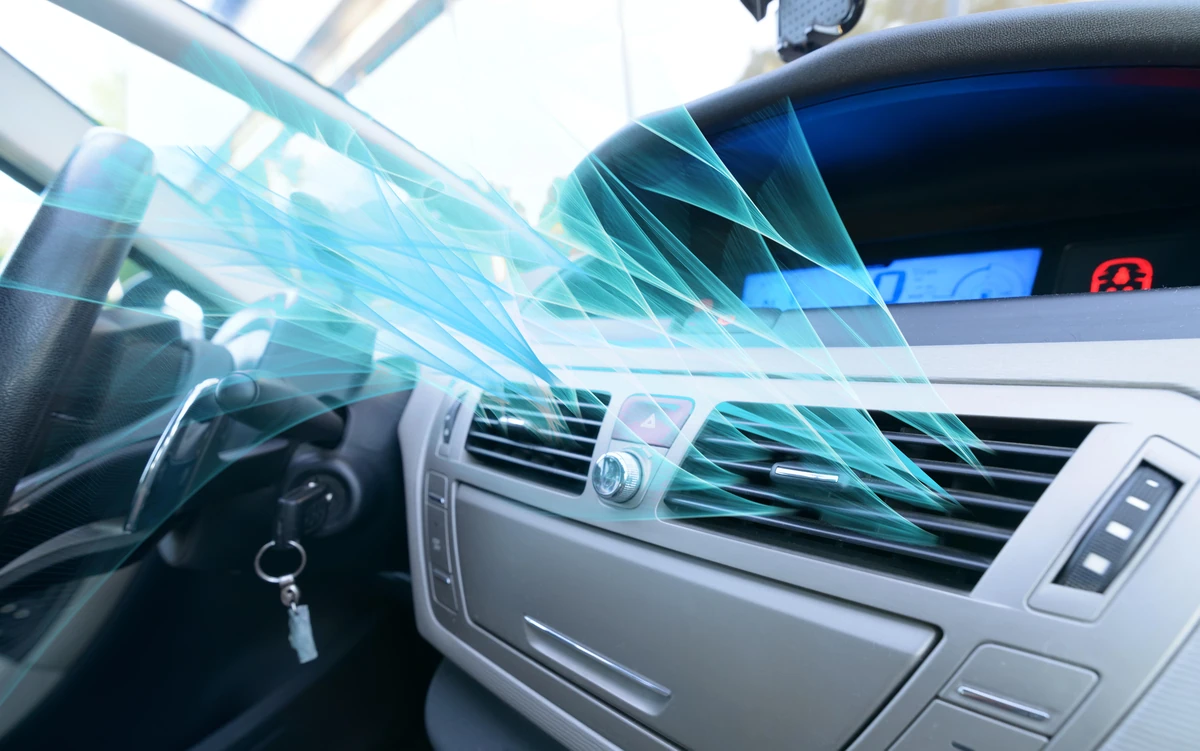
One of the most common mistakes is blasting the A/C at its coldest setting and highest fan speed the moment you get into the car. Doing so puts extra strain on the compressor and other climate-control components.
Instead, crack the windows or open the doors for a few minutes to let trapped heat escape before turning on the air conditioning. This helps cool the cabin more quickly. It's also wise to avoid setting the temperature excessively low, as a dramatic difference between outdoor and cabin temperatures can make passengers uncomfortable.
3. Failing to Inspect Tires Frequently
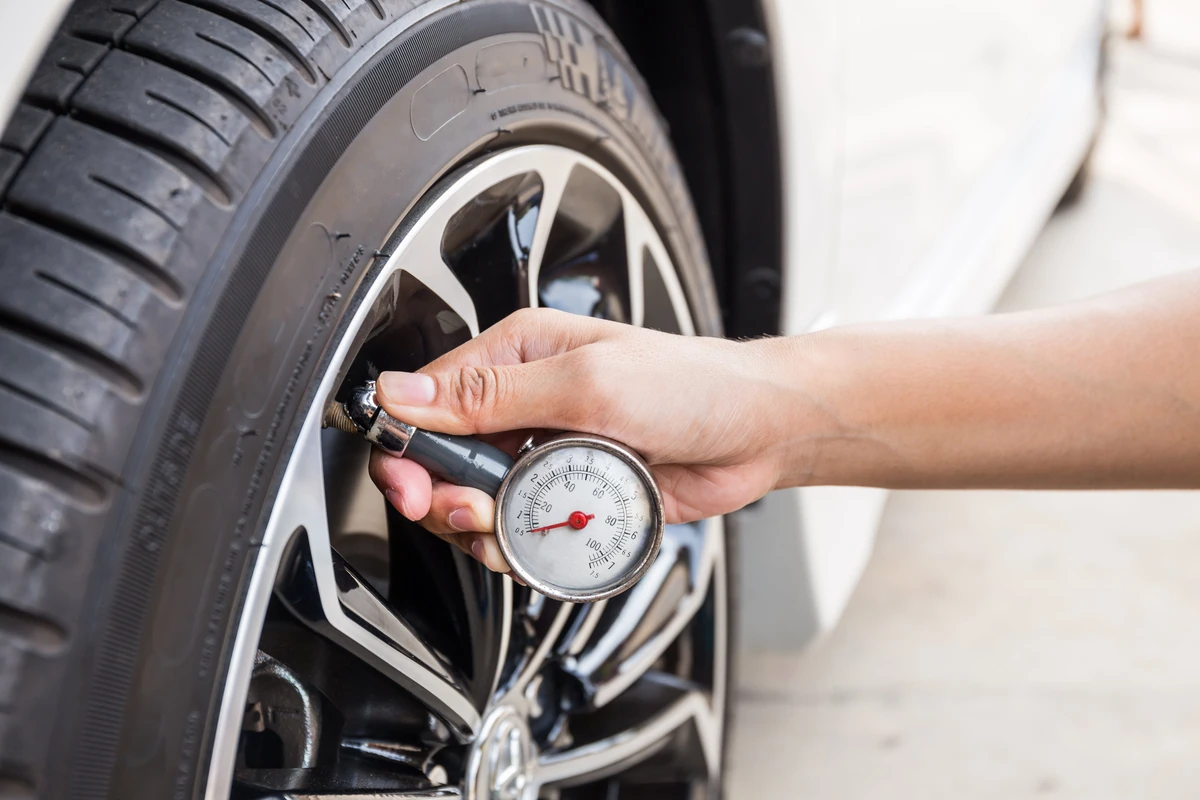
Some motorists don't think about their tires until obvious wear appears. During the summer, however, tire condition deserves more attention. Drivers should regularly check:
- Tire pressure;
- Tread depth;
- Cuts and cracks;
- Sidewall condition.
Underinflated or overinflated tires can affect handling and accelerate wear. Existing damage becomes even more problematic in extreme heat, increasing the risk of a blowout.
4. Leaving Heat-Sensitive Items Inside the Vehicle
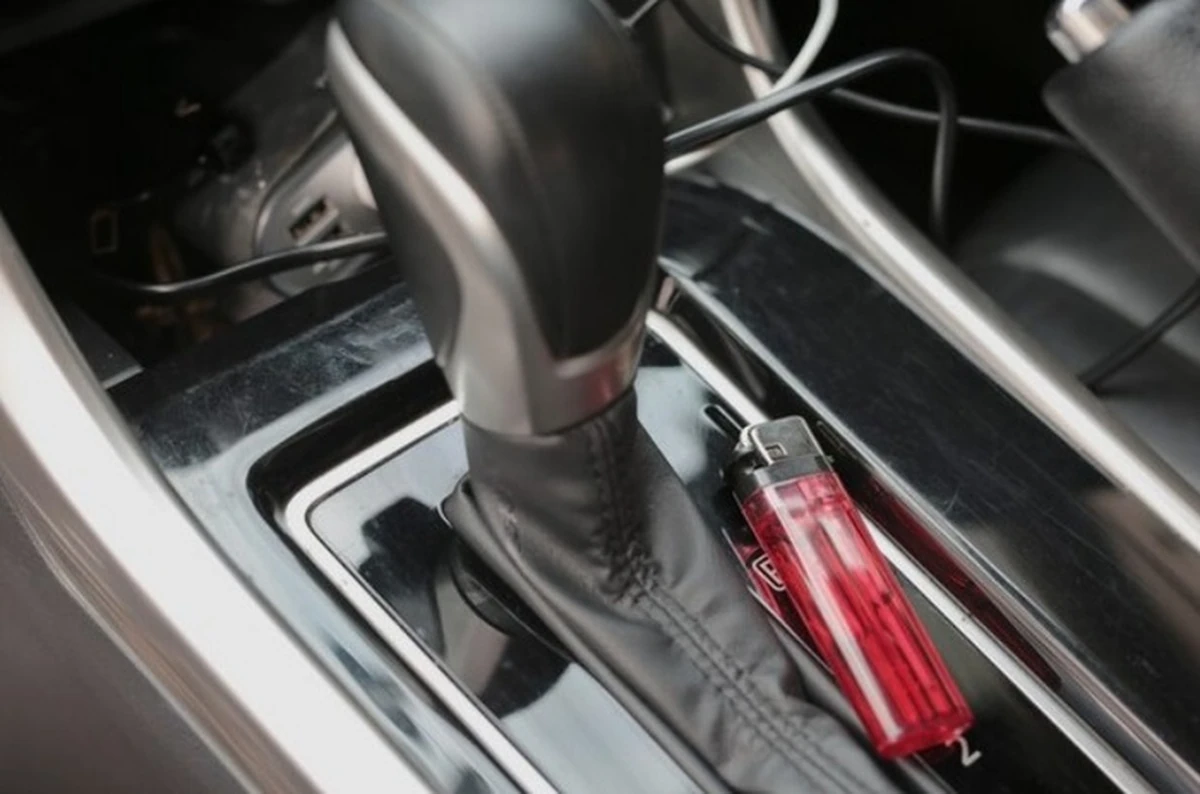
Hot weather can turn everyday objects into potential hazards. Electronics aren't the only concern—many common items left inside the cabin can become damaged or even pose safety risks.
Extra caution should be taken with:
- Aerosol cans;
- Cigarette lighters;
- Battery-powered devices;
- Smartphones and tablets.
High temperatures can damage plastic components and affect liquids left inside the car. Before parking in direct sunlight, take a moment to remove anything that could be harmed by excessive heat.
5. Ignoring Your Own Physical Condition

Long drives without breaks can be particularly dangerous. Drivers often underestimate the effects of dehydration and continue driving even after fatigue sets in.
Reduced concentration can lead to poor decisions, slower reactions, and a greater chance of being involved in a crash. Staying hydrated, taking regular breaks, and maintaining a comfortable cabin temperature can help keep you alert behind the wheel.
6. Sitting in a Parked Vehicle With the A/C Running
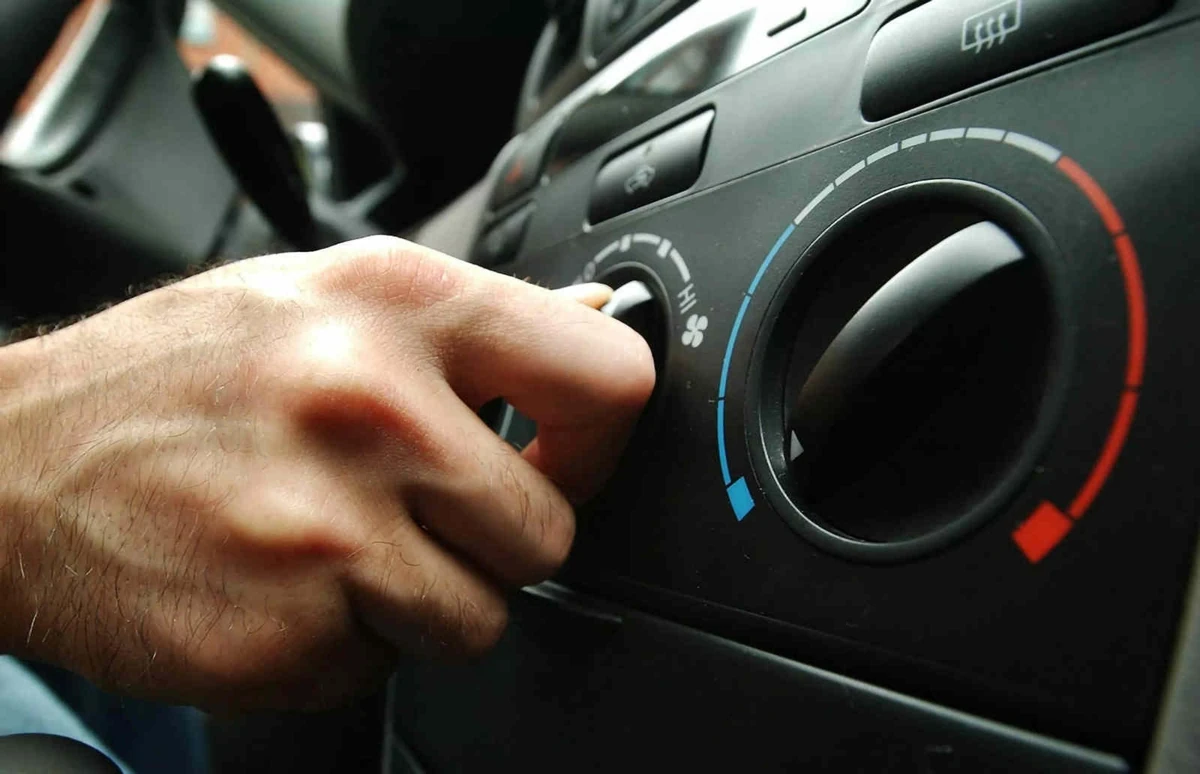
Allowing the engine to idle for extended periods burns extra fuel and places additional stress on various vehicle systems. The cooling system, in particular, must work continuously to maintain engine temperature when outside conditions are extremely hot.
Running the air conditioner while the vehicle is stationary for long periods can also contribute to wear on climate-control components. The strain becomes even greater when the car is parked in direct sunlight. Whenever possible, choose a shaded parking spot and avoid leaving the engine running longer than necessary.
7. Towing in Extreme Heat
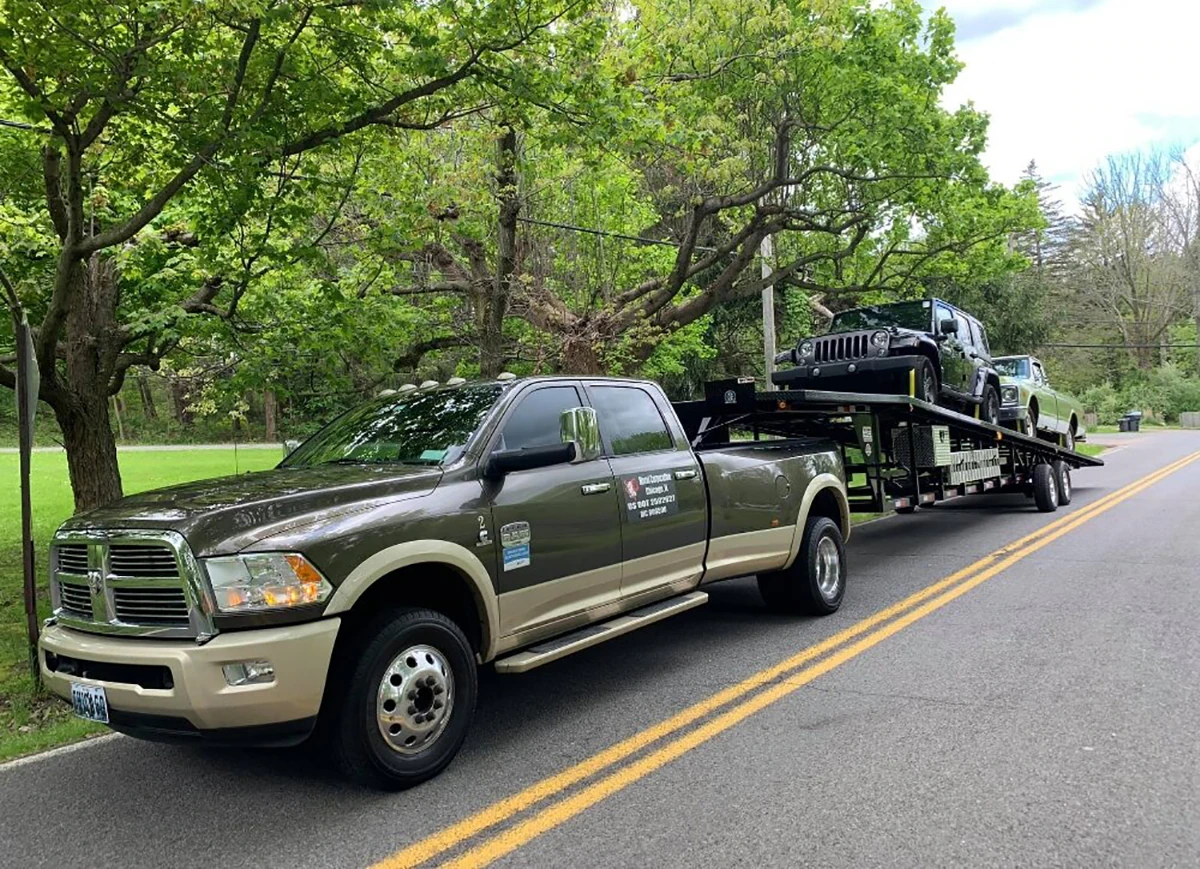
Pulling a trailer or towing another vehicle forces the engine to work harder, causing temperatures to rise throughout the drivetrain. Long highway trips, steep grades, and stop-and-go traffic are especially demanding and can significantly increase the risk of overheating.
Drivers planning to tow should make sure the cooling system is in good condition and monitor the gauges while on the road. Avoiding hard acceleration and maintaining moderate speeds can help reduce stress on the vehicle and minimize the chances of mechanical problems during the trip.
You may also be interested in the news:
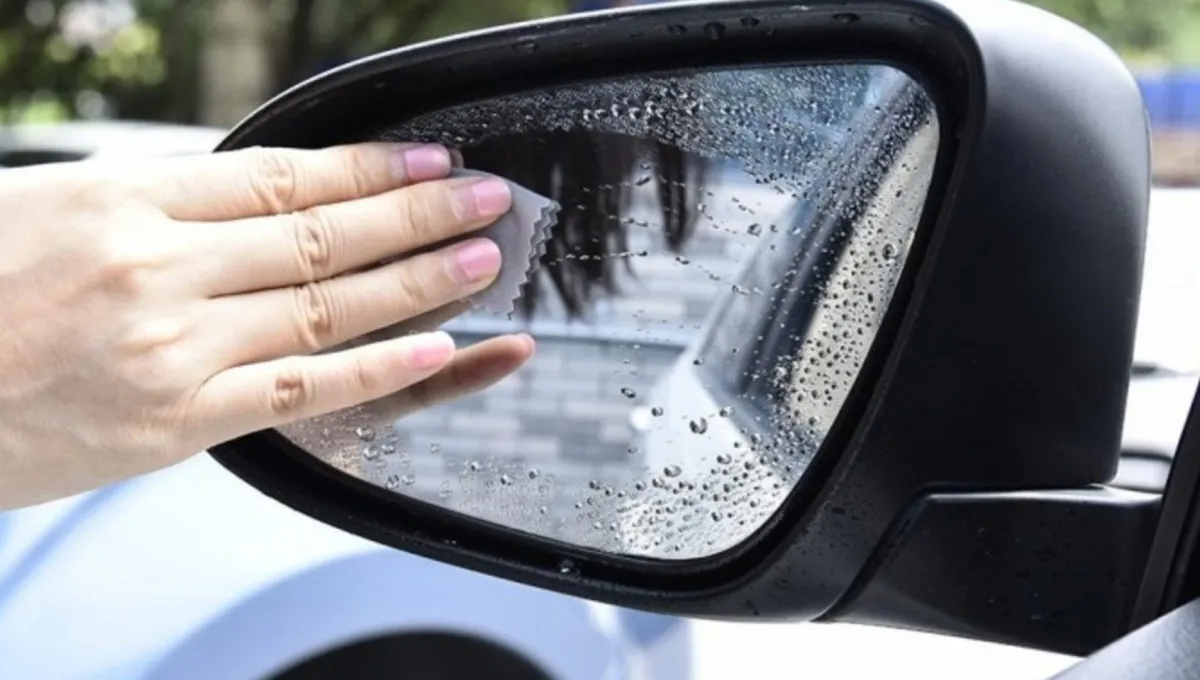
How to Protect Your Car Mirrors From Rain: A Simple Home Hack
A simple household product can help keep your car’s side mirrors clearer when rain makes visibility a challenge.
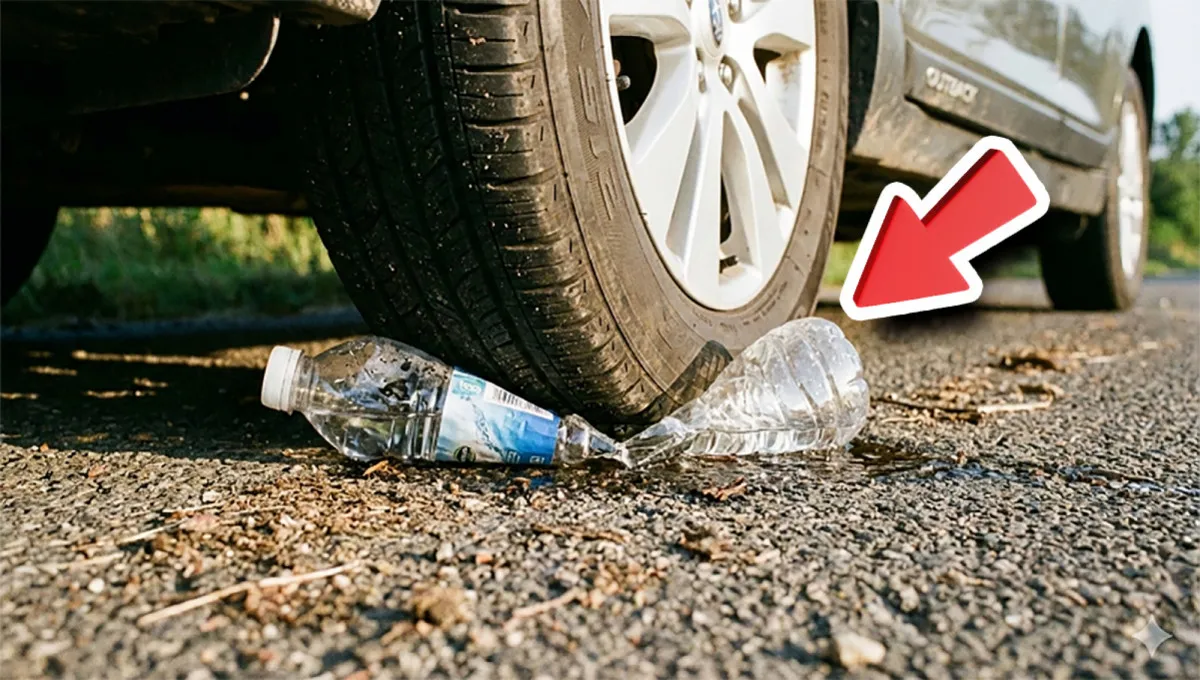
Bottle Under the Tire: The New Roadside Scam Targeting Drivers
A new roadside scam is gaining traction, using a simple plastic bottle to trick unsuspecting drivers.

Why Your Neighbor Always Parks With the Wheels Turned: An Auto Expert Explains Three Reasons
Straight wheels aren’t always the smartest choice: experienced drivers turn them for three practical reasons you may not expect.
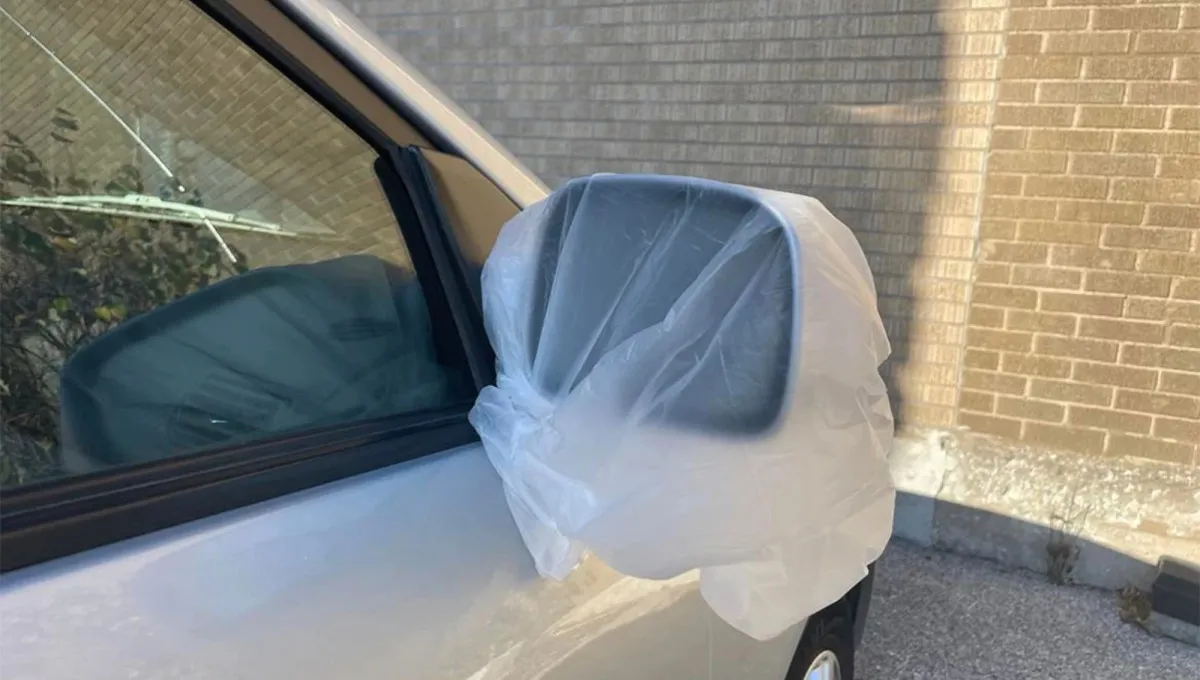
Why You Should Never Ignore a Plastic Bag on Your Car Mirror
You park your car, head inside, and return a short time later to find an ordinary plastic bag hanging from the side mirror.

Auto Expert Warns Drivers About Common Mistakes When Installing a Roof Cargo Box
Roof cargo boxes have become increasingly popular with drivers looking for an easy way to carry more gear on road trips.