
Ford Escort Alan Mann 68 Edition Is a Time Machine With a Roll Cage
Boreham Motorworks has recreated one of the rarest racing Escorts ever built with near-obsessive attention to detail.
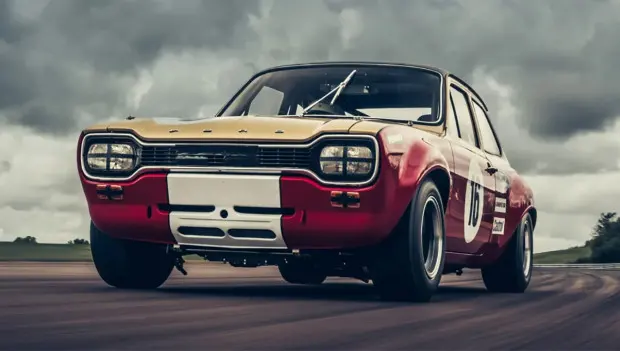
At first glance, you might think you're looking at the original Ford Escort Alan Mann Racing car from 1968. The wide fenders, gold-and-red livery, and compact, aggressive proportions are all there.
But this isn't the championship-winning machine driven by Frank Gardner. Nor is it another restomod stuffed with carbon fiber, leather, and a high-revving modern engine. Instead, Boreham Motorworks and Alan Mann Racing have taken a different approach: they have painstakingly recreated one of Britain's most famous touring cars almost exactly as it was.
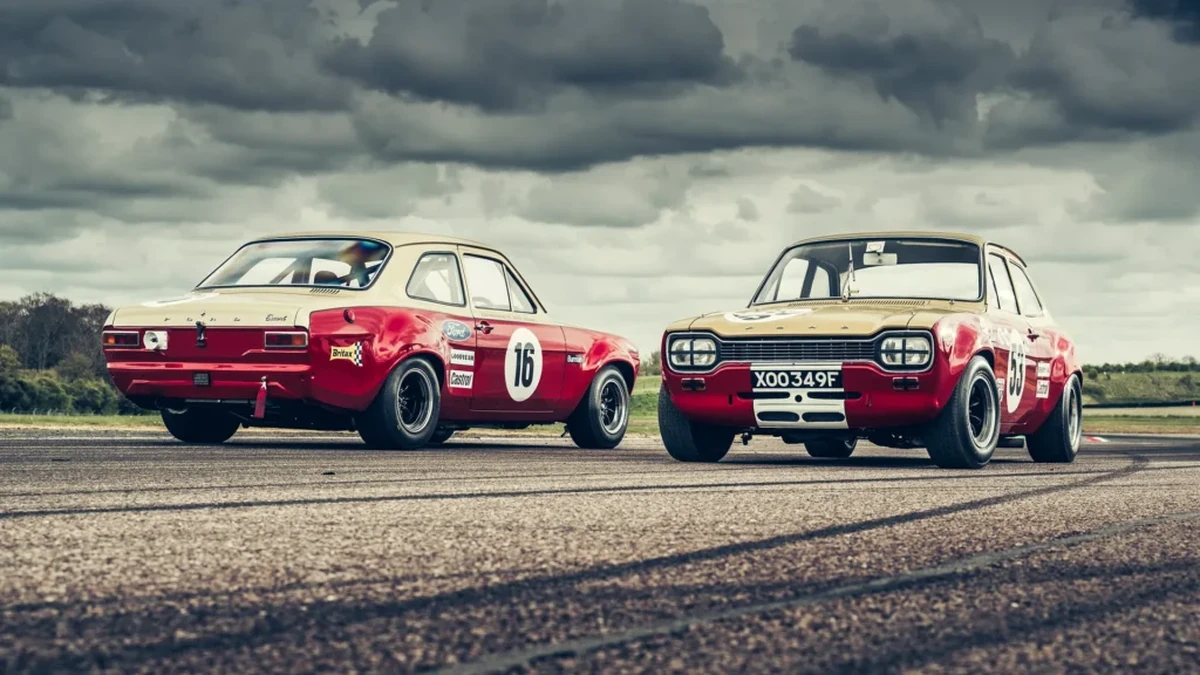
The car in question is the Group 5 Ford Escort that captured the 1968 British Saloon Car Championship. Only 24 examples of the new Escort Alan Mann 68 Edition will be built, all intended exclusively for track use and historic racing. Pricing hasn't been announced, but this is one of those cars where asking about the sticker price probably means it's beyond your budget.
A Reconstruction, Not a Restomod
The project started with the original Escort Alan Mann Racing car bearing registration number XOO 349F. Engineers dismantled, scanned, and documented virtually every component to understand how the car had been built. The result is a machine that remains remarkably faithful to the original, although modern safety requirements have added a roll cage, updated racing seats, harnesses, a fire-suppression system, and a cleaner switch panel.
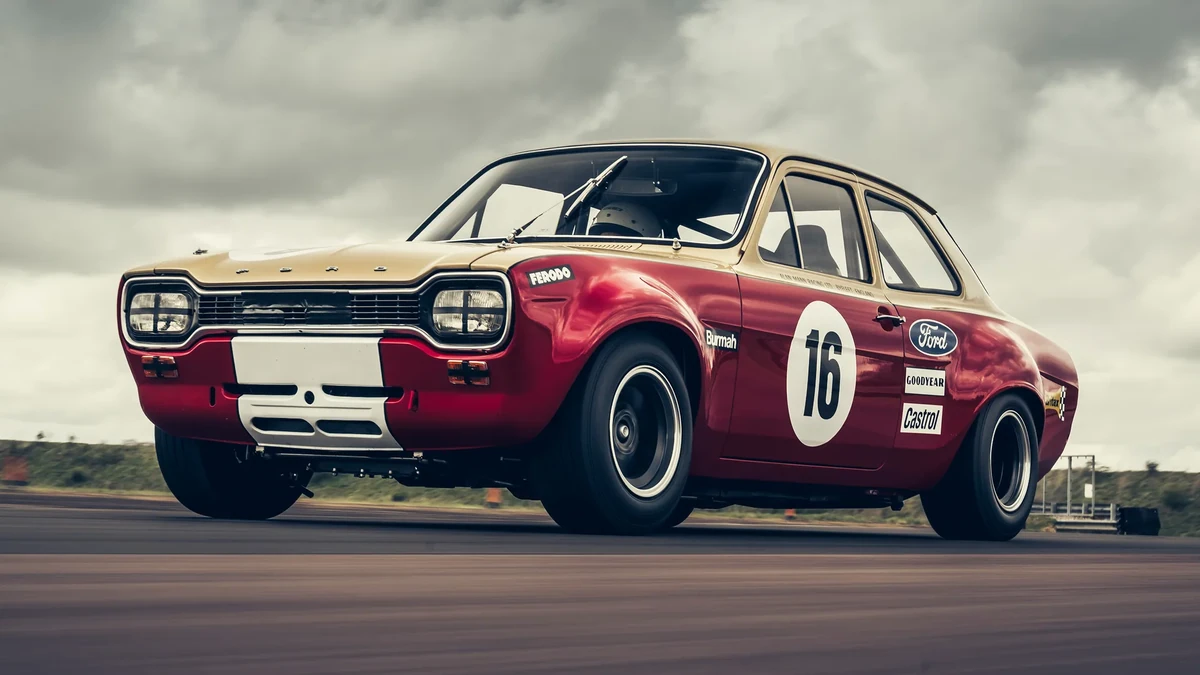
Parked alongside the original at Thruxton Circuit, the recreated car is almost impossible to distinguish from its inspiration. Perhaps the old paint has a slightly richer hue, thanks to chemical formulas that are no longer legal, but the differences are subtle.
That authenticity is what sets this project apart. Boreham is already building a separate Escort Mk1 RS restomod with a 10,000-rpm TEN-K engine and a price tag reaching into six figures. The Alan Mann 68 Edition, however, isn't about modern performance. It's about experiencing the car exactly as racers did in the late 1960s.
Mechanical Simplicity
Instead of a modern powertrain, the car uses a naturally aspirated 1.8-liter Lotus Twin Cam engine producing 205 horsepower at 8,000 rpm. Power is sent through a four-speed manual transmission, while torsion-bar suspension remains part of the package.
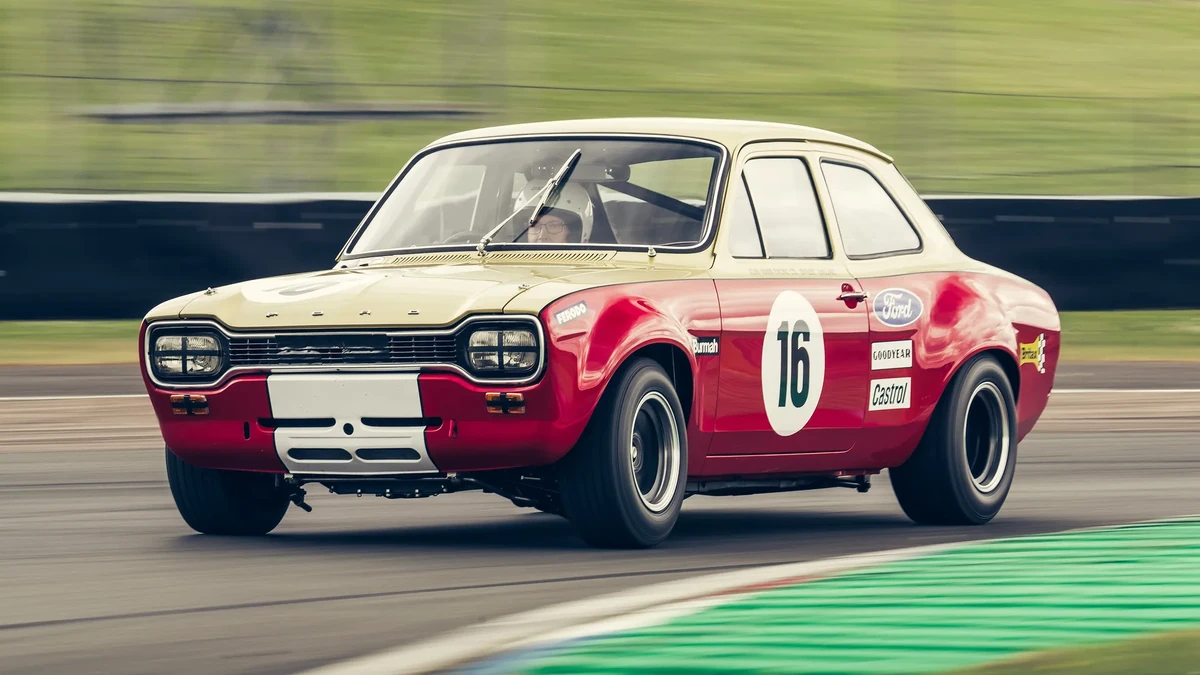
Dry weight is just 1,753 pounds, and curb weight comes in at roughly 1,940 pounds with fluids onboard. By today's standards, 205 horsepower may not sound intimidating, but in a lightweight chassis like this one, it's more than enough.
The wide fenders that later became iconic weren't added for style. Group 5 regulations allowed considerable freedom, and Alan Mann Racing took full advantage. Rear tires measured nearly 10 inches wide, while fronts approached 8.5 inches, forcing substantial modifications to the Escort's body and suspension geometry.
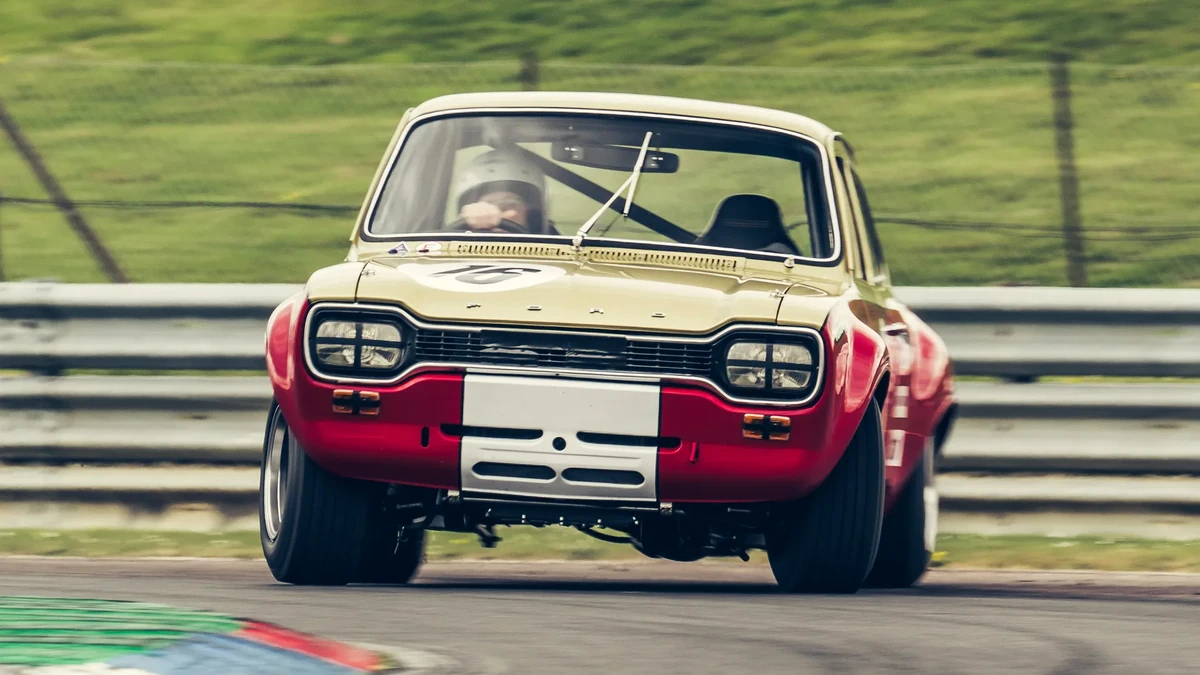
Even the steering column was repositioned for a more direct angle. During the 1960s, Group 5 racing rewarded creativity, and if a solution made the car faster and didn't violate the rules, engineers were willing to try it.
Alive at Speed
Driving the Alan Mann 68 Edition requires a change in mindset. At low speeds, the car can feel awkward. The twin-plate racing clutch demands plenty of revs, first gear isn't always easy to find, and vibrations are constant. Initially, it almost feels like all four wheels are arguing over where to go.
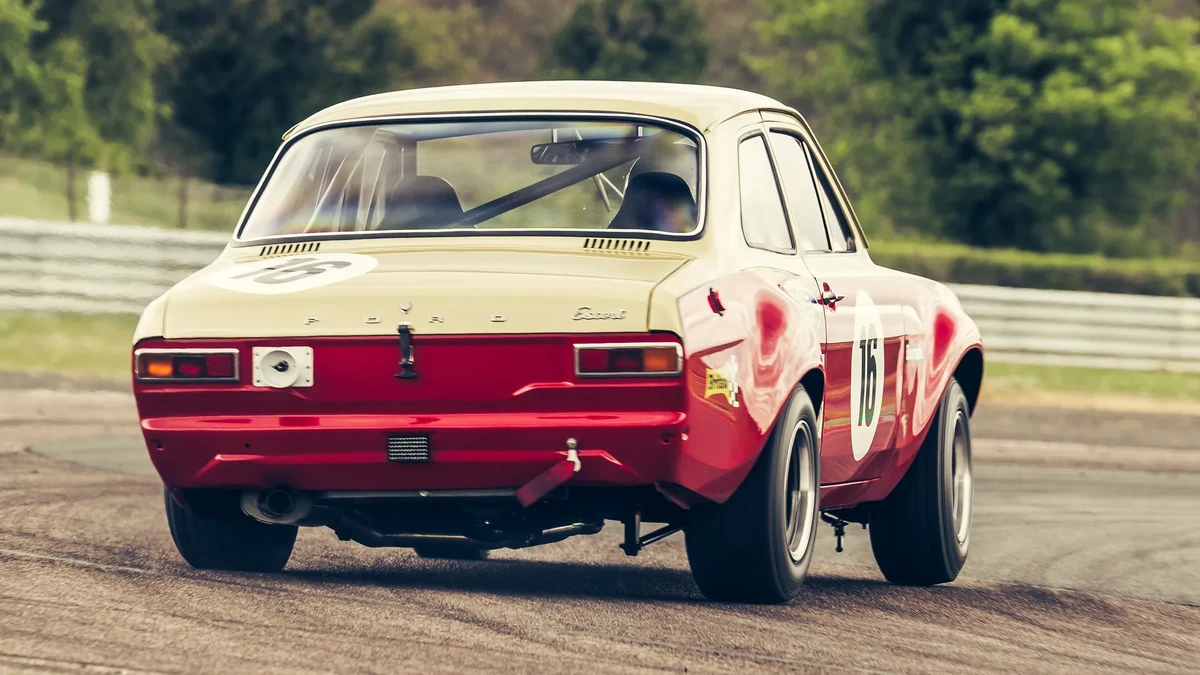
But once the pace increases, everything clicks into place.
Like many true race cars, this Escort comes alive when pushed hard. The suspension starts working properly, the engine wakes up, and the entire chassis suddenly feels cohesive. Cruising isn't its natural environment. Speed is.
Unlike modern race cars that isolate the driver with precision and electronics, the Escort constantly demands input. Steering, throttle, gear changes, weight transfer, and braking all require attention. Even on a straightaway, the car never stops communicating.
Its responses are immediate. Small throttle adjustments don't just change speed—they alter the car's balance. Lift slightly, and weight moves forward. Feed in power, and the rear tires load up. There are no filters and no computers standing between the driver and the machine.
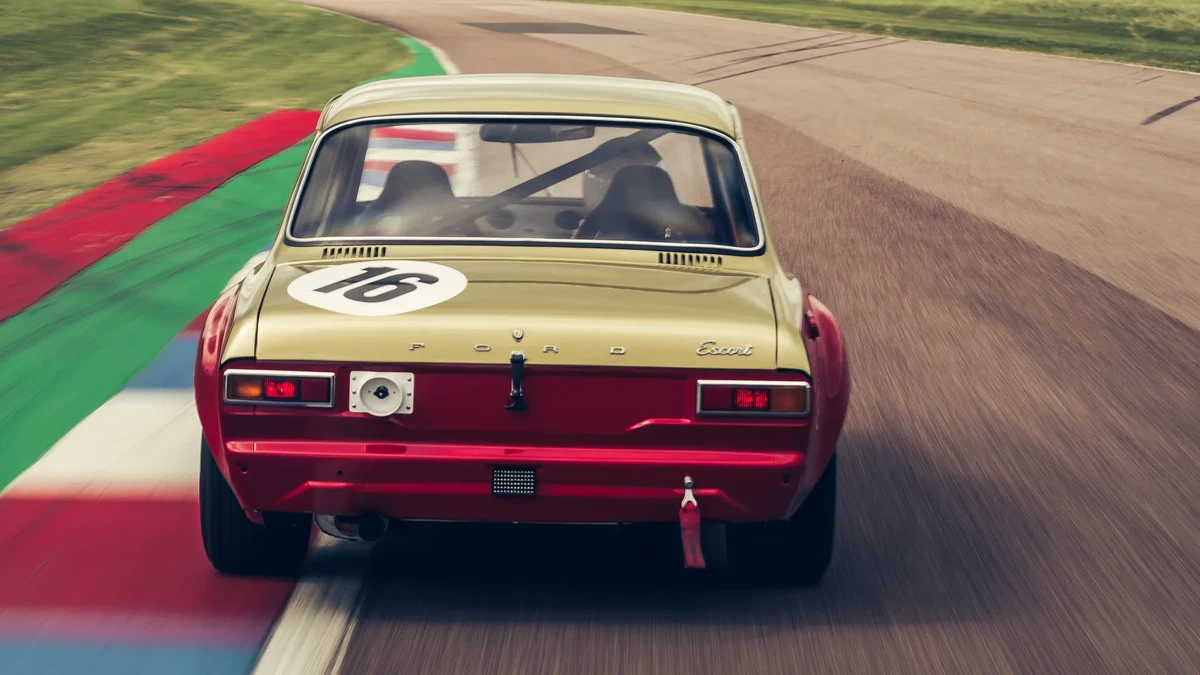
The brakes are stronger than expected, but the Escort rewards a classic approach. Release the brakes early, let the car rotate, and then settle the rear with throttle. In many ways, the gas pedal becomes as important as the steering wheel.
After softening the rear dampers, the car settles beautifully into fast corners, leaning onto the outside rear tire just as period photographs show. The result is that unmistakable four-wheel drift characteristic of vintage touring cars.
The Joy of an Analog Race Car
Modern performance cars are incredibly capable, but many have become so efficient that they remove some of the driver's workload. The Escort takes the opposite approach. Every adjustment matters. Tire pressures, suspension settings, and damper tuning all have a noticeable effect.
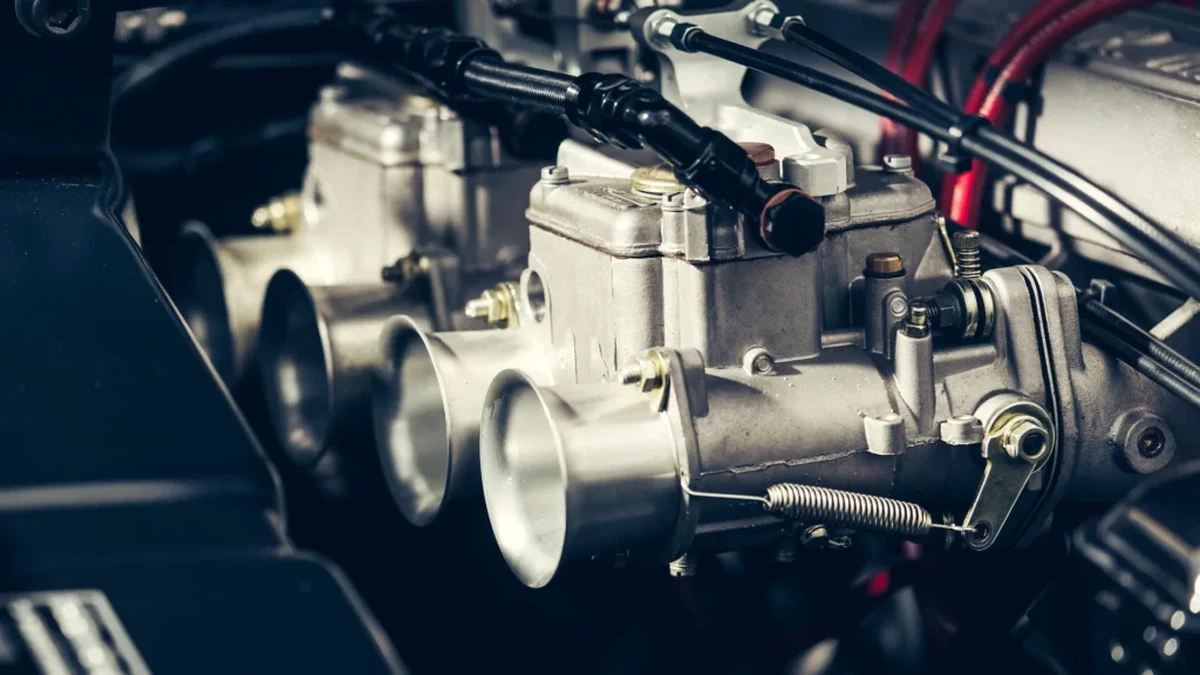
The 205-horsepower Lotus Twin Cam delivers its best between 4,000 and 7,000 rpm. Above 8,000 rpm, the pull begins to taper off, but for a carbureted two-valve engine running Weber carbs, the output remains impressive.
At low speeds, the gearbox can feel vague and requires precise heel-and-toe downshifts. Yet once you're operating at race pace, everything falls naturally into place. Treat the car like a race car rather than an old classic, and it responds accordingly.
More Than Nostalgia
The Alan Mann 68 Edition doesn't necessarily make you wish you had lived in the 1960s. Instead, it highlights how demanding and rewarding racing machines of that era really were. Speed came not just from horsepower and grip but from understanding weight transfer, tire behavior, and the subtle movements of the chassis.
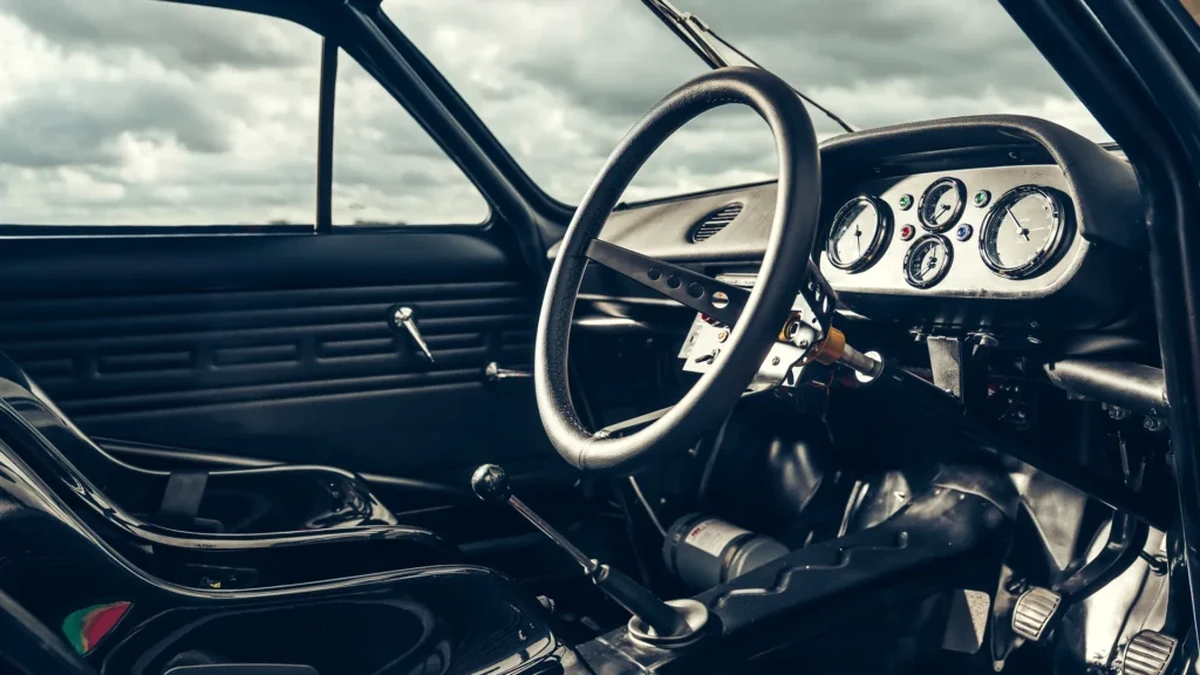
Buyers will be able to order the car either in period-correct form or with modern FIA-compliant safety equipment for historic competition.
Henry Mann hopes these cars will be raced rather than hidden away in collections, and it's easy to understand why. If the original Escort was competitive 60 years ago, there's no reason why this meticulously recreated version can't continue making history today.
What makes the Alan Mann 68 Edition special isn't its power, price, or technology. It's the extraordinary authenticity. Few cars don't just look historically accurate—they feel historically accurate.
For all the marketing clichés surrounding the word "analog," this Escort gives it genuine meaning once again.
Ford Escort Alan Mann 68 Edition Specifications
- Engine: 1.8-liter Lotus Twin Cam
- Output: 205 hp at 8,000 rpm
- Transmission: Four-speed manual
- Suspension: Torsion-bar setup
- Dry weight: 1,753 pounds
- Weight with fluids: Approximately 1,940 pounds
- Use: Track and historic racing only
- Production: Limited to 24 units
You may also be interested in the news:
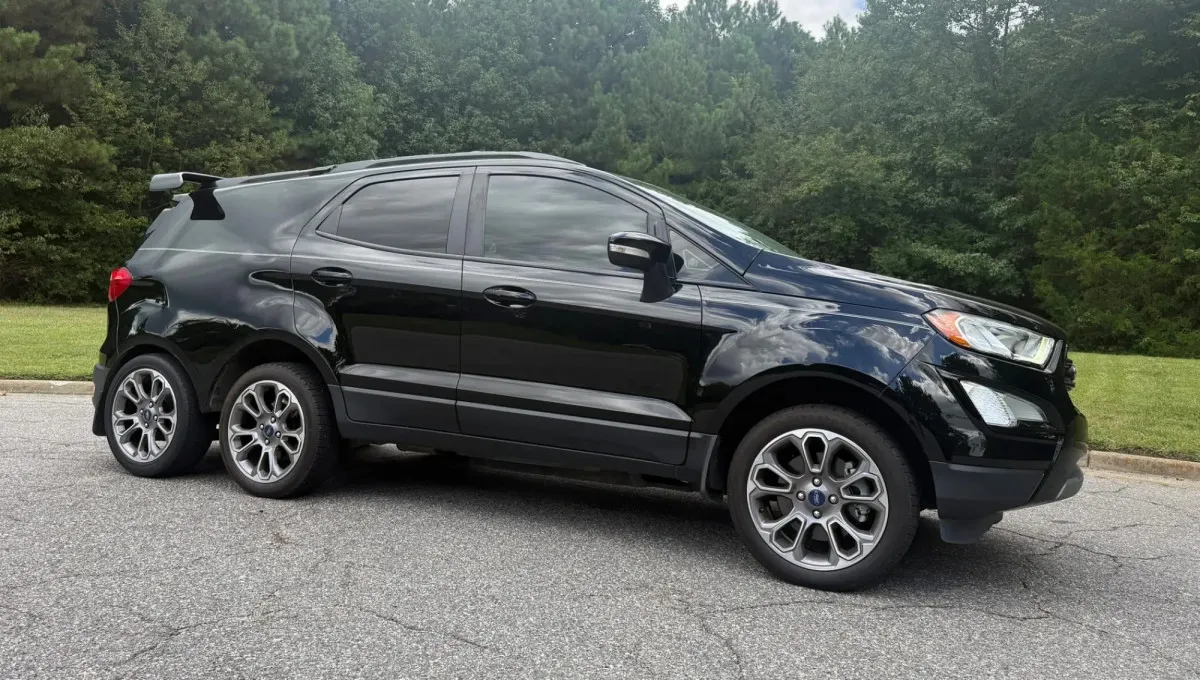
Someone Turned a Ford EcoSport Into a Six-Wheeled SUV — And It's Selling for Just $7,000
An extremely unusual six-wheeled conversion of Ford’s compact crossover has landed on the Bring a Trailer auction block.

Experts Name the Two Most Powerful Production Sports Cars in the U.S.
American sports cars continue to impress with their horsepower, speed and innovative engineering, with two models standing above the rest.
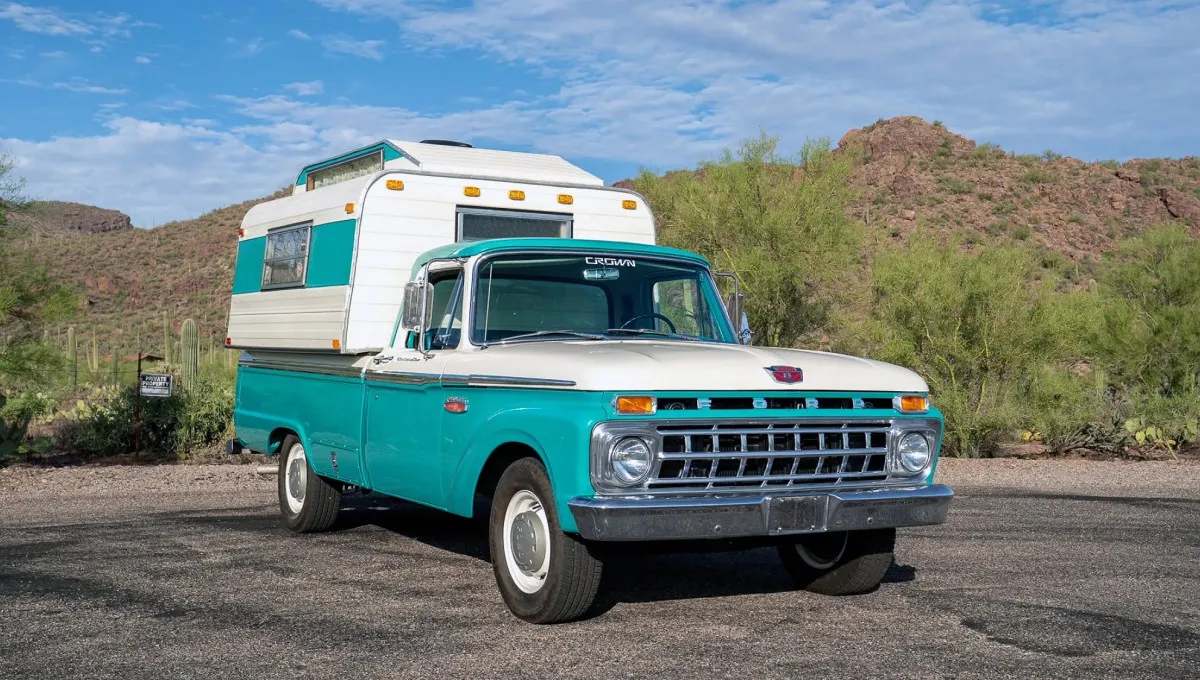
This 1965 Ford F-250 With a Mitchell & Sons Camper Is a Charming Retro Travel Companion
The 1965 Ford F-250 and Mitchell & Sons camper share colors, period styling, and compatibility.

Bovensiepen Brings Back the BMW Z4 as a 435-HP Spider
The family behind Alpina has revived the BMW Z4 in limited-production form, adding more power, sharper handling, and a hand-finished cabin.
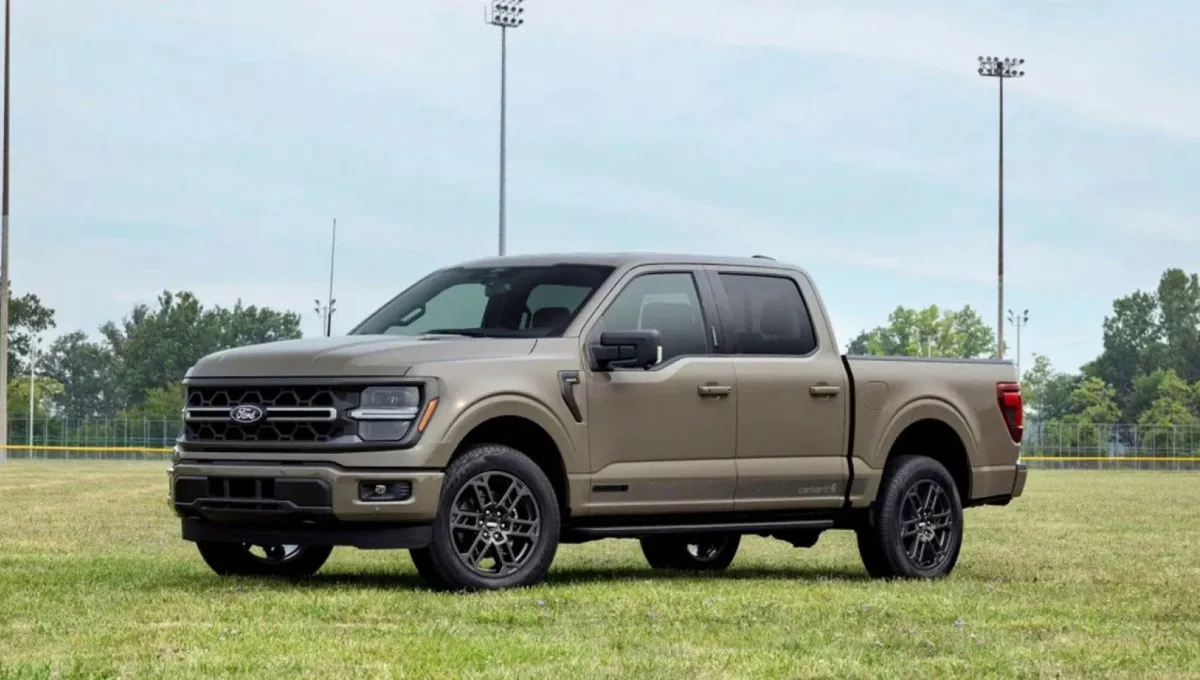
Ford Updates the F-150 With More Power and Hands-Free Towing
The updated 2027 Ford F-150 has debuted in the U.S., with more power across the lineup and an upgraded hands-free driving system that supports automatic trailer towing