
How to Stop Foggy Windows and Get Rid of Excess Moisture Inside Your Car
Fogged-up windows can quickly become a safety issue during rainy fall weather and snowy winter driving.

Excess moisture inside a vehicle becomes a much bigger problem during the colder months. Temperature swings, high humidity, and snow or rain tracked into the cabin can all lead to fogged-up windows, reducing visibility and making driving more difficult. Fortunately, a few simple steps can help keep the interior dry and the glass clear.
Check Door and Window Seals
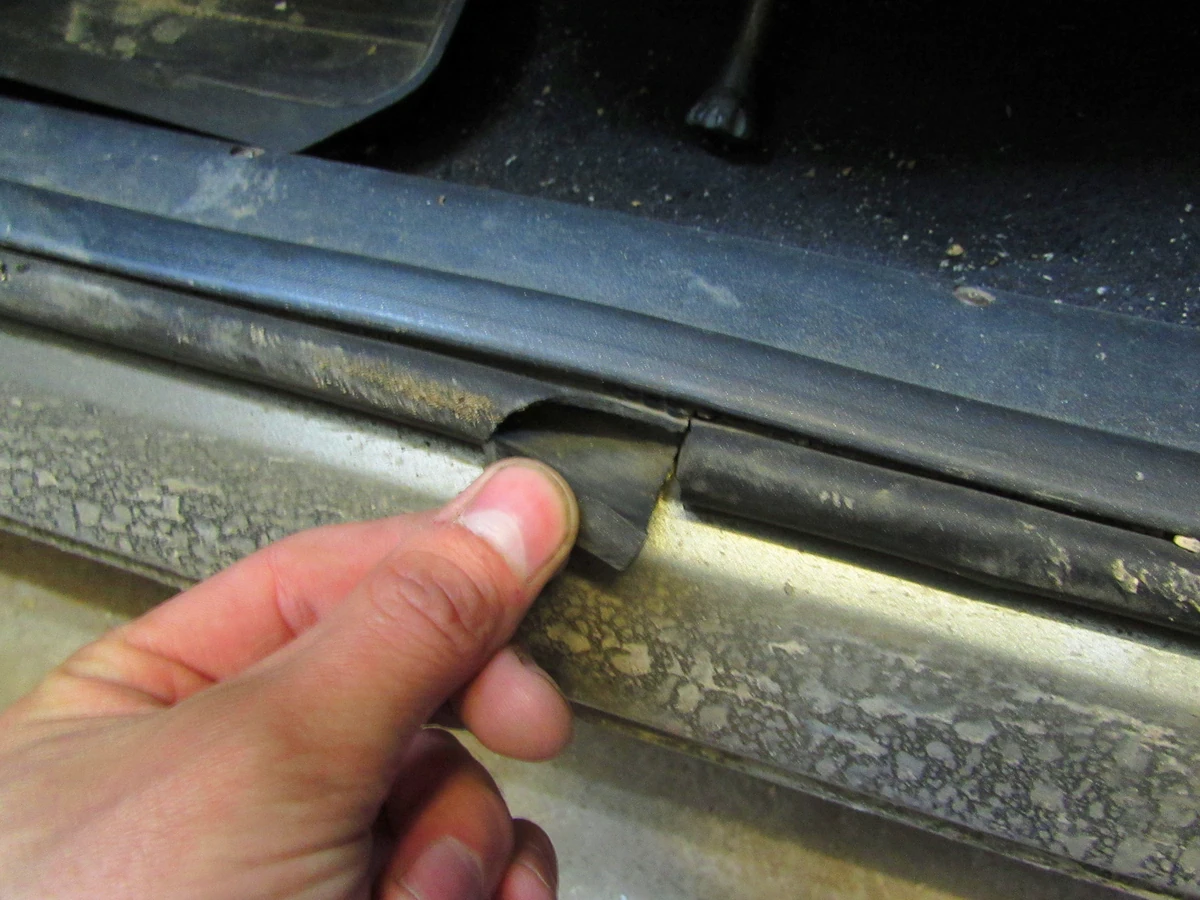
Before winter arrives, inspect the rubber weatherstripping around the doors and windows. Over time, rubber can dry out and lose its ability to keep moisture out.
Applying a silicone protectant can help preserve the seals and prevent them from freezing in cold weather. If any seals are cracked or torn, replacing them is the best solution. Vehicles equipped with a sunroof should also have its seals inspected.
Switch to Rubber Floor Mats
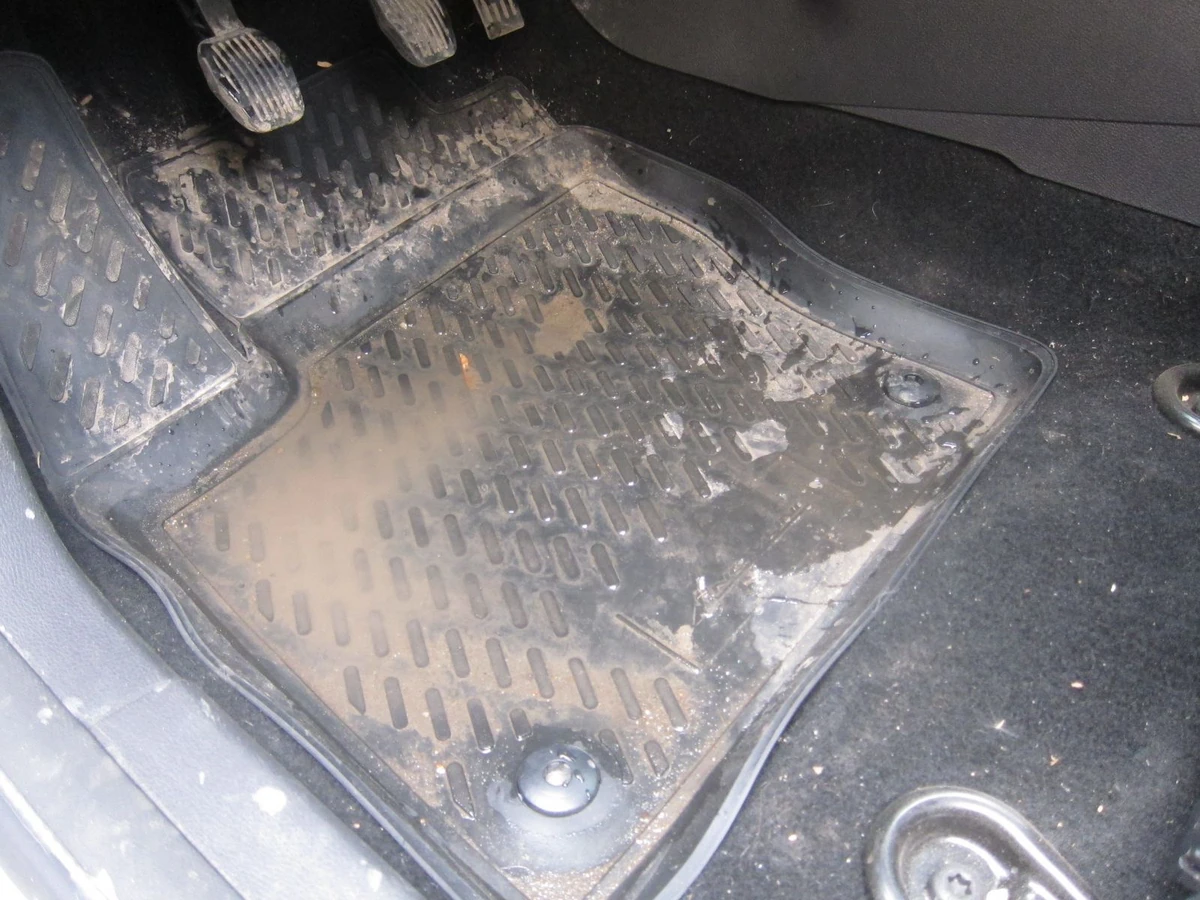
During rainy fall months and snowy winters, rubber floor mats are usually the better choice. They trap water and slush before moisture can soak into the carpeting, which is much harder to dry.
Carpeted mats don't handle moisture particularly well and may wear out after just one winter season. Many drivers keep a dedicated set of all-weather mats for colder months.
Keep the Cowl Area Clean
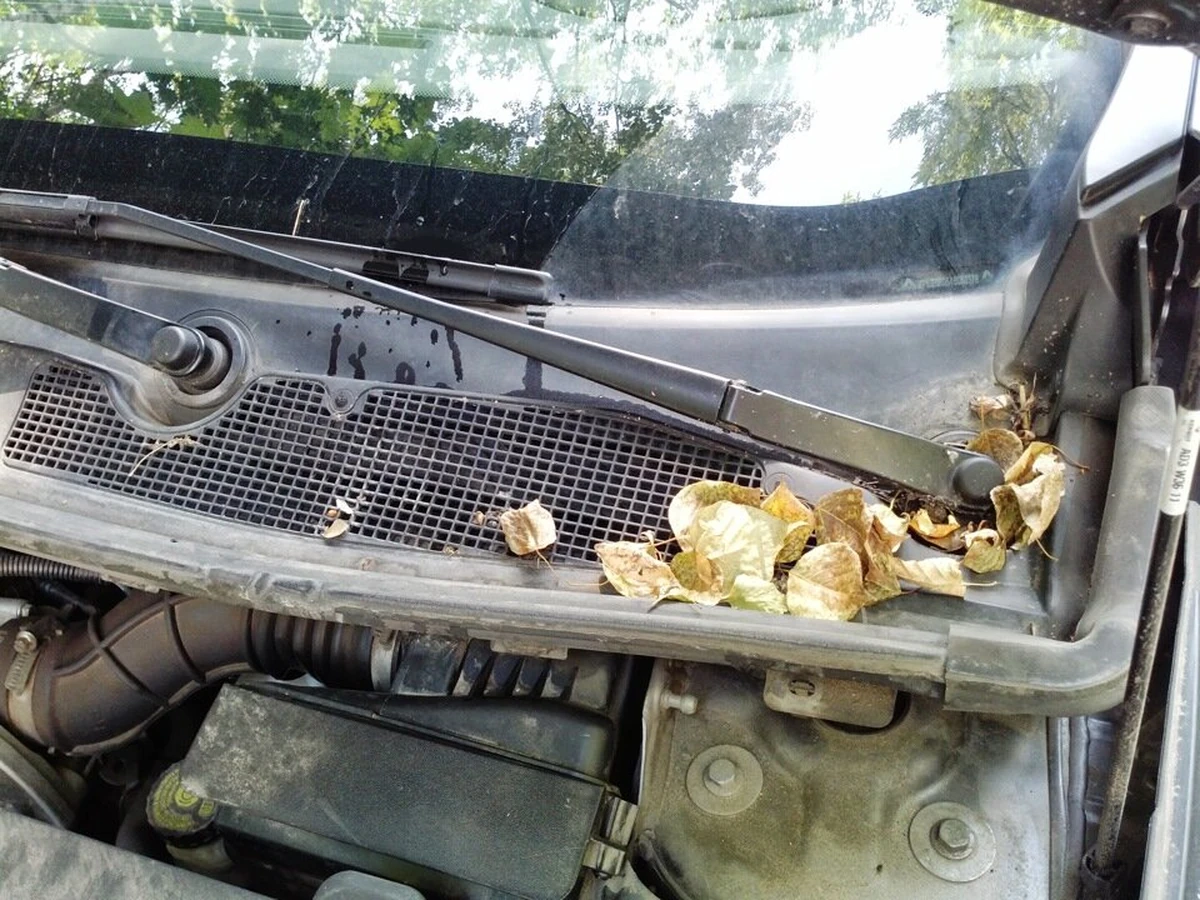
Fallen leaves and debris can collect beneath the hood and block fresh-air vents, reducing airflow into the cabin.
Wet leaves also retain moisture and may encourage mold and bacteria growth. Cleaning out the cowl area regularly can improve ventilation and help eliminate unpleasant odors.
Remove Excess Moisture
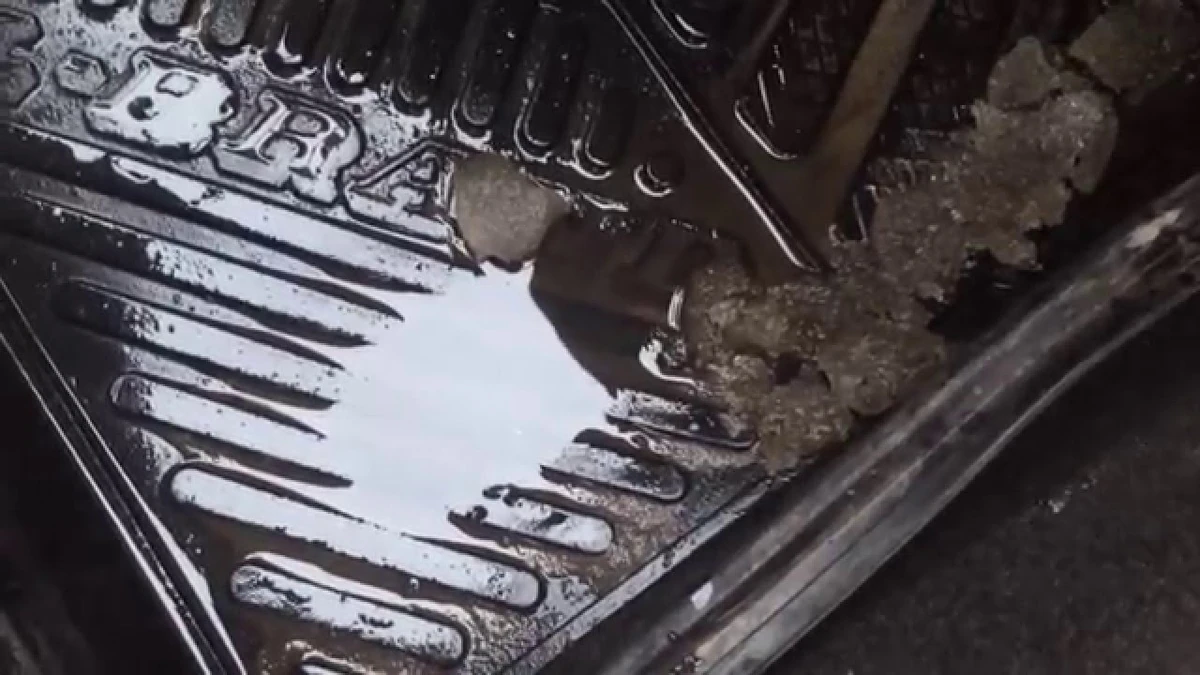
Keeping the cabin dry is one of the easiest ways to prevent window fogging.
Before getting into the car, knock snow and mud off your shoes whenever possible. Using the heater and heated seats while driving can also help dry the interior.
A surprisingly effective trick is placing crumpled newspapers on the floor to absorb excess moisture. After each trip, empty any standing water from the floor mats and remove accumulated snow or slush.
Use the Windshield Defroster
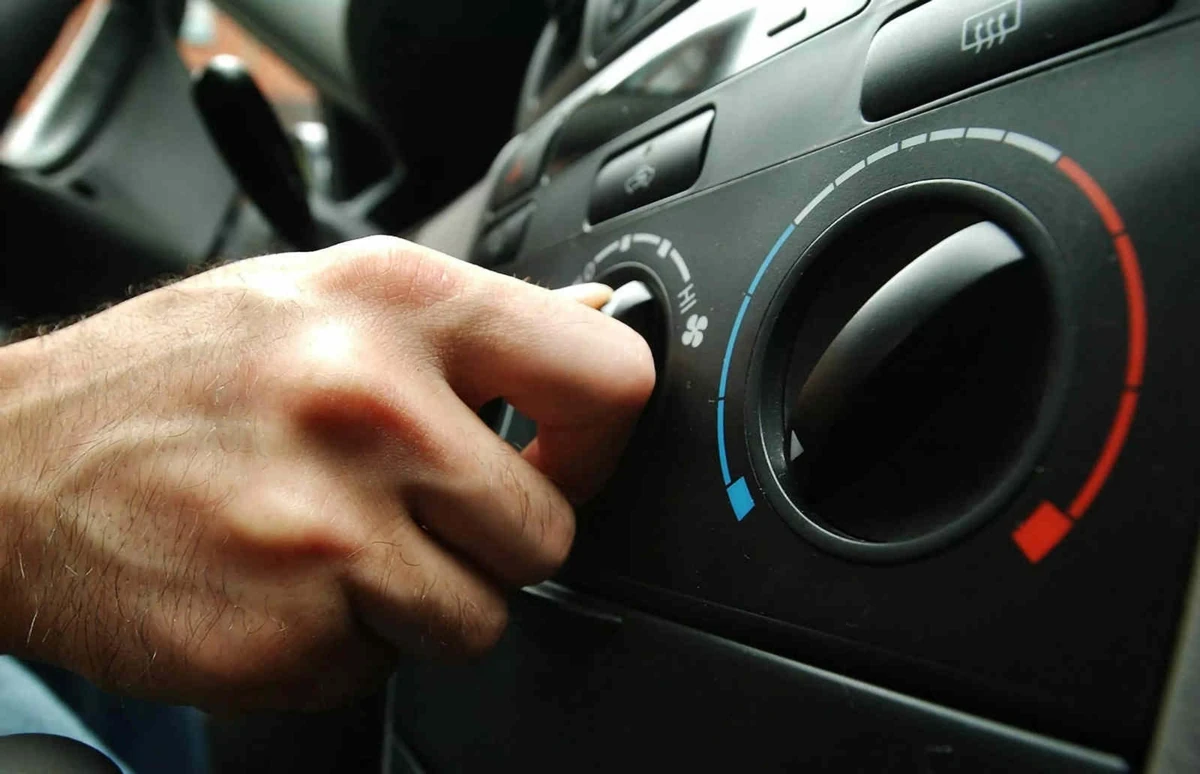
The fastest way to clear condensation from the windshield is by using the defroster setting. Closing the other air vents can direct more airflow toward the glass and speed up the process.
However, drivers should be cautious during extremely cold weather. Sudden temperature changes can stress the windshield and, in rare cases, contribute to cracking.
Replace the Cabin Air Filter
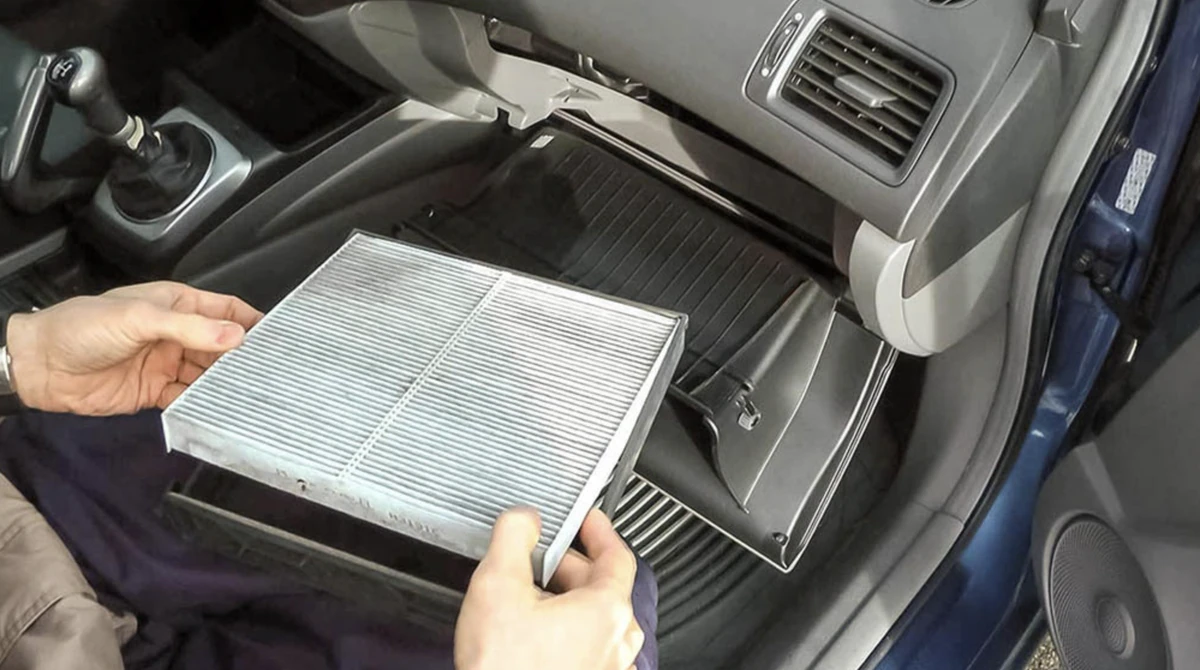
Many owners forget about the cabin air filter and leave it unchanged for years. But a clogged filter restricts airflow and traps moisture, making fogging worse.
Old filters can also harbor bacteria and contribute to unpleasant odors and allergy symptoms. Replacing the cabin air filter regularly—at least every 12,000 miles—is a good rule of thumb.
Apply an Anti-Fog Treatment
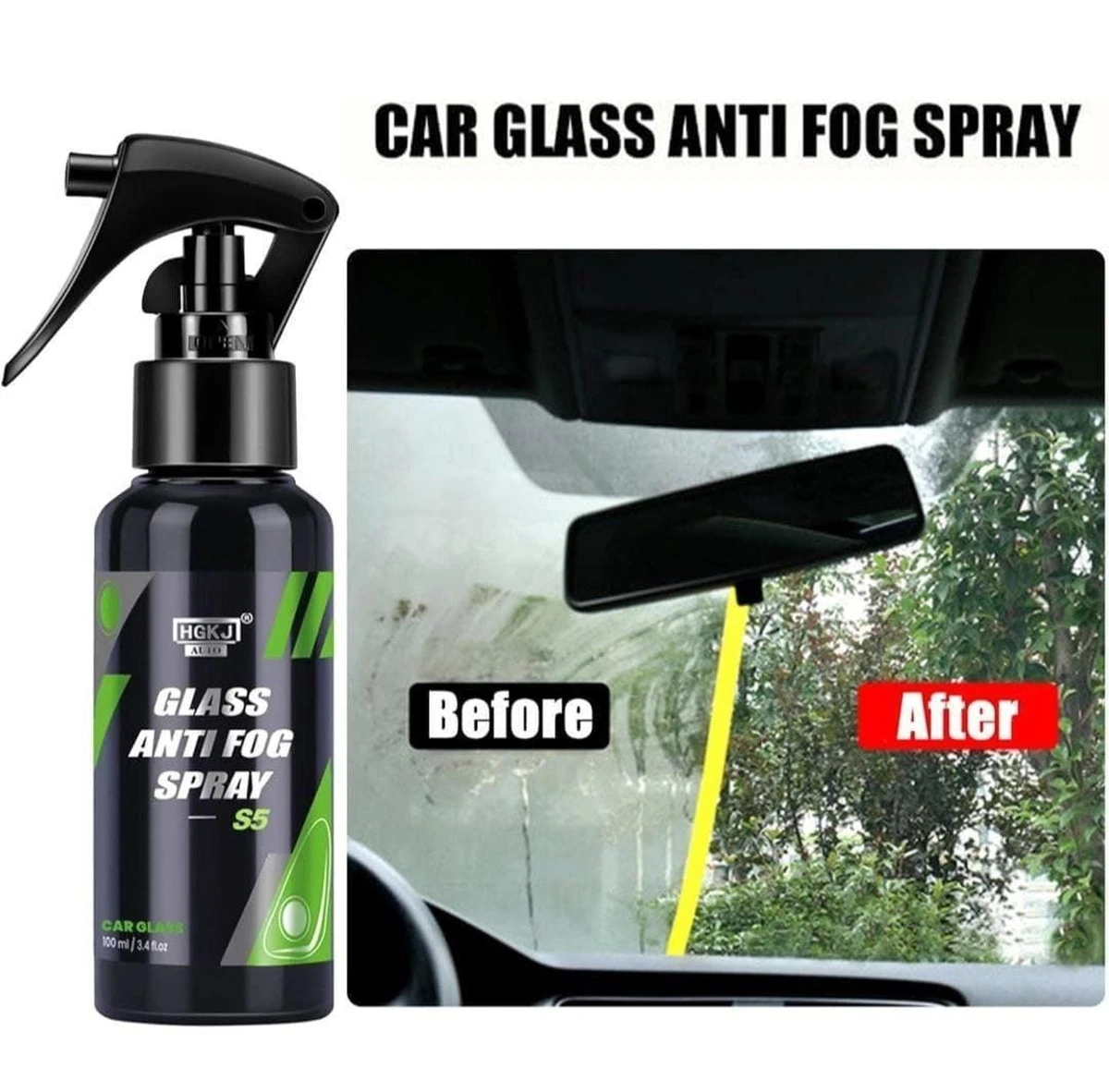
There are plenty of anti-fog products available, including sprays, wipes, and liquids. These products create an invisible layer on the glass that causes moisture to form larger droplets instead of a fine mist.
As a result, water runs off the surface rather than creating the cloudy film that reduces visibility. Reapplying these treatments periodically can help keep windows clear throughout the season.
Try a Moisture Absorber
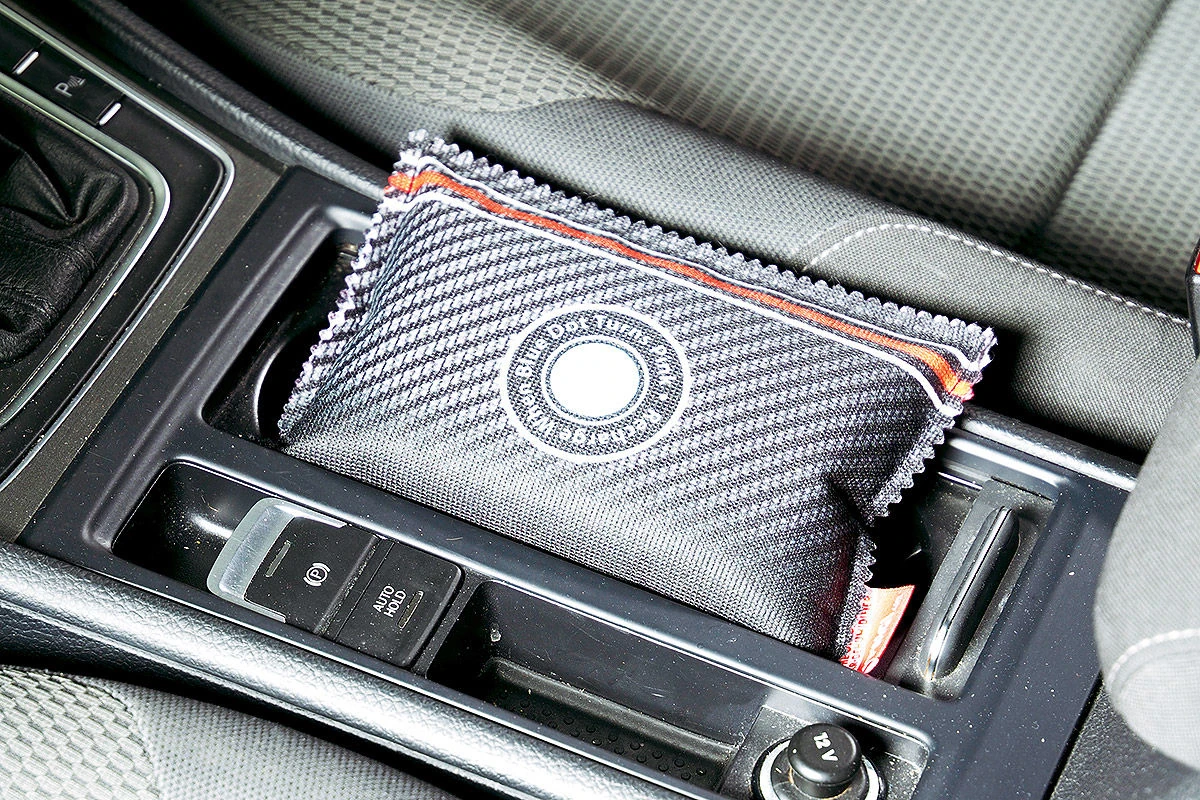
One of the more recent additions to the car-care market is the reusable moisture-absorbing bag or pillow. These compact accessories draw humidity out of the air and help reduce condensation inside the cabin.
They're inexpensive, take up very little space, and can usually be dried out on a radiator or heater and reused repeatedly. For many drivers, they're a simple and effective way to combat moisture during the fall and winter months.
You may also be interested in the news:

The “Gas-Saving” Tricks That Could Destroy Your Car — And What Drivers Should Do Instead
Some fuel-saving tricks can backfire, costing drivers far more in repairs than they ever save at the gas pump.
How to Protect Your Car Mirrors From Rain: A Simple Home Hack
A simple household product can help keep your car’s side mirrors clearer when rain makes visibility a challenge.
Bottle Under the Tire: The New Roadside Scam Targeting Drivers
A new roadside scam is gaining traction, using a simple plastic bottle to trick unsuspecting drivers.
Why Your Neighbor Always Parks With the Wheels Turned: An Auto Expert Explains Three Reasons
Straight wheels aren’t always the smartest choice: experienced drivers turn them for three practical reasons you may not expect.
Why You Should Never Ignore a Plastic Bag on Your Car Mirror
You park your car, head inside, and return a short time later to find an ordinary plastic bag hanging from the side mirror.