
8 Cars That Ended Up Disappointing Their Owners
Even some of the biggest names in the auto industry have produced models that missed the mark.

Ask any car enthusiast to name a few favorite vehicles and they’ll probably have no trouble doing so. But chances are they can also point to several models that failed to live up to expectations. Even established automakers with decades of experience have produced some notable flops. Looking back, it’s hard to understand how some of these vehicles ever made it to market.
1. Volkswagen Phaeton
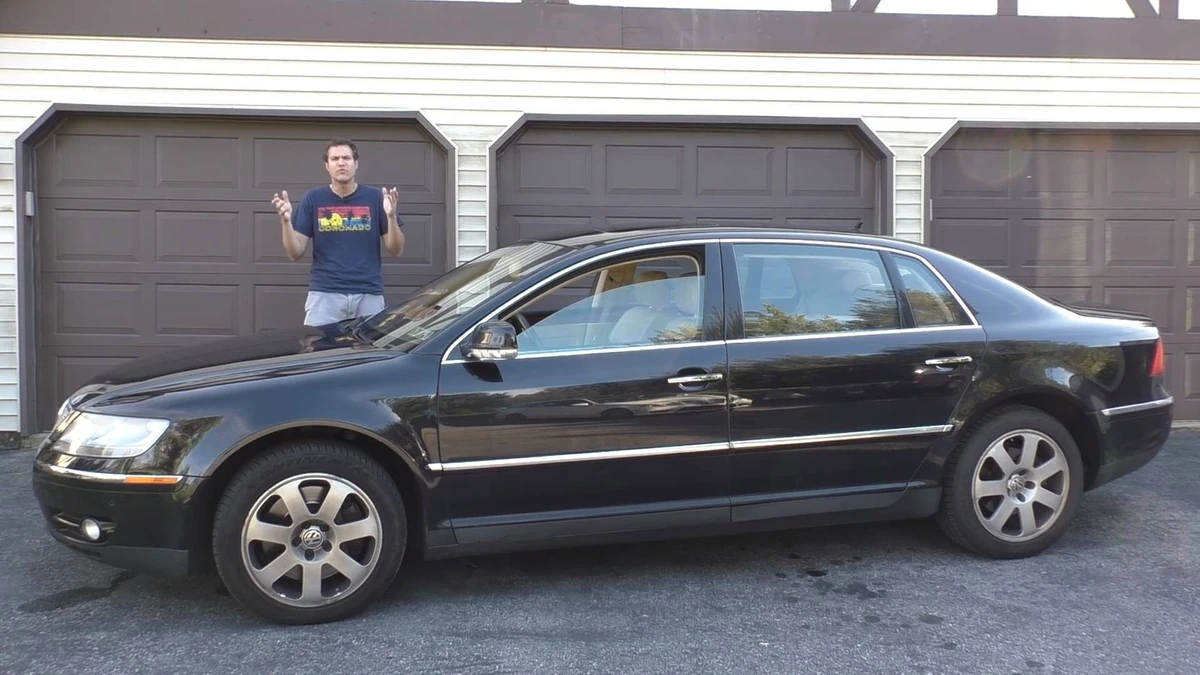
History is full of examples of luxury brands successfully moving downmarket. Mercedes-Benz found success with the A-Class and B-Class, while BMW carved out a niche with the 1 Series.
But the opposite approach has rarely worked. In 2002, Volkswagen attempted to break into the luxury sedan segment with the Phaeton. Buyers who associated the brand with mainstream models like the Golf and Passat were reluctant to spend premium money on a large, technologically complex sedan. Over a 14-year production run, Volkswagen sold just 84,325 examples worldwide, despite initially expecting to reach that figure within three years.
2. Renault Alpine GTA and A610
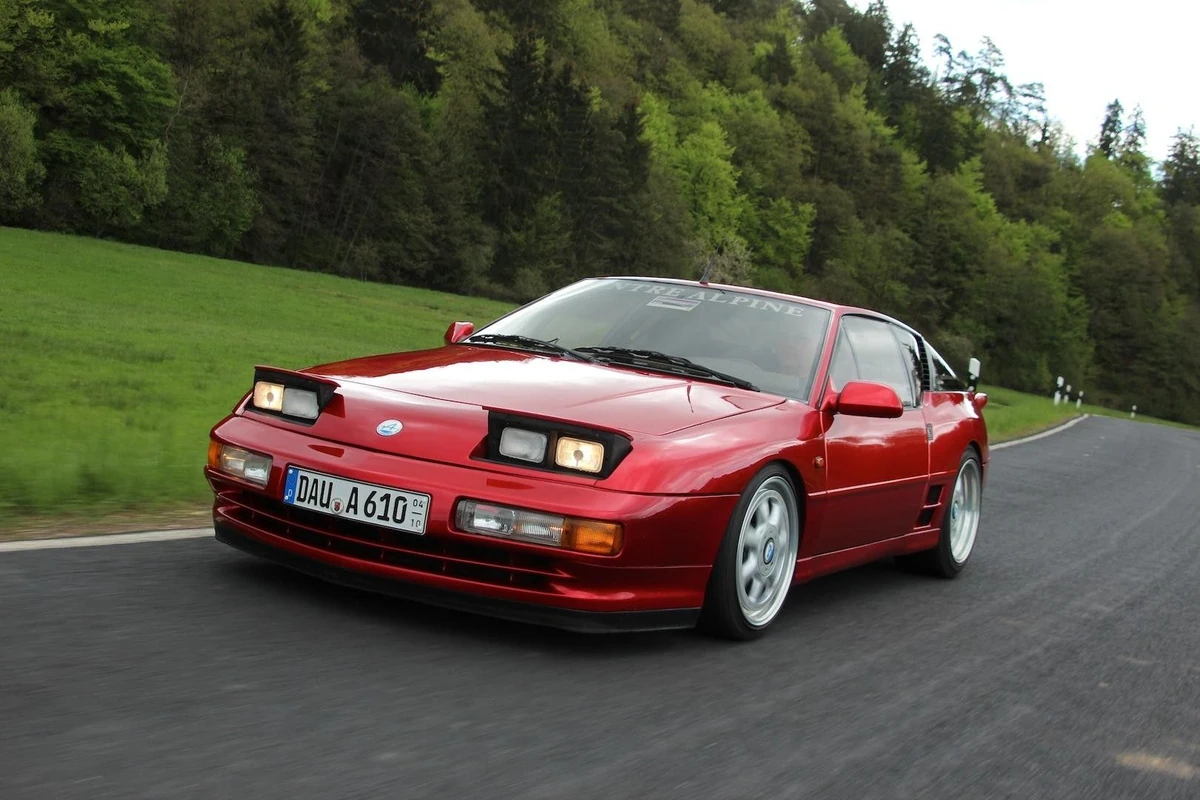
Few enthusiasts today remember the Renault Alpine GTA, which debuted in 1984. The sleek coupe was designed as a more affordable alternative to Porsche models and featured a turbocharged 2.5-liter V6 engine, later upgraded to a 3.0-liter V6 in the A610.
Thanks to its mid-engine layout and lightweight composite body, the car could reach 165 mph and sprint from 0 to 62 mph in 5.7 seconds. Yet despite its performance credentials, the Alpine never became the Porsche rival Renault had envisioned. The reason was simple: most buyers didn't associate Renault with sports cars.
3. Honda Insight
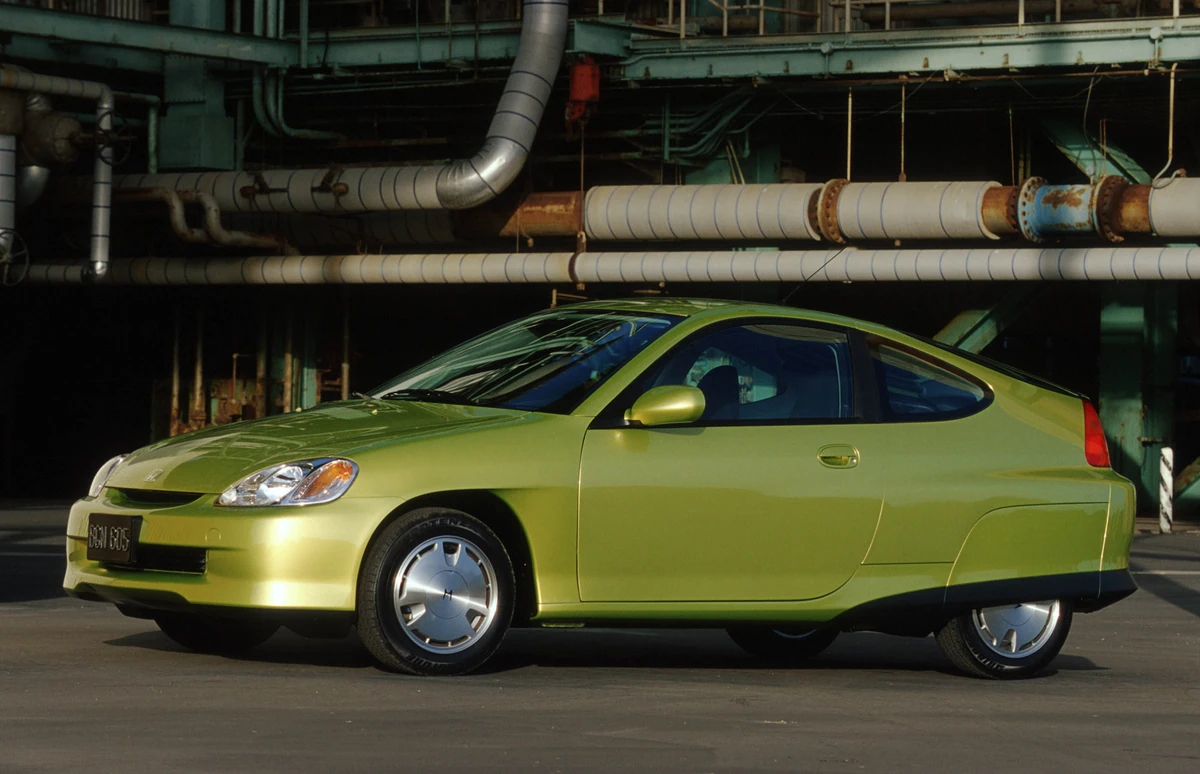
Groundbreaking technology doesn’t always guarantee commercial success. The original Honda Insight hybrid delivered exceptional fuel economy and featured an aerodynamic aluminum body that weighed just 1,874 pounds.
Unfortunately, impressive efficiency alone wasn't enough to attract a broad audience, and the pioneering hybrid never achieved the popularity Honda had hoped for.
4. NSU Ro80
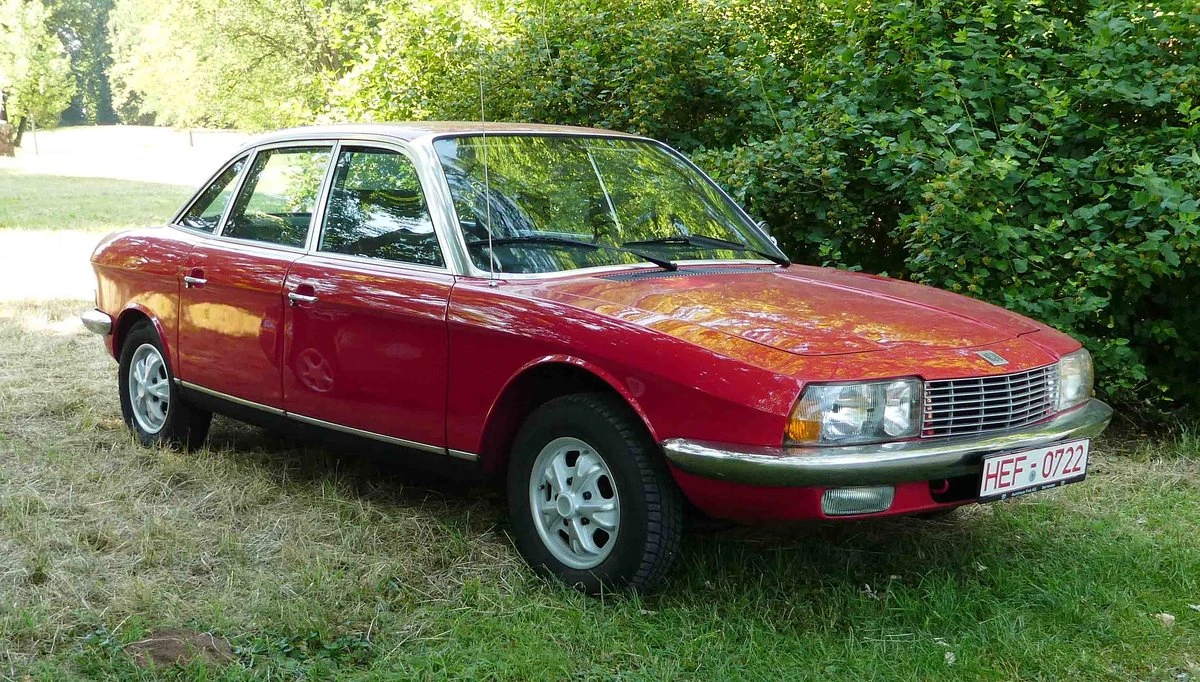
The NSU Ro80 was named European Car of the Year in 1968, but accolades didn't translate into long-term success. The sedan's downfall was its Wankel rotary engine, which developed a reputation for poor durability.
Many owners faced major engine repairs after only 15,000 to 30,000 miles. Neither the semi-automatic transmission, advanced aerodynamics, nor the car’s outstanding ride quality could offset those reliability concerns. Warranty engine replacements ultimately placed a heavy financial burden on NSU and contributed to the company's demise.
5. Honda CR-Z
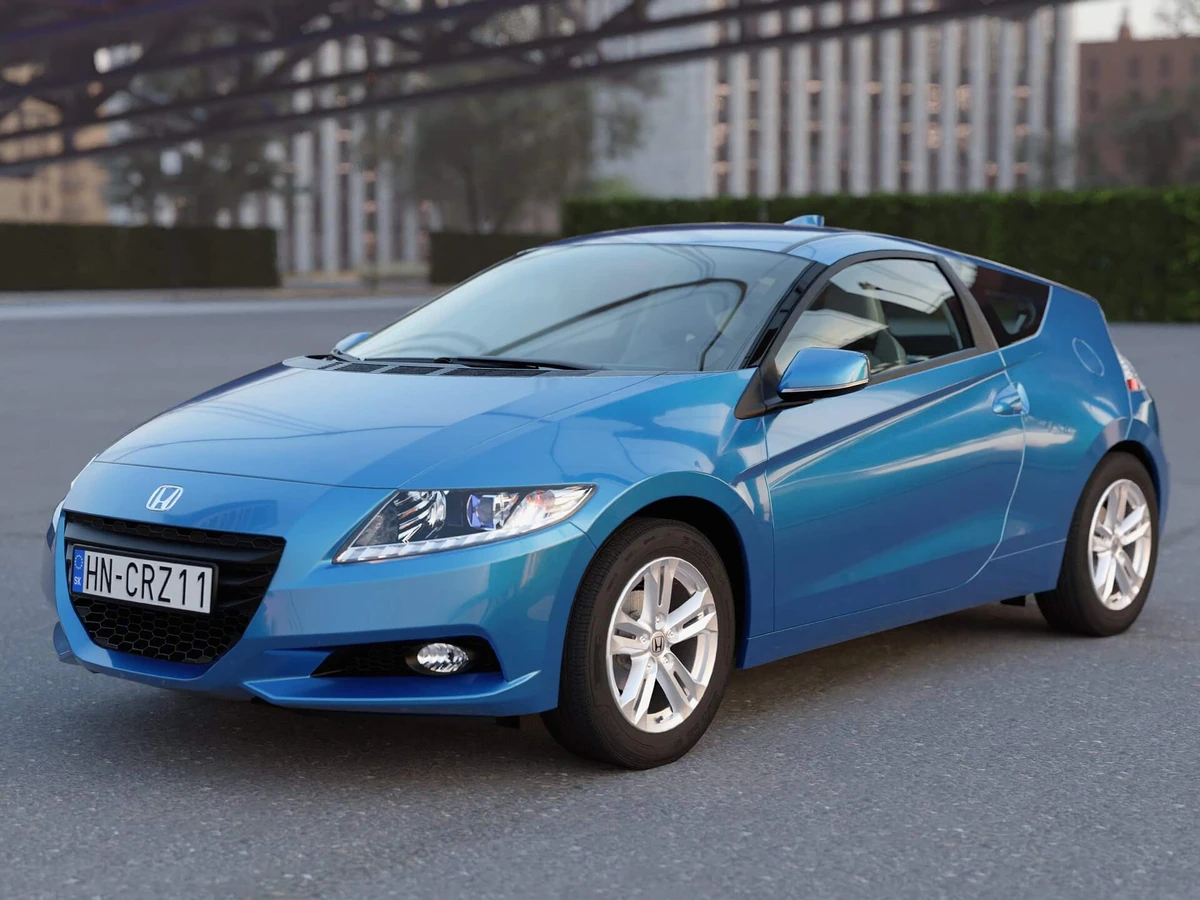
The disappointing performance of the Insight didn’t stop Honda from continuing its hybrid ambitions. In 2010, the company launched the CR-Z, a sporty-looking hybrid coupe that initially attracted attention and sold reasonably well.
However, many owners felt the car lacked the engaging driving experience promised by its styling. Critics also pointed to mediocre interior quality and less-than-sharp handling.
6. Matra Rancho
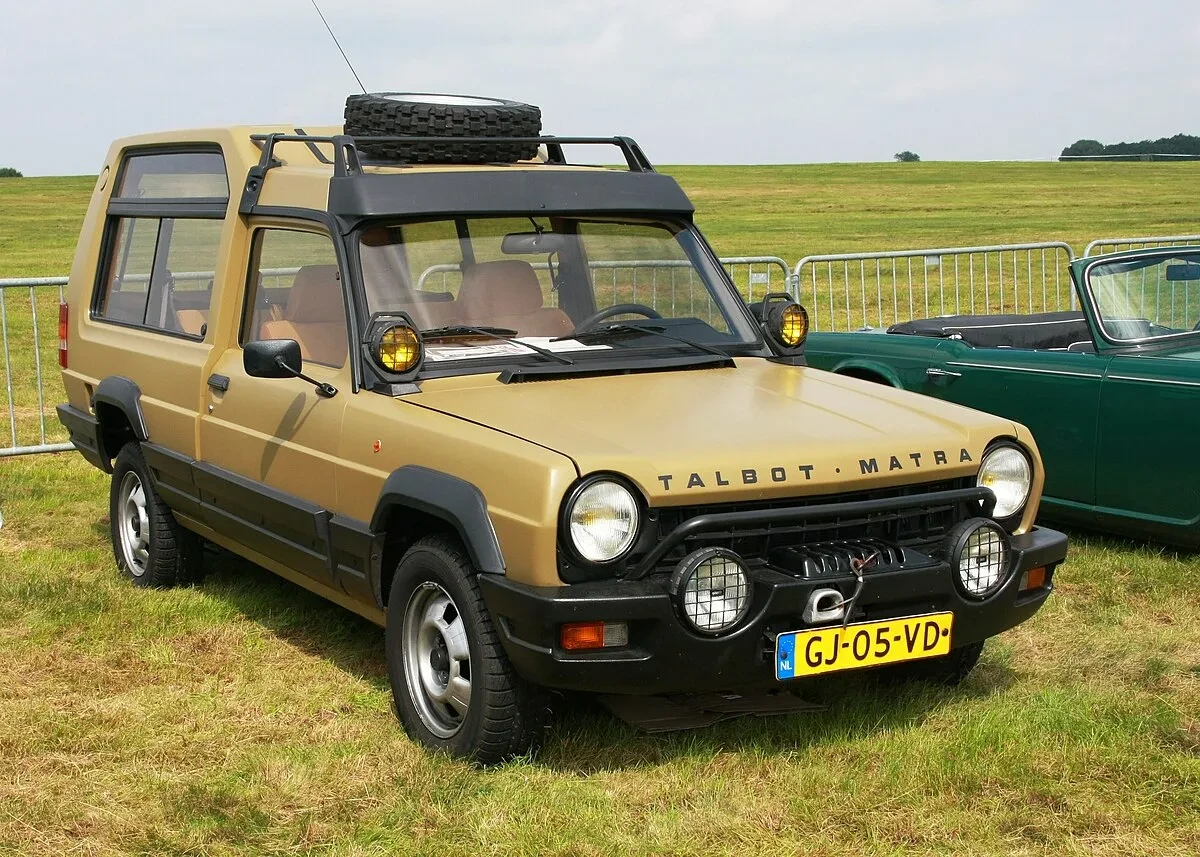
Today, crossovers dominate the automotive landscape, but nearly 50 years ago they were a rarity. Introduced in 1977, the French-built Matra Rancho was based on the front-wheel-drive Simca 1100 hatchback and even offered seating for seven.
The concept was ahead of its time, but the underpowered 1.4-liter engine produced just 80 horsepower, limiting the vehicle's appeal and preventing it from becoming a major success.
7. Citroën C6
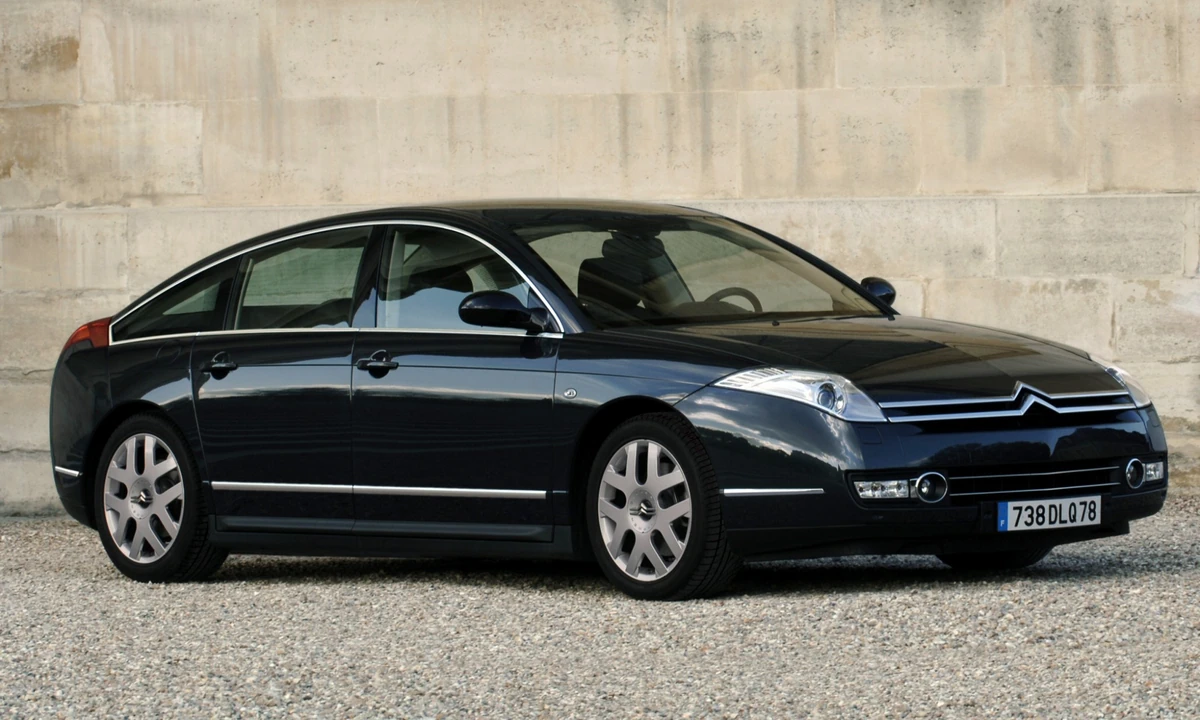
Half a century ago, Citroën was known for building distinctive luxury sedans. Times have changed, and premium buyers now tend to favor German and Japanese brands.
As a result, the large and expensive Citroën C6 struggled to find customers, despite serving as the official vehicle of the French president.
8. Audi A2
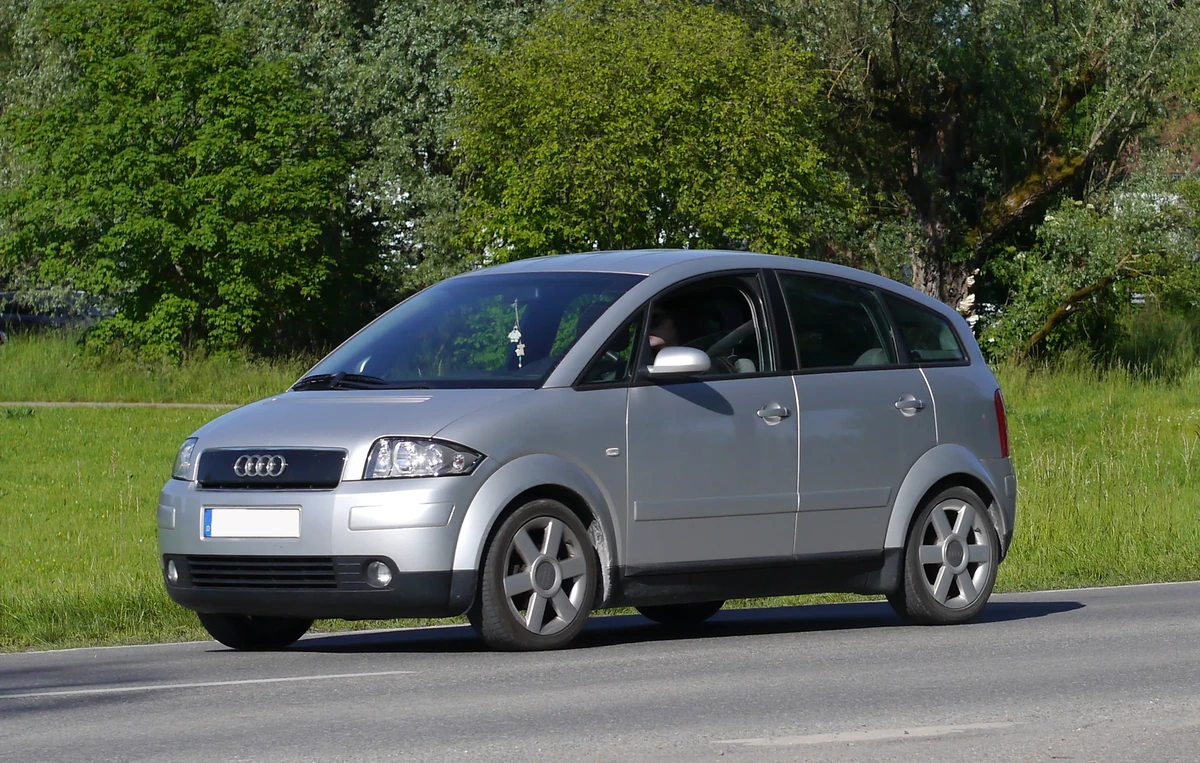
Looking back, the Audi A2 appears to have been ahead of its time. Produced from 1999 through 2005, the compact hatchback featured lightweight construction and impressive efficiency.
Still, buyers largely ignored it. Performance was modest, the unconventional styling drew more attention than many shoppers wanted, and perhaps most importantly, the price put it in direct competition with larger and more prestigious vehicles.
You may also be interested in the news:
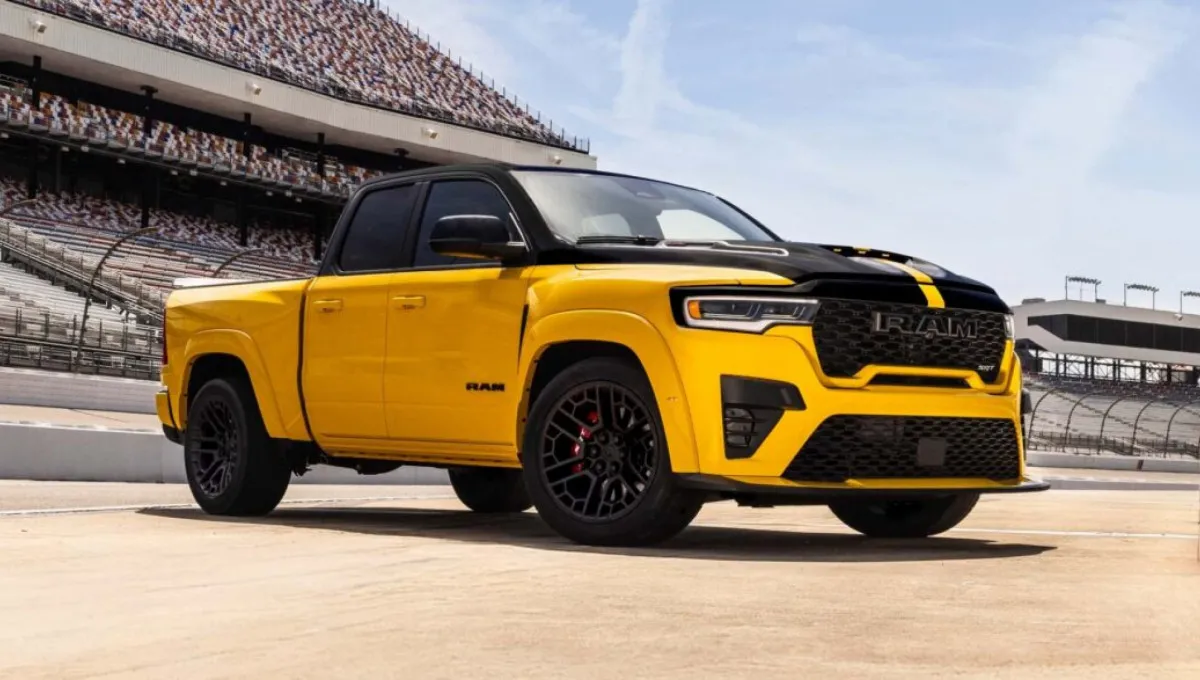
UFC Boss Dana White Buys Two Unique Ram Trucks for $1.5 Million
Dana White paid $1.5 million for the first customer-bound 2027 Ram 1500 Rumble Bee SRT and a one-off Viper-powered Ram SRT-10.

Cord Returns in 2028: From Vintage Style to Space-Age Futurism — What Models Could We See?
Cord cemented its place in automotive history with two iconic models that pushed American design and engineering forward.
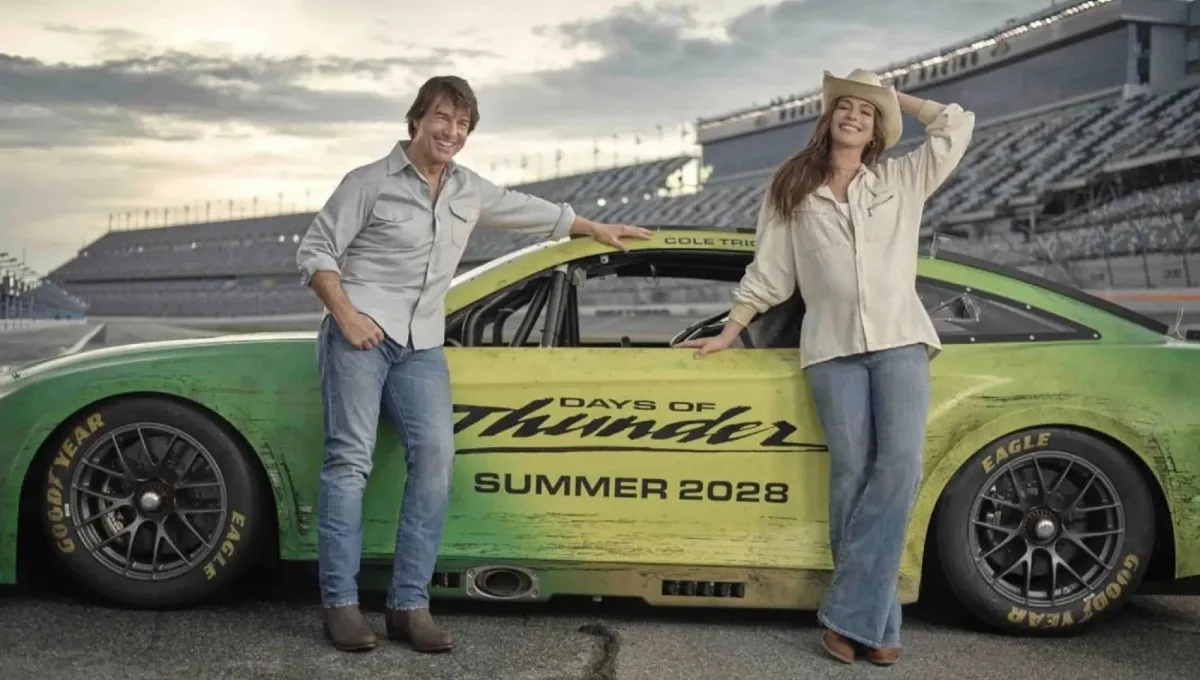
Sequel to Days of Thunder Gets a Release Date
Tom Cruise has announced that a sequel to the popular motorsports movie starring him will be released in summer 2028.
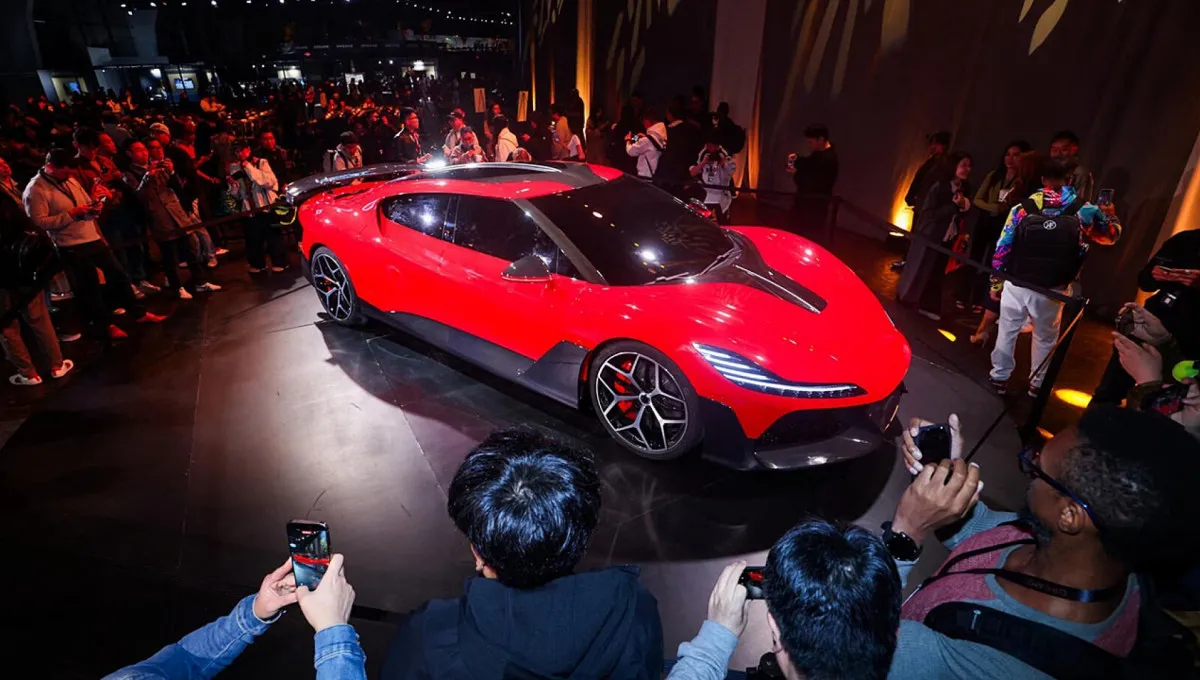
Dreame Shuts Down Automotive Business and Winds Down Starry Sky Project
Dreame’s automotive venture is being wound down after just one year, following sweeping layoffs and a rapid retreat from the industry.
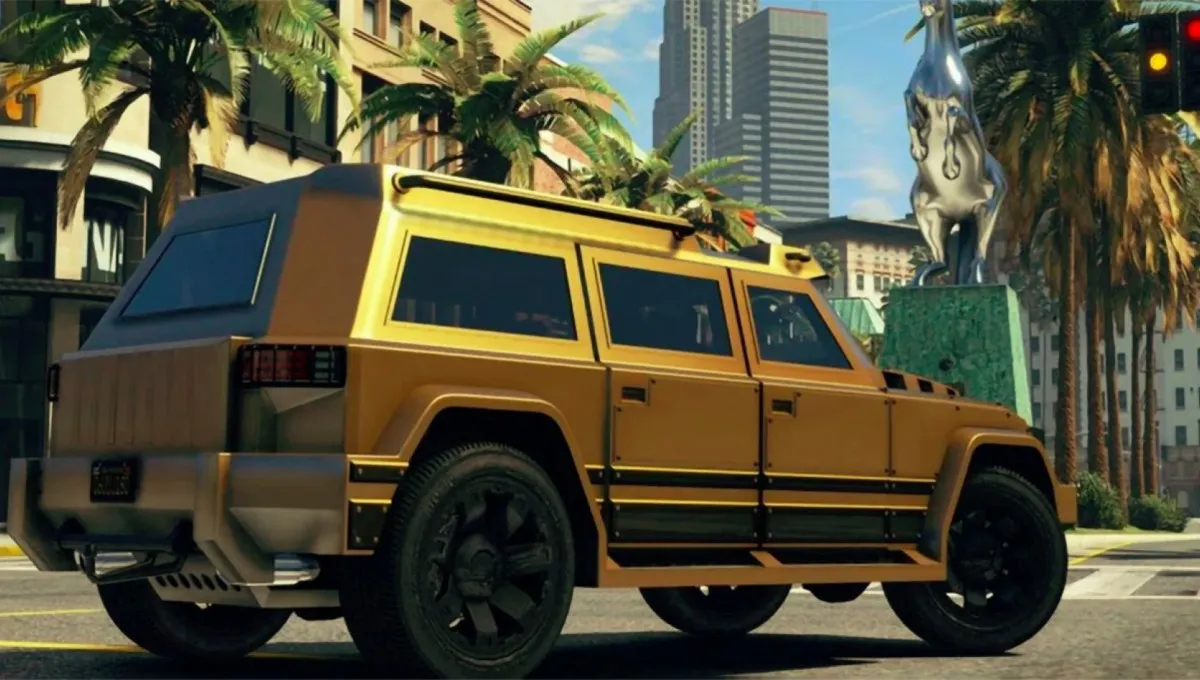
Million-Dollar Nightshark: Tuner Shop Builds a Real-Life GTA Armored SUV
This is the monster on wheels that has terrorized GTA players since 2017 with its imposing size and heavy armor.