
How to Protect Your Car in Extreme Heat and Keep It Looking Its Best
Hot weather can be just as tough on your vehicle as winter, if not worse.
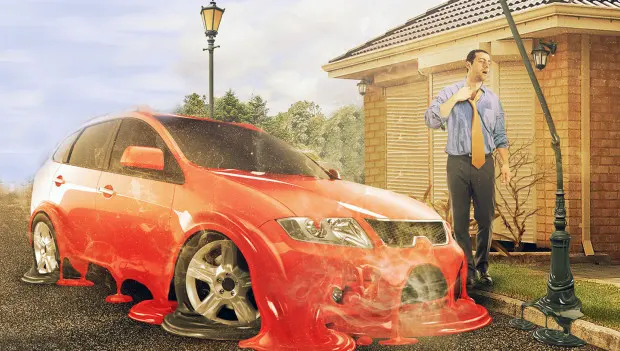
Many drivers spend plenty of time preparing their vehicles for winter, but scorching summer temperatures can be equally demanding. Even as the season winds down, high temperatures continue to put added stress on both the mechanical components and appearance of a car. Knowing a few key maintenance tips can help extend your vehicle's life and prevent costly repairs.
1. Pay Extra Attention to Maintenance
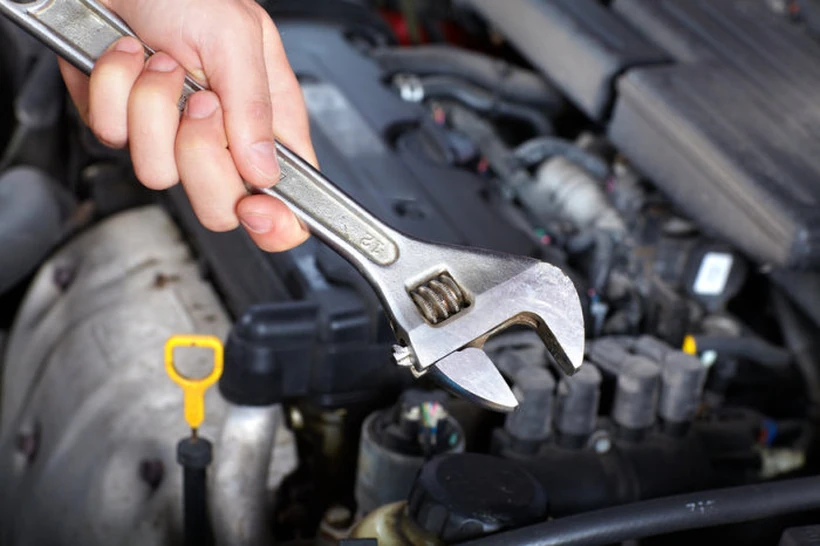
Warm weather places additional strain on many systems, especially the cooling system. During routine maintenance, make sure coolant levels are correct and inspect hoses for leaks or signs of wear.
It's also important to verify that the radiator fan is functioning properly. If the fan fails to engage when engine temperatures rise, overheating can quickly become an issue, particularly in stop-and-go traffic.
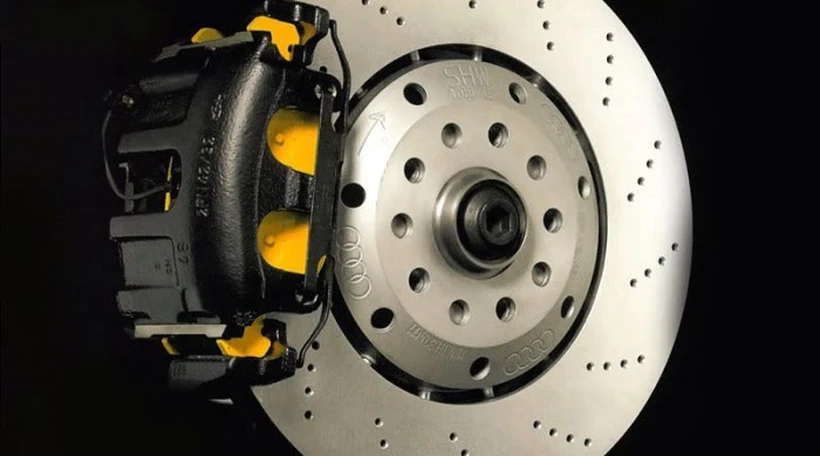
The brake system deserves attention as well. Brake fluid absorbs moisture over time, reducing its boiling point. If it hasn't been replaced in several years, summer is a good time to have fresh fluid installed.
2. What to Do if the Engine Overheats
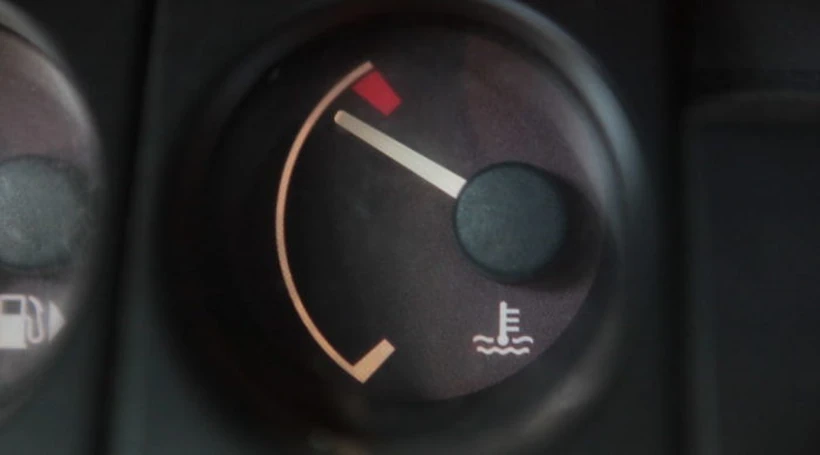
If the temperature gauge starts climbing toward the red zone, there is likely a problem that needs attention. One of the first things drivers should do is turn the heater and blower fan to maximum. Although it sounds counterintuitive, running the heater helps pull additional heat away from the engine.
Continue driving gently, keeping engine speed low and monitoring the temperature gauge closely while making your way to a safe location or repair facility.
If the engine actually overheats, pull over immediately but leave the ignition on so the cooling fan can continue operating. Never remove the radiator cap or coolant reservoir cap right away, as hot coolant under pressure can cause serious burns.
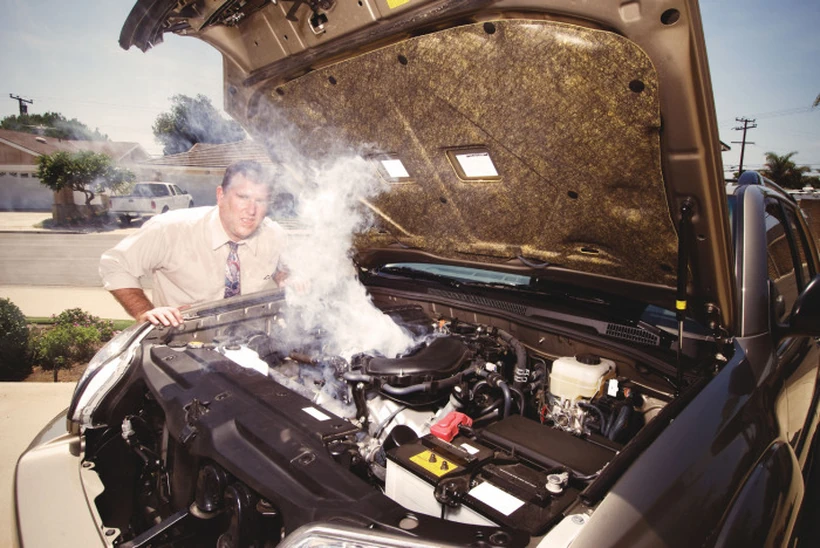
Allow the system several minutes to cool before carefully releasing pressure. Once the coolant temperature drops to roughly 120°F, add coolant as needed.
Ideally, use the same type of coolant already in the system. Keeping a bottle of the correct coolant in the trunk can save a lot of trouble. Never add coolant while the engine is still extremely hot, as rapid temperature changes can damage engine components. Water should only be used in an emergency and should be replaced with proper coolant as soon as possible.
3. Wash Your Car More Often During Summer
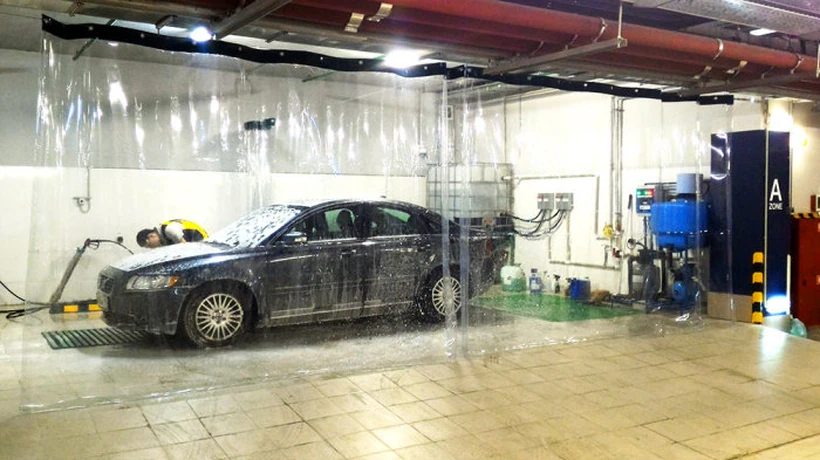
Bird droppings, tree sap, and uneven layers of dust can damage paint and cause discoloration when exposed to intense sunlight. Since contaminants shield only isolated sections of the bodywork, fading may occur unevenly, leaving visible spots.
To avoid this, washing the vehicle at least once a week is recommended during the hottest months.
4. Ventilate the Cabin Before Turning on the A/C
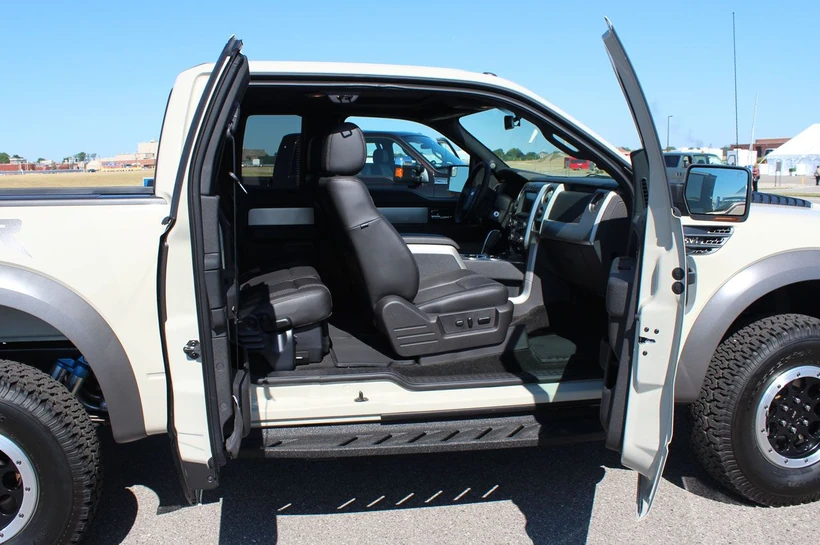
Few things are more unpleasant than climbing into a car that has been baking in the sun for hours. Most drivers immediately crank the air conditioning to its highest setting, but that sudden temperature change puts unnecessary stress on both passengers and interior materials.
Instead, open all the windows for a couple of minutes to let the trapped heat escape. Afterward, drive with the windows partially down before switching on the climate control system.
5. Don't Forget About A/C Maintenance
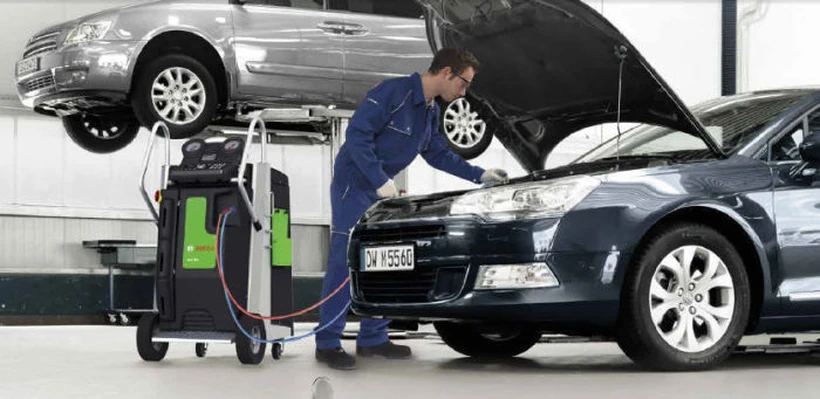
Air conditioning is one of summer's greatest luxuries, yet many owners neglect servicing it. Like any other component, the system benefits from regular maintenance. Having it inspected every couple of years can help maintain performance and prevent expensive repairs.
Experts also recommend running the air conditioning at least once a month, even during winter. Doing so keeps seals lubricated and helps prevent refrigerant loss.
6. Keep the Radiator Clean
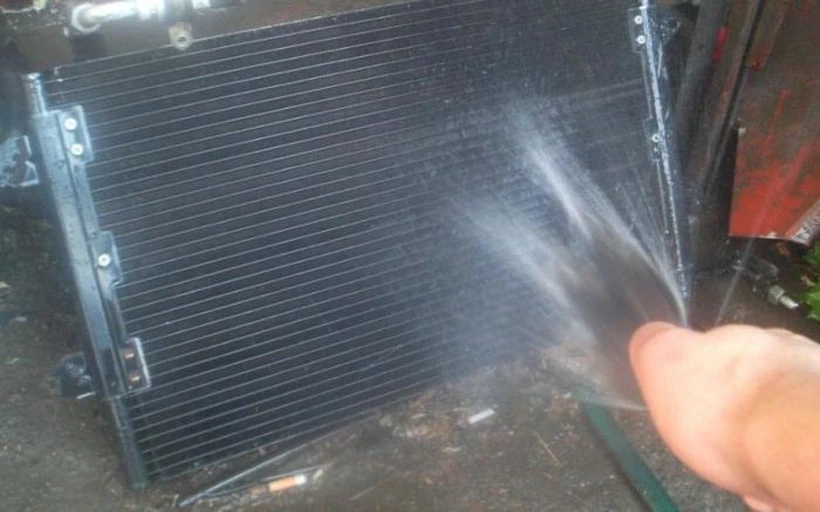
A clean radiator is essential for keeping engine temperatures under control. Dirt, insects, and debris gradually clog the cooling fins, reducing airflow and limiting the radiator's ability to dissipate heat.
Regular cleaning can help prevent overheating. Rinsing the radiator with low-pressure water from the engine side outward or using compressed air to clear debris is usually sufficient.
7. Protect the Interior From Sun Damage
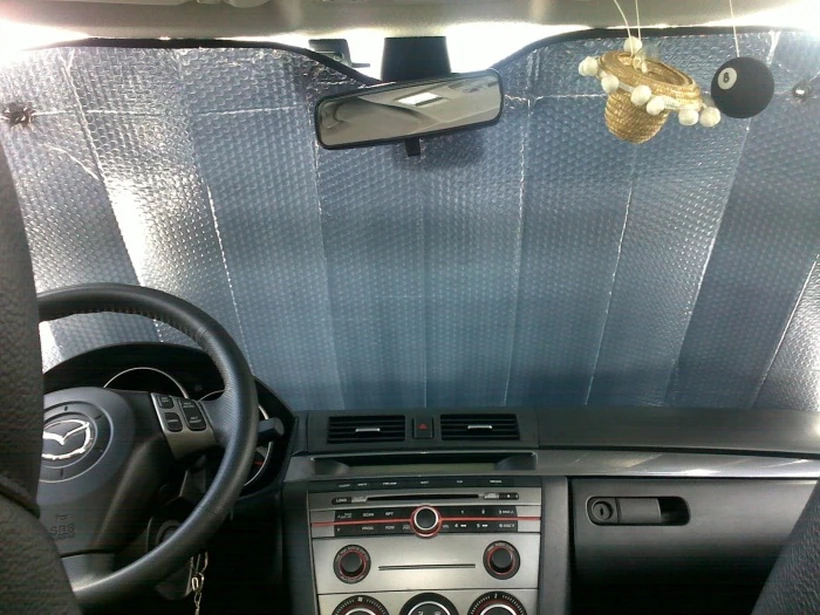
Cars spend much of their lives sitting in parking lots, and on a hot day interior temperatures can easily exceed 140°F. Prolonged exposure to such heat can dry out plastics, cause squeaks, and even lead to cracks over time. Upholstery—whether leather or cloth—can also fade and lose its appearance.
Reflective windshield sunshades provide an inexpensive solution. They help lower cabin temperatures and, more importantly, protect dashboards, trim pieces, and seats from harmful ultraviolet rays.
Being prepared is one of the best ways to maximize a vehicle's lifespan. With a little preventive maintenance and a few simple habits, drivers can make it through the hottest days of the year without sacrificing reliability or the appearance of their car.
You may also be interested in the news:
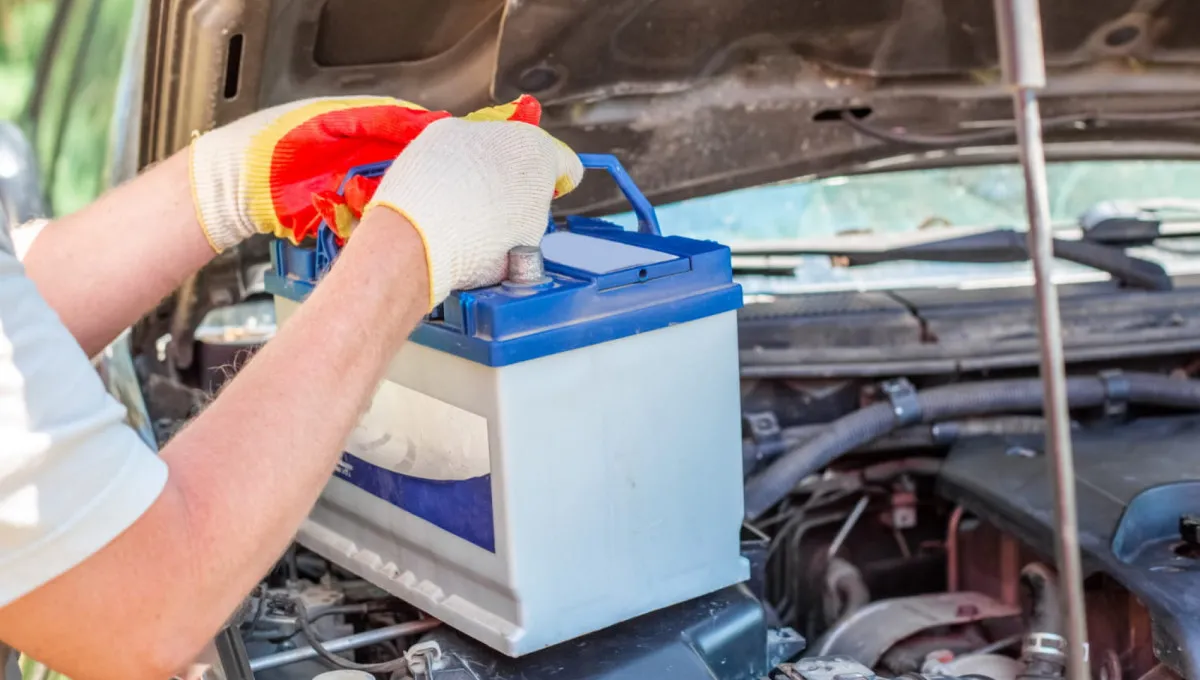
3 Signs Your Car Battery Is About to Die — And the Warning Signs Drivers Often Miss
A failing car battery rarely dies without warning, and these three signs can give drivers time to act before getting stranded.
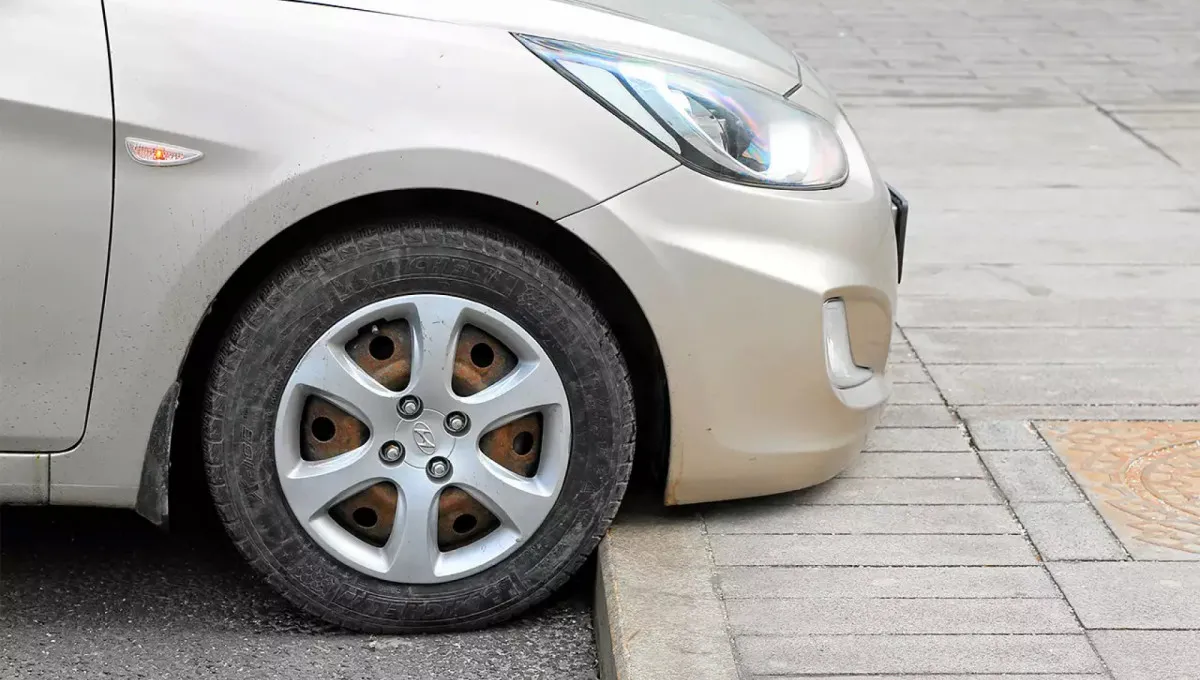
How to Park Close to a Curb Without Scratching Your Bumper: The Two-Mirror Method
How to Park Close to a Curb Without Scratching Your Bumper: The Simple Mirror Trick
Can You Wash Car Floor Mats in a Washing Machine? Experts Have the Answer
Think Twice Before Washing Your Car Floor Mats in the Washing Machine, Experts Warn.

YouTube Has a New Problem: AI Is Creating Fake Mechanics Who Look Completely Real
Artificial intelligence is now being used to create convincing fake auto mechanics on YouTube, raising concerns about misleading advice.
Your Brakes Squeal Every Morning? Here’s When That Noise Is Normal—and When It Could Mean Trouble
That sharp brake squeal first thing in the morning is often harmless—but persistent noise can point to worn or damaged brake components.