
5 American Cars That Predicted the Future of the Auto Industry
These groundbreaking American vehicles introduced game-changing ideas decades before the rest of the industry caught up.
Some cars are remembered for their sales success. Others earn a permanent place in history because they changed the direction of the entire automotive industry. America has produced plenty of both.
From pioneering mass production to introducing technologies that are now standard equipment, U.S. automakers have repeatedly pushed the industry forward. Many concepts that seemed radical when they debuted eventually became everyday features on modern vehicles.
The five classics below weren't just innovative for their era—they helped shape the cars we drive today.
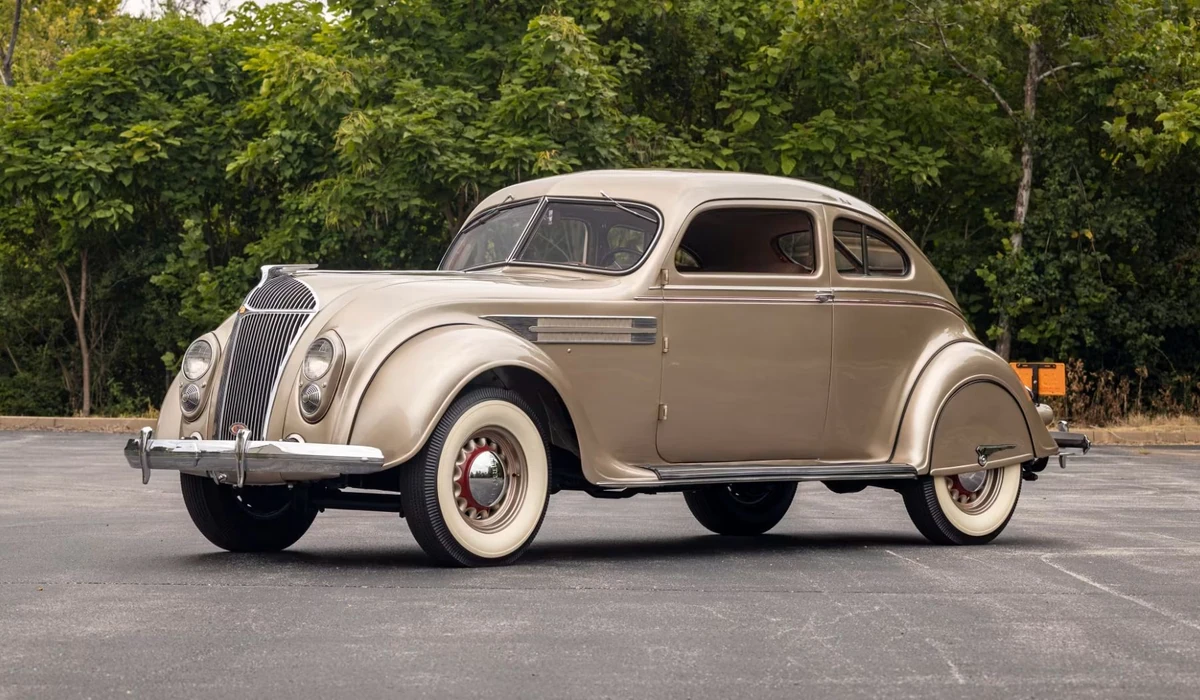
1934 Chrysler Airflow: The Car That Made Aerodynamics Matter
The Great Depression slowed progress across nearly every American industry, but it didn't stop engineers from thinking ahead. One of the boldest examples arrived in 1934 with the Chrysler Airflow.
At a time when most automakers paid little attention to airflow, Chrysler engineers Carl Breer, Fred Zeder, and Owen Skelton believed a more aerodynamic vehicle could deliver better performance and improved fuel economy without additional engine power.
The result was unlike anything else on the road. Sold under both Chrysler and DeSoto brands, the Airflow featured a streamlined shape, improved weight distribution, and a lower center of gravity. Those advantages translated into better handling, higher speeds, and greater efficiency than many of its rivals.
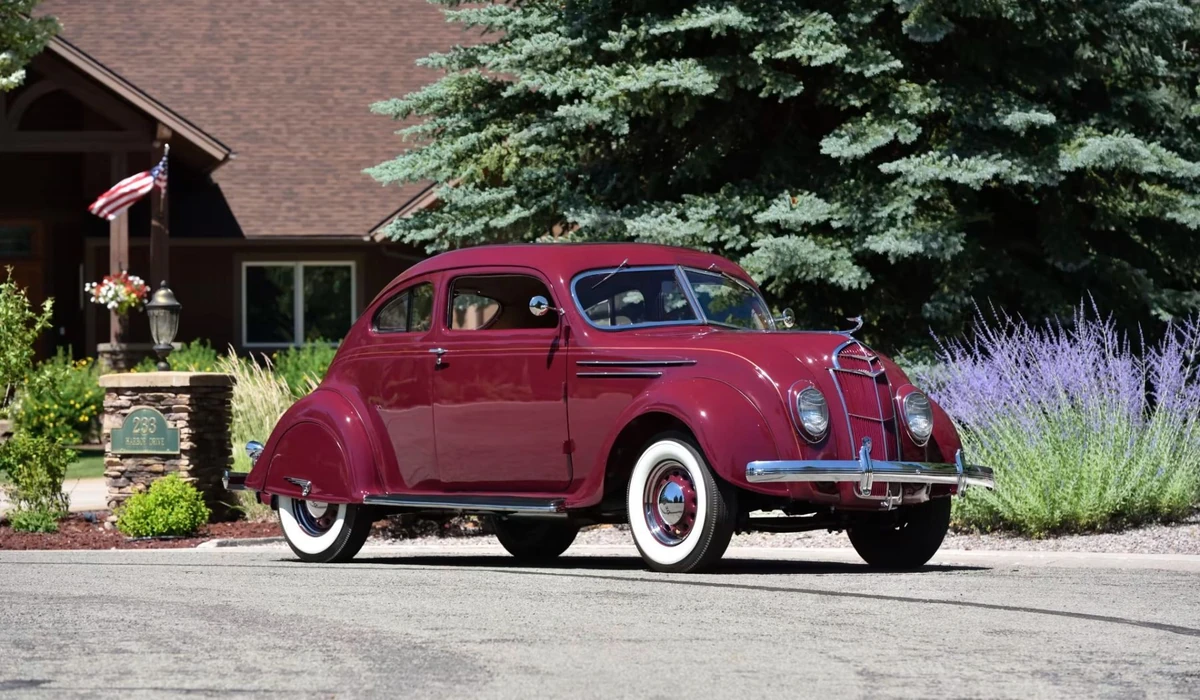
Unfortunately, buyers weren't ready for such a dramatic design. Its unconventional appearance and the difficult economic climate limited demand, and Chrysler discontinued the model after the 1937 model year.
Commercially, the Airflow was a disappointment. Technologically, it was decades ahead of its time. Today, aerodynamic efficiency is one of the most important factors in vehicle development, making the Airflow one of America's most influential automotive pioneers.
1947 Tucker 48: A Revolutionary Approach to Safety
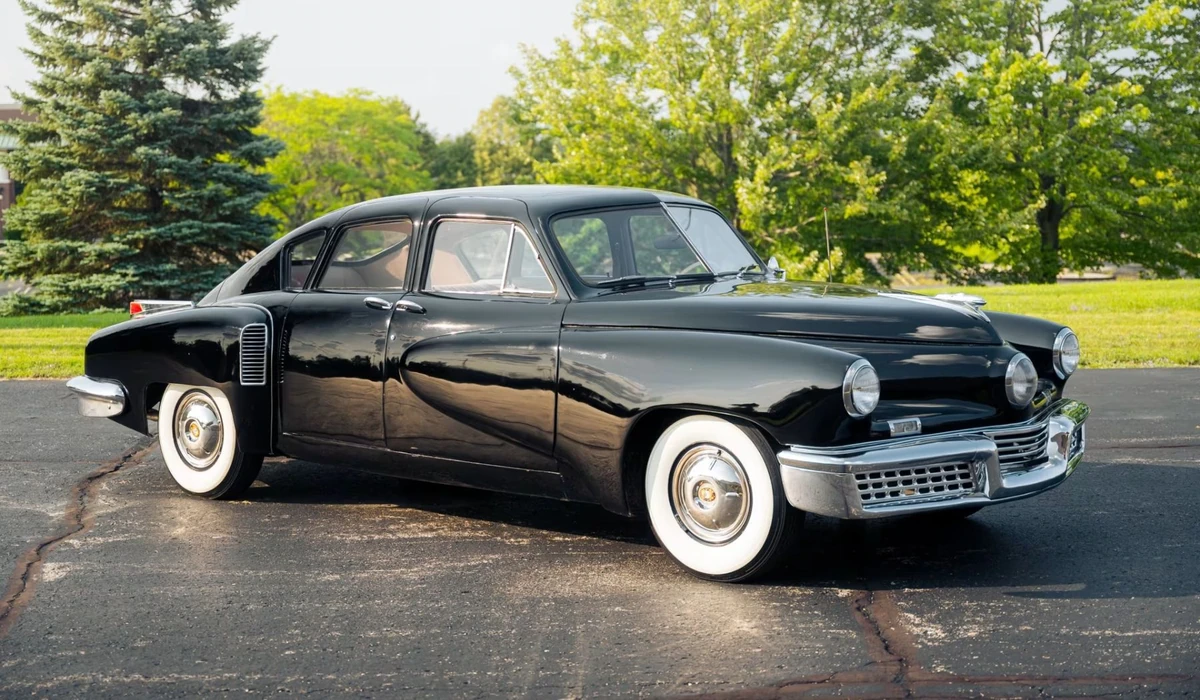
Few vehicles symbolize automotive innovation quite like the Tucker 48. Created by entrepreneur Preston Tucker, the futuristic sedan challenged industry norms by placing safety at the center of its design.
Long before crash protection became a major selling point, the Tucker incorporated features that would later become industry standards. The car included a reinforced passenger compartment, an integrated rollover structure, a padded dashboard, a windshield designed to pop out during a collision, and steering components positioned to reduce injury risk during a crash.
Early prototypes even featured seat belts and four-wheel disc brakes—remarkably advanced technology for the late 1940s.
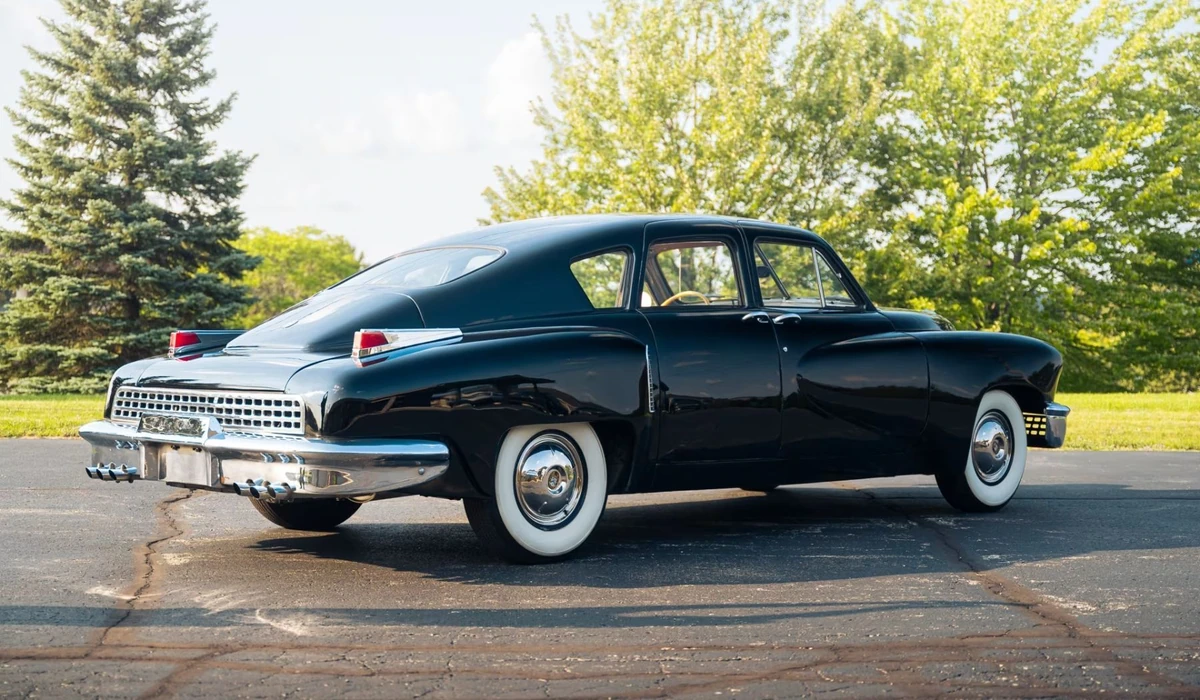
The Tucker also stood out mechanically. Its aerodynamic shape improved efficiency, while its famous center-mounted third headlamp turned with the steering wheel to improve nighttime visibility. Power came from a 5.5-liter flat-six engine originally developed for helicopter use.
Financial troubles ultimately doomed the project, and only about 50 production cars were completed. Yet the Tucker 48 remains one of the most important examples of forward-thinking automotive design and safety engineering.
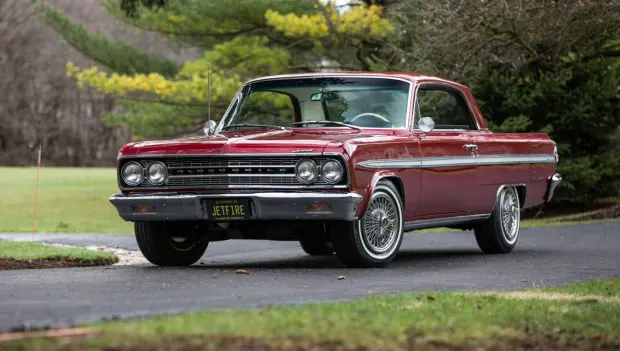
1962 Oldsmobile Jetfire: The First Turbocharged Production Car
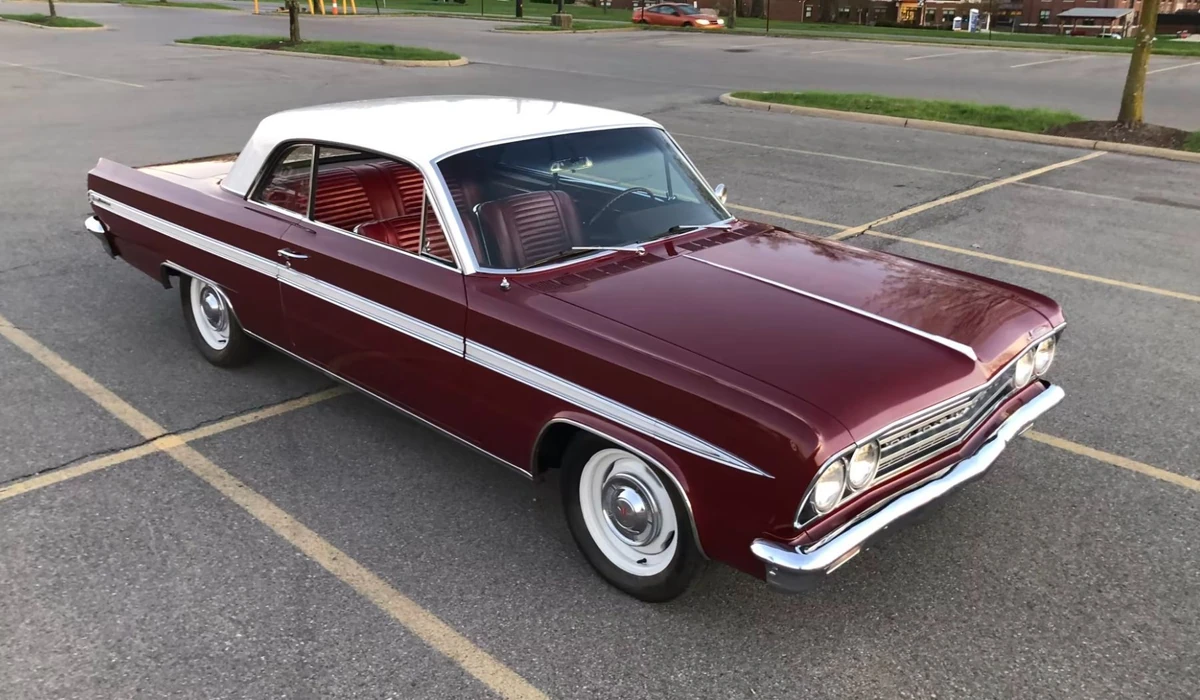
The Oldsmobile Jetfire looked like a stylish personal coupe when it debuted for 1962, but beneath the sheet metal was technology that would influence generations of performance cars.
Powered by an aluminum 3.5-liter V8 equipped with a Garrett turbocharger, the Jetfire produced an impressive 215 horsepower. More importantly, it became the first production automobile to reach customers with a factory-installed turbocharger.
While turbocharging had already been explored in racing and engineering circles, it remained largely experimental in passenger vehicles. Oldsmobile's willingness to put the technology into production was a major step forward.
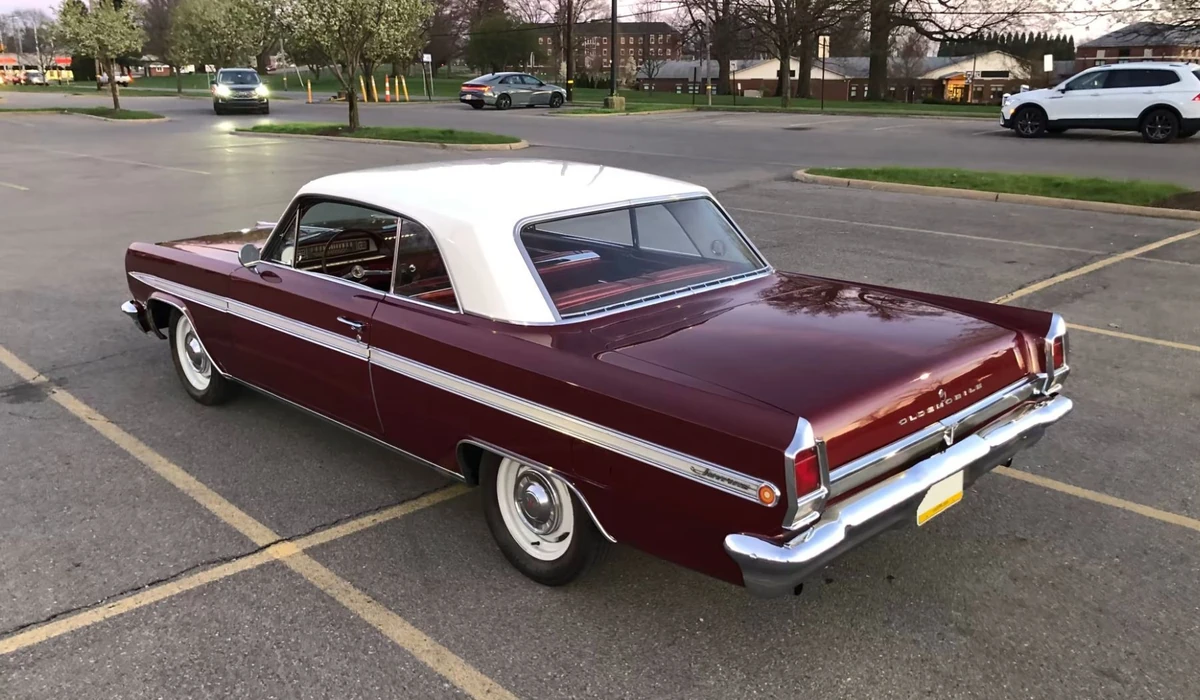
The Jetfire's downfall wasn't its engineering. Instead, owners often struggled to maintain the specialized water-and-methanol injection system required for proper operation. Reliability concerns followed, and the model disappeared after a short production run.
Still, the Jetfire proved that turbocharging could work in a production vehicle. Today, turbocharged engines power everything from economy cars to high-performance sports cars.
1963 Chrysler Turbine Car: An Automotive Moonshot
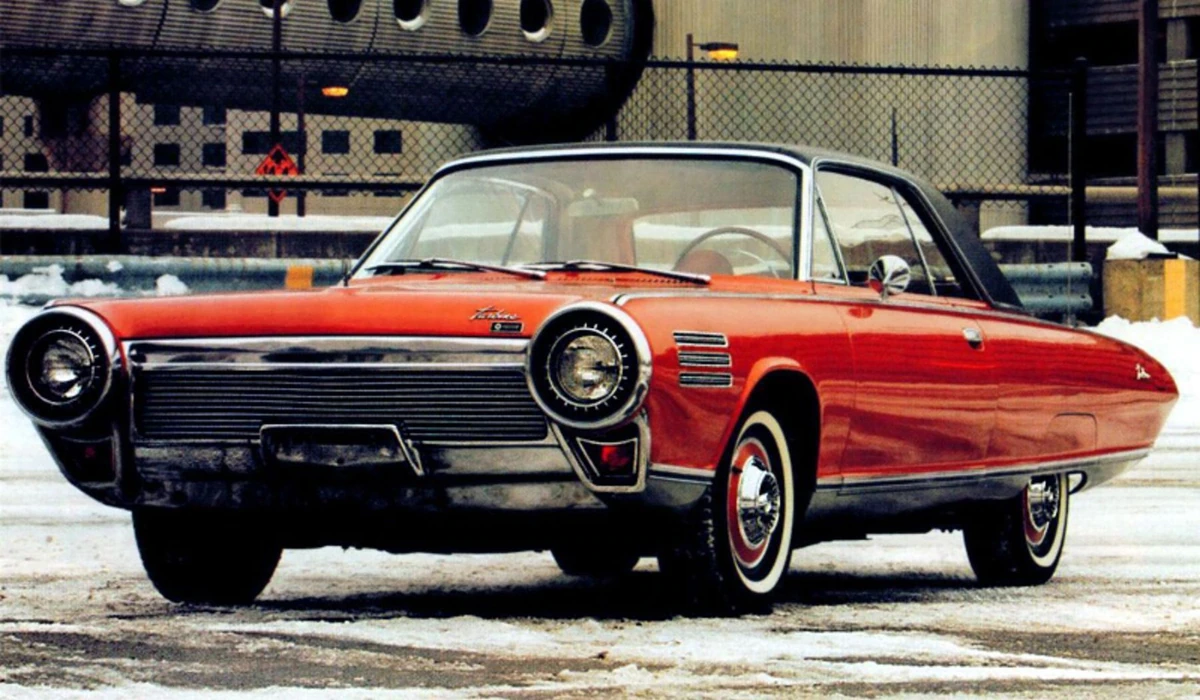
In the early 1960s, Chrysler believed turbine engines might represent the future of personal transportation. The company's answer was the unforgettable Turbine Car.
Styled by Italy's Ghia and finished in a distinctive bronze color, the futuristic coupe looked like something straight out of the Space Age. Its real innovation, however, was hidden under the hood.
The A-831 turbine engine produced 130 horsepower while spinning at an astonishing 36,000 rpm. Even more remarkable was its fuel flexibility. Engineers demonstrated that the engine could operate on diesel fuel, kerosene, and a variety of other combustible liquids in addition to regular gasoline.
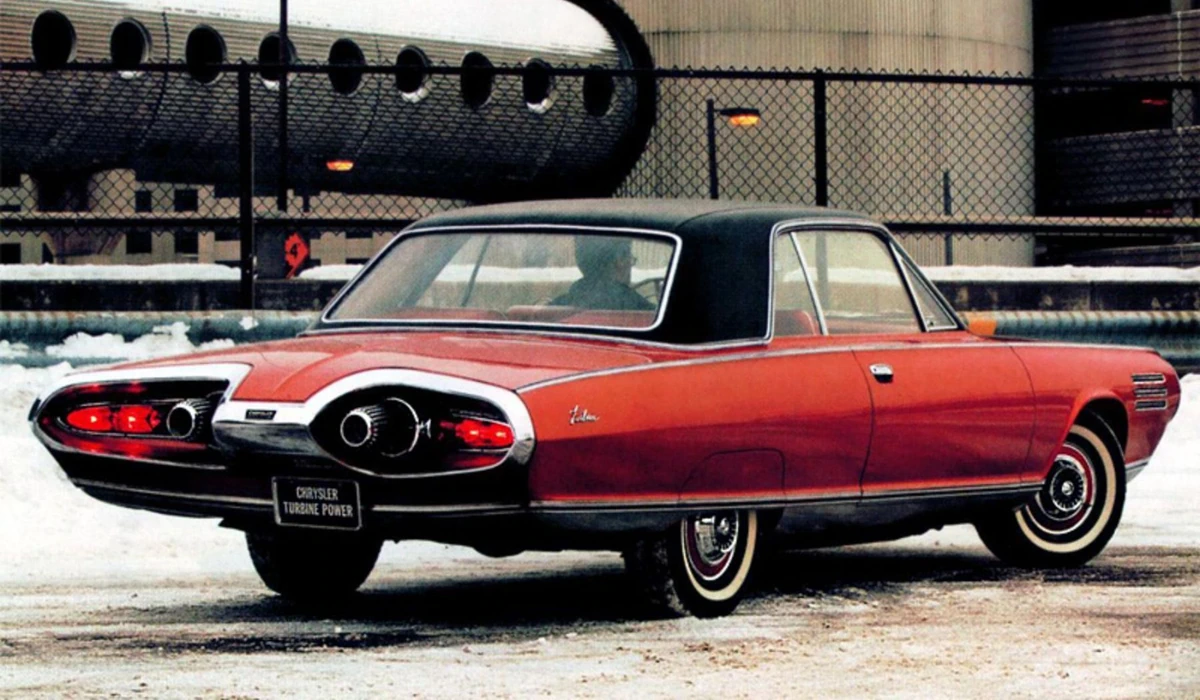
Rather than selling the cars, Chrysler built 55 examples and loaned them to members of the public as part of a nationwide testing program. Over nearly three years, more than 200 drivers evaluated the vehicles under real-world conditions.
Although the experiment generated valuable feedback, high manufacturing costs and increasingly strict emissions regulations prevented the turbine-powered car from reaching mass production.
Even so, the Turbine Car remains one of the most ambitious engineering projects ever undertaken by an American automaker.
1963 Jeep Wagoneer: The Original Luxury SUV
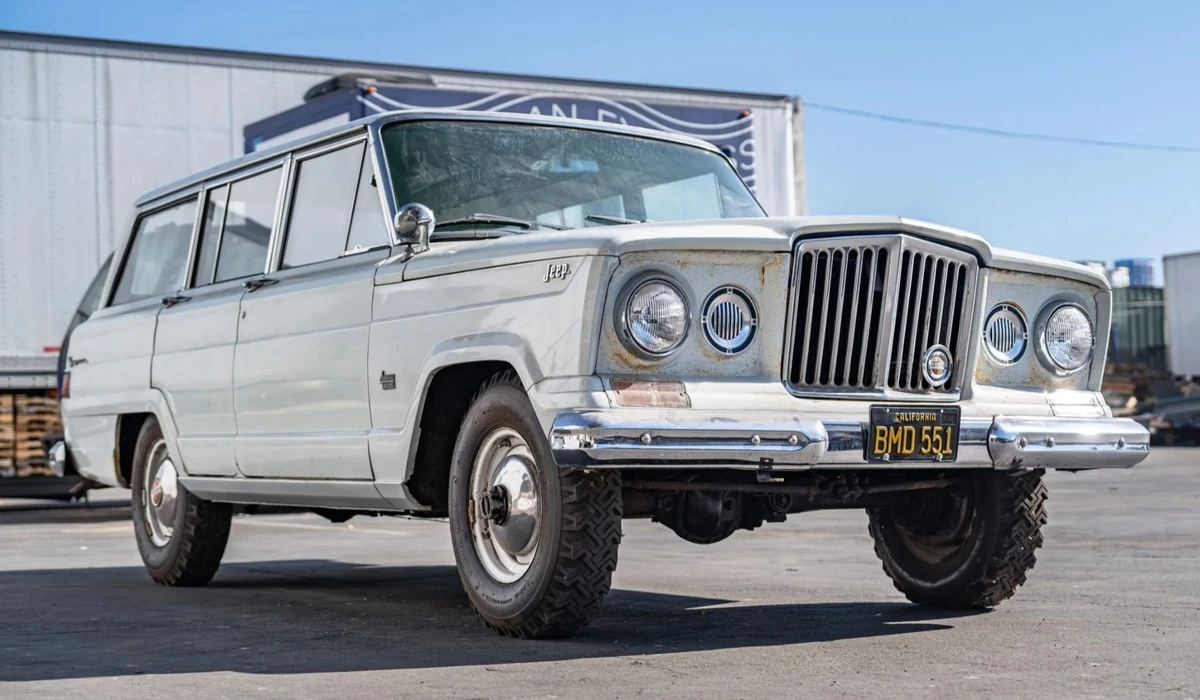
Today, luxury SUVs dominate the American market. In 1963, however, the concept barely existed.
That changed with the arrival of the Jeep Wagoneer.
Unlike the stripped-down off-road vehicles that came before it, the Wagoneer combined genuine four-wheel-drive capability with the comfort and convenience features buyers expected from a premium passenger car. Customers could order air conditioning, power steering, upscale interior trim, and an automatic transmission—features rarely associated with rugged utility vehicles at the time.
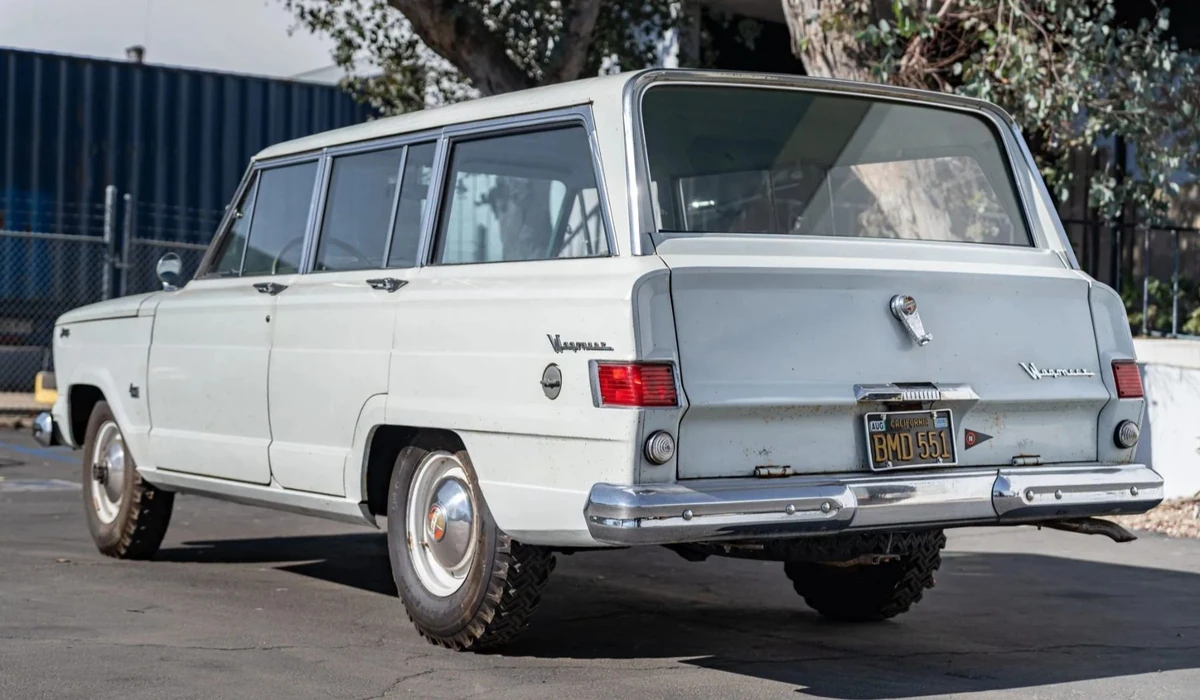
The Wagoneer also offered a smoother ride thanks to its advanced front suspension, making it more comfortable on paved roads without sacrificing off-road performance.
The formula proved incredibly successful. Buyers embraced the Wagoneer, and it remained in production for nearly three decades.
By blending luxury, practicality, and all-terrain capability into a single package, the Wagoneer created the blueprint that modern luxury SUVs continue to follow today.
You may also be interested in the news:

Volkswagen Recall Hits 250,000+ Vehicles Over Steering Failure and Sudden Engine Stall Risks
Volkswagen is recalling more than 250,000 vehicles in the U.S. over steering, software and engine-stall concerns.

You've Seen These Black-and-Yellow Road Markers—But Do You Know What They Really Mean?
Those familiar black-and-yellow road markers quietly tell drivers which direction to take around roadside obstacles.
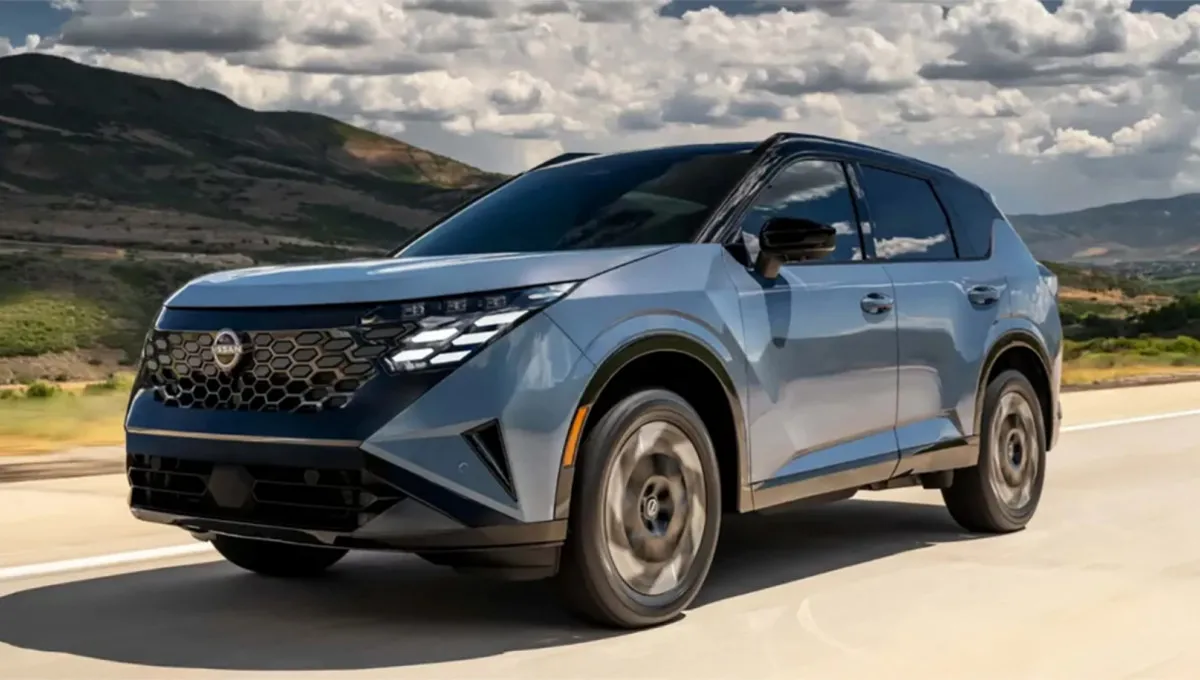
The New Nissan Rogue Is Here—and Its Hybrid Powertrain Changes Everything
The new Nissan Rogue makes its U.S. debut with a ground-up Nissan design and an all-new hybrid powertrain built around electric motors.
10 Wild BMW Concepts That Never Made It to Production — And the Cars They Inspired
From the Turbo to the M1 Hommage, these 10 BMW concepts showed ideas the automaker never brought to showrooms.
Why Small Turbo Engines Are Replacing Big V8s—and What It Means for Your Next Car
Turbochargers let automakers squeeze big-engine performance from smaller engines—but the technology comes with trade-offs.