
Cummins 6BT: The Legendary American Diesel That Can Run a Million Miles Without a Rebuild
Few diesel engines have earned a reputation for durability quite like the legendary Cummins 6BT.
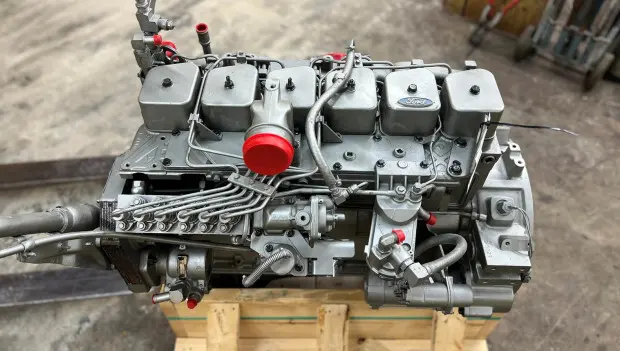
Some engines simply do their job. Others become legends. The Cummins 6BT firmly belongs in the second category. Over decades of service, this 5.9-liter inline-six turbodiesel has built a reputation as one of the toughest and most dependable diesel engines ever produced.
Originally designed for agricultural and industrial equipment, the 6BT eventually found its way under the hood of Dodge Ram pickups, where it helped redefine what diesel-powered light trucks could do. Its straightforward design, massive strength reserves, and remarkable longevity turned it into a favorite among truck owners, mechanics, and performance enthusiasts alike.
From Farm Equipment to American Pickups
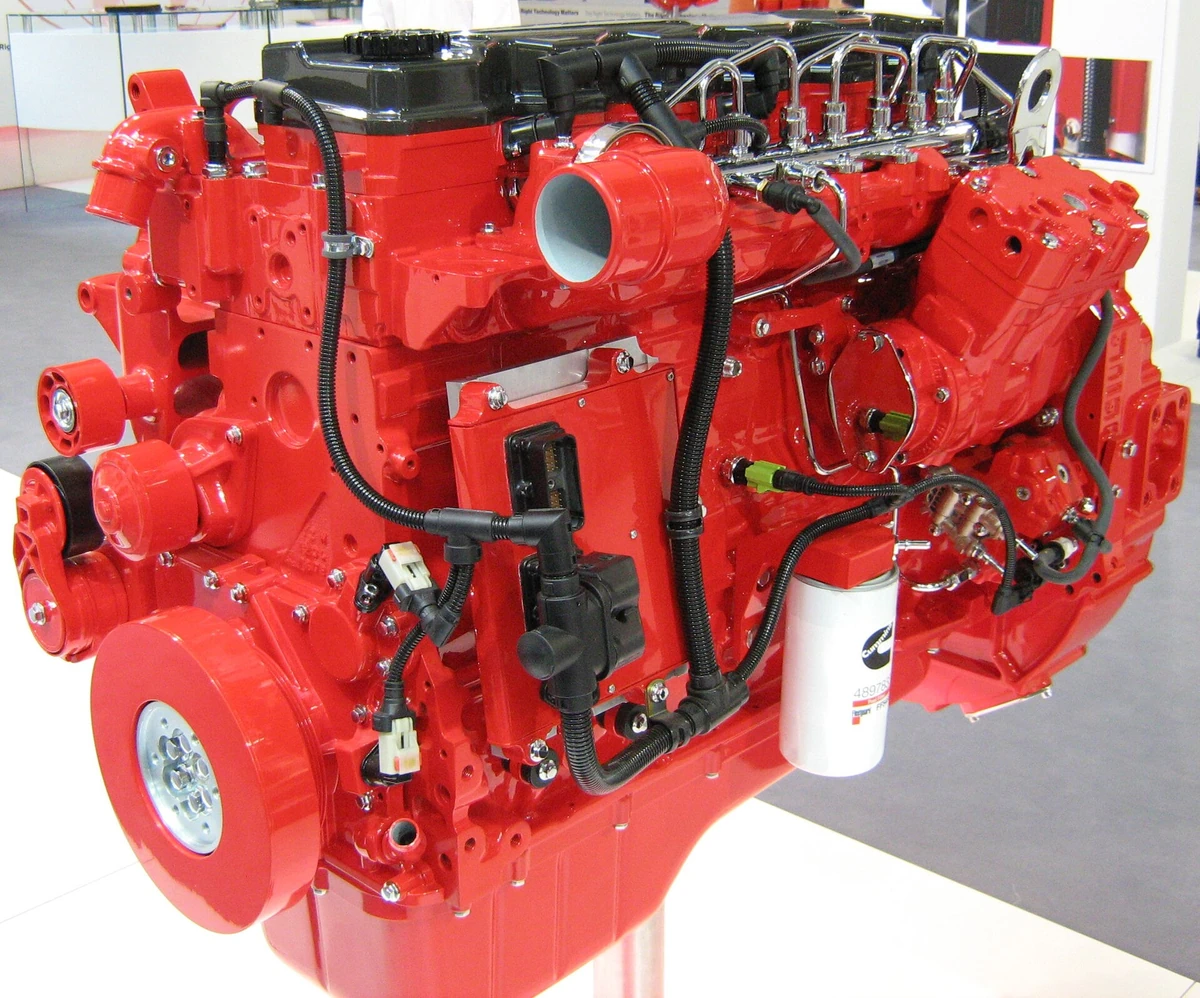
The story of the Cummins 6BT began in the late 1970s when Cummins started developing its new B-Series family of diesel engines. The project launched in 1978 and was initially intended for industrial applications, including agricultural machinery, construction equipment, and power generators.
The first four-cylinder version arrived in 1983, followed by the six-cylinder 6BT in 1984. One of its earliest customers was Case, which installed the engine in agricultural equipment.
Its breakthrough came several years later. During the mid-1980s, Dodge was looking for a way to strengthen its position in the pickup market, where Ford and General Motors already offered diesel-powered trucks. Engineers selected the Cummins engine, though significant modifications were required before it could be adapted for highway use.
The gamble paid off.
In 1989, Dodge launched the Ram equipped with the new 5.9-liter Cummins turbodiesel. Demand quickly exceeded Chrysler's expectations, and many industry observers believe the Cummins-powered Ram played a major role in preserving Dodge's truck business while giving the brand a powerful competitive advantage.
How the 6BT Evolved
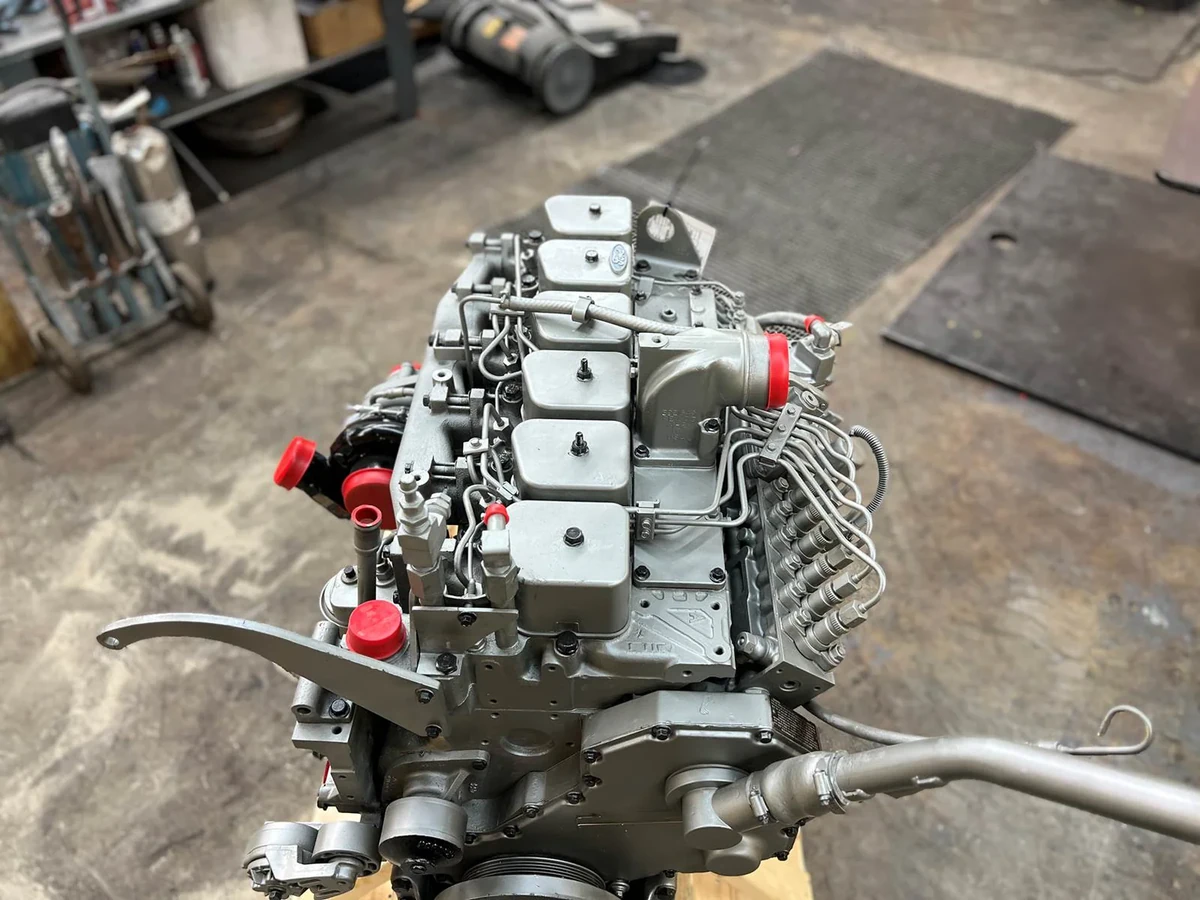
Over the years, the Cummins 6BT received a series of upgrades and refinements.
1989–1991
Early versions produced 160 horsepower and approximately 400 lb-ft of torque. These engines lacked an intercooler and relied on a Bosch VE rotary injection pump. The setup was simple, durable, and easy to maintain.
1991–1993
Cummins added an air-to-air intercooler and revised both the turbocharger and fuel injectors. These improvements increased efficiency while reducing intake temperatures.
1994–1998
The biggest upgrade arrived in 1994.
The Bosch VE rotary pump was replaced by the now-famous Bosch P7100 mechanical injection pump, better known among diesel enthusiasts as the "P-Pump." The new system delivered more precise fuel metering and unlocked enormous tuning potential.
Output climbed to 215 horsepower, while torque increased to approximately 440 lb-ft.
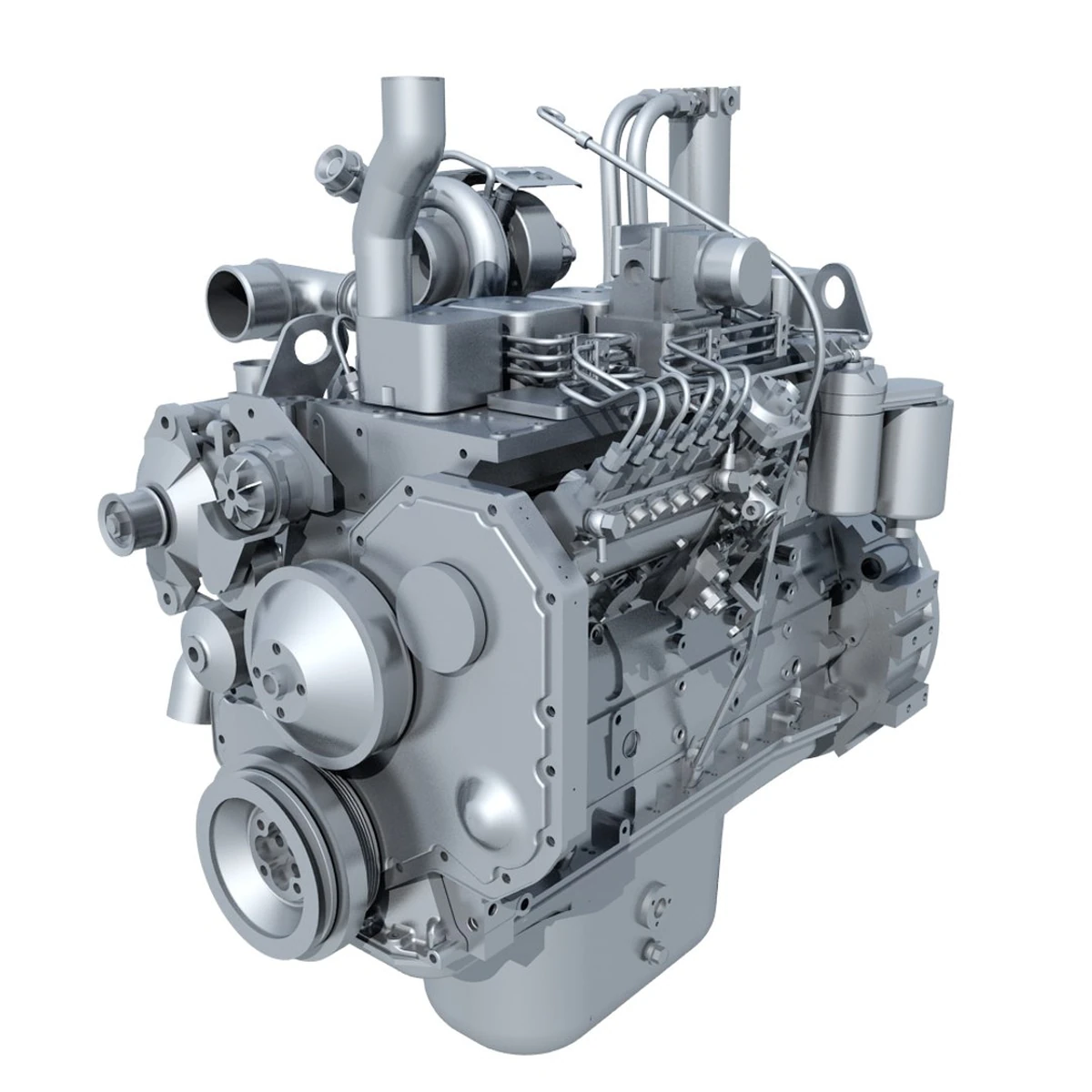
Cummins 6BT Specifications
- Engine displacement: 5.9 liters
- Configuration: Inline-six turbodiesel
- Bore x stroke: 4.02 x 4.72 inches
- Compression ratio: 17:1
- Cylinder head: Cast-iron, 12-valve design
- Engine block: Cast iron
- Crankshaft: Forged steel
- Turbocharger: Fixed-geometry Holset unit
- Fuel system: Mechanical direct injection
- Injection pump: Bosch VE or Bosch P7100
- Horsepower: 160-215 hp
- Torque: 400-440 lb-ft
- Engine weight: Approximately 940 pounds
Why It's Known as the "Million-Mile Diesel"
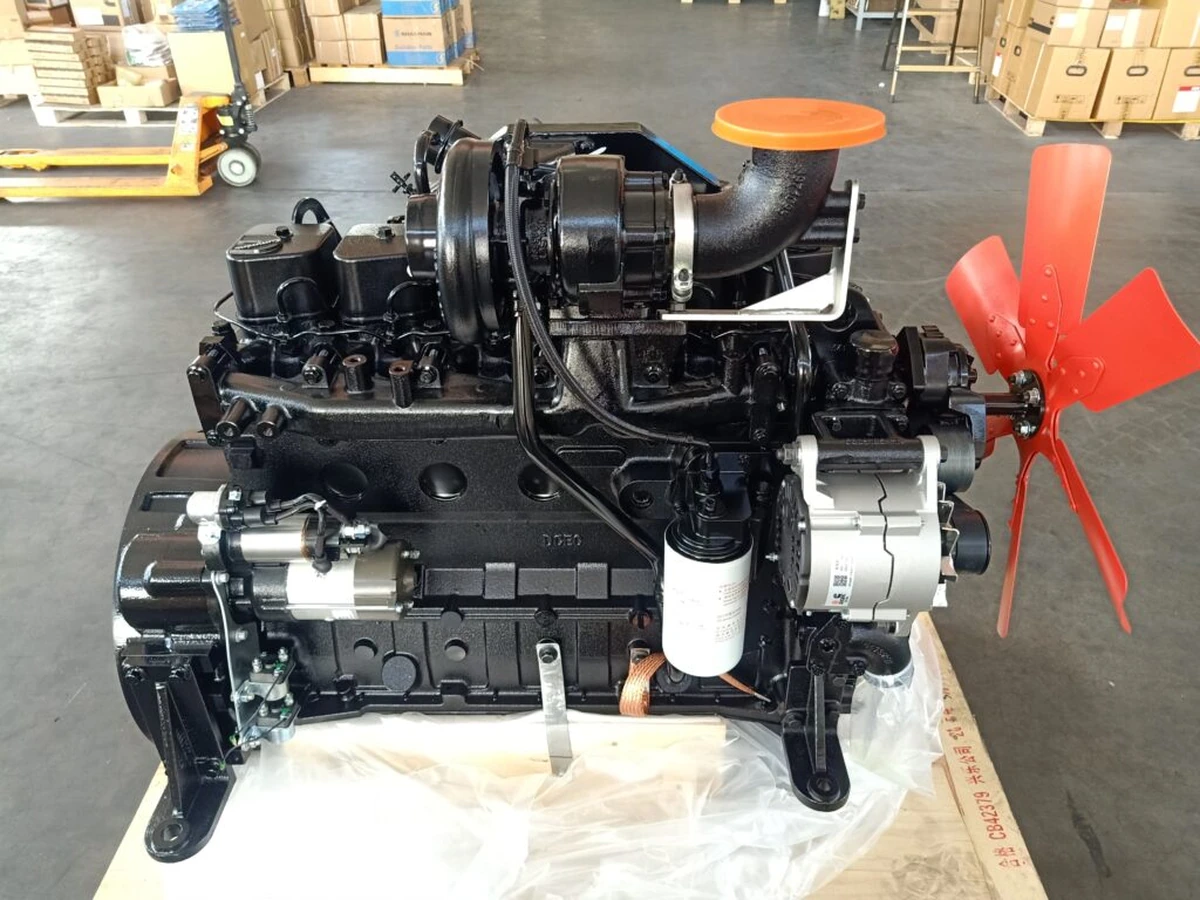
The main reason for the 6BT's enduring popularity is its incredible longevity.
Among truck enthusiasts, the engine is widely regarded as a "million-mile motor." With proper maintenance, many examples exceed 500,000 miles without requiring a major overhaul, while some have reportedly surpassed one million miles.
That's an extraordinary achievement for a diesel engine whose basic design dates back more than four decades.
The secret lies in its industrial roots. Cummins engineered the 6BT to operate under heavy loads for extended periods. Its cast-iron block, oversized internal components, and lack of complex electronics created a level of durability rarely seen in modern engines.
It's not uncommon to hear owners joke that a Cummins 6BT is "just getting broken in" at 300,000 miles.
What Owners and Mechanics Love About It
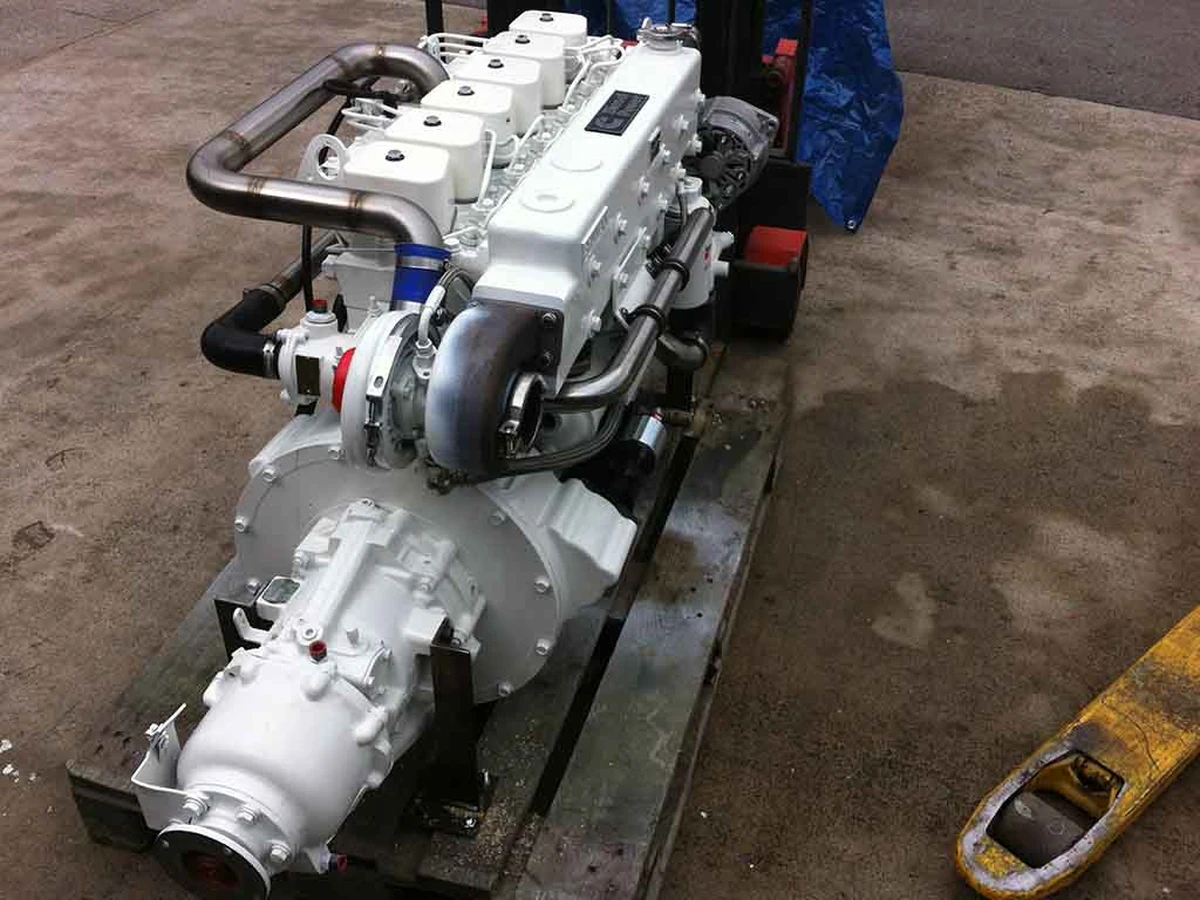
Over the years, the 6BT has earned an almost mythical reputation.
Owners praise it for:
- Exceptional reliability
- Straightforward maintenance
- Excellent repairability
- Strong low-end torque
- Solid fuel economy for its size and capability
Because early versions use purely mechanical fuel systems, many repairs can be performed without specialized diagnostic equipment. A skilled owner with basic tools can handle a surprising amount of maintenance.
Mechanics also appreciate the engine's simplicity. Compared with modern electronically controlled diesels packed with sensors, emissions hardware, and computers, the 6BT has far fewer potential failure points.
Weak Spots of a Legend
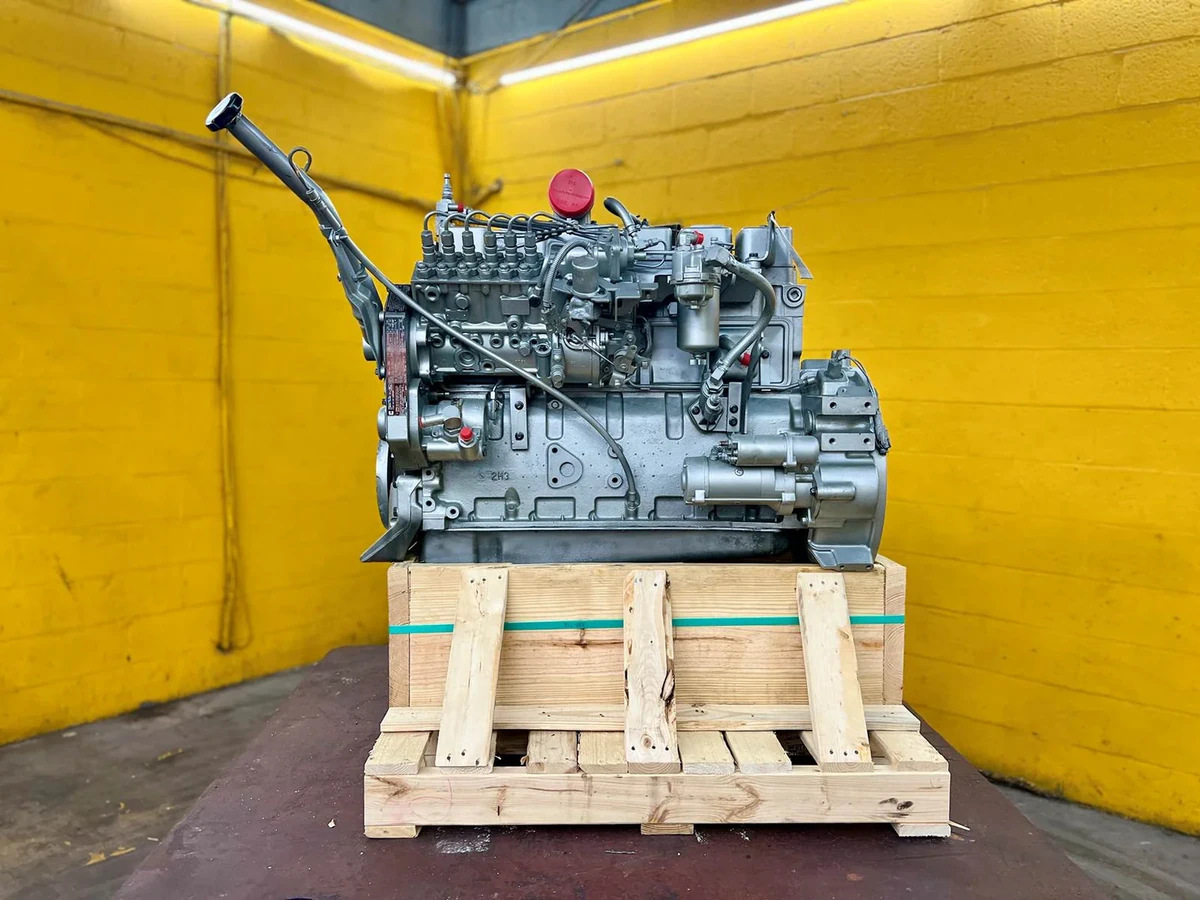
No engine is perfect, and the 6BT has a few well-known issues.
The most famous is the so-called Killer Dowel Pin (KDP) problem. A small locating pin in the front timing cover can work loose over time and potentially enter the timing gear assembly, causing severe engine damage.
Fortunately, the issue has been thoroughly documented and can be prevented with an inexpensive retaining tab.
Some engines also experienced cracking issues associated with certain "53" casting blocks, while early fuel-system components occasionally developed reliability concerns.
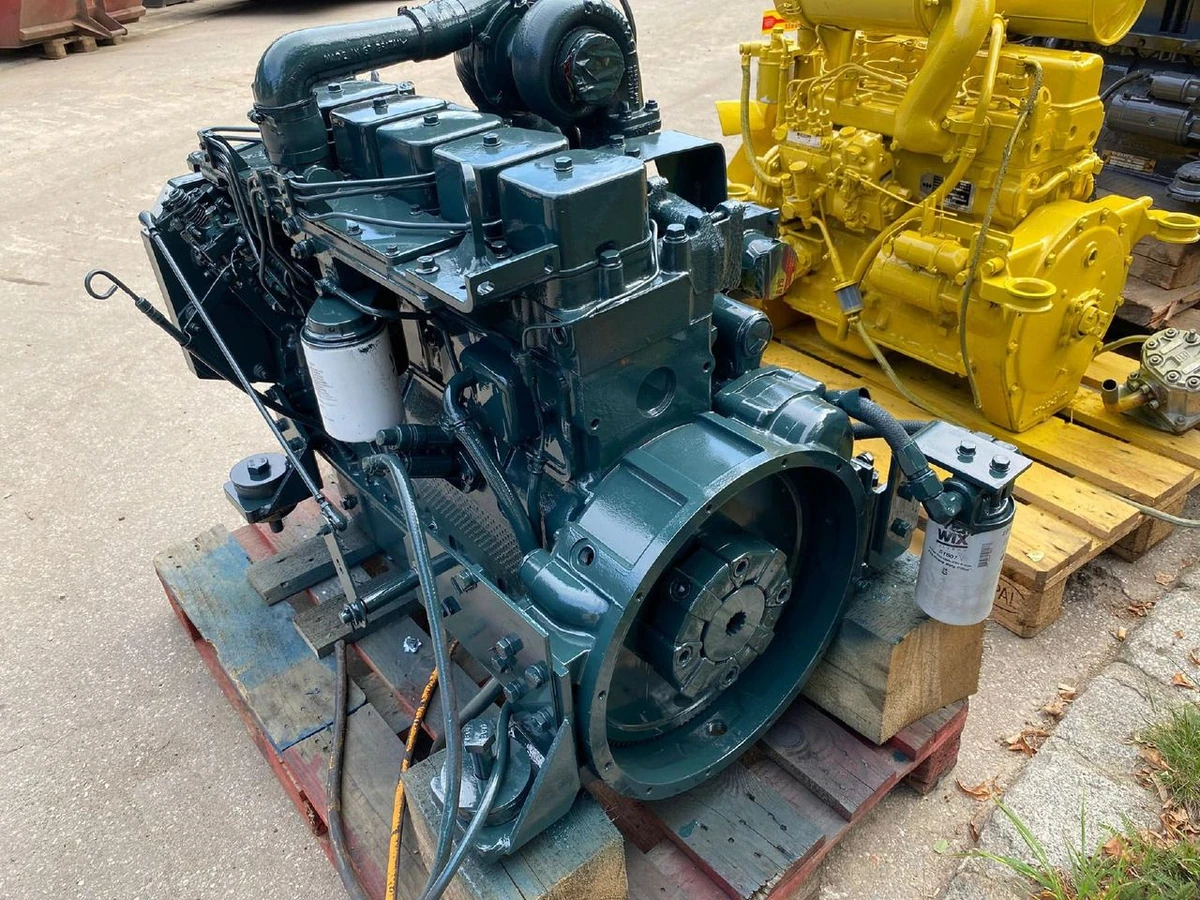
Interesting Facts About the Cummins 6BT
- "6BT" stands for six cylinders, B-Series, turbocharged.
- Early versions operated without an engine control module.
- Significant power gains could often be achieved with simple fuel-pump adjustments.
- The Bosch P7100 helped make the 6BT one of the most popular diesel tuning platforms ever built.
- Heavily modified examples can exceed 1,000 horsepower.
- The engine has powered everything from Dodge Ram pickups to buses, construction equipment, generators, and even marine applications.
The Million-Mile Stories
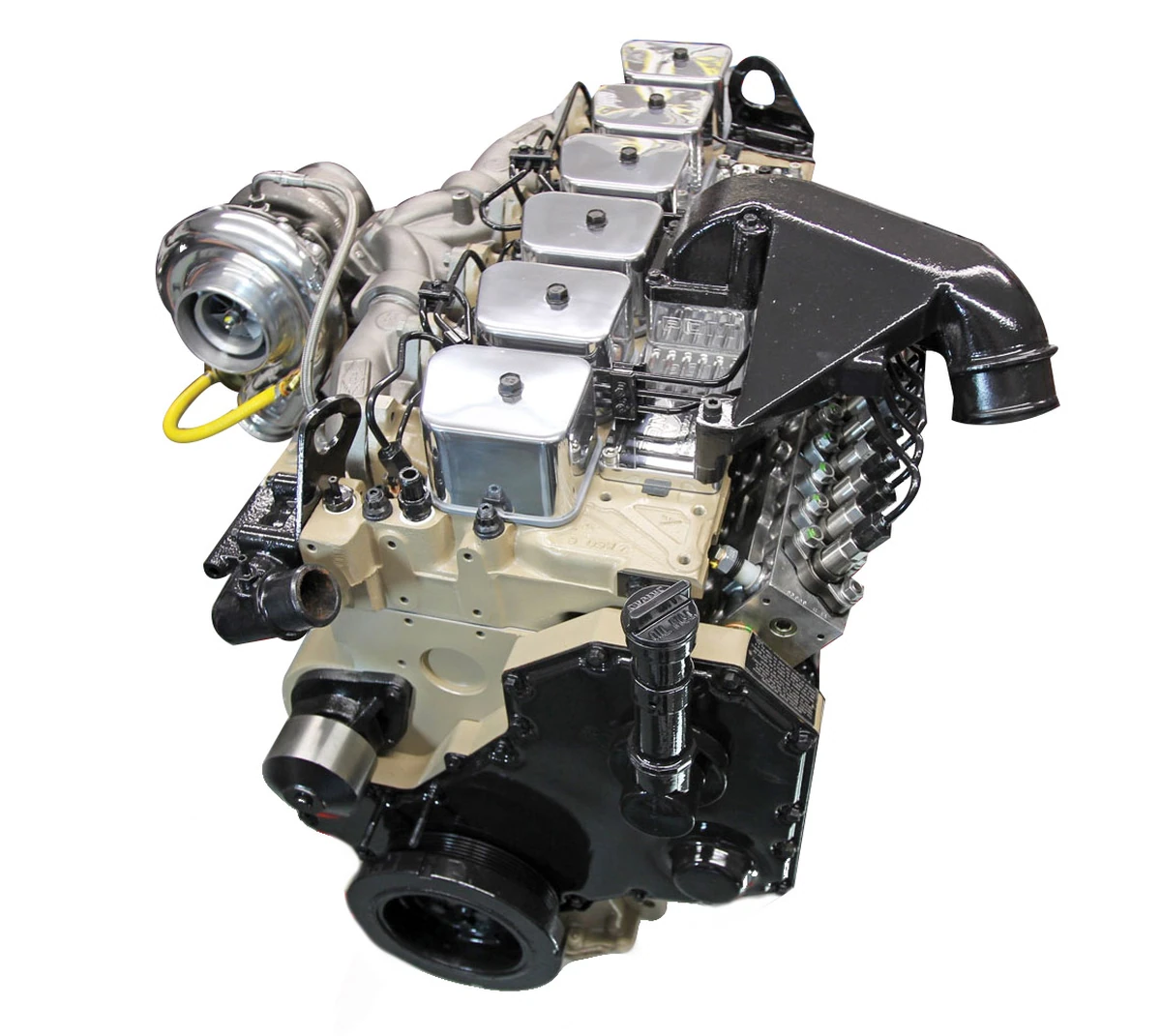
Within the Cummins community, reaching one million miles is considered entirely achievable for a properly maintained 12-valve 6BT.
Reports of engines accumulating between 1.5 and 1.8 million miles also exist, although many of those examples required partial rebuilds or cylinder-head work along the way.
The Cummins 6BT is far more than a successful diesel engine. It is one of those rare powerplants that changed an industry and established a new benchmark for durability.
Designed for hard work, it became the beating heart of America's diesel pickup movement, helped Dodge strengthen its truck lineup, and earned a cult following that continues to grow decades after production ended.
Even today, demand for 6BT-powered trucks and standalone engines remains remarkably strong. Few pieces of automotive engineering receive a better endorsement than that.
You may also be interested in the news:

Copart to Acquire ACV Auctions in $1.9 Billion Deal, Expanding Into Dealer-to-Dealer Car Auctions
Copart is acquiring ACV Auctions for about $1.9 billion, expanding its online auction business into dealer-to-dealer vehicle sales.

GM Just Unleashed an 8.3-Liter Diesel V8 to Take on Ford’s 1,200-Lb-Ft Power Stroke
General Motors has confirmed an all-new 8.3-liter Duramax V8 diesel called Mongoose for the 2027 Silverado HD and Sierra HD.

These 5 Automakers Still Refuse to Build an SUV
SUVs and crossovers now account for roughly 61% of new-vehicle sales in the U.S., yet these five automakers continue to avoid the segment.

12 Used Cars Retirees Should Know About—These Models Put Safety, Comfort and Reliability First
Great for Retirees: These Used Cars Stand Out for Safety, Reliability and Comfort

Volkswagen Recall Bombshell: 250,000+ Vehicles Hit by Steering Failure and Sudden Engine Stall Risks
Volkswagen is recalling more than 250,000 vehicles in the U.S. over steering, software and engine-stall concerns.