
1941 Ford Woody Found Aboard WWII Aircraft Carrier Resting More Than 17,000 Feet Below the Pacific
Researchers exploring the USS Yorktown wreck made an unexpected discovery: a rare 1941 Ford Woody.
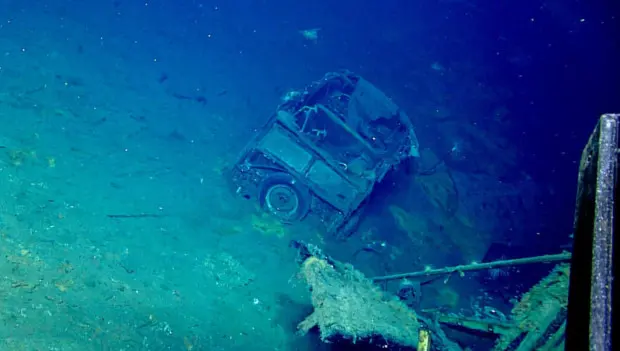
Marine researchers investigating the wreck of a famous World War II aircraft carrier recently stumbled upon something nobody expected to find nearly three and a half miles beneath the Pacific Ocean—a classic Ford station wagon that has been sitting on the seafloor for more than eight decades.
The remarkable discovery was made during an expedition led by the National Oceanic and Atmospheric Administration (NOAA) aboard the research vessel Okeanos Explorer. While surveying the wreck of the aircraft carrier USS Yorktown, scientists noticed a pair of unusual round shapes emerging from the darkness near the ship's hull.
As remotely operated vehicle (ROV) cameras moved closer, the mystery quickly became clear. The objects were whitewall tires attached to what appeared to be a vintage automobile.
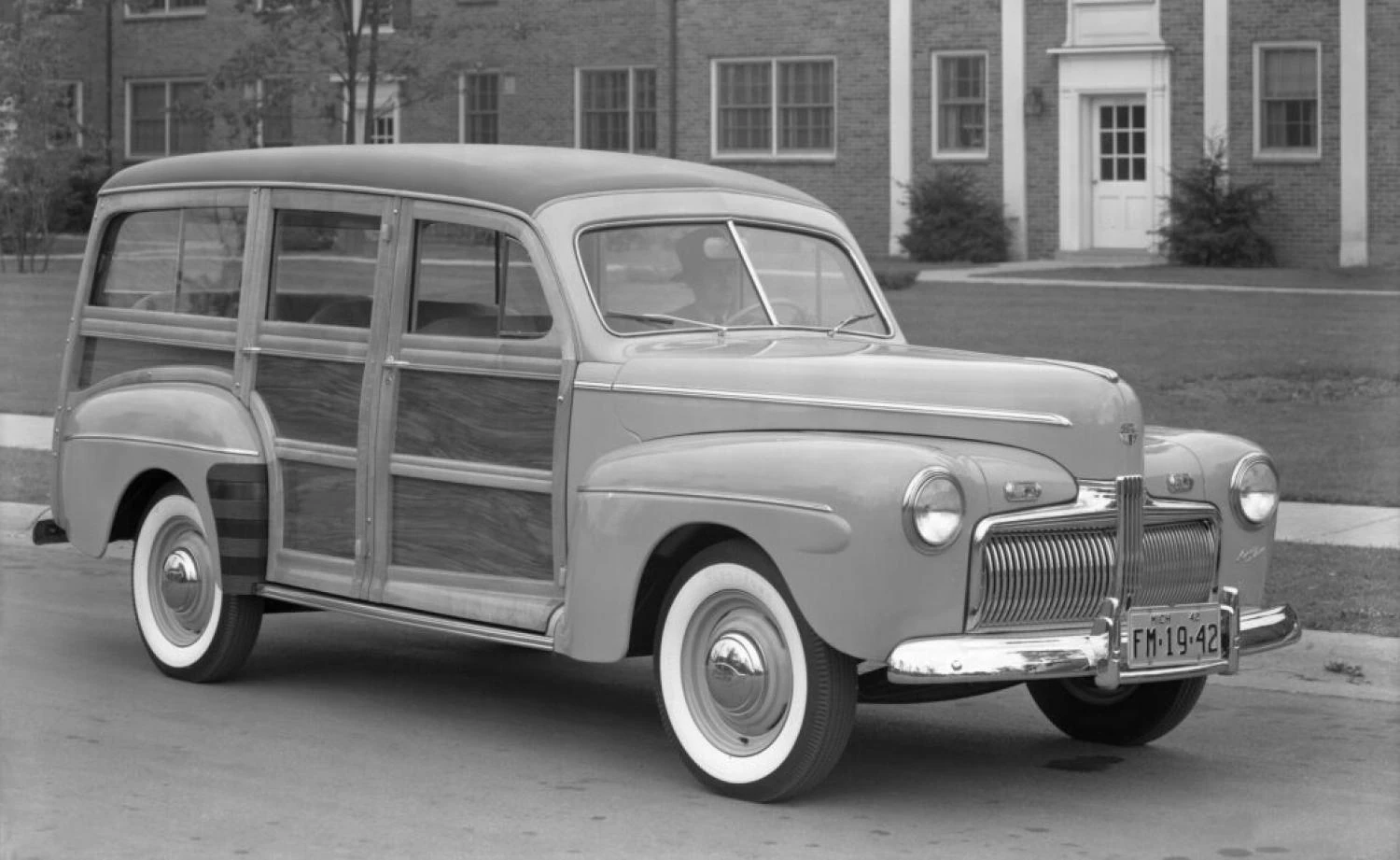
Further inspection revealed the vehicle to be a 1941 Ford Super Deluxe Woody, one of the most recognizable American station wagons of its era.
A Surprise Discovery at Extreme Depth
The USS Yorktown rests approximately 17,000 feet below the surface of the Pacific Ocean after being sunk during the Battle of Midway in June 1942, one of the most significant naval engagements of World War II.
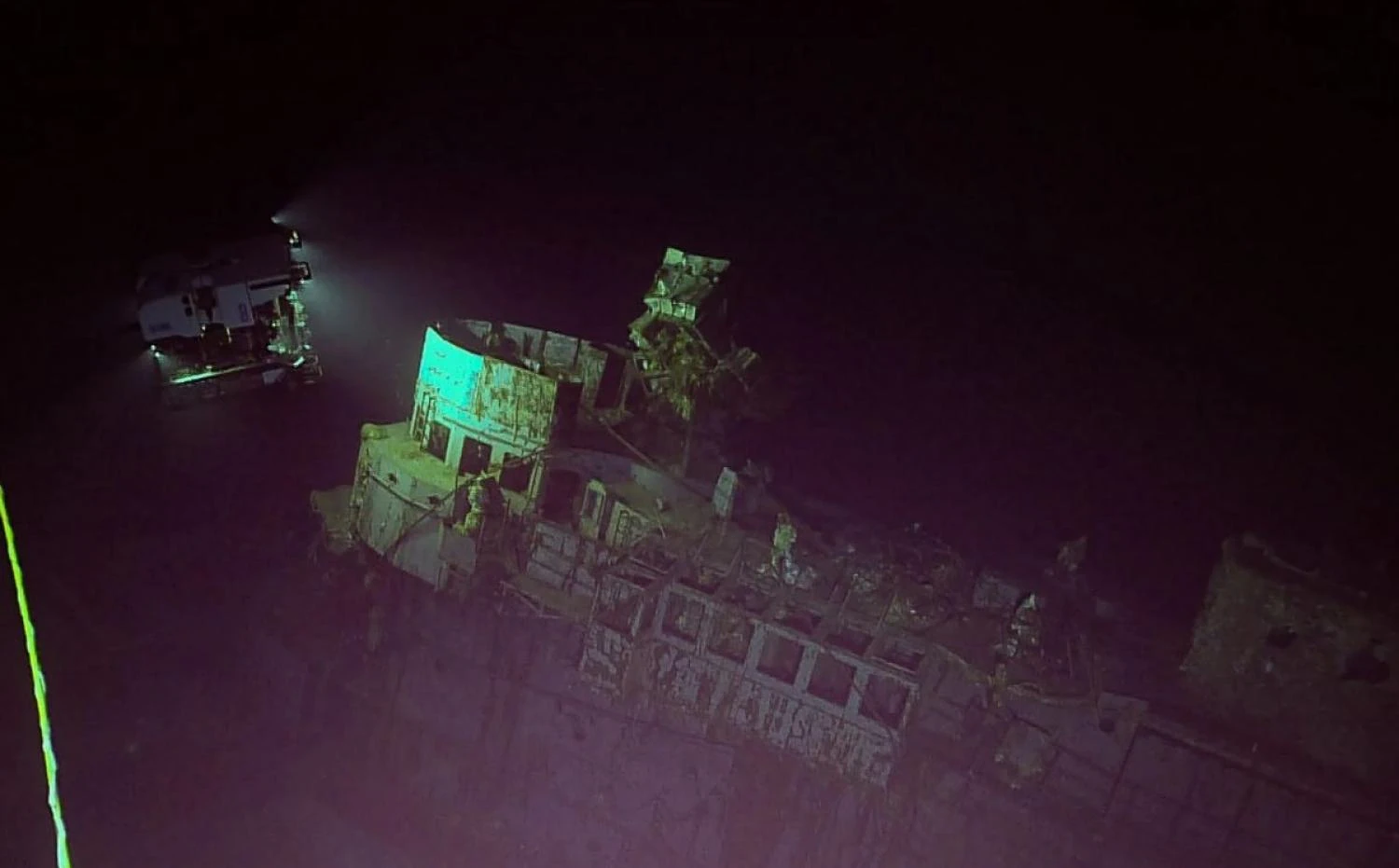
The Ford was discovered near the carrier's port-side hangar area, resting alongside the wreck after spending 83 years in one of the most hostile environments on Earth.
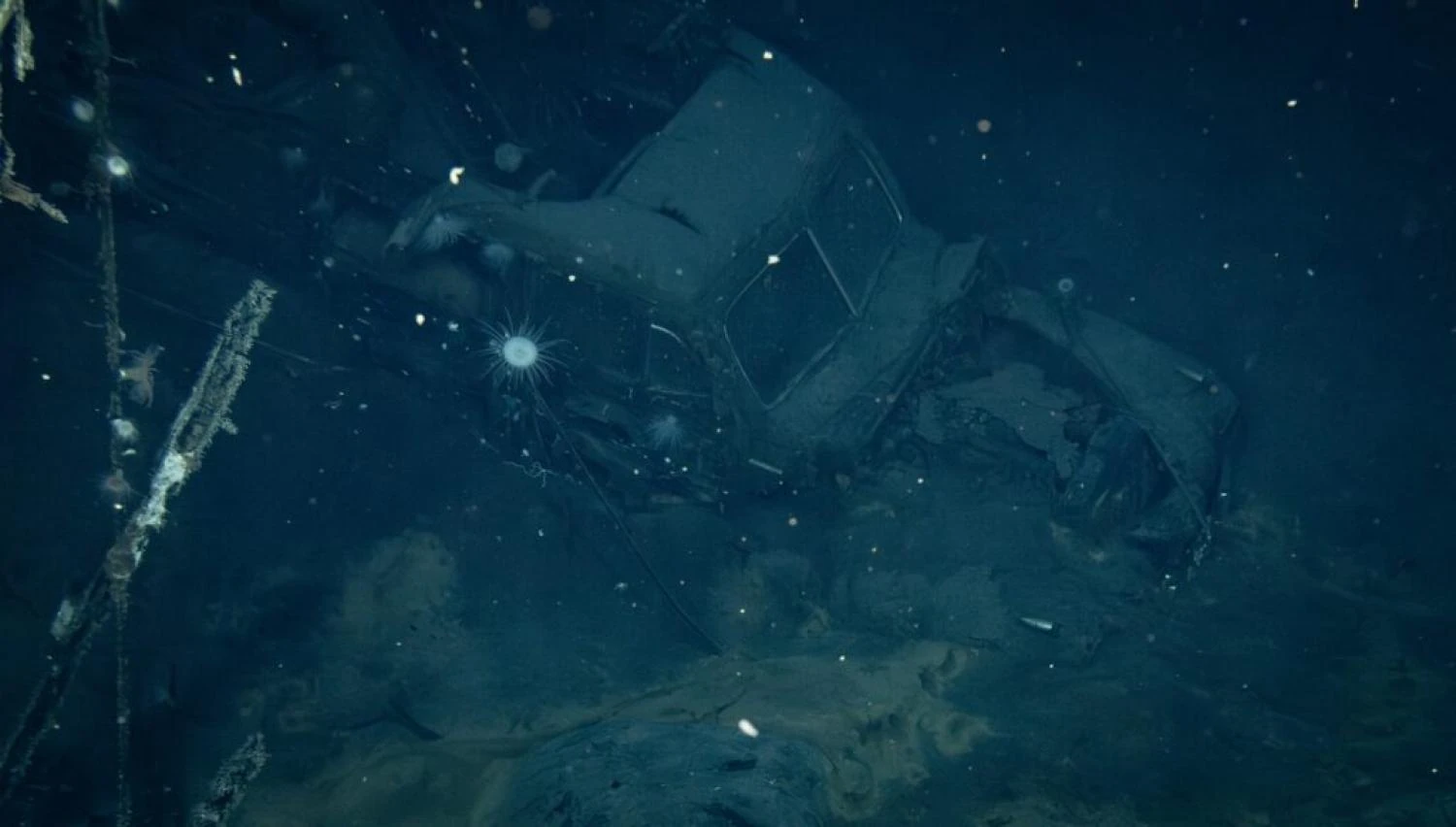
Despite decades of exposure to saltwater and immense pressure, several key features remain surprisingly recognizable. Images captured by the expedition show portions of the vehicle's bodywork still intact, along with its distinctive whitewall tires.
Researchers also identified the vehicle's windshield, which remains in place despite visible cracking. The Woody's trademark wooden body framing can still be seen as well, although most of the original wood has long since deteriorated after decades underwater.
How Did a Ford Woody End Up on an Aircraft Carrier?
The discovery immediately raised an obvious question: why was a civilian station wagon aboard a wartime aircraft carrier in the middle of the Pacific?
While historians cannot say with complete certainty, there is a plausible explanation.
Ford introduced the Woody wagon in 1929, and by early 1942 the company had halted civilian vehicle production as American automakers shifted entirely to supporting the war effort.
Researchers believe the station wagon may have belonged to the Pearl Harbor Naval Shipyard. The USS Yorktown underwent emergency repairs there following damage sustained during the Battle of the Coral Sea in May 1942.
Evidence supporting that theory comes from a partially preserved identification plate mounted on the vehicle. The plate appears to include the words "Ship Service" and "Navy," suggesting the wagon was assigned to the shipyard rather than owned by a member of the crew.
A Forgotten Vehicle Left Behind
The Yorktown's repairs were completed in just three days—an extraordinary effort considering the extent of the damage. The carrier then returned to sea almost immediately to participate in the Battle of Midway.
It's possible that during the rush to prepare the ship for combat, the Ford was inadvertently left aboard.
On June 7, 1942, after helping secure a decisive American victory at Midway, the Yorktown was struck by torpedoes fired from the Japanese submarine I-168. The carrier eventually sank, taking the Ford with it.
For more than 80 years, the station wagon remained hidden in darkness nearly 17,000 feet below the ocean's surface.
A Time Capsule From America's Automotive Past
While the discovery may not change what historians know about the Battle of Midway, it offers a fascinating glimpse into both wartime logistics and America's automotive heritage.
The 1941 Ford Super Deluxe Woody remains one of the most iconic station wagons ever produced, prized today by collectors for its distinctive wood-bodied construction and prewar styling.
Finding one preserved alongside a legendary World War II warship is an extraordinary reminder that history often survives in the most unexpected places.
For automotive enthusiasts and historians alike, the Ford resting beside the USS Yorktown serves as a unique time capsule—linking two important chapters of American history more than 80 years after they disappeared beneath the Pacific.
You may also be interested in the news:
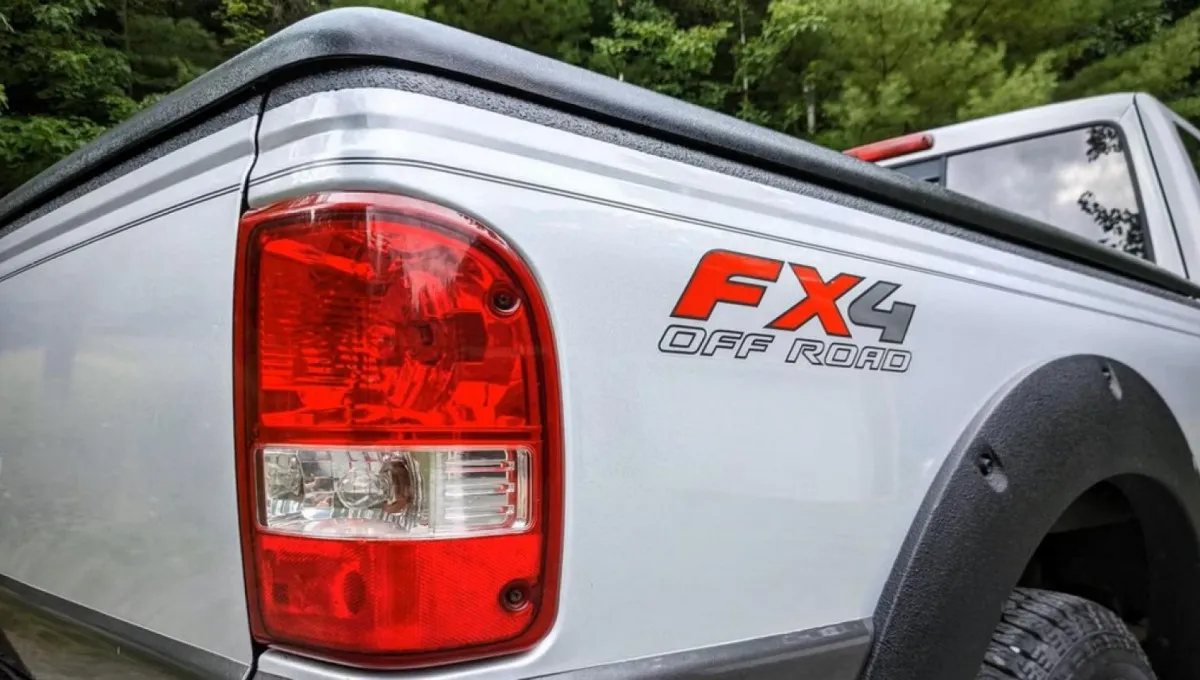
Ford Ranger FX4 Level II Was Cool Long Before the Raptor
Ford Built This Insane Ranger Years Before the Raptor—and Almost Nobody Remembers It
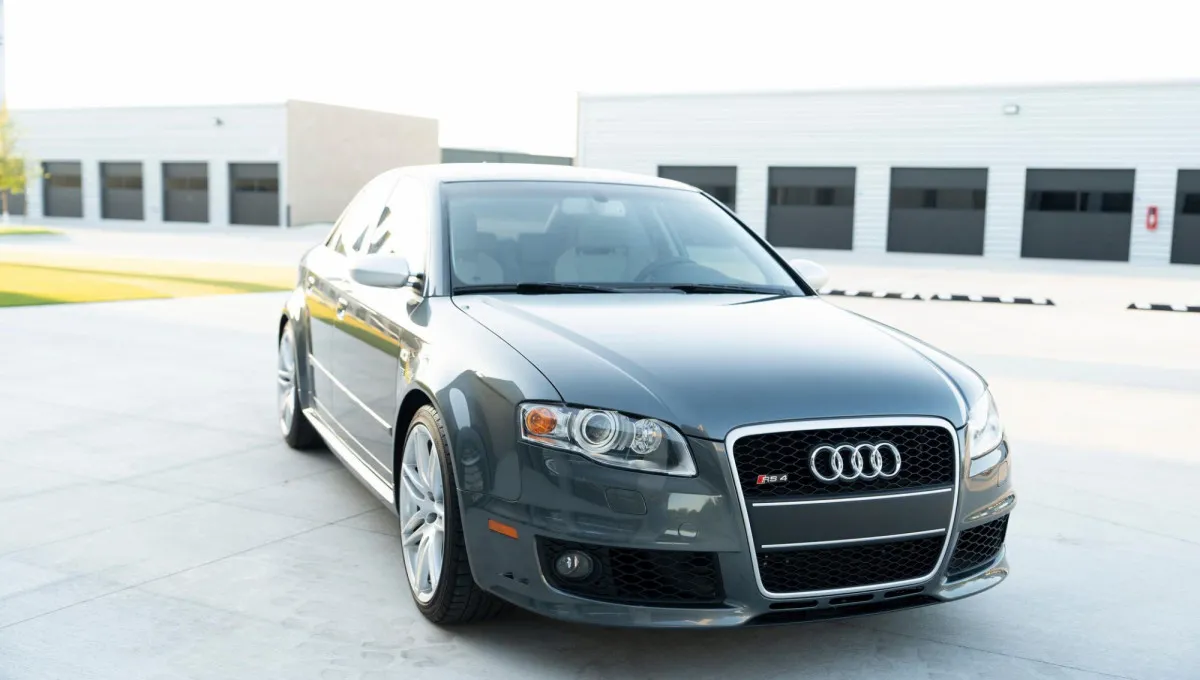
This 18-Year-Old Audi RS4 Just Sold for More Than It Cost Brand-New
After spending 18 years in a garage, this low-mileage Audi RS4 has become a sought-after collector car.
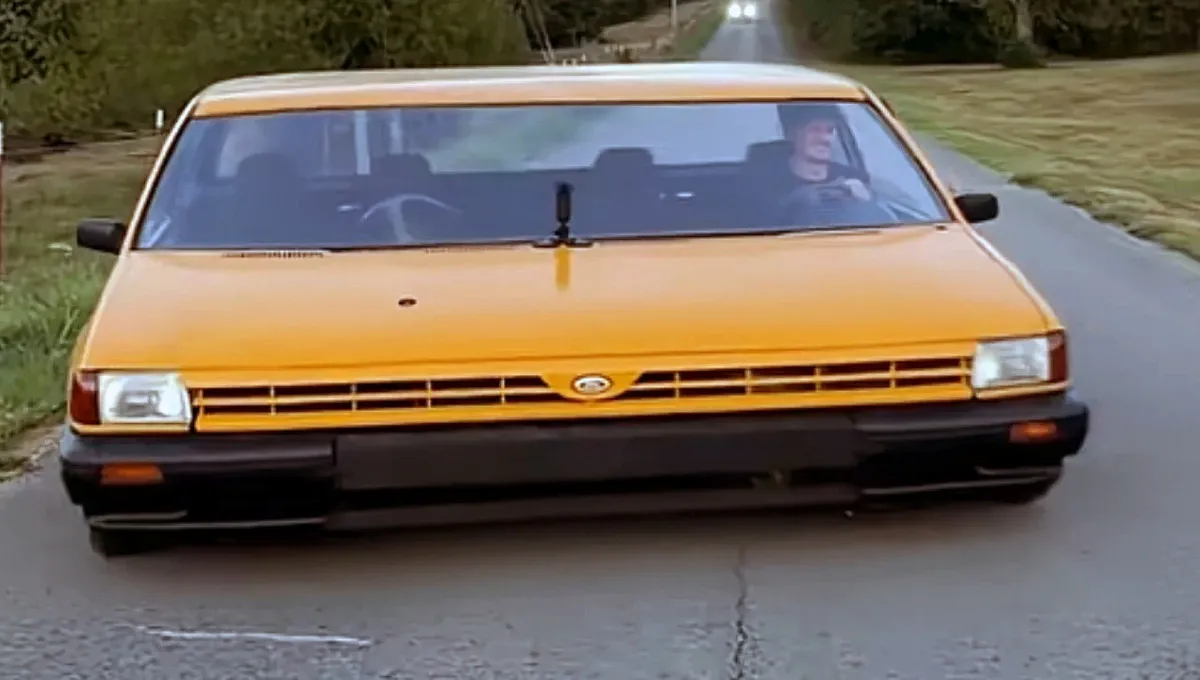
Tennessee Man Builds an Absurdly Wide Car Where Everyone Gets to Ride Shotgun
Tennessee creator Tyler Fever built an absurdly wide car after previously turning a Ford Festiva into a street-legal sliver.
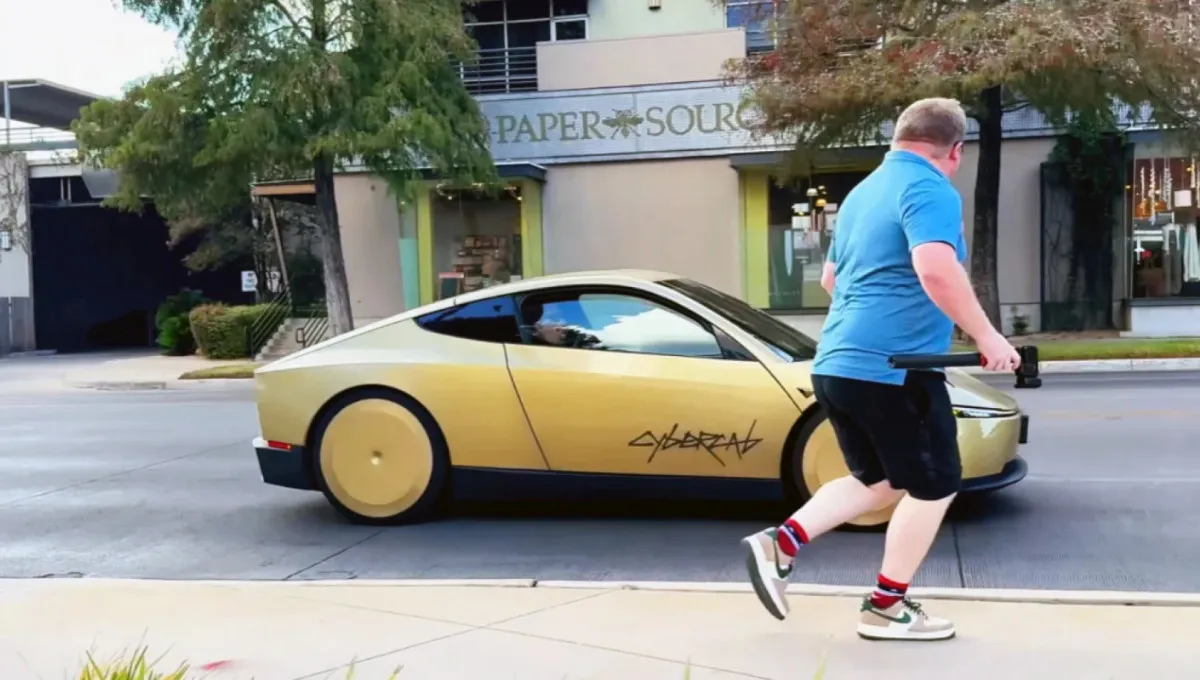
Washington Man Steps in Front of Tesla Cybercab to Test Its Self-Driving Response
Washington man stepped into a Cybercab’s path to test how quickly its autonomous system responded.
Copart to Acquire ACV Auctions in $1.9 Billion Deal, Expanding Into Dealer-to-Dealer Car Auctions
Copart is acquiring ACV Auctions for about $1.9 billion, expanding its online auction business into dealer-to-dealer vehicle sales.