
Mitsubishi Recalls 67K Outlanders—A Backup Camera Failure Could Put Drivers at Risk
Mitsubishi is recalling more than 67,000 Outlander SUVs because a software glitch can prevent the rearview camera from displaying an image.
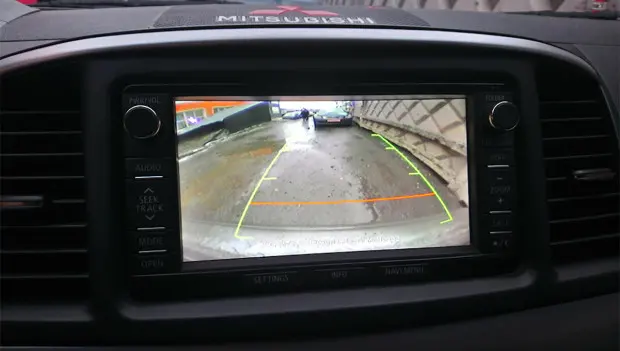
Mitsubishi is recalling more than 67,000 Outlander SUVs after discovering that a software problem can prevent the rearview camera from turning on when the vehicle is shifted into reverse. The failure can leave drivers without a clear view behind the vehicle and increase the risk of a crash.
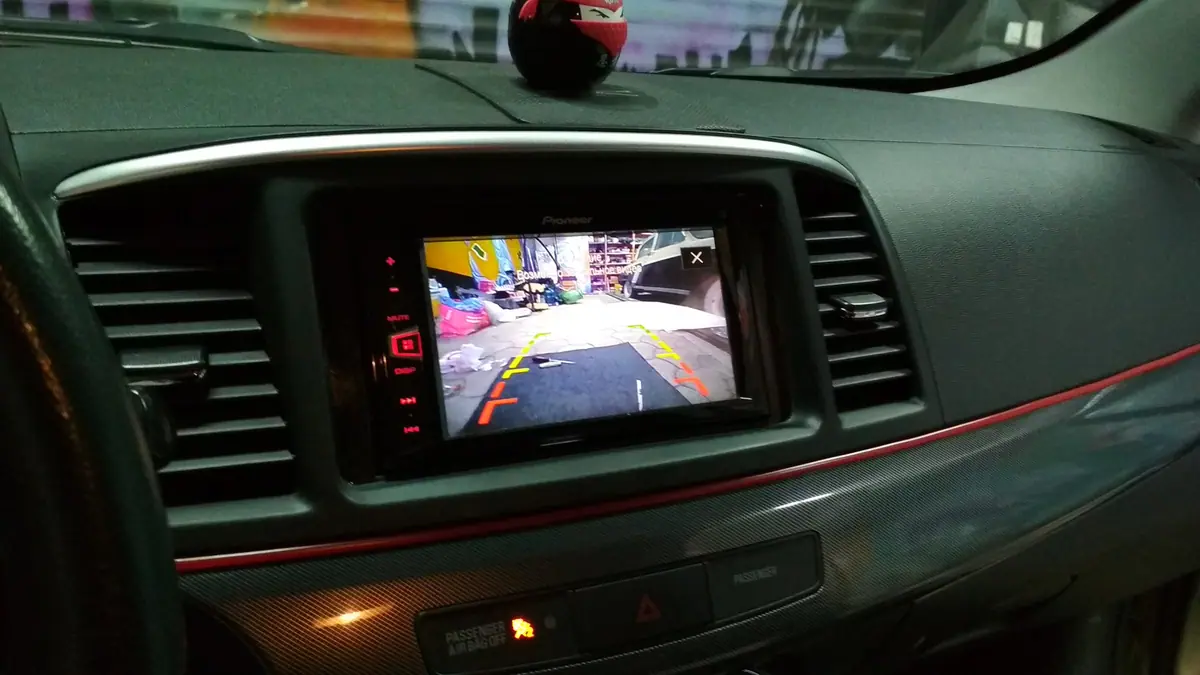
In the U.S., Mitsubishi has announced a recall covering 67,146 Outlander SUVs from recent model years. The National Highway Traffic Safety Administration has assigned the campaign recall number SR-26-002. The recall includes both gasoline-powered Outlander models and Outlander PHEV plug-in hybrids from the 2025 and 2026 model years.
The problem is tied to a software glitch in Mitsubishi's Alliance In-Vehicle Infotainment (A-IVI) system. Under certain conditions, the rearview camera may fail to activate when the vehicle is shifted into reverse. When that happens, the driver may lose the rearward view provided by the camera, increasing the potential for a collision.
Mitsubishi estimates that only about 1 percent of the recalled vehicles actually have the defect. However, the automaker is recalling the entire population covered by the campaign rather than trying to identify individual vehicles that may be affected.
Dealers will update the infotainment system software free of charge. Mitsubishi plans to mail recall notices to owners on September 24. Vehicles built after July 28, 2026, are already equipped with the corrected software and are not affected by the problem.
Software-related rearview camera failures have become an increasingly common source of recalls across the auto industry. Ford, General Motors, Stellantis, Volkswagen and Honda have all dealt with similar issues involving camera systems and electronic components.
NHTSA has repeatedly warned that a rearview camera that does not operate as intended can reduce a driver's visibility and increase the risk of a crash. The Mitsubishi recall also follows an earlier campaign, 25V507, involving a related issue, suggesting that the underlying problem was not completely resolved.
The latest campaign highlights a broader problem facing automakers as vehicles become increasingly dependent on software. A relatively small programming error can affect tens of thousands of vehicles and force owners to visit a dealership for a software update.
For owners, the solution is relatively straightforward: schedule the recall repair with an authorized Mitsubishi dealer as soon as the notice arrives. The software update is free under the recall, and drivers should not have to pay for the repair.
We also recommend reading our coverage of Ford's latest recall: Ford Recalls Nearly 160,000 Vehicles Due to Risk of Engine Failure.You may also be interested in the news:
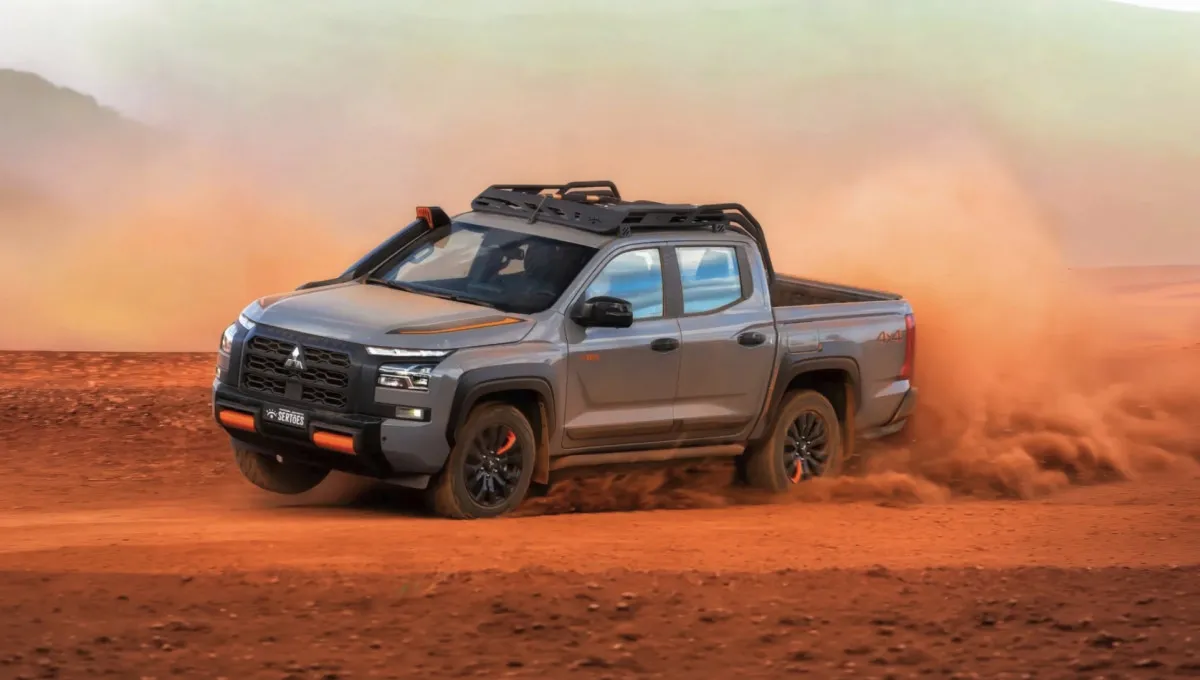
Honda Could Launch a Mitsubishi-Based Midsize Pickup in 2028
Honda could enter the midsize pickup market with a rebadged Mitsubishi Triton, expanding its Southeast Asian lineup as early as 2028.
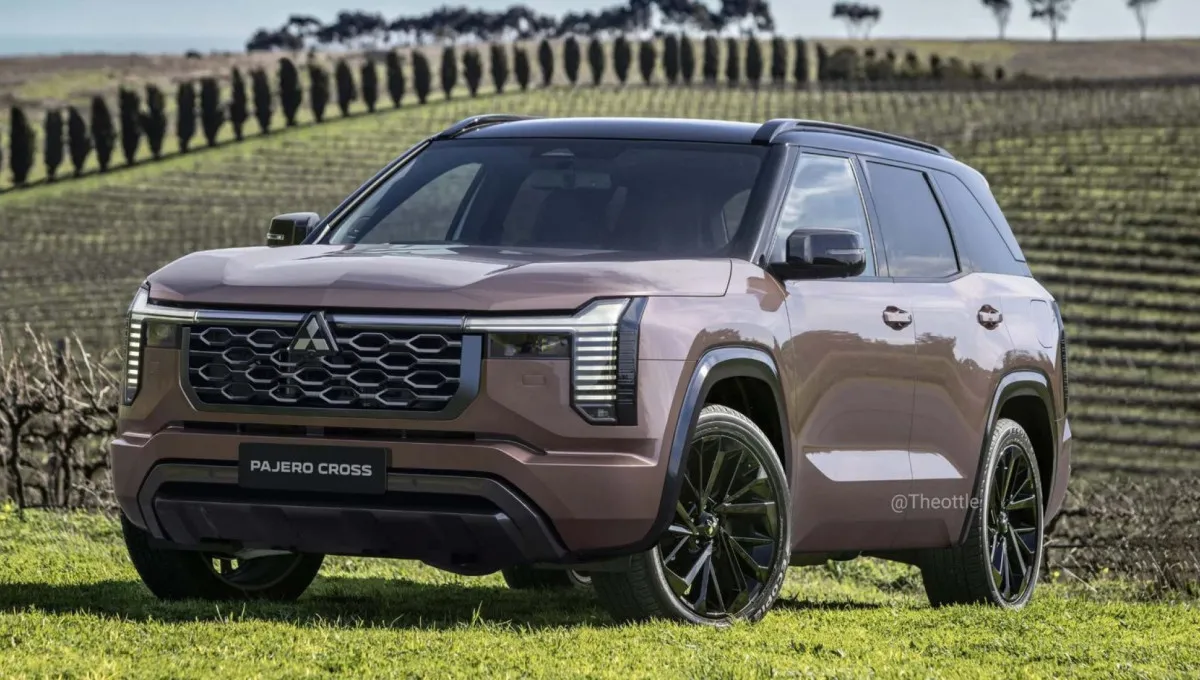
Mitsubishi Could Be Bringing Back a Smaller Pajero — And It Looks Seriously Rugged
New renderings offer an early look at how Mitsubishi’s rumored compact Pajero Cross could look if it reaches production.
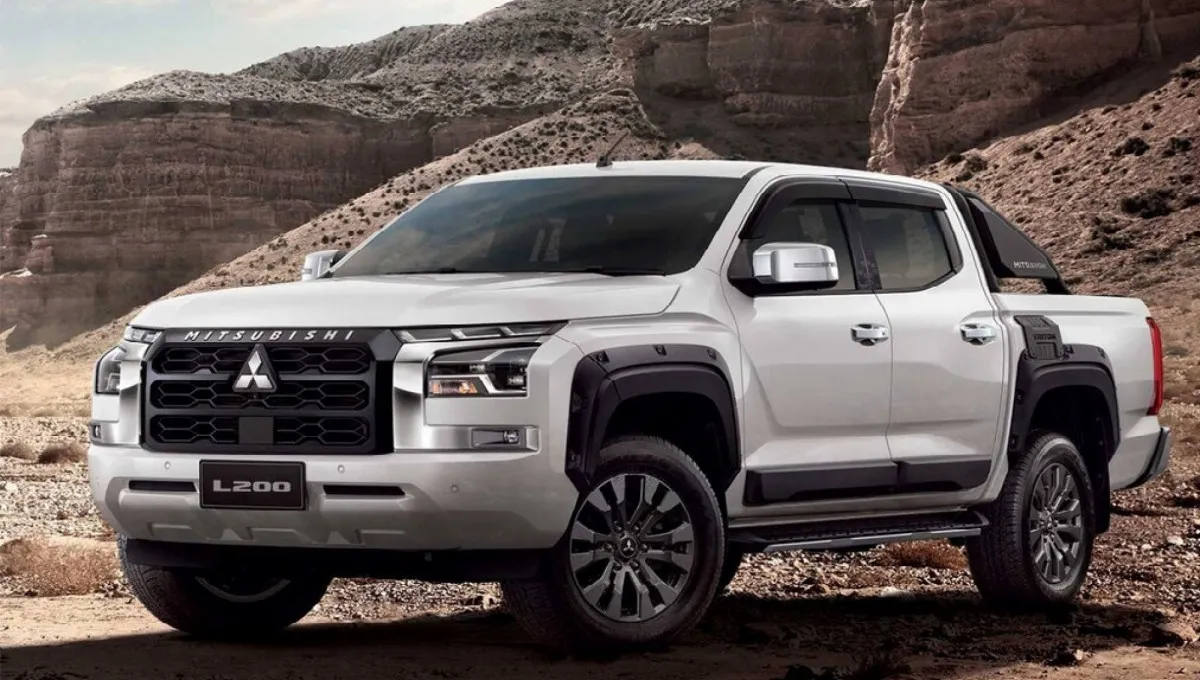
The Mitsubishi Triton Could Borrow Its Best Ideas From the New Pajero
Mitsubishi is preparing to update its midsize pickup, with the next Triton potentially gaining design and technology inspired by the new Pajero.
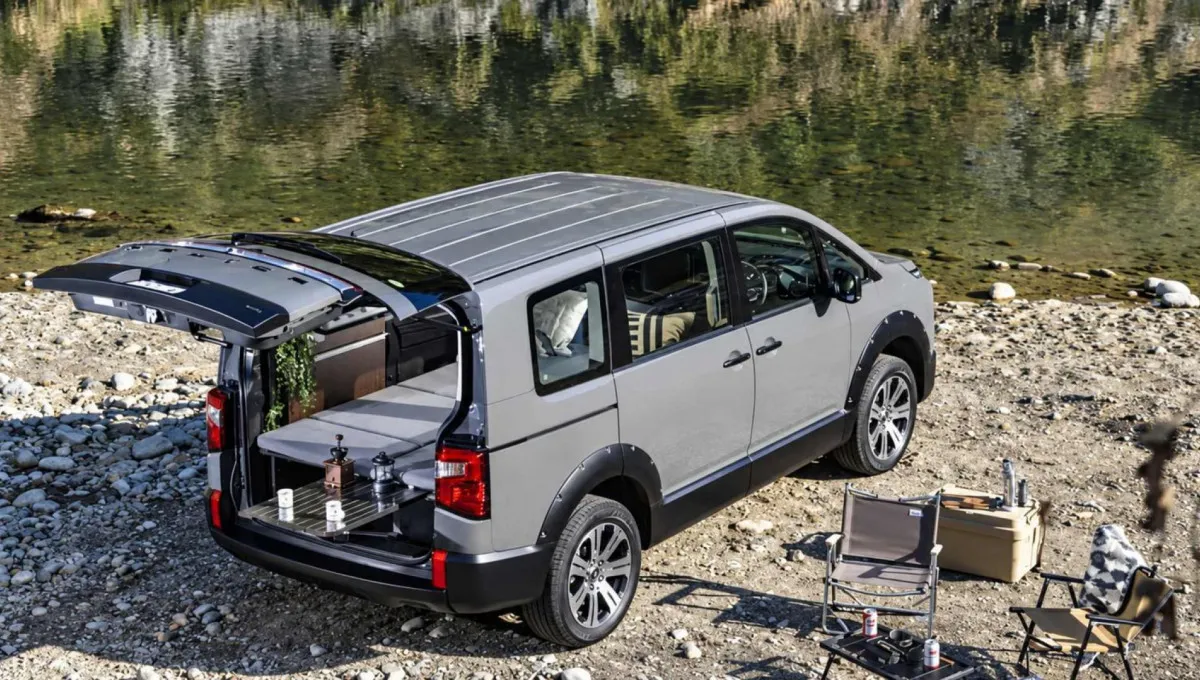
Mitsubishi Delica D:5 Transformed Into a Cozy Camper With a Bedroom and Air Conditioning
A new camper project based on the popular Mitsubishi minivan has been unveiled.

Dangerous Rhythms Behind the Wheel: How Music Can Affect Driving
The songs drivers love most can influence speed, attention and risk-taking, potentially turning a routine trip into a dangerous one.