
Buick Electra L7 Wins Autonomous Driving Test, Outperforming Tesla and Xiaomi
The Buick Electra L7 outpaced rivals like Tesla and Xiaomi in advanced driver-assistance (ADAS NOA) testing in China.
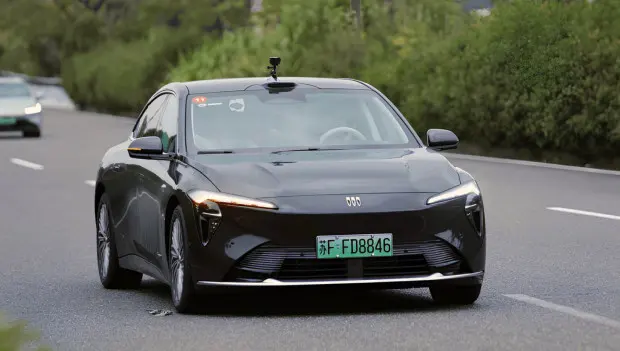
The Buick Electra L7, an electric sedan developed by the SAIC-GM joint venture, took an unexpected first place in a comparative test of driver-assistance systems conducted by D1EV in Ningbo, China. The model outperformed strong contenders such as the Yangwang U7, Zeekr 9X, Xiaomi YU7, and Tesla Model 3 in urban autonomous navigation (Urban NOA) evaluations.
The event, held on October 26, 2025, marked the second annual Chinese Intelligent Driving System Competition. The 29-kilometer route included 28 traffic lights, 5 checkpoints, and 8 different real-world driving scenarios. Seventeen vehicles took part, with the exact route kept secret until the tests began to prevent manufacturers from fine-tuning their systems in advance.
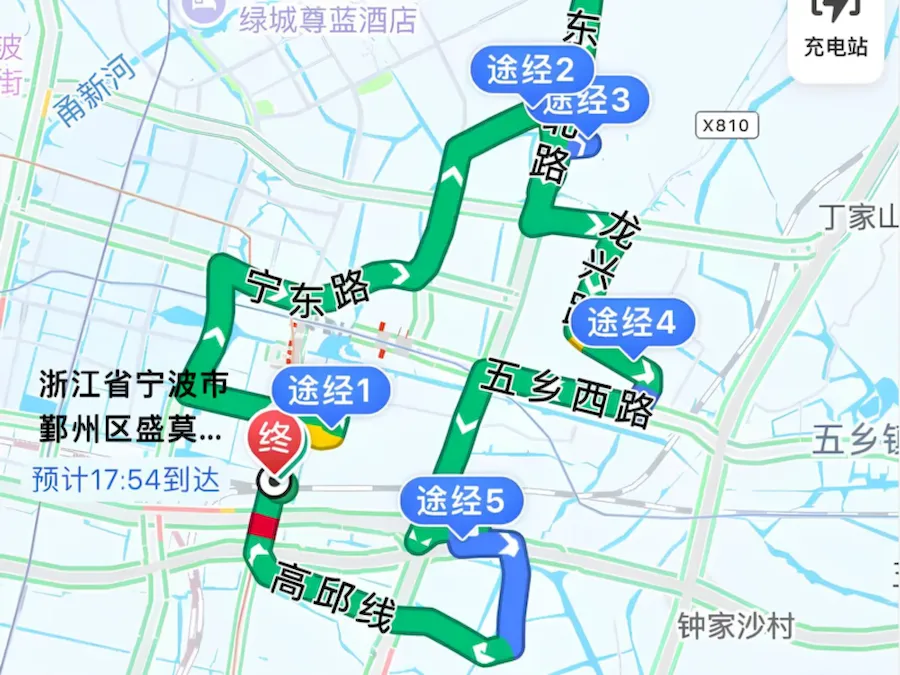
Buick Electra L7: Performance Breakdown
-
Narrow streets: Only three vehicles required driver intervention — the Wey 07, Xiaomi YU7, and Xpeng G6.
-
Roundabout: All participants successfully managed lane selection.
-
Blind turn: The NIO ES6 and Xpeng G6 handed control back to the driver, while the Denza N7 failed to stay on course.
-
Transparent obstacle: Only six out of seventeen vehicles detected the obstacle — the Li L9, Yangwang U7, NIO ES6, Buick Electra L7, Zeekr 9X, and Xiaomi YU7 — all equipped with lidar.
-
Basic U-turn: Errors were recorded for the Yangwang U7, Denza N7, IM LS6, Xpeng P7+, Xpeng G6, Aito M5, and Xiaomi YU7.
-
Rural road: The Li L9, Yangwang U7, Wey 07, and Luxeed R7 transferred control to the driver.
-
Intersection with U-turn: Successful completion by the Tesla Model 3, Maextro S800, Avatr 07, Luxeed R7, Xpeng P7+, and Aito M5.
-
Light-traffic country road: Tesla Model 3, Li L9, Yangwang U7, Wey 07, Xpeng P7+, and Xiaomi YU7 completed the test smoothly.
Key Takeaways:
-
The Buick Electra L7 achieved the best overall result, despite two missteps in the final tests.
-
The Tesla Model 3 showed the most consistent performance, completing seven of eight challenges.
-
Only six vehicles managed to identify the transparent obstacle.
-
The toughest tasks included the transparent obstacle, basic U-turn, intersection, and light-traffic country road scenarios.
Why Buick Came Out on Top
The Electra L7 is the first model to use Momenta’s R6 Flywheel — a large AI model trained on over 3 billion kilometers of real-world driving data. Priced at 173,900 yuan (around $23,800), the L7 was also one of the most affordable vehicles in the competition.
Buick’s win underscores a shift in the autonomous driving landscape: cutting-edge technology is no longer confined to high-end cars. By leveraging algorithms trained on massive real-world data, automakers like Buick are proving that intelligent driving can be both sophisticated and accessible.
You may also be interested in the news:
Hyundai Delays Nvidia-Based Automated Driving System
Hyundai Motor Group has pushed back the rollout of its own driver-assistance system to the end of 2029.
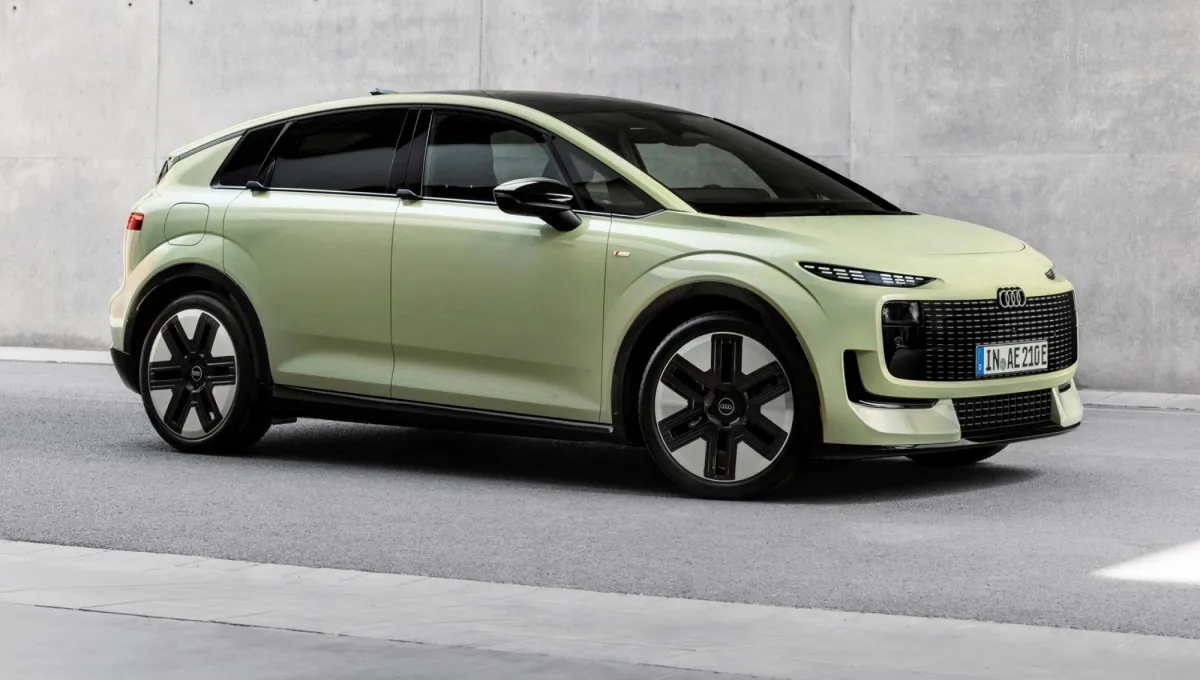
Audi Reveals EV With Unusual Door Handles
Audi has unveiled the new A2 E-Tron, an electric hatchback with distinctive styling and tiny flush-mounted door handles.
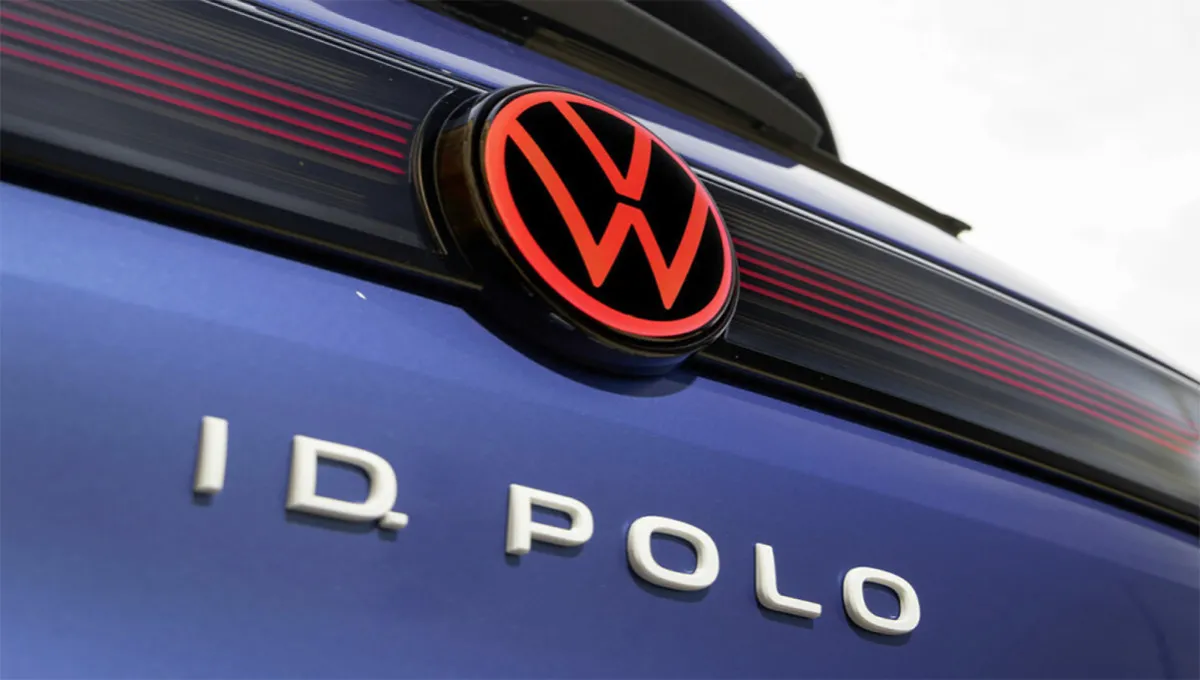
Volkswagen ID. Polo Demand Is So Strong Buyers Face a Nearly Yearlong Wait
Demand for Volkswagen’s affordable EV is so strong that buyers may wait nearly a year before taking delivery.
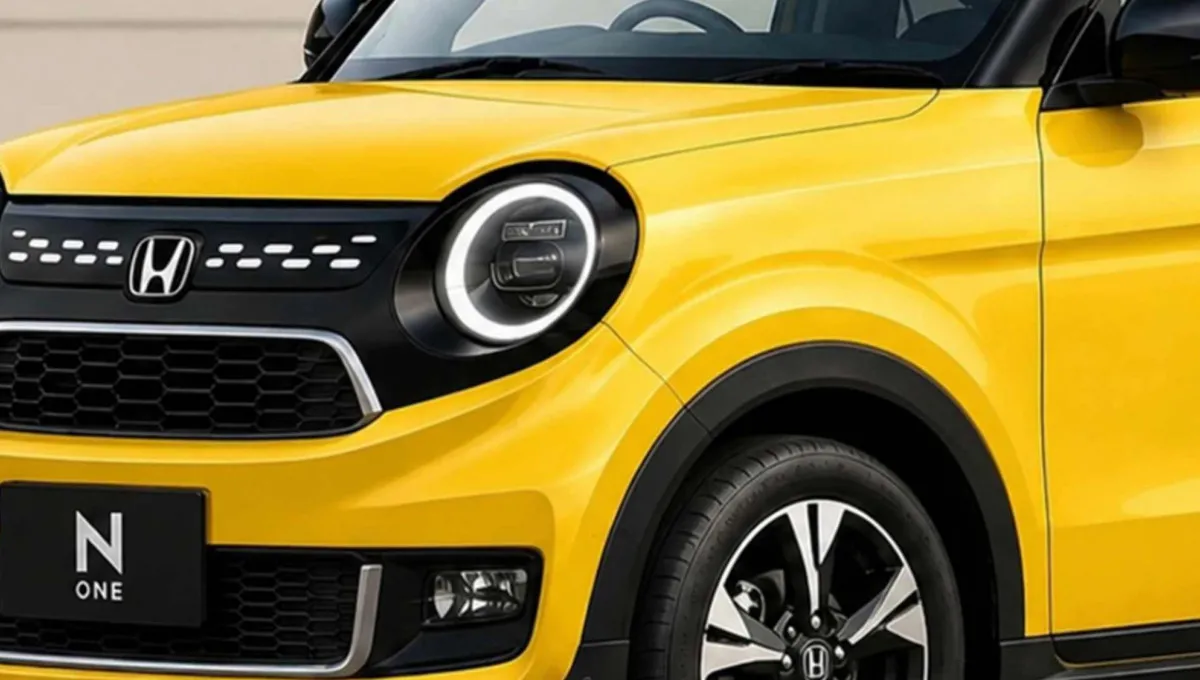
Next-Generation Honda N-One Appears in First Renderings
The Honda N-One family expanded in 2025 with the electric N-One e:, while the gasoline-powered RS received an update.
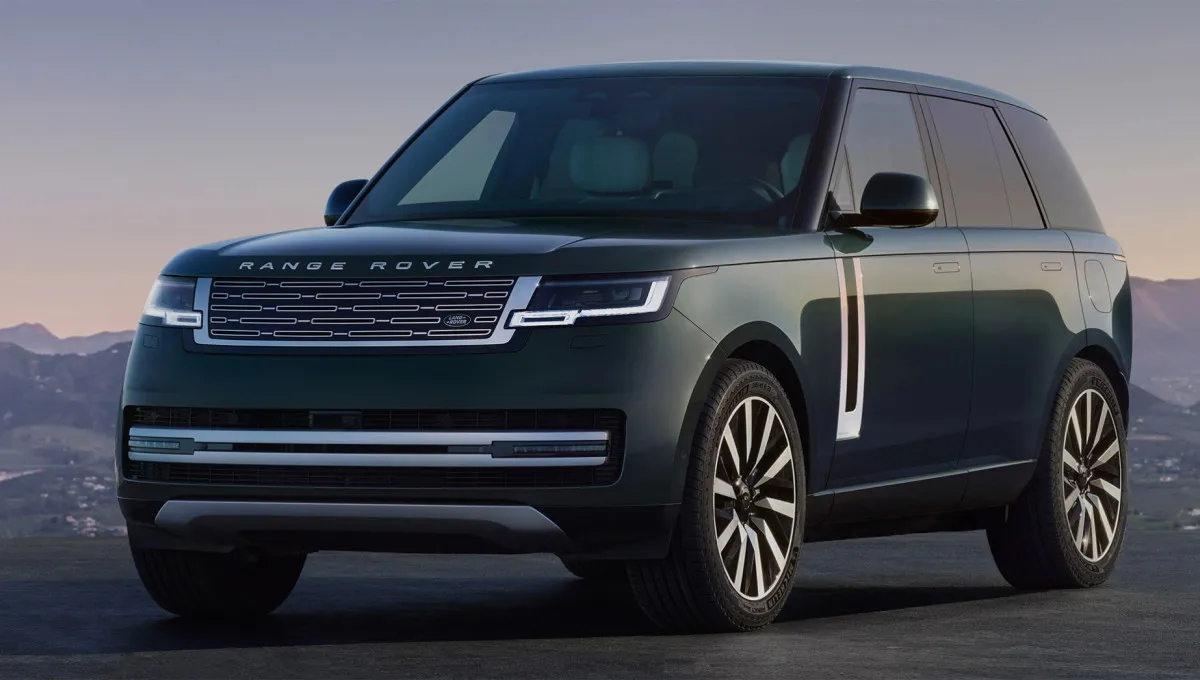
Range Rover Electric Revealed With Serious Off-Road Capability and Sports-Car Performance
British automaker Land Rover has unveiled the all-electric Range Rover, revealing pricing for an SUV that blends extreme off-road capability with sports-car performance.