
Overseas AITO M9 Infotainment System Unveiled With Localized Navigation, HUAWEI ADS, and Global App Support
The export-ready AITO M9 showcases a fully localized interface, advanced driver-assist tech, and satellite-enabled connectivity as SERES moves toward broader international expansion.
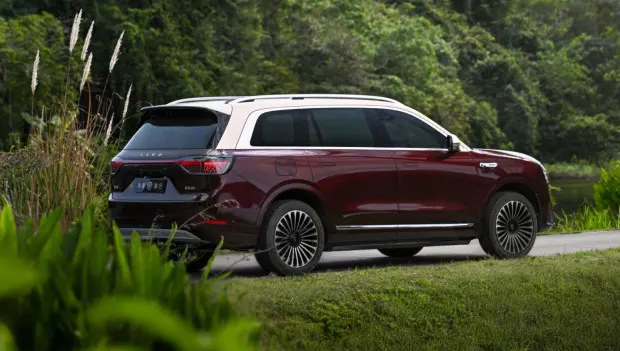
A first look at the infotainment system designed for the overseas version of the AITO M9 reveals that the interface has been fully adapted for global markets. The setup includes localized map services, HUAWEI’s ADS advanced driving features, and access to a wide selection of international apps.
SERES — the manufacturer behind the AITO brand — began trading on the Hong Kong Stock Exchange on November 5. In a recent interview, company president Zhang Zhengping emphasized that SERES is committed to expanding internationally and is unfazed by Huawei’s partnerships with other automakers. Zhang noted that the rollout will start with nearby regions, with each market added gradually to ensure customers outside China receive the same functions and service experience as domestic buyers.

During Huawei’s Harmony Intelligent Mobility Autumn Launch Event on September 23, Yu Chengdong, Executive Director and head of the Consumer Business Group, confirmed that the AITO M9 will offer remote vehicle controls via smartphone apps, support for digital keys, Super Desktop integration, and Apple CarPlay — enabling seamless pairing with iPhones.
The 2025 AITO M9, part of Huawei’s Harmony Intelligent Mobility lineup, officially debuted in March. Marketed as an “all-scenario intelligent flagship SUV,” it comes in five-seat and six-seat layouts, with pricing ranging from roughly USD 66,400 to USD 80,500.
The SUV is also equipped with Huawei’s Xinghe (Galaxy) Communication platform, which includes satellite calling capability. The system combines strong ground-based network performance with satellite connectivity that can be shared with devices like smartphones and tablets. Even at distances of up to 30 meters from the vehicle, users can still make calls through the car’s satellite link. The system supports intelligent network switching, dual-network standby, three-network aggregation, and improved performance in weak-signal areas. For instance, navigation data can be preloaded when coverage is poor. In complete dead zones, the vehicle can automatically initiate a satellite emergency call — effectively “calling for help” on its own in the event of an accident.
You may also be interested in the news:
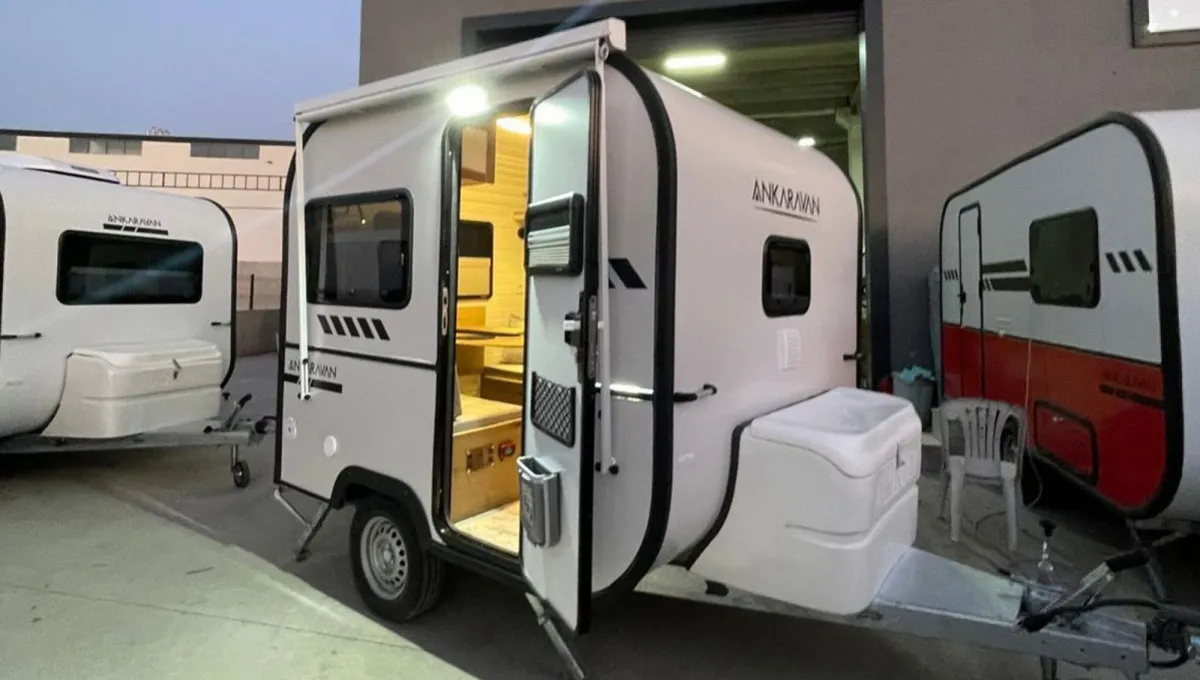
Micro 240 Travel Trailer Packs Three Beds and a Full Bathroom Into a Tiny, Affordable Package
Micro 240 debuts at 2026 Dusseldorf Caravan Salon in four configurations for off-grid family vacations.
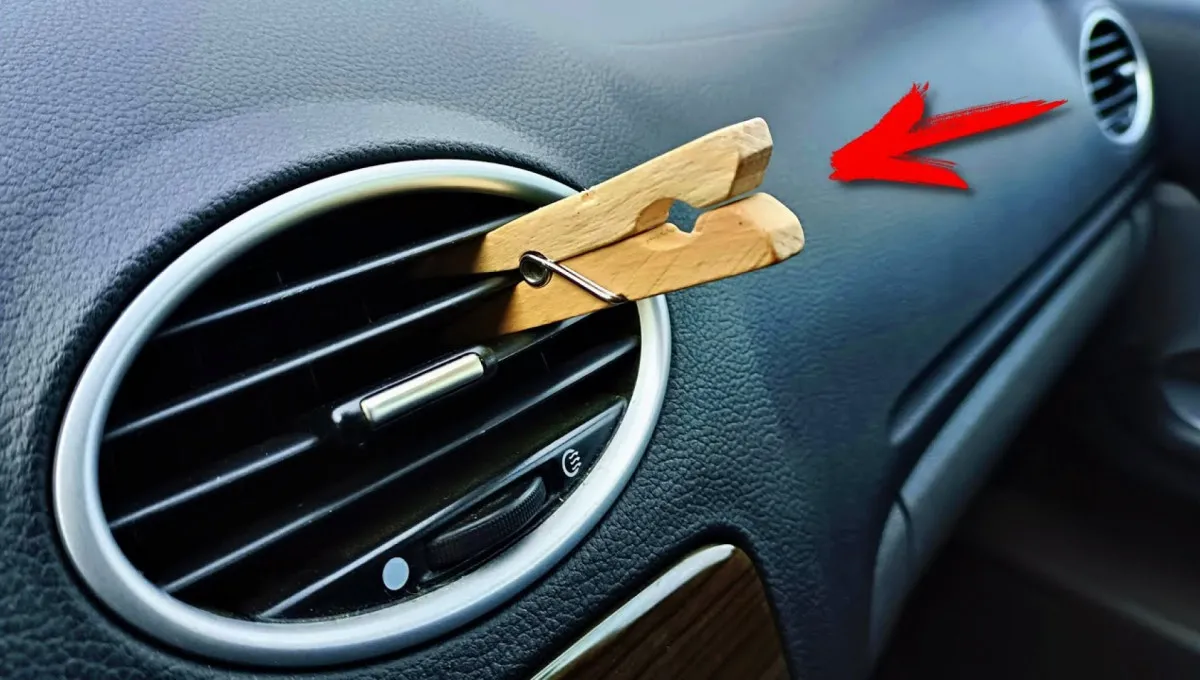
Drivers Are Putting a Clothespin on Their Car’s Air Vent: Here’s Why This Simple Hack Works
This simple trick doesn’t affect the air conditioner, but it can quickly change the way your car’s interior smells.

Honda CR-V Tops U.S. Sales in the First Half of 2026
The U.S. auto market delivered a surprising result in the first six months of 2026.

10 Bizarre Vehicles That Made It Into the Guinness World Records
People create incredible machines. Human engineering ingenuity truly knows no limits.

How the U.S. Invented an Engine That Could Travel 932 Miles on 1.3 Gallons of Gas
Everyone who believes in conspiracy theories—and that oil companies and the automotive lobby are behind everything—has reason to celebrate.