
Why the Old Version of Android Auto Beats the New CarPlay in Real-World Use
In 2025, the battle between Android Auto and CarPlay has reached a new level.
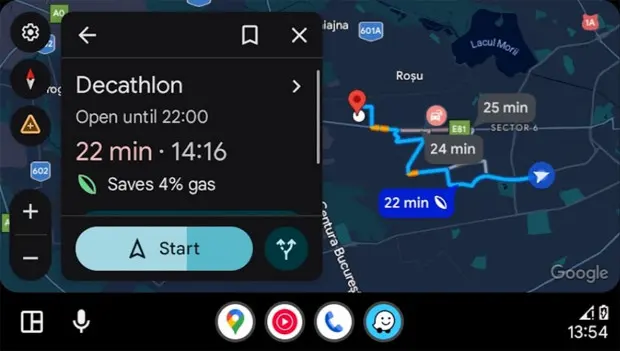
In 2025, the rivalry between Android Auto and Apple CarPlay has intensified. Automakers are increasingly pushing their own in-house infotainment systems, but many Android fans remain convinced that the older version of Android Auto is still the better option. What’s behind its lasting popularity? We took a closer look and found five solid reasons.
Over the past few years, competition between Android Auto and CarPlay has turned into a full-blown showdown between Android and iPhone loyalists. Each side has its strengths, but in 2025 — as car manufacturers increasingly commit to proprietary platforms — the debate has only grown louder. Despite flashy new features, many drivers continue to believe that the older version of Android Auto outperforms the latest iteration of CarPlay.
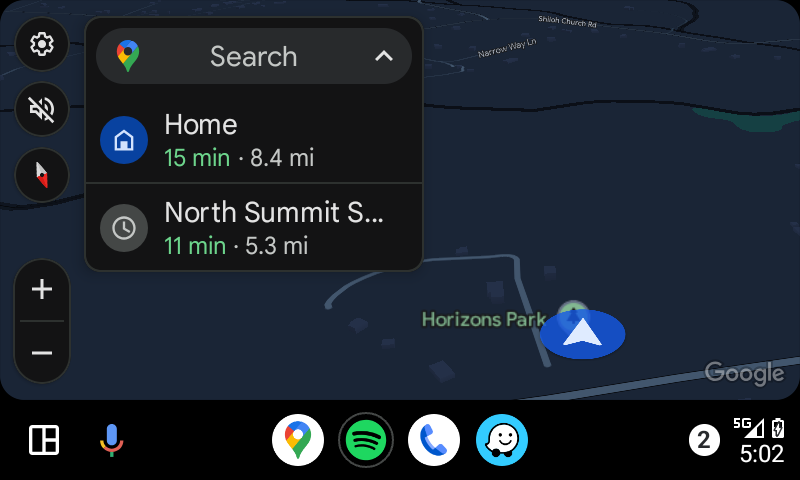
One of the main reasons is the simplicity and reliability of the interface. Drivers say Android Auto isn’t cluttered with unnecessary features and makes it easy to access essential apps quickly — a major advantage while driving. Unlike CarPlay, where recent updates have sometimes made navigation more complex, Android Auto has stuck with a familiar and intuitive control layout.
Another key advantage is customization. Android Auto lets users decide which apps appear on the screen and which stay hidden. This flexibility allows drivers to tailor the system to their own habits and preferences. With CarPlay, many settings are more tightly controlled by Apple, which isn’t always convenient.
Compatibility is another strong point. The older version of Android Auto supports a wide range of vehicles, including models released several years ago. For owners of older cars, this can be a real lifesaver. CarPlay, on the other hand, often requires newer hardware and software, which limits its user base.
Stability is yet another argument in Android Auto’s favor. Many drivers report fewer crashes and faster response times, especially when using navigation or voice commands. In real-world driving conditions — where delays and system reboots can be frustrating — this reliability becomes a decisive factor.
Finally, there’s deep integration with Google services. Maps, voice assistance, and music apps work seamlessly and require minimal setup. For users already invested in the Google ecosystem, switching to CarPlay can feel like a step backward.
In the end, despite CarPlay’s rapid development and expanding feature set, the older version of Android Auto continues to hold its ground. Simplicity, flexibility, and dependability are what drivers value most. And while automakers experiment with their own infotainment solutions, many motorists are sticking with a system that has already proven itself on the road.
You may also be interested in the news:

Dangerous Rhythms Behind the Wheel: How Music Can Affect Driving
The songs drivers love most can influence speed, attention and risk-taking, potentially turning a routine trip into a dangerous one.
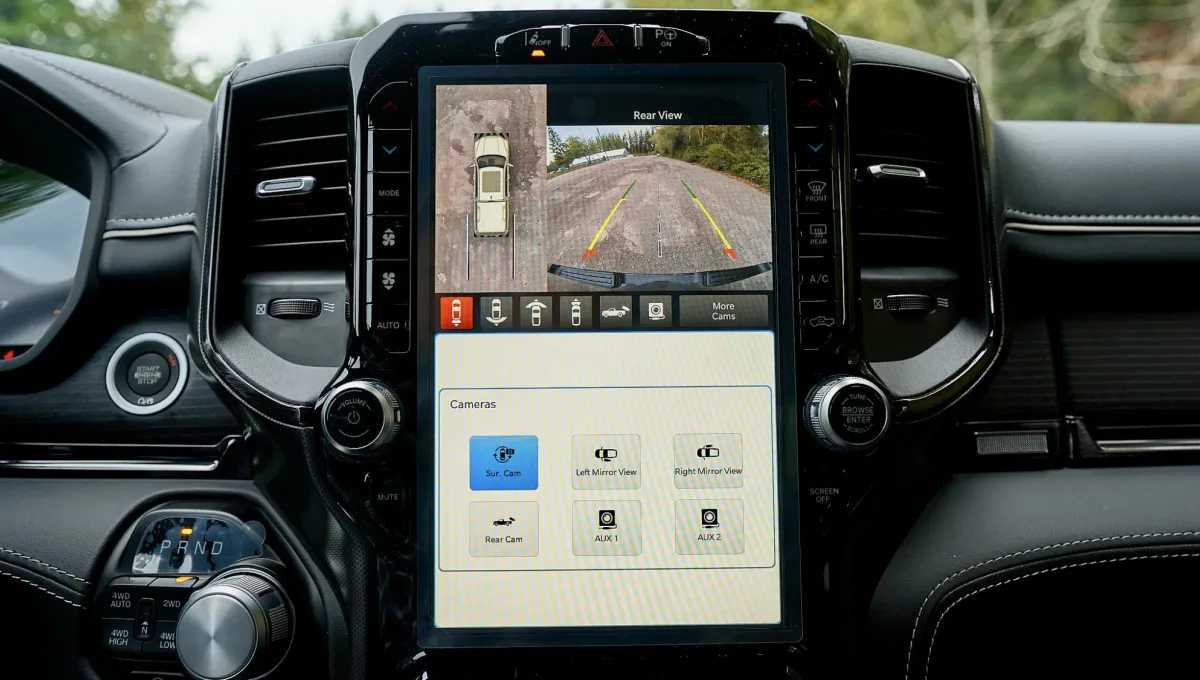
Chrysler Recalls More Than 239,000 Ram 1500 Trucks Over Rearview Camera Problem
Software can prevent the rearview camera image from appearing when Ram 1500 trucks enter Reverse.
Update Your Rivian R1 and Get the New Operating System, Now Available to First-Generation Owners
Rivian’s 2026.31 update brings RivianOS 2 to every R1T and R1S, extending the same software platform powering the newer R2.
Mitsubishi Recalls 67K Outlanders—A Backup Camera Failure Could Put Drivers at Risk
Mitsubishi is recalling more than 67,000 Outlander SUVs because a software glitch can prevent the rearview camera from displaying an image.
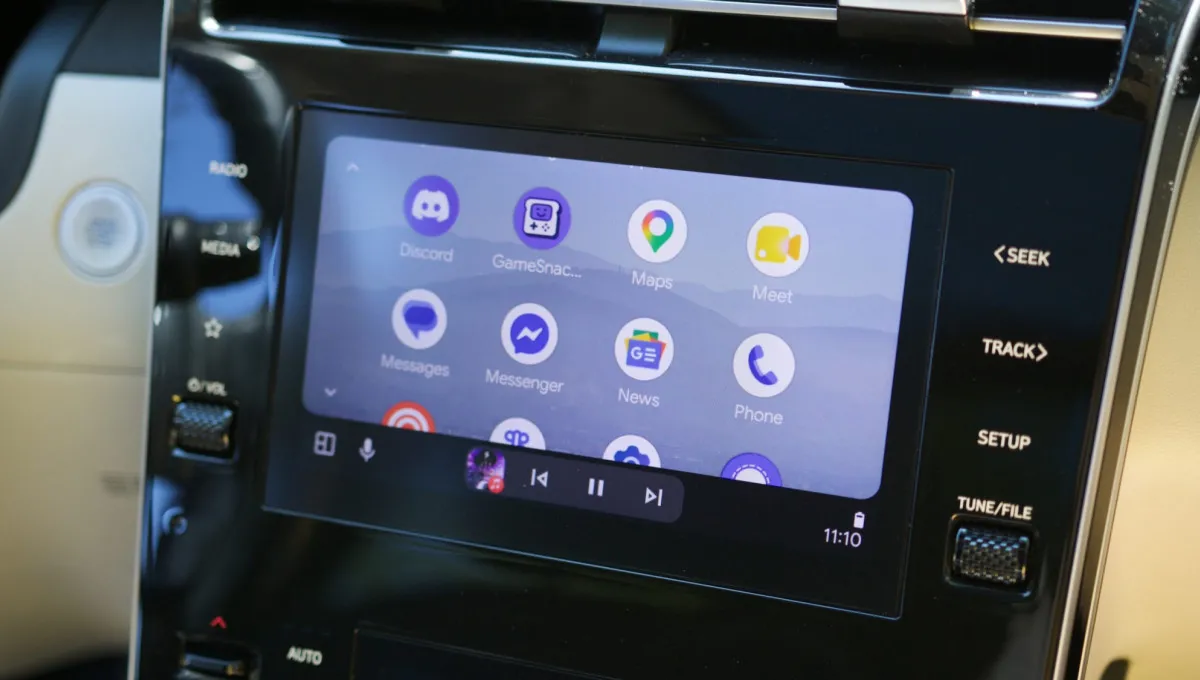
Android Auto finally fixes a connection bug that made it nearly unusable
The latest Android Auto 17.4 update fixes a connection bug that made everyday drives frustrating for affected users.