
Stellantis Backs Trump’s Project Vault, a $12 Billion Push to Counter China’s Grip on Critical Minerals
Washington is preparing to make a decisive move in the global fight over strategic raw materials.
The United States is gearing up for a major shift in the global race for critical minerals. As China continues to dominate the supply and processing of rare earths and key industrial metals, the Trump administration has unveiled “Project Vault,” a sweeping $12 billion initiative aimed at safeguarding access to materials essential for U.S. manufacturing. Among the early supporters is Stellantis, underscoring just how vital these resources have become for the future of the auto industry.
A mineral stockpile modeled after the oil reserve
According to Bloomberg, Project Vault is built around a familiar concept: a national strategic reserve. This time, however, the focus isn’t oil, but minerals. The program is designed to shield American supply chains from disruptions at a time of rising geopolitical tension. The proposal includes up to $10 billion in long-term financing from the U.S. Export-Import Bank, alongside roughly $1.7 billion in private investment. The capital would be used to acquire and store materials such as cobalt, nickel, gallium, and rare earth elements—inputs that are indispensable for sectors ranging from automobiles and electronics to aerospace and energy.
Why Stellantis is stepping in
Stellantis’ involvement highlights growing anxiety across the global automotive sector. As carmakers accelerate their shift toward electric vehicles, their dependence on a narrow set of strategic metals has increased sharply. China currently controls much of the refining capacity for these materials, giving it significant leverage over global supply. Stellantis is not alone in backing Project Vault. Other major players, including General Motors, Boeing, and Alphabet, have also joined the effort. The participation of two leading automakers signals how seriously the industry views the risks posed by price swings and potential shortages—threats that could directly slow production of electric and hybrid vehicles.
Ripple effects in the commodities market
The market reaction was swift. Three major commodities trading firms—Hartree Partners, Traxys North America, and Mercuria Energy Group—have been selected to handle purchases for the reserve. At the same time, shares of several U.S.-based critical minerals companies jumped in pre-market trading. The Export-Import Bank’s board has yet to formally approve the financing, which would rank as the largest loan in the agency’s history. President Trump is also expected to meet with General Motors CEO Mary Barra and mining entrepreneur Robert Friedland, highlighting the growing alignment between industrial demand and mineral supply strategy.
For Stellantis and the broader auto industry, Project Vault represents more than a financial commitment—it’s part of a larger struggle for industrial independence in the era of electrification. By locking in access to essential raw materials, the U.S. is attempting to reduce its vulnerability to China and secure the future of its manufacturing base. Whether Project Vault can meaningfully rebalance a market long shaped by Beijing’s dominance remains an open question.
You may also be interested in the news:

Experts Name the Two Most Powerful Production Sports Cars in the U.S.
American sports cars continue to impress with their horsepower, speed and innovative engineering, with two models standing above the rest.
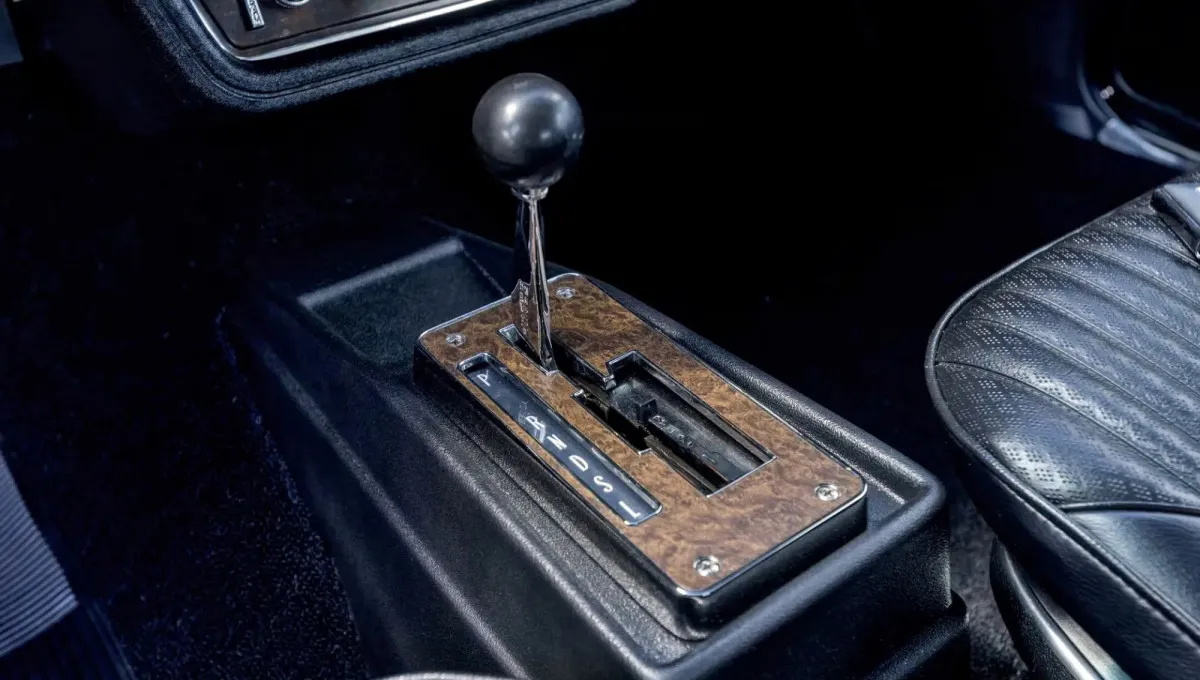
How Oldsmobile Invented a Manual Gearbox for an Automatic
Long before paddle shifters and electronic driving modes, Oldsmobile found a clever mechanical way to let drivers shift an automatic transmission themselves.
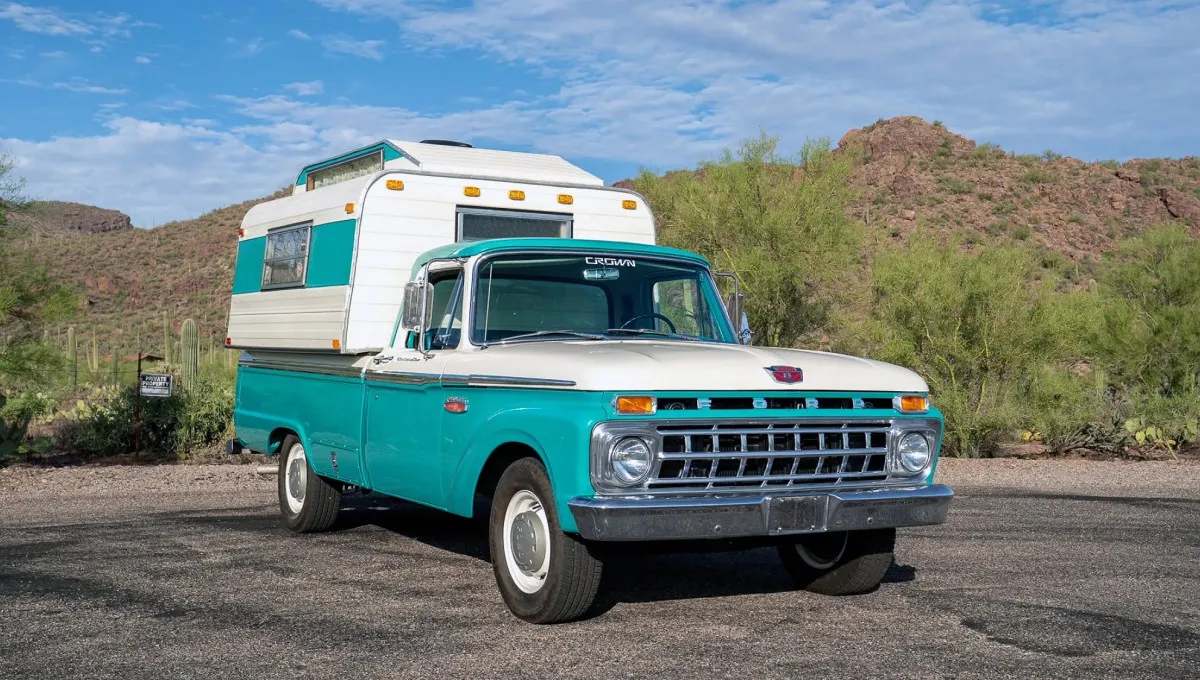
This 1965 Ford F-250 With a Mitchell & Sons Camper Is a Charming Retro Travel Companion
The 1965 Ford F-250 and Mitchell & Sons camper share colors, period styling, and compatibility.
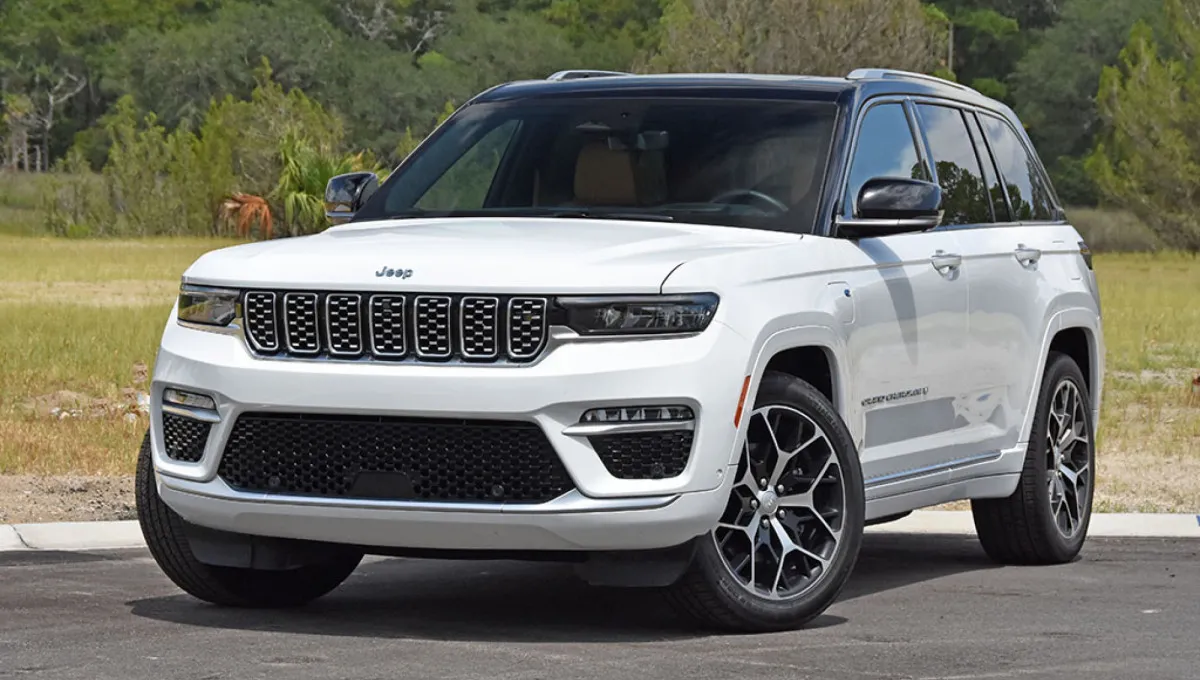
328,000 Jeep Grand Cherokees Recalled Over a Hidden Crash Risk — Owners Should Act Now
Chrysler is recalling more than 328,000 Jeep Grand Cherokees over a rear coil spring problem that could increase the risk of a crash.
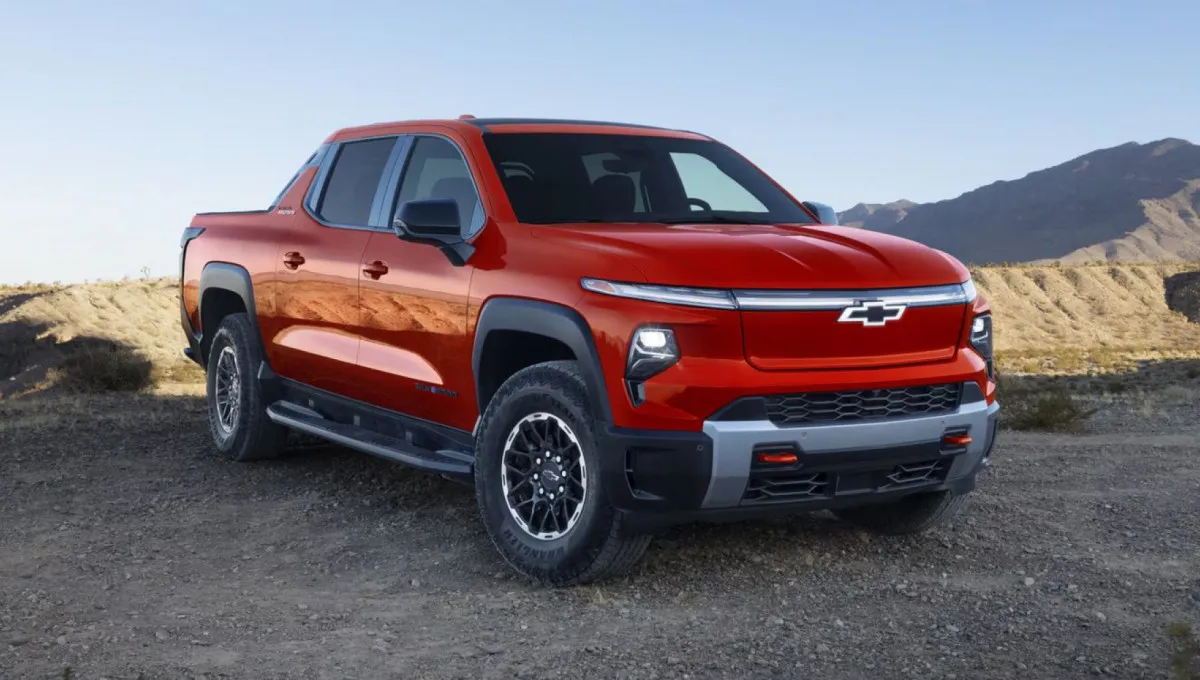
Chevrolet Raises Prices on 2027 Silverado EV and Cuts the Lineup
Chevrolet raises 2027 Silverado EV prices and cuts two trims amid weak electric-pickup demand in the market.