
Toyota Wants to Bring Game Consoles Into In-Car Infotainment—and It’s Not DOOM or 8-Bit Games
Toyota has unveiled the Fluorite game engine for future in-car systems, built to work with Flutter and Vulkan
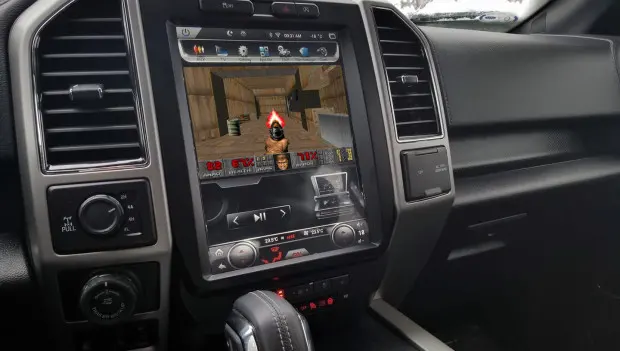
According to technology outlet Game Spark, Toyota Connected North America—the division responsible for digital services and driver–vehicle interaction—has introduced a new game engine called Fluorite. The project is not aimed at PCs or home consoles, but at the onboard systems of future vehicles, where hardware resources are limited and requirements for smooth performance and stability are especially demanding.

Fluorite is designed to work alongside Google’s cross-platform UI framework Flutter. The focus is on ensuring the engine runs reliably even on lower-cost hardware configurations, without forcing developers to relearn everything from scratch. Game logic is handled through an extended game API written in Dart, allowing familiar development patterns seen in other engines, but in a lighter, more efficient format.
Key features of Fluorite include:
- Compatibility with Flutter (the engine itself is written in C++);
- An extended Dart-based game API for building scenes and behaviors;
- Model-based trigger and touch zone definitions, letting artists assign events directly in Blender with a click;
- Support for modern graphics APIs, including Vulkan, for hardware acceleration and high performance;
- “Hot reload” functionality similar to Flutter, where changes appear within a few frames, speeding up debugging and scene iteration.
Why a car needs a game engine
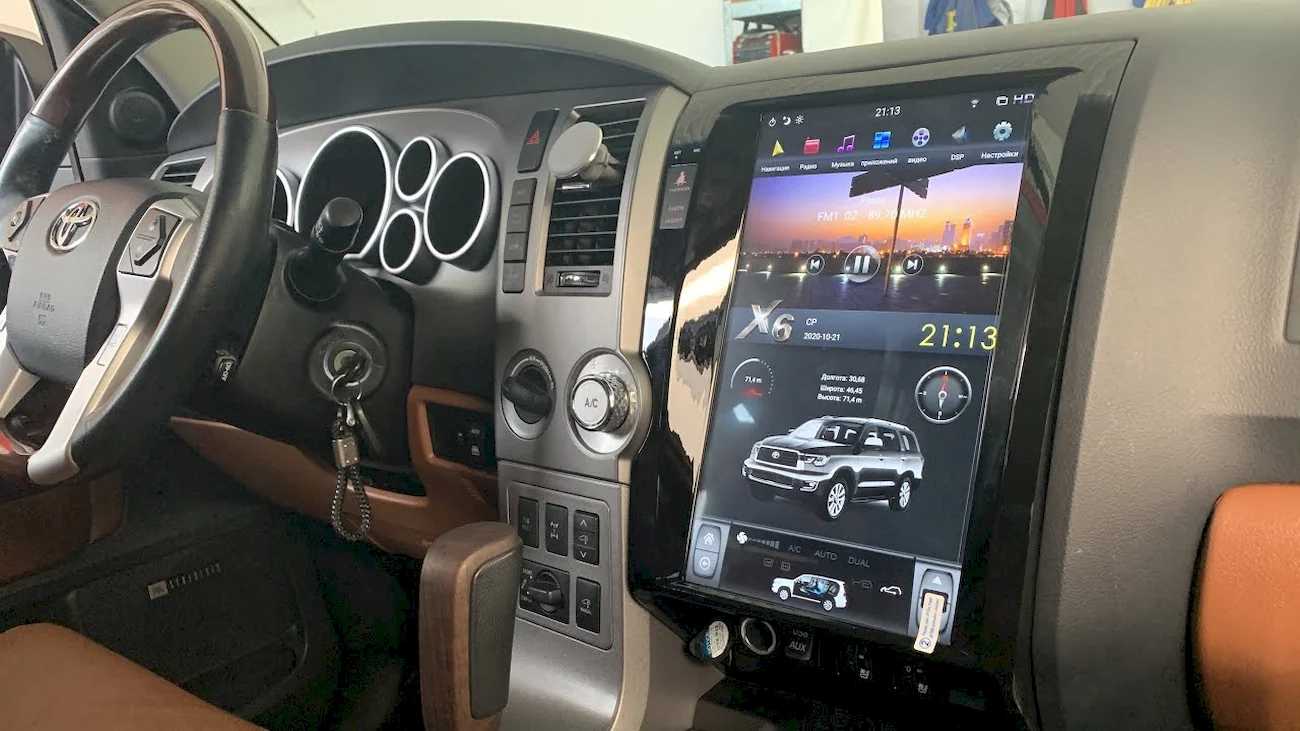
Toyota explained the reasoning behind Fluorite in straightforward terms. The team originally wanted to introduce a fully 3D interface for displays in upcoming vehicle models.
Off-the-shelf solutions like Unity were considered, but in real-world testing they proved too heavy for embedded automotive hardware. Licensing costs also became a factor. As a result, Toyota opted to build its own engine, tailored specifically to the constraints and demands of in-vehicle systems.
You may also be interested in the news:
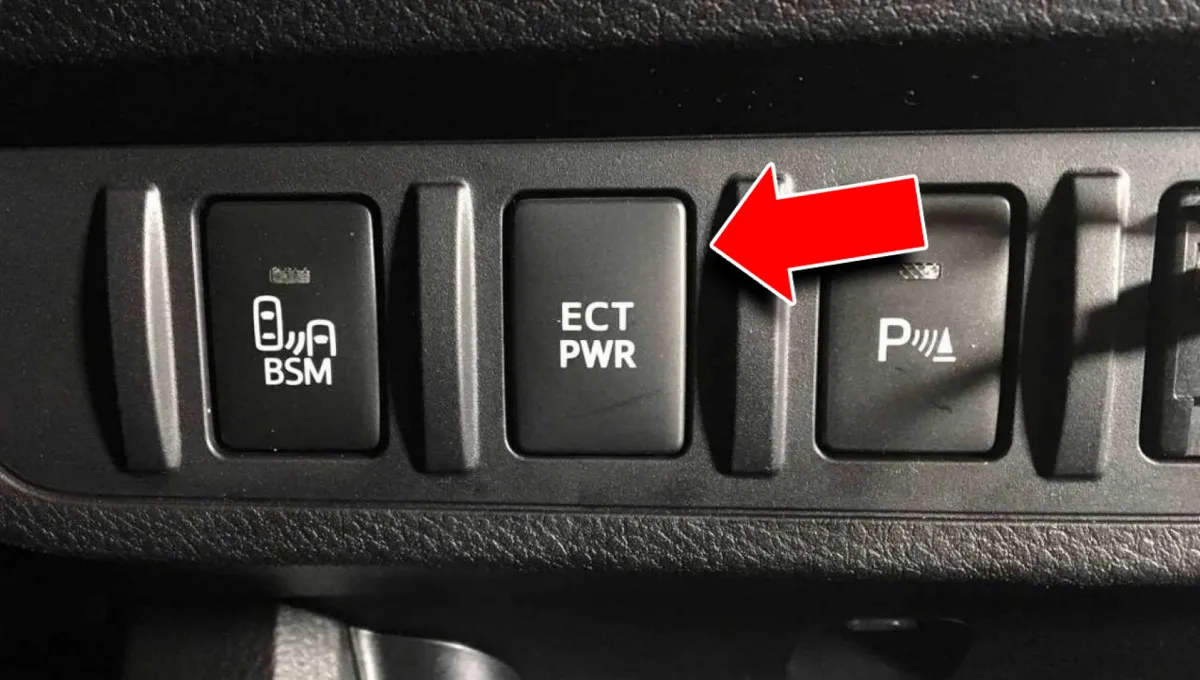
You Hit ECT PWR and Your Toyota Suddenly Wakes Up: What That Mysterious Button Really Does
This little button can change the way a Toyota drives, but plenty of owners have no idea what actually happens when they press it.
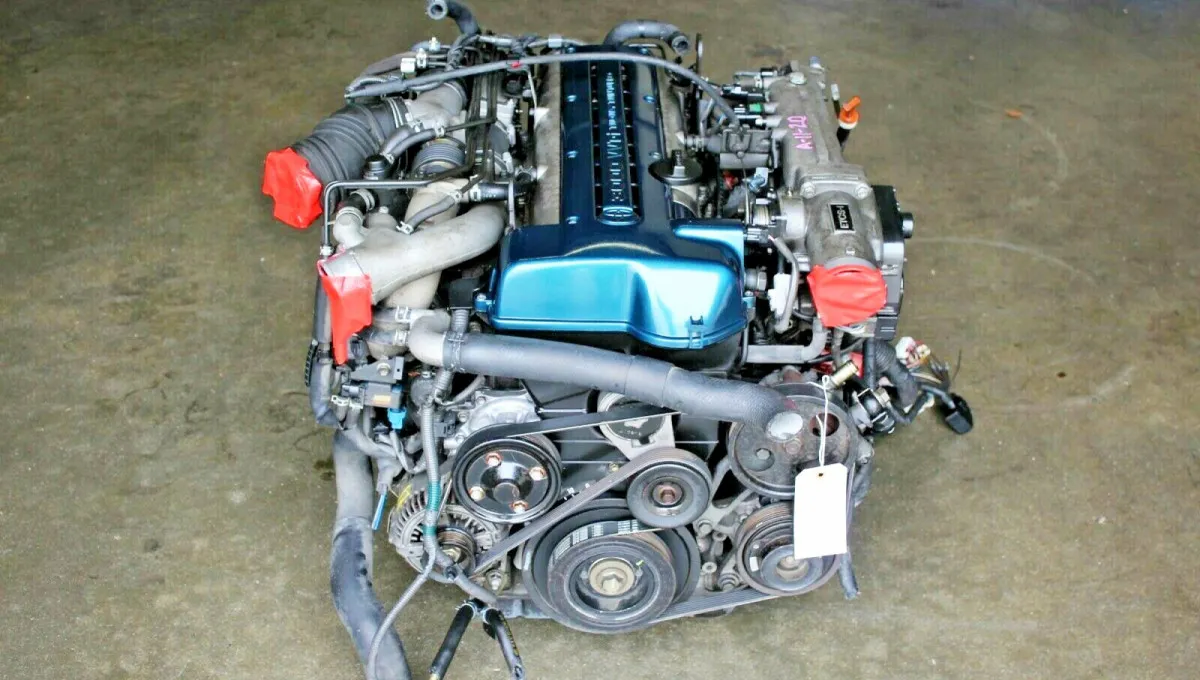
Toyota Built It to Survive 300,000 Miles. Tuners Turned It Into a 2,000-HP Beast
Toyota engineers may have gone too far with durability — and accidentally created the ultimate engine for hot-rodding.

You Won’t Recognize This Toyota: Tuners Turned the Crossover Into a Sports Car
Modellista has prepared two new styling packages for the updated Toyota Harrier.
Toyota Patent Hints at New Car-Based Pickup With a Clever Cargo Bed
Toyota could launch a rival to the Ford Maverick.

Toyota's First Engine Was Copied From a Chevrolet
Toyota's first engine, the Type A, wasn't entirely Japanese—it was based heavily on a Chevrolet straight-six.