
Why Your Gas Cap Hisses When Opened—and Why Your Car May Feel Faster After Refueling
A loud hiss when opening the gas cap may signal fuel system trouble drivers shouldn’t ignore.
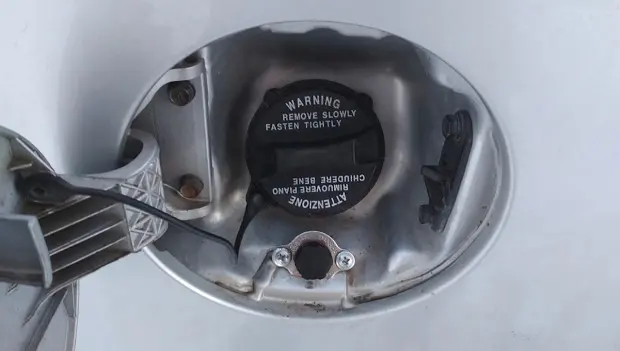
Many drivers have heard it at least once: a sharp hissing sound when unscrewing the gas cap. Most people assume it’s normal and quickly forget about it. In reality, that sound can sometimes signal a problem in the vehicle’s fuel system.
The noise often becomes noticeable at gas stations. At first it may be faint, but over time it can grow louder. The sound usually comes from a difference between atmospheric pressure and the pressure inside the fuel tank. Instead of remaining balanced, the tank gradually develops a vacuum.
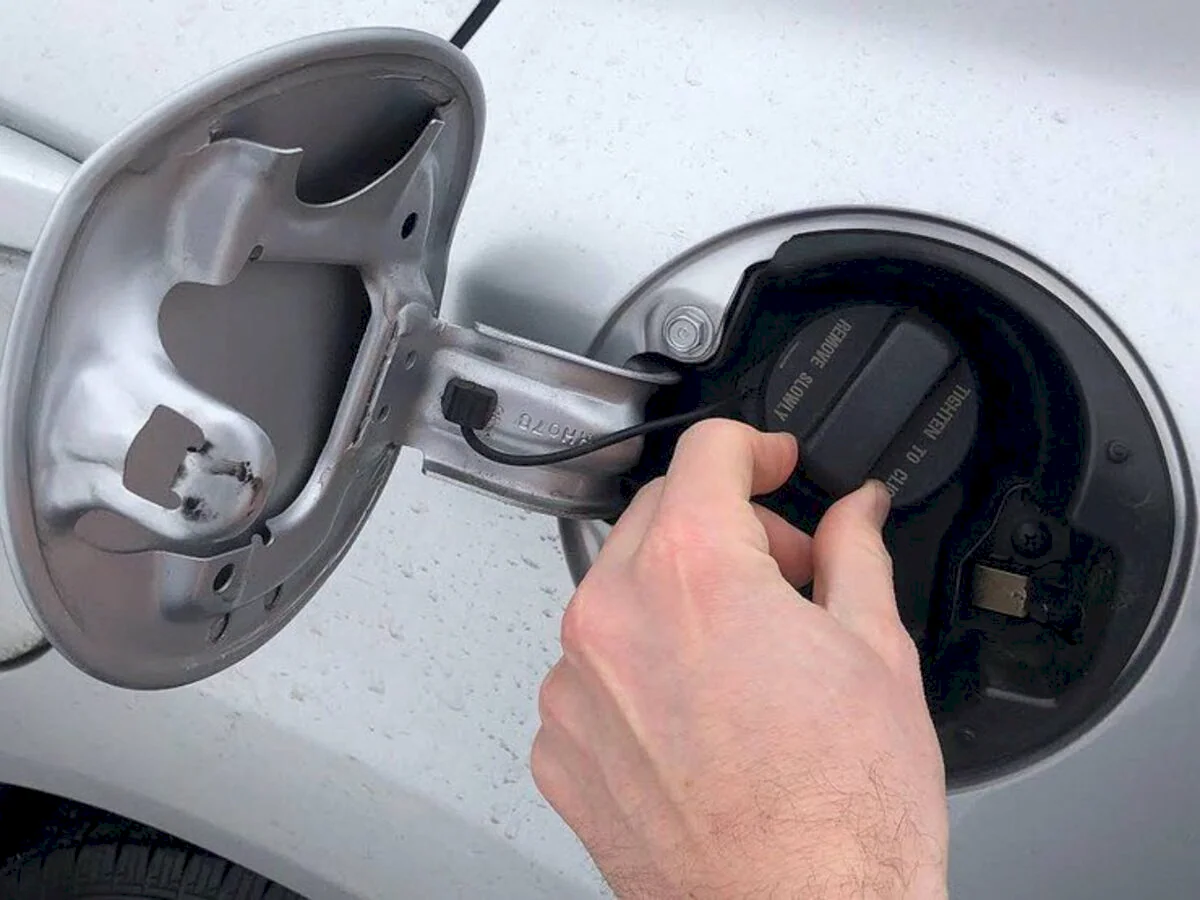
When the cap is opened, outside air rushes inside to equalize the pressure—creating the familiar hiss. In a properly functioning fuel system, this situation typically shouldn’t occur to a noticeable degree.
Interestingly, drivers may notice another symptom in everyday driving. Some report that immediately after refueling their car feels more responsive. Acceleration seems easier and the engine reacts faster when pressing the gas pedal.
The reason is fairly simple. When a vacuum forms inside the tank, the fuel pump has to work harder to draw gasoline—especially when the engine demands more fuel under acceleration. Opening the gas cap temporarily releases that vacuum, allowing pressure to normalize. For a short time, the fuel pump operates under less strain, and the engine can run more freely.
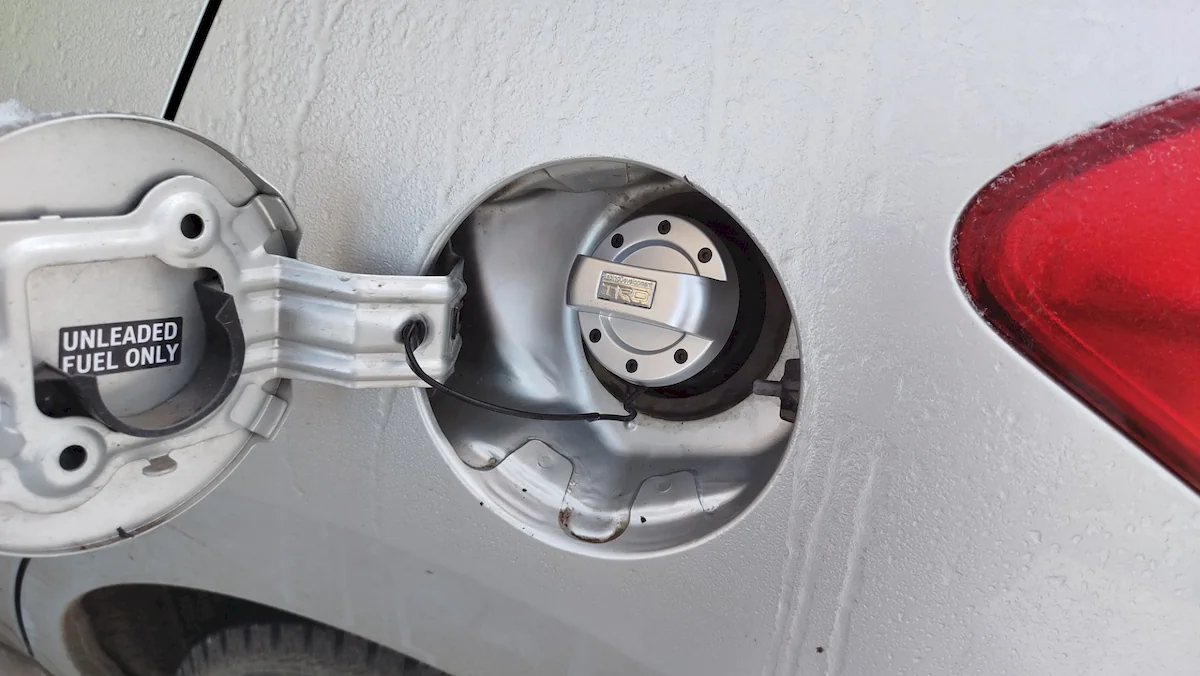
But this improvement doesn’t last long. Once the tank is sealed again, the vacuum slowly begins to build back up. The fuel pump once again faces extra resistance. That’s why the hissing sound shouldn’t be dismissed as a harmless quirk—it can be an early warning sign worth paying attention to before a small issue turns into a bigger one.
If a vacuum repeatedly forms in the tank, it can eventually cause more serious problems. At first the vehicle’s performance may change slightly. Later, the fuel tank itself can be affected. Modern cars often use plastic fuel tanks, which may begin to deform or even partially collapse under strong vacuum conditions while driving.
Many motorists ignore the issue for a long time. The vehicle still runs and no warning lights appear, so it seems safe to continue driving. Yet online forums and repair reports contain plenty of examples where prolonged vacuum conditions eventually caused significant fuel tank damage. Drivers may also notice weaker throttle response and sluggish acceleration, especially during sudden bursts of speed.
The surprising part is that the root cause is often a very inexpensive component. Most gas caps include a small vent valve that allows air to enter the tank. Ahead of that valve sits a tiny filter designed to block dust and dirt. Over time, the filter can become clogged. When airflow stops, the tank begins to develop a vacuum.
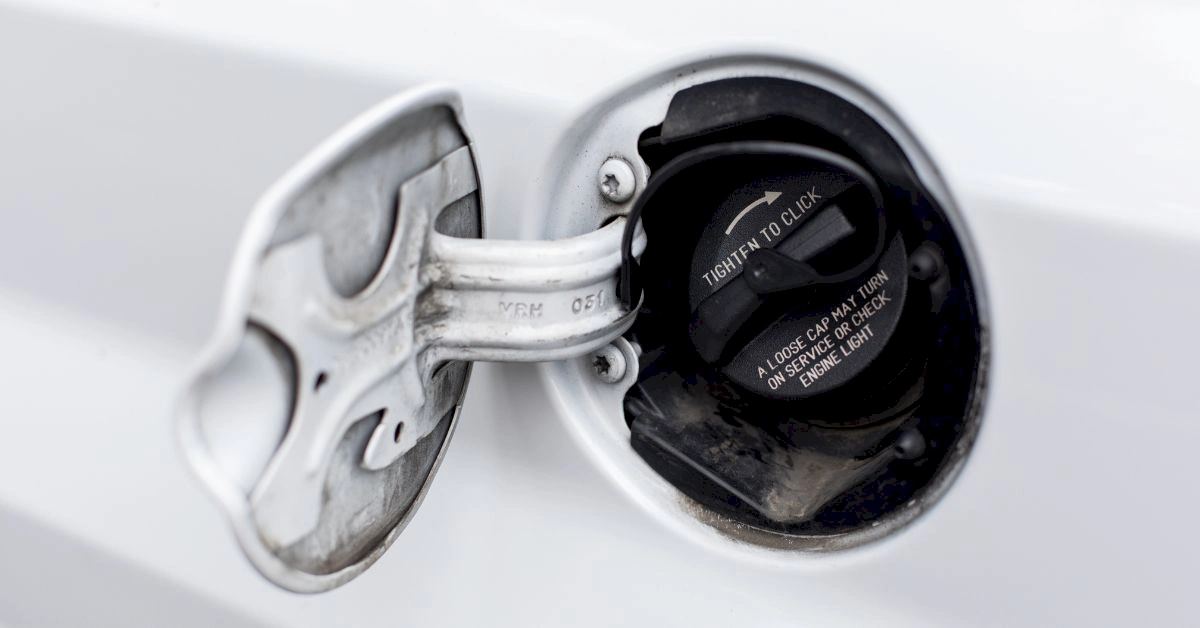
In many cases, replacing the cap isn’t even necessary. If the cap can be disassembled, the filter can sometimes be cleaned or replaced. For sealed designs, soaking the cap in a cleaning solution and blowing it out with compressed air may restore airflow. If the valve itself has failed, however, replacement is the only option.
Fortunately, gas caps for most vehicles are inexpensive and widely available through online retailers and auto parts stores.
You may also be interested in the news:
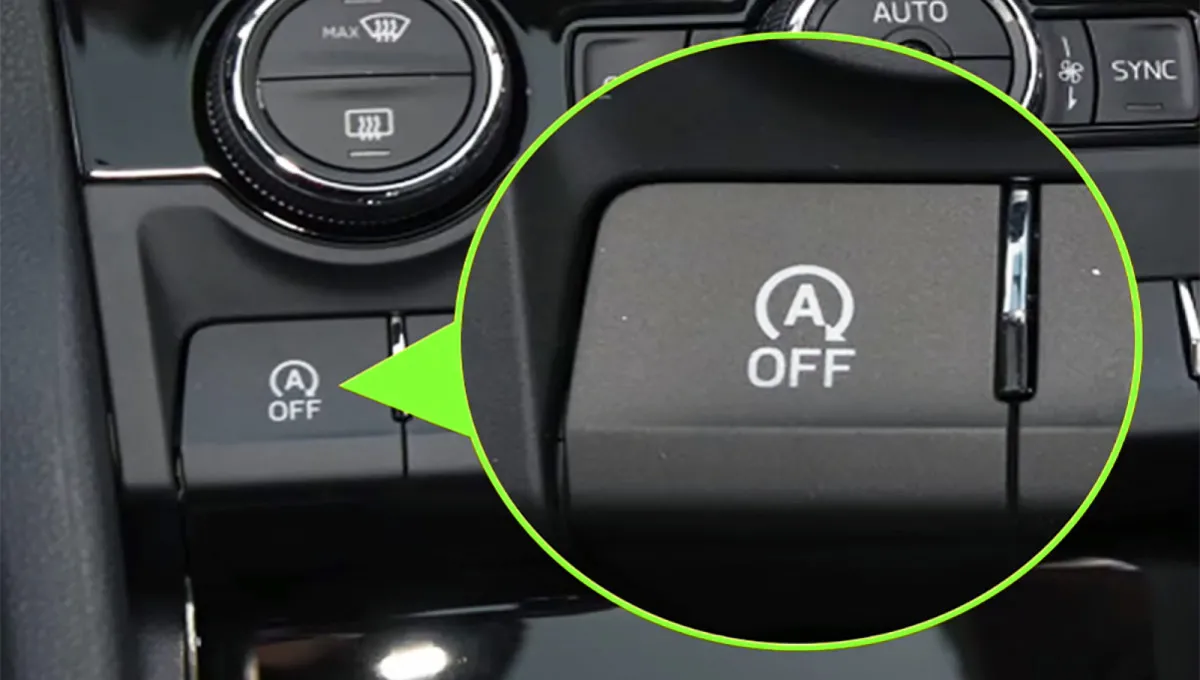
Start/Stop Systems Are Everywhere — But Are They Really Saving You Gas or Wearing Out Your Engine?
Does start-stop technology really save fuel, and does it put extra wear on the engine? Here’s what drivers need to know.
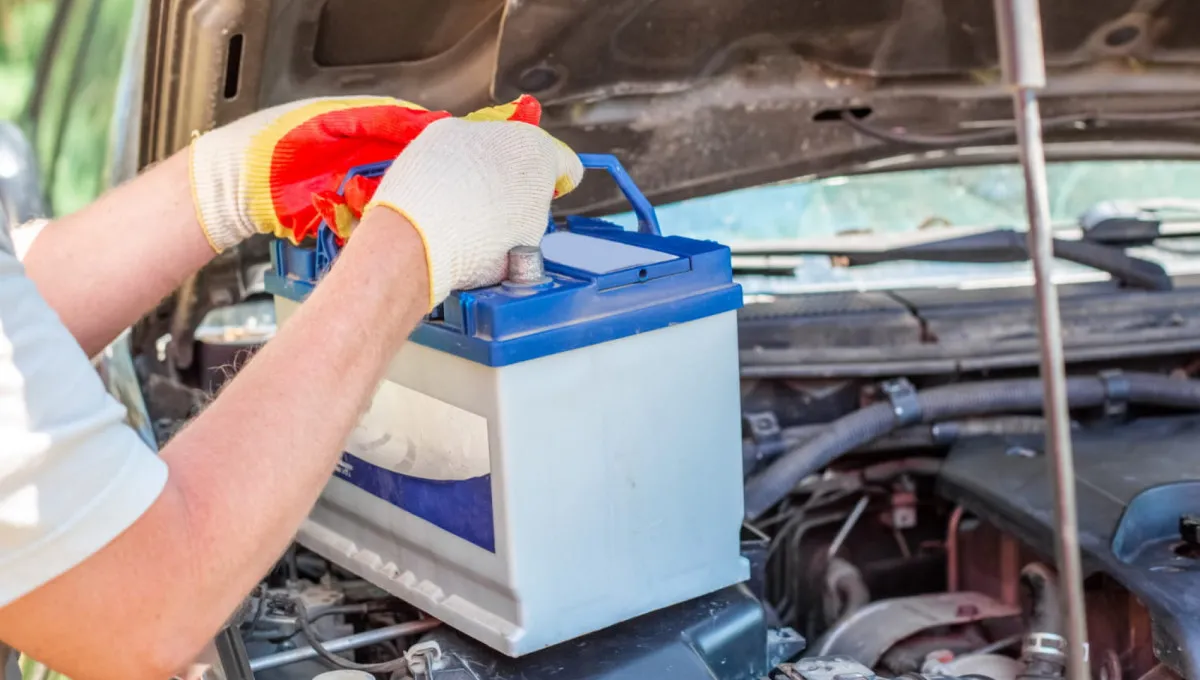
3 Signs Your Car Battery Is About to Die — And the Warning Signs Drivers Often Miss
A failing car battery rarely dies without warning, and these three signs can give drivers time to act before getting stranded.
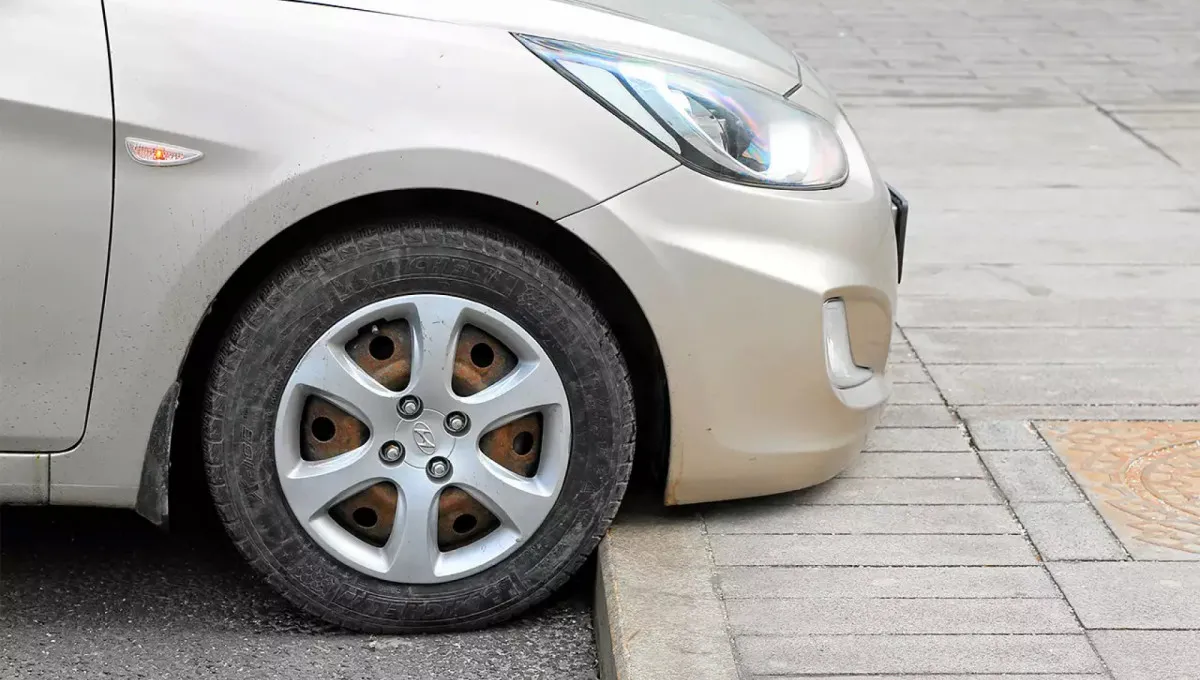
How to Park Close to a Curb Without Scratching Your Bumper: The Two-Mirror Method
How to Park Close to a Curb Without Scratching Your Bumper: The Simple Mirror Trick

Can You Wash Car Floor Mats in a Washing Machine? Experts Have the Answer
Think Twice Before Washing Your Car Floor Mats in the Washing Machine, Experts Warn.

YouTube Has a New Problem: AI Is Creating Fake Mechanics Who Look Completely Real
Artificial intelligence is now being used to create convincing fake auto mechanics on YouTube, raising concerns about misleading advice.