
Same Tire Size, Totally Different Look: What’s Going On?
Two tires share the same size, yet look completely different—here’s why that happens in real life.
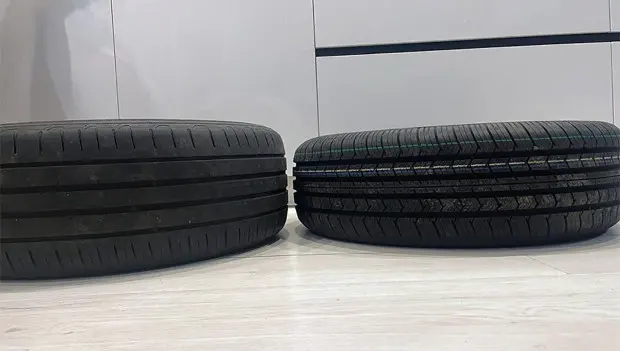
A reader recently replaced his tires and stumbled upon a puzzling detail. On the left in the main photo (shown again below) is a used 2018 tire from Hankook. On the right—a brand-new tire from HiFly.
Both are marked 205/60 R16. Yet in person—and even in photos—they look noticeably different. Why?
The new HiFly appears smaller overall and slightly narrower. Could the Korean tire have “stretched out” over time, like a worn-in pair of shoes? Or is something else at play?
We put the question to industry experts. To be clear, they only had photos to work with—not the actual tires.
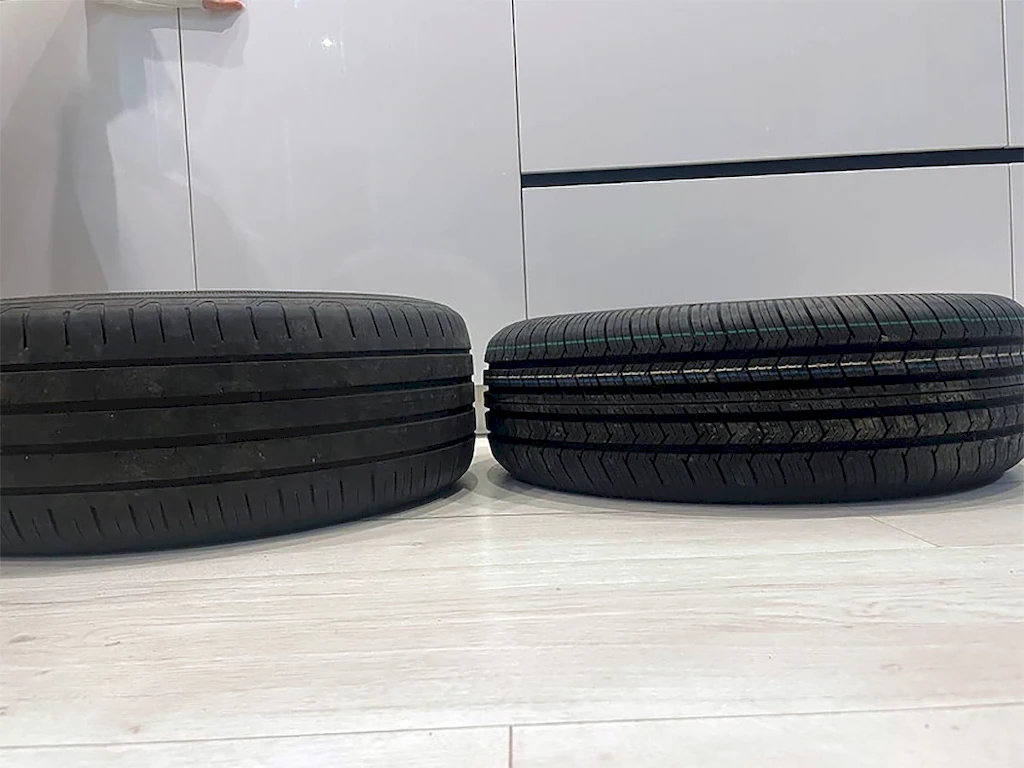
How the same tires look when new
To investigate, specialists located both models in the same size and compared them side by side. In this case, however, both tires were brand new (unlike the reader’s worn Hankook).
Their conclusion: when new, both tires match their stated dimensions.
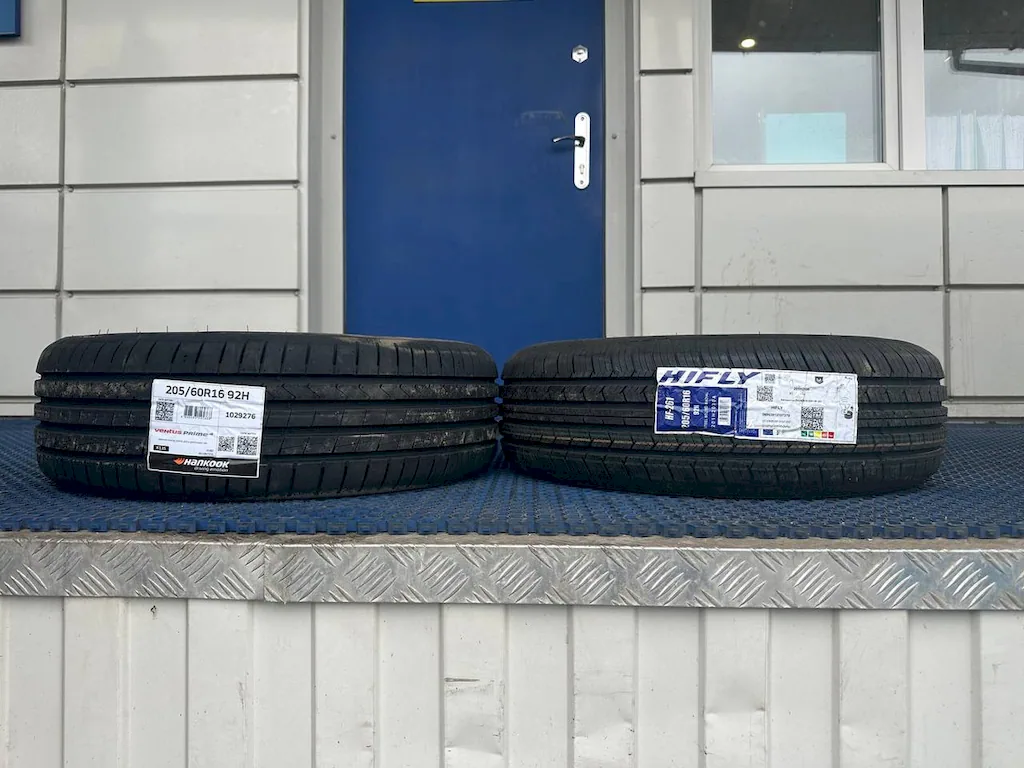
Based on the photos, several explanations stand out.
First, the Hankook tire has clearly seen extended use (judging by wear and production date). Over time, any tire will deviate slightly from its original shape due to constant load, air pressure, and heat cycles.
Second, the tire may have been mounted on a wider-than-recommended wheel. While it’s hard to confirm from the image alone, there are signs of wear along the shoulder areas. That kind of setup can stretch the tire outward, making it appear wider and lower-profile than intended.
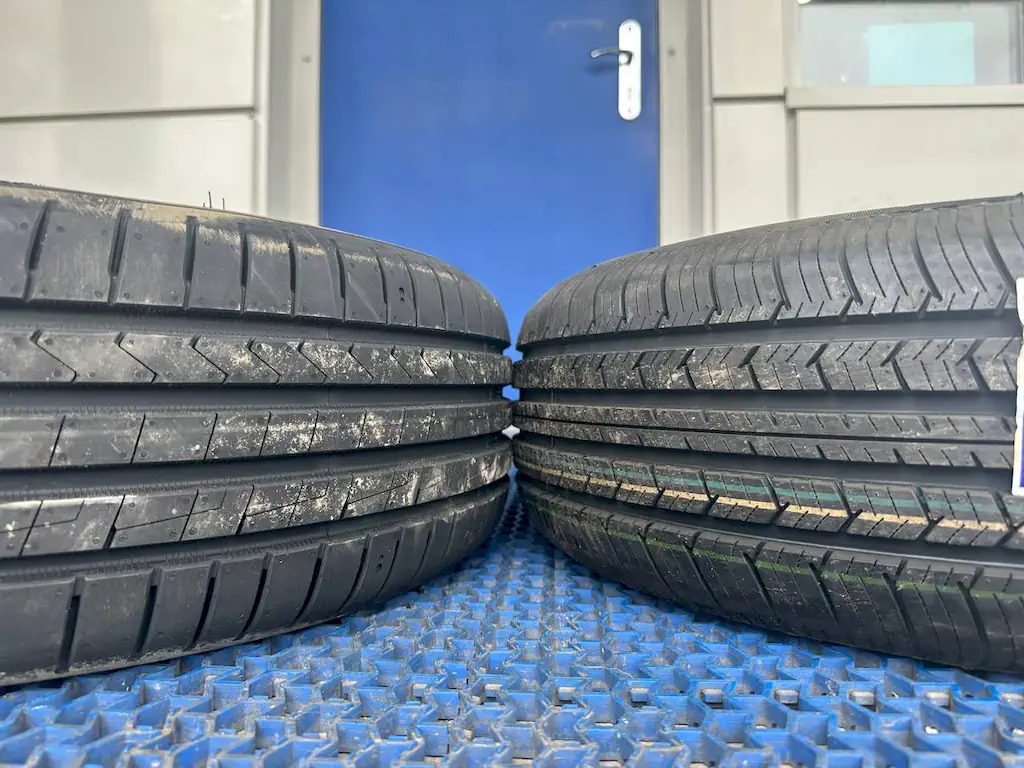
Possible explanations
Even when labeled the same size, a new and a used tire can look different—simply because used tires tend to stretch over time.
There are a few key factors to consider:
- Mounted vs. unmounted shape
Tire width is officially measured when mounted on a wheel. For example, “205” refers to the distance from one outer sidewall to the other when installed. An unmounted tire can appear narrower. -
Tread design differences
The actual tread width can vary depending on the manufacturer’s goals.- A wider tread may improve durability and stability
- A narrower tread can sharpen steering response
- A broader contact patch can enhance ride comfort and grip
That said, such differences are usually subtle—extreme visual discrepancies may raise questions about manufacturing tolerances.
- Storage deformation
Another possibility: the new tire may have been stored at the bottom of a stack. Some warehouses store tires in tall vertical piles, which can slightly deform those at the base.
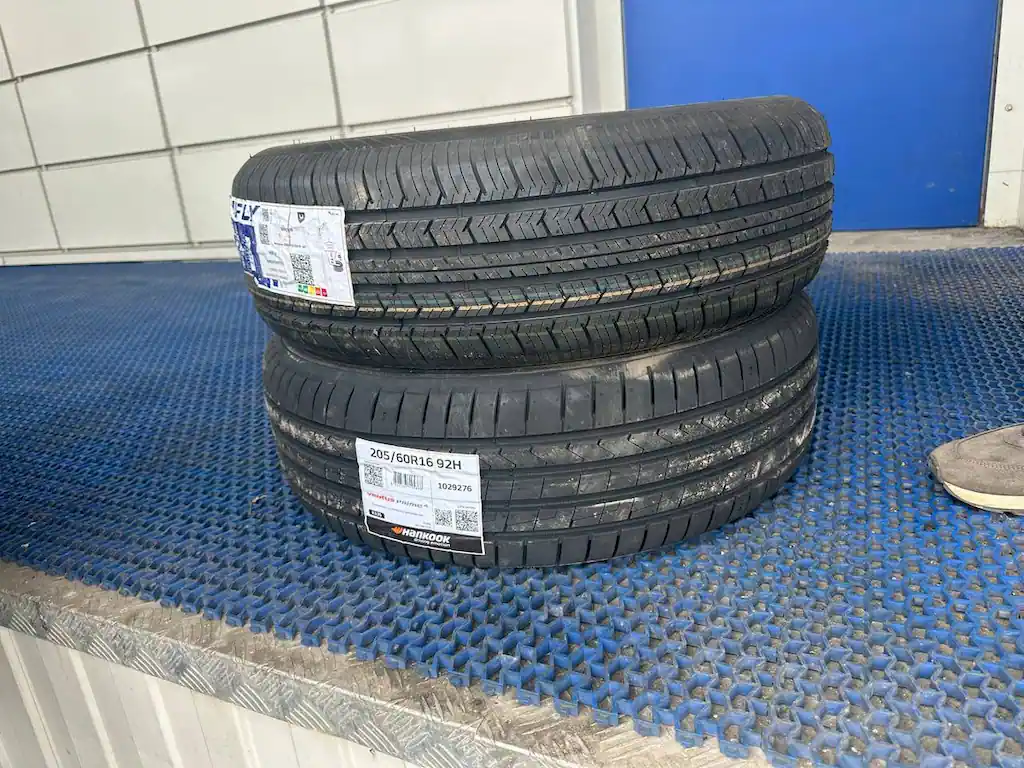
In reality, it’s rarely just one factor. Wear, mounting conditions, design choices, and even storage methods can all influence how a tire looks.
So while two tires may share identical markings on paper, in the real world, they can tell very different stories.
You may also be interested in the news:
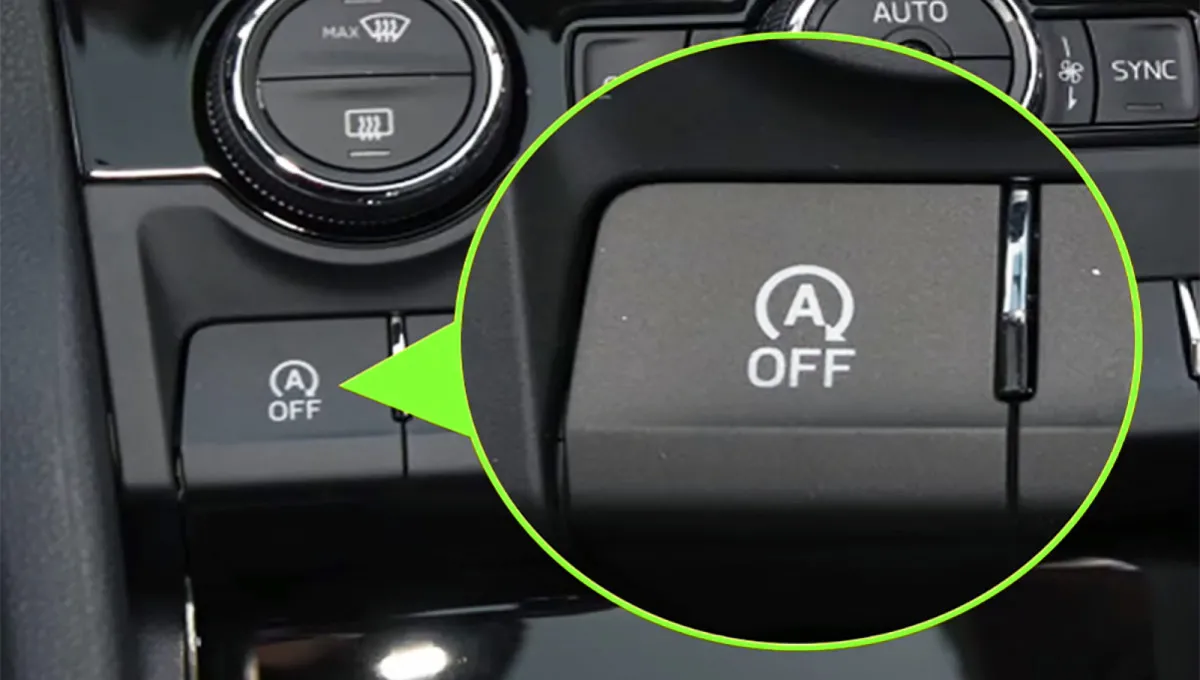
Start/Stop Systems Are Everywhere — But Are They Really Saving You Gas or Wearing Out Your Engine?
Does start-stop technology really save fuel, and does it put extra wear on the engine? Here’s what drivers need to know.

3 Signs Your Car Battery Is About to Die — And the Warning Signs Drivers Often Miss
A failing car battery rarely dies without warning, and these three signs can give drivers time to act before getting stranded.
These Used Cars Could Save You Thousands on Repairs, According to Experts
For many drivers, reliability and maintenance costs are just as important as the purchase price when choosing a used car.

YouTube Has a New Problem: AI Is Creating Fake Mechanics Who Look Completely Real
Artificial intelligence is now being used to create convincing fake auto mechanics on YouTube, raising concerns about misleading advice.
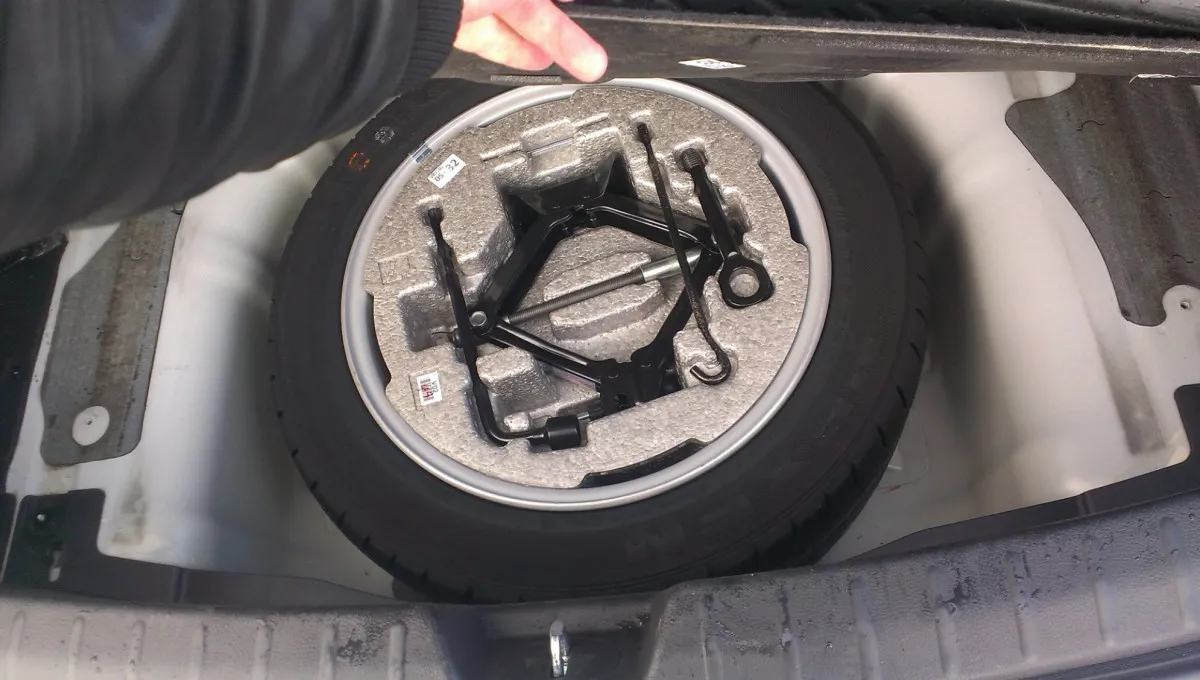
Why New Cars Are Ditching the Spare Tire — And What Drivers Get Instead
More new vehicles are replacing the spare tire with a compressor and sealant kit, and there are two practical reasons why.