
U.S. Auto Sales Briefly Overtake China After Years of Chinese Market Dominance
February auto sales show the United States narrowly surpassing China in passenger vehicle demand worldwide.

For the first time in years, the United States has edged past China in monthly passenger-vehicle sales, raising eyebrows across the global auto industry.
According to a new report from GlobalData, worldwide sales of passenger cars and light commercial vehicles reached about 6.04 million units in February, a decline of 8.5% compared with the same month last year.
Much of that drop was driven by a sharp slowdown in China, where sales fell 31.1% year-over-year.
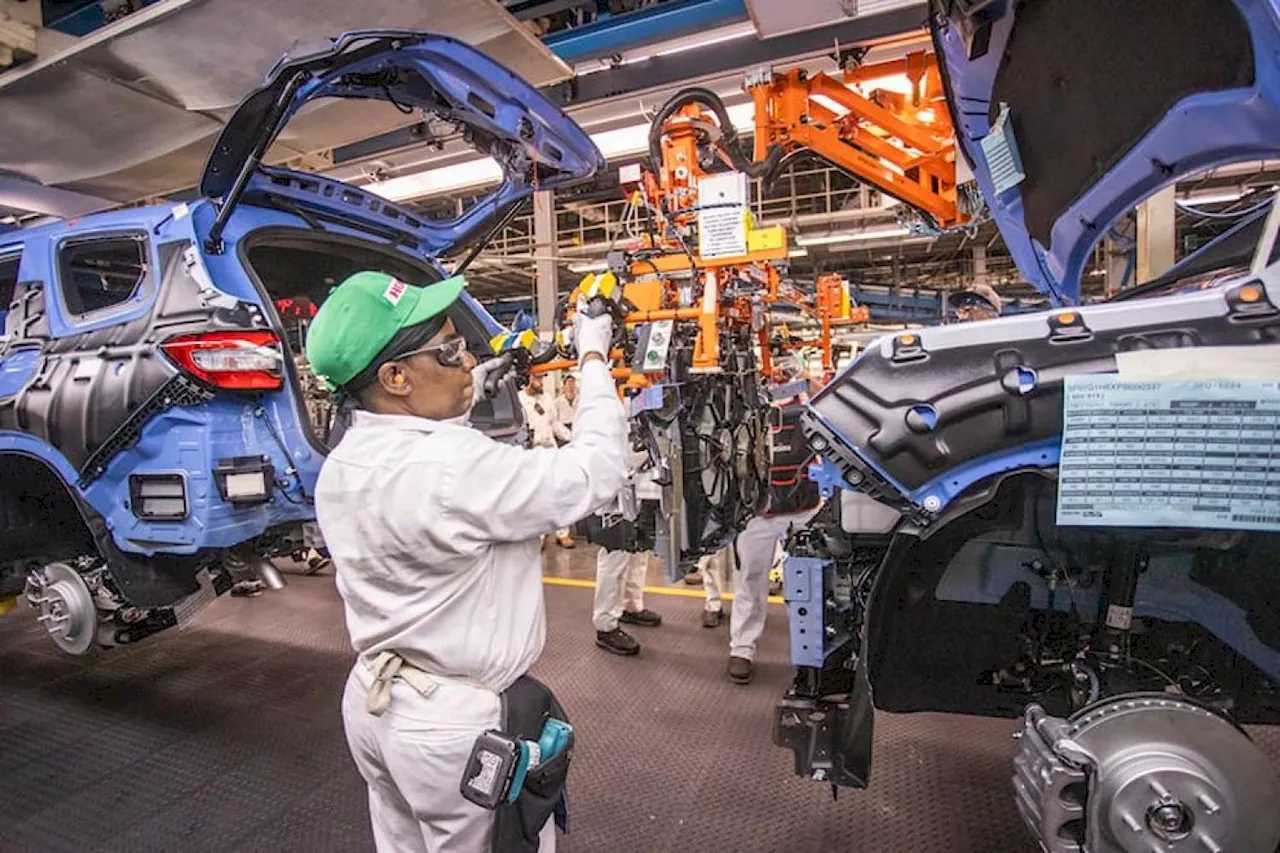
Even so, the gap between the world’s two largest auto markets remained extremely small. The U.S. market recorded about 1.18 million vehicles sold, narrowly ahead of China’s roughly 1.14 million units for the month.
The numbers are symbolic as much as anything else. China has dominated global auto sales for more than a decade, so even a temporary shift in the rankings draws attention from analysts and manufacturers alike.
However, the explanation may be largely seasonal rather than economic.
One major factor behind February’s unusual result appears to be the timing of Chinese New Year, which fell in the second half of the month this year. With extended holiday celebrations, China effectively had only about 16 working days for car sales activity.
During the remaining days, much of the country slowed down as businesses closed and consumers focused on travel and family gatherings. Under those conditions, the Chinese auto market simply didn’t have enough time to reach its typical monthly volume.
Because of that timing, analysts say the most likely scenario is that Chinese automakers will make up much of the shortfall in March and April, restoring the country’s usual lead in global vehicle sales.
In other words, February’s numbers probably reflect a calendar effect rather than a structural change in the global auto market.
Still, the data highlights an interesting point: China’s dominance, while massive, can be influenced by domestic factors more than many observers realize.
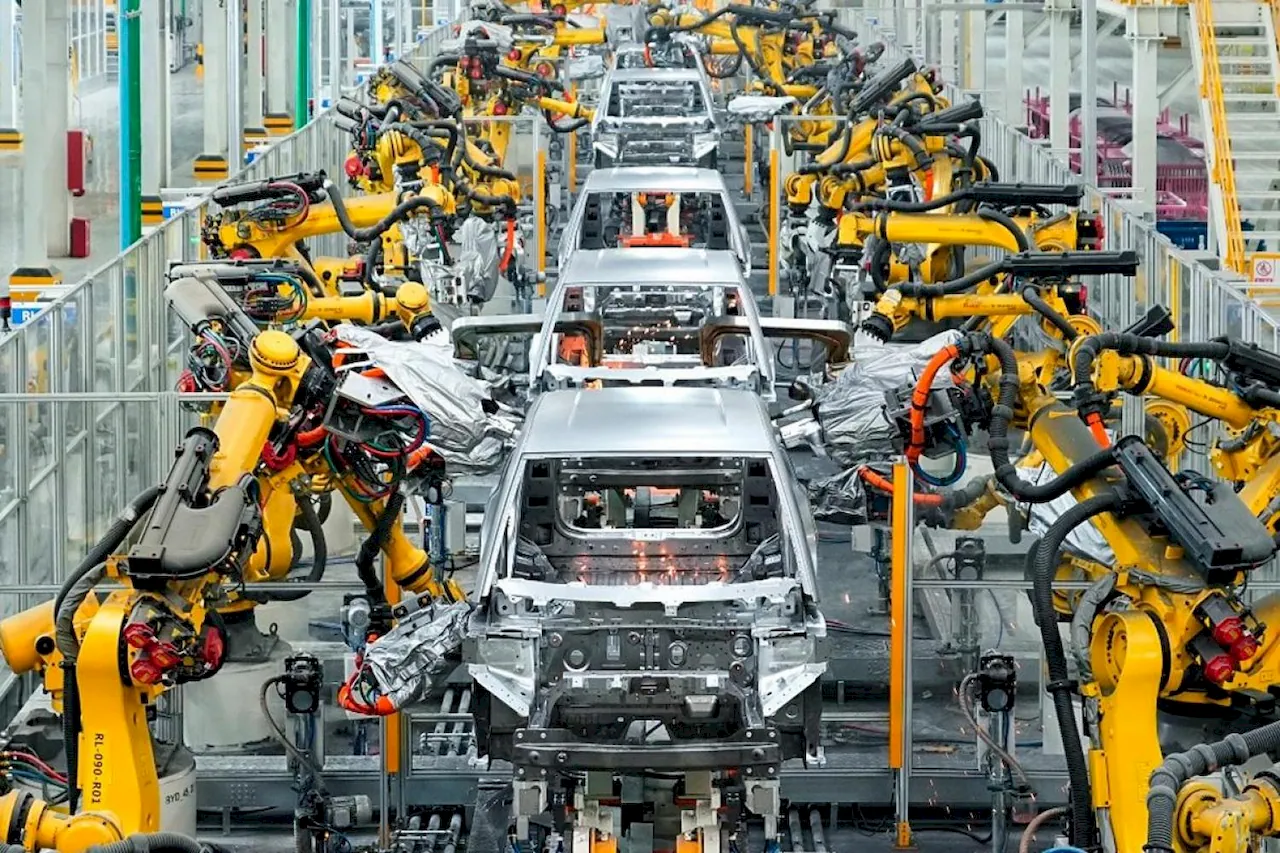
Meanwhile, the U.S. auto market appeared comparatively stable during the same period, avoiding sharp swings or seasonal distortions even though the American population is far smaller than China’s.
While the two largest markets briefly swapped places, most other regions followed a relatively calm trajectory.
In Western Europe, vehicle sales climbed to about 986,000 units, representing 1.6% growth and helping soften the global slowdown.
Elsewhere, the trends were modest:
- South America posted a slight 0.7% increase in sales.
- Eastern Europe saw a 3.1% decline.
- Markets such as Japan, South Korea, and Canada recorded moderate decreases, but nothing dramatic.
Taken together, the data suggests that most of the volatility in February was concentrated in China, while the rest of the global auto market continued moving at a steady, predictable pace.
You may also be interested in the news:
Honda Is Rethinking Its Future SUVs—and a Massive New Ohio Plant Is Coming
Honda is planning a major Ohio expansion as it shifts its future lineup toward larger hybrid SUVs.

Diesel Prices Just Hit a Record in the U.S.—And the Supply Crunch Could Get Worse
U.S. diesel prices have hit record highs as tightening global supplies raise concerns about further increases.

Ford Ranger FX4 Level II Was Cool Long Before the Raptor
Ford Built This Insane Ranger Years Before the Raptor—and Almost Nobody Remembers It
This 18-Year-Old Audi RS4 Just Sold for More Than It Cost Brand-New
After spending 18 years in a garage, this low-mileage Audi RS4 has become a sought-after collector car.

A 100-Year BMW Legacy Is in Trouble as Germany’s Oldest Dealer Files for Insolvency
German dealers accuse Chinese automakers of poor payment practices as an iconic BMW dealer enters insolvency.