
Nine Remarkable Supercars You’ve Probably Never Heard Of
Which lesser-known supercars deserve attention despite flying under the radar of most enthusiasts?
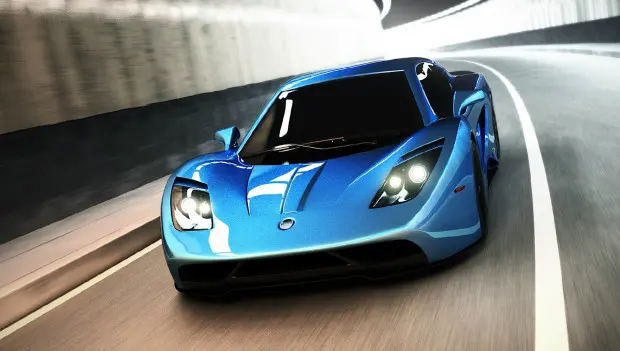
Ferrari. Lamborghini. Bugatti. Even people with only a passing interest in cars recognize those names instantly. But there’s another side of the supercar world—low-volume machines built by small teams that match, and sometimes exceed, the performance of the industry’s biggest icons.
Here are nine remarkable supercars that rarely make headlines but deserve a closer look.
1. Isdera Commendatore 112i
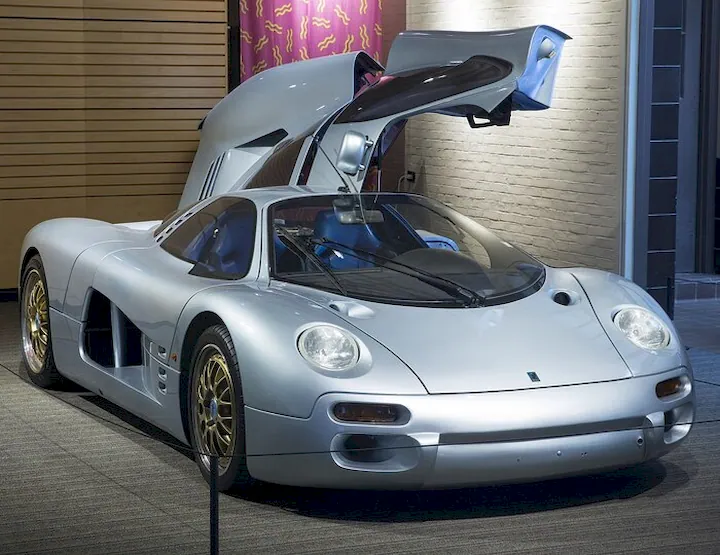
One detail about this car is impossible to forget: it has no side mirrors. Instead, there’s a roof-mounted periscope.
The car was created by Eberhard Schulz, who previously worked with Mercedes-Benz before launching his own brand, Isdera.
The Commendatore 112i debuted at the Frankfurt Motor Show in 1993. It featured a 6.0-liter naturally aspirated V12 from Mercedes producing about 400 horsepower, along with dramatic gullwing doors and an extremely low aerodynamic body.
The car looked like something from the future—and in many ways it remained exactly that. Financial problems prevented production from ever starting. Only one example exists, later restored and shown to the public again years later.
A ghost story in automotive form.
2. TVR Cerbera Speed 12
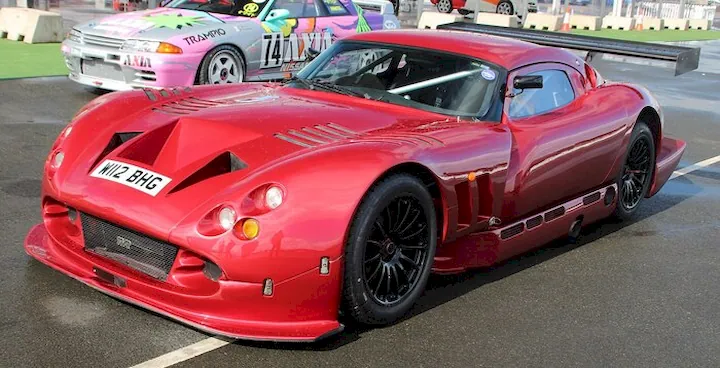
Some cars are fast. Some are extremely fast. And then there are cars that even their creators find terrifying.
The British company TVR was already known for aggressive machines, but the Cerbera Speed 12 pushed things far beyond normal limits.
Its 7.7-liter V12 was essentially created by combining two six-cylinder TVR engines into one unit. Output estimates exceeded 800 horsepower, while the car weighed roughly 2,200 pounds.
When company owner Peter Wheeler personally tested the prototype, he reportedly decided the car was simply too dangerous for public roads—and canceled the project.
A car that scared its own creator.
3. Ascari KZ1
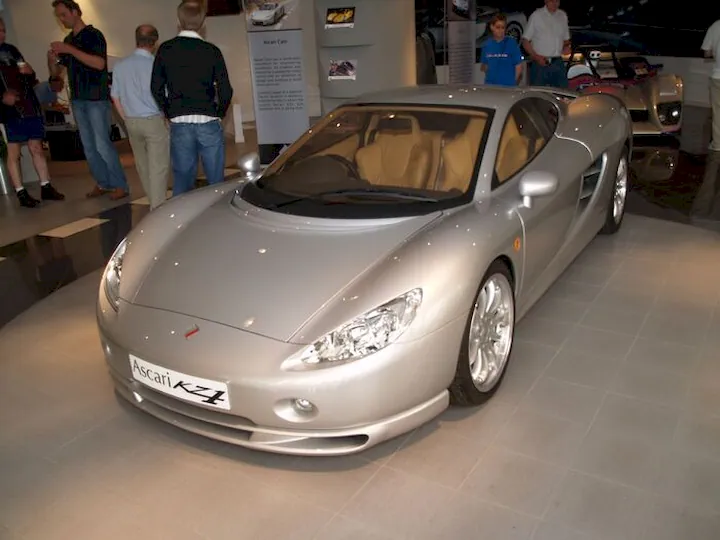
A British company, a Dutch owner, and the name of an Italian racing legend.
The brand Ascari Cars was founded by entrepreneur Klaas Zwart, who named the company after two-time Formula One champion Alberto Ascari.
The KZ1 arrived in the early 2000s with a carbon-fiber body and a 5.0-liter BMW V8 producing roughly 500 horsepower. It could accelerate from 0–62 mph in about 3.7 seconds and reach over 200 mph.
Around 50 cars were built, each assembled by hand. The company never achieved large-scale success, but collectors now appreciate the rarity of the KZ1.
4. Vencer Sarthe
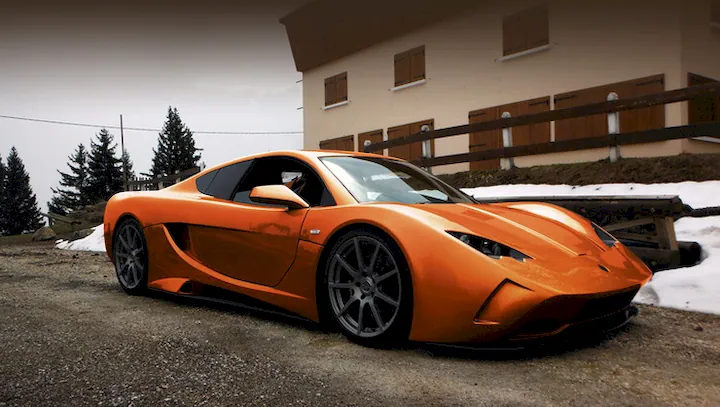
Dutch engineer Robert Cobben set out to create a supercar focused on pure mechanical driving rather than excessive electronics.
The result was the Sarthe, introduced in 2013 by Vencer.
The car featured a carbon-fiber body and a GM-sourced V8 slightly over 6.0 liters, producing about 620 horsepower. It accelerated from 0–62 mph in roughly 3.6 seconds and reached over 205 mph.
Each example was built by hand, making the Sarthe extremely rare—even in Europe.
5. Zenvo ST1
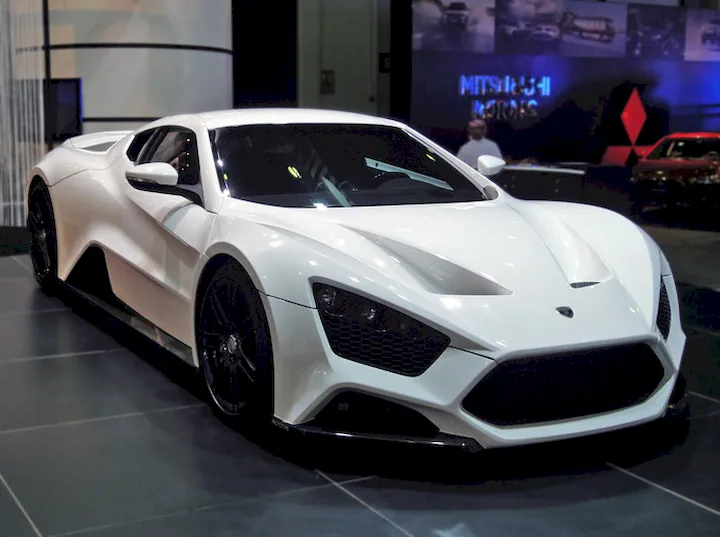
A supercar from Denmark might sound unusual, but Zenvo Automotive proved it could compete with the best.
The ST1 used a 7.0-liter V8 equipped with both a supercharger and a turbocharger—a rare engineering setup. Output exceeded 1,100 horsepower, with about 1,055 lb-ft of torque.
Top speed was electronically limited to about 233 mph, and only around 15 examples were planned, each priced above $1 million.
Despite those impressive numbers, Zenvo remains largely unknown outside serious automotive circles.
6. Dallara Stradale

For decades, Dallara built chassis for IndyCar Series and contributed to Formula One projects.
In 2017 the company finally created its own road car.
The Stradale weighs just about 1,870 pounds and uses a turbocharged Ford EcoBoost four-cylinder engine producing around 400 horsepower. Despite the relatively modest output, the car can accelerate from 0–62 mph in about 3.3 seconds.
Minimal weight means massive power isn’t necessary. It’s a racing philosophy adapted for the road.
7. Sin R1
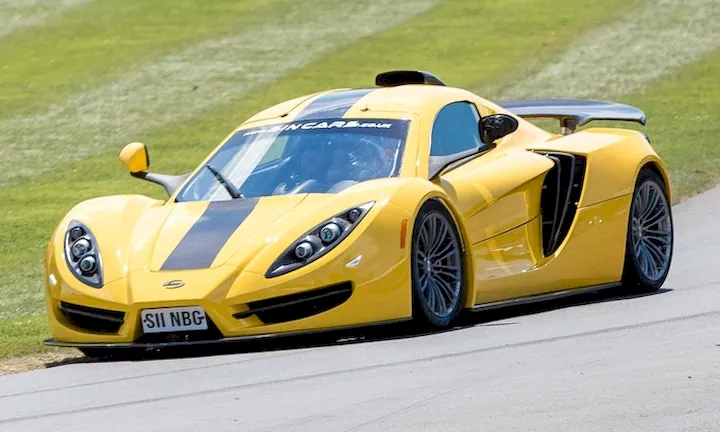
The Sin Cars brand combines Bulgarian roots with British engineering.
The R1 uses a 6.2-liter GM LS3 V8 and comes in both road-legal and track-focused versions. Output ranges from 450 to 550 horsepower, while weight sits around 2,650 pounds.
Acceleration to 62 mph takes about 3.5 seconds.
Limited production and a niche brand keep the R1 relatively unknown, but its versatility sets it apart.
8. De Tomaso P72
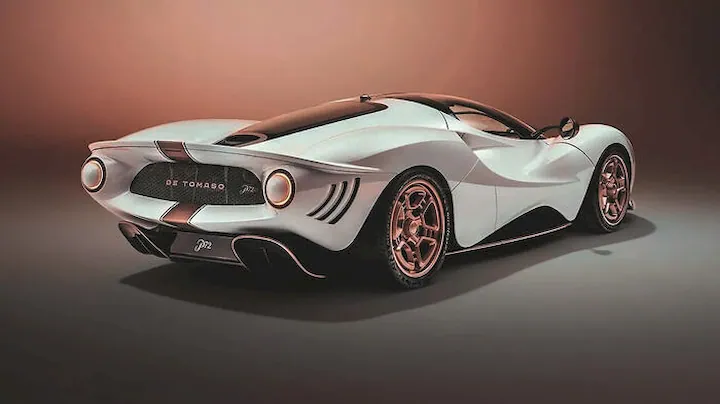
For many enthusiasts, the name De Tomaso is forever linked to the classic De Tomaso Pantera.
The revived company unveiled the P72 in 2019. It features a carbon-fiber body with deliberately retro styling and a supercharged V8 producing around 700 horsepower.
One unusual feature stands out: a manual transmission. In a world where most supercars rely on automated gearboxes, that decision feels almost like a manifesto.
Only 72 cars will be produced, each priced around $1.6 million.
9. Delage D12
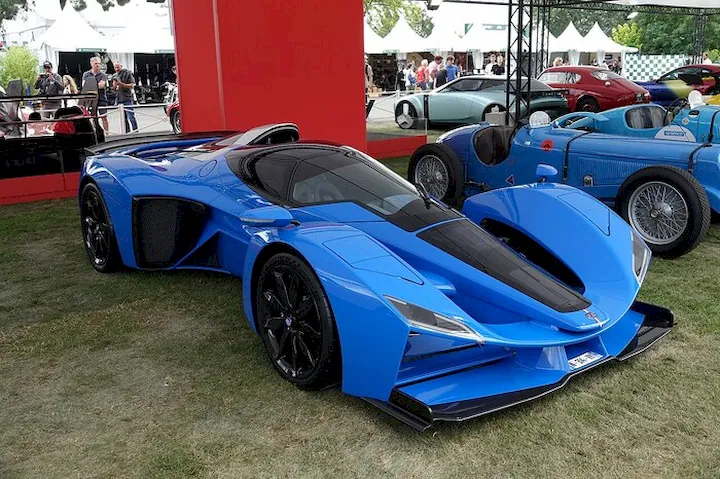
The historic French brand Delage, founded in the early 20th century, was quietly revived with a dramatic new model.
The D12 uses a 7.6-liter naturally aspirated V12 from Gibson Technology, paired with an electric motor for a combined output of over 1,100 horsepower.
But the real surprise is the cockpit layout: the driver sits in the center, with the passenger directly behind—much like a fighter jet.
Only about 30 cars are planned, each priced above $2.2 million.
The world of Ferrari and Bugatti represents the polished, well-known side of the supercar industry.
But beyond those giants exists another universe—one filled with rare machines created by small teams driven by passion, creativity, and bold engineering ideas.
And sometimes, those cars are even more fascinating than the legends everyone already knows.
You may also be interested in the news:
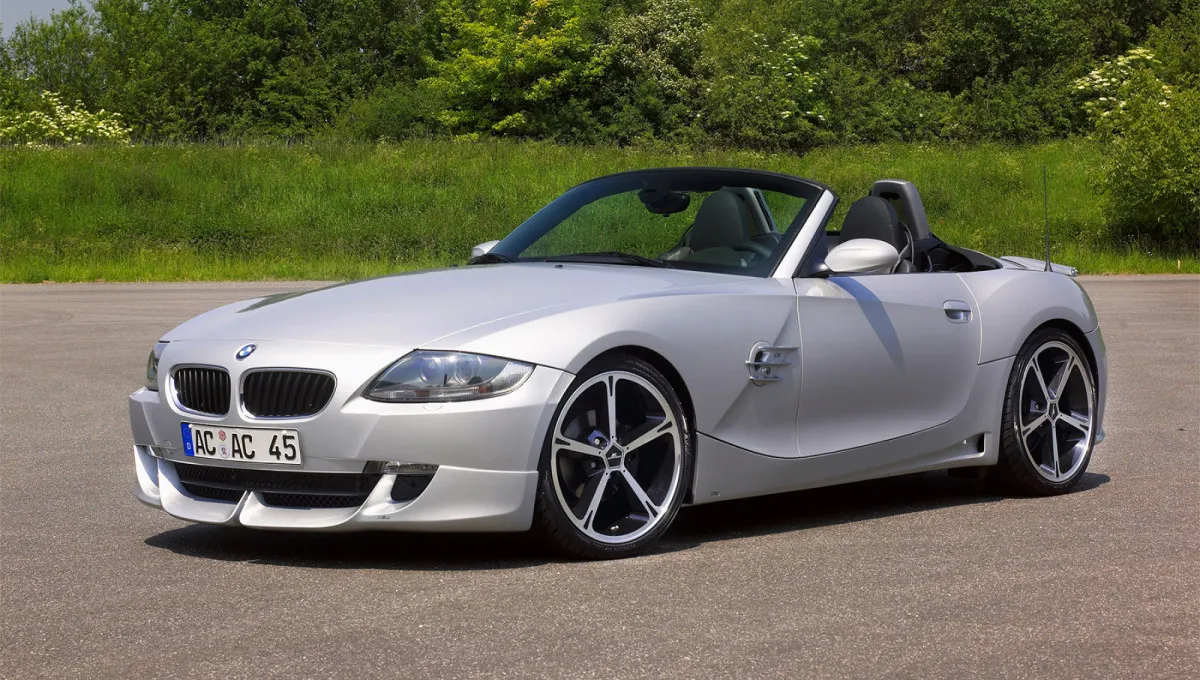
7 Cars That Should Have Been Legends — But One Big Flaw Held Them Back
Some cars had the styling, performance and character to become icons, but one glaring weakness kept them just short of legendary status.
Copart to Acquire ACV Auctions in $1.9 Billion Deal, Expanding Into Dealer-to-Dealer Car Auctions
Copart is acquiring ACV Auctions for about $1.9 billion, expanding its online auction business into dealer-to-dealer vehicle sales.
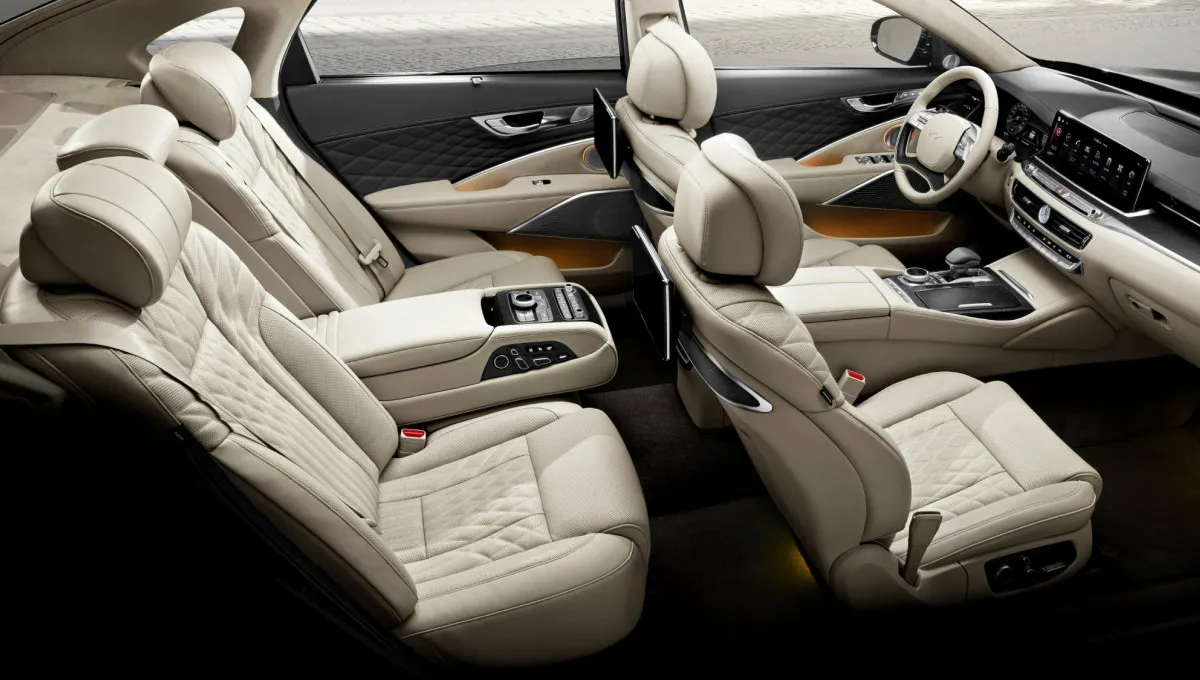
Best Sedans for Interior Space: The Roomiest Cars of 2026
These six sedans offer generous legroom and shoulder room, giving families a comfortable alternative to larger SUVs for long trips.

Best Cars for Teen Drivers: Affordable and Safe Picks
These affordable used and new vehicles combine strong safety ratings, reliability, and reasonable prices for young drivers and their families.
These 5 Automakers Still Refuse to Build an SUV
SUVs and crossovers now account for roughly 61% of new-vehicle sales in the U.S., yet these five automakers continue to avoid the segment.