
The Mysterious “Astronaut Button”: What This Hidden Car Feature Actually Does
Modern cars are full of buttons that often leave drivers guessing their real purpose.
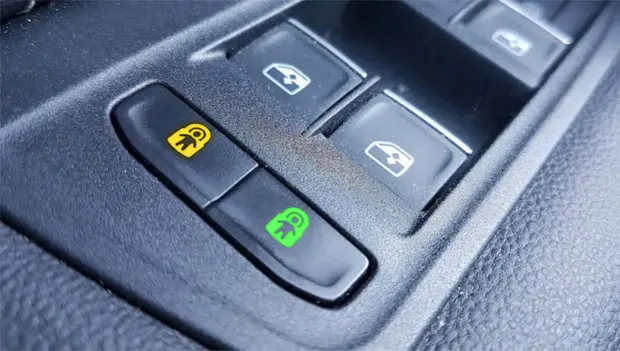
Modern vehicles come packed with a wide range of buttons and controls. In many cases, it’s hard to figure out what each function does without digging into the owner’s manual. One of the most confusing examples is a button marked with a small figure that many drivers assume looks like an astronaut. So what is it actually for?
A closer look reveals it’s not an astronaut at all. The icon shows a small child figure next to a padlock symbol. Once you notice that detail, the purpose becomes much easier to understand.
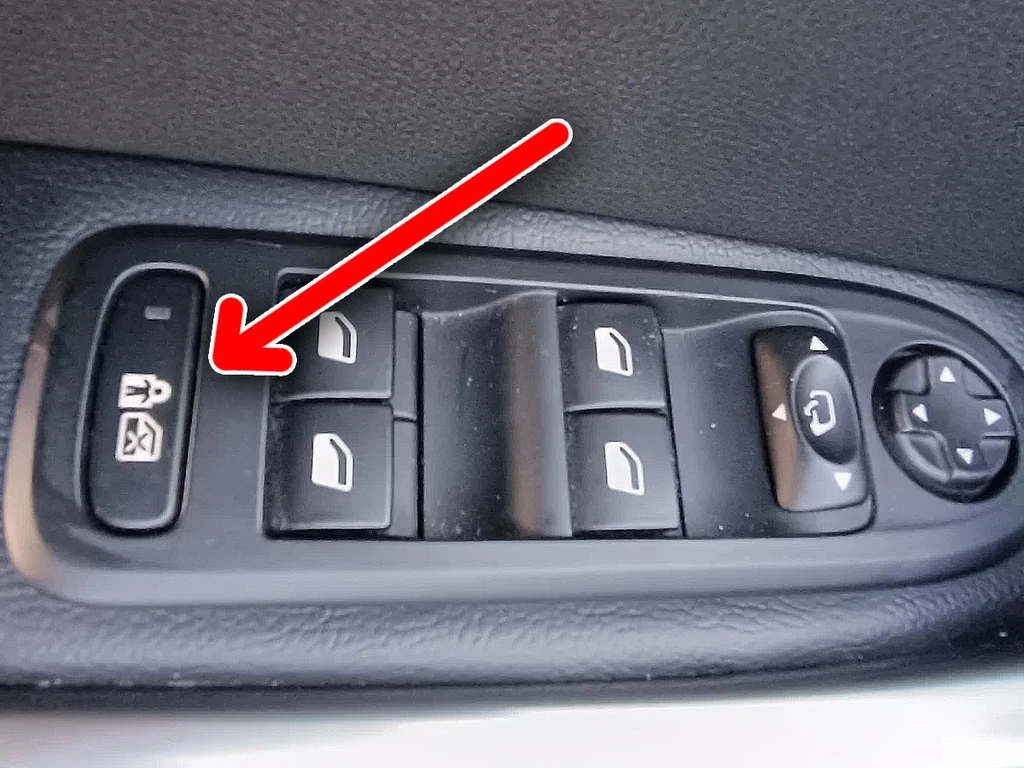
This button controls the rear door child safety lock. When activated, it locks both rear doors so they cannot be opened from the inside until the system is turned off again by pressing the button a second time. It’s a simple feature, but an important one—especially for families with young children.
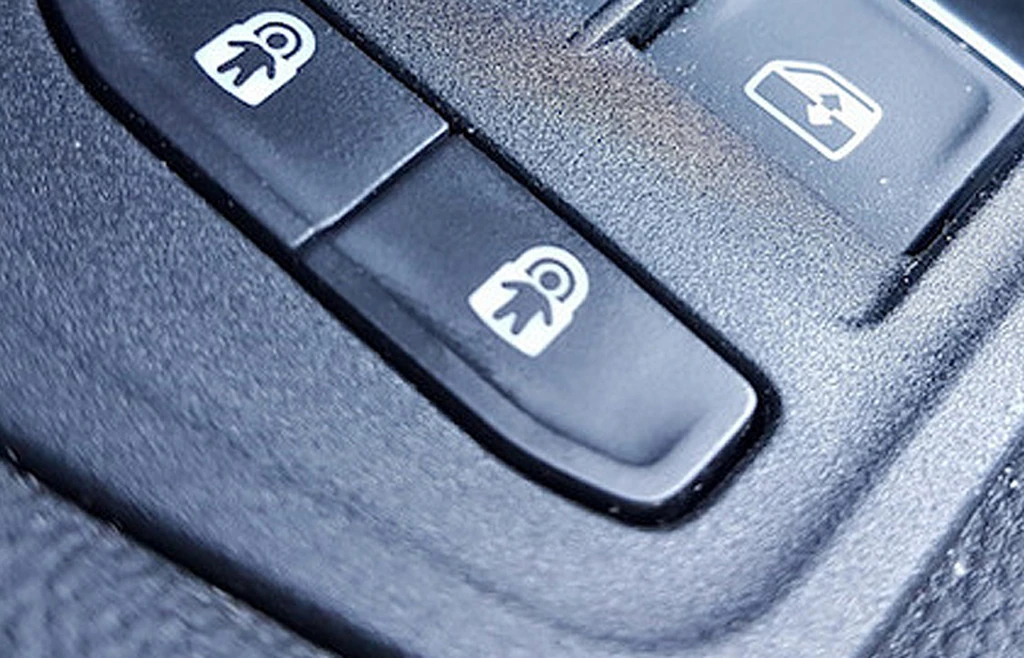
In most countries, laws already require small children to travel in proper child safety seats. However, those regulations don’t specifically mention rear door locking systems. Still, many parents quickly come to appreciate the value of this so-called “astronaut button,” particularly when transporting kids around 8 to 10 years old.

In real-world use, having the rear doors locked from the inside adds an extra layer of peace of mind. It’s a small feature, but one that can make everyday family driving noticeably safer and less stressful.
You may also be interested in the news:
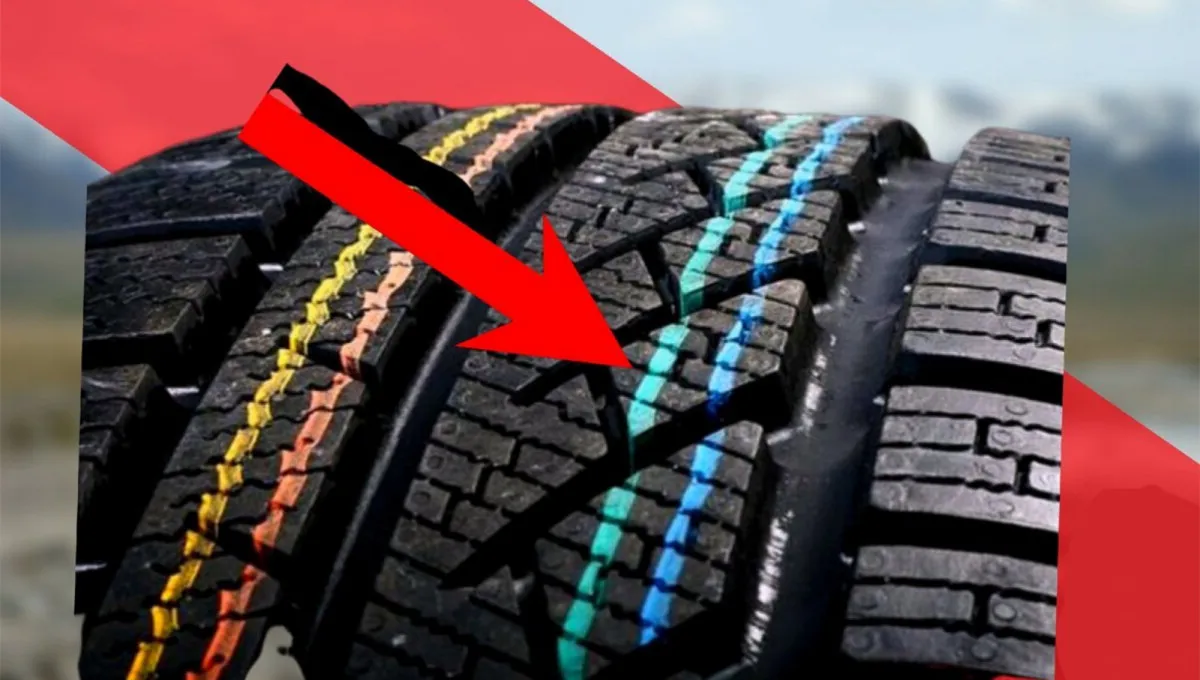
Why Colored Stripes on New Tires Confuse Drivers: What They Really Mean
A blue stripe on one tire brand can mean something entirely different on another, leaving drivers wondering what the markings mean.
These 8 Cars Went Over 1 Million Miles — They Just Don’t Build Them Like They Used To
Some cars outlast generations of owners, proving that careful maintenance and durable engineering can deliver extraordinary mileage.

The 1957 Dodge: How “Autodynamics” Shaped One of Detroit’s Boldest Designs
The 1957 Dodge Looked Like a Dream Car, but Its Biggest Flaw Was Hiding Beneath the Surface.

Two Ferrari F40s Spotted on Google Maps Turn Out to Be Pontiac Fiero Replicas
Two Ferrari F40 lookalikes spotted on Google Maps in Spain turned out to be replicas built on an American sports car.
Your Speedometer Says 65 MPH, but Your GPS Says 62 — Here’s Why Your Car Does That
Your speedometer reads 65 mph, but your GPS says 62 mph. Here’s why the numbers rarely match.