
Tesla Basecharger Brings 125 kW Overnight Charging Solution for Semi Truck Depots
Tesla rolls out a lower-power DC charger aimed at Semi fleet operators for easy overnight depot charging
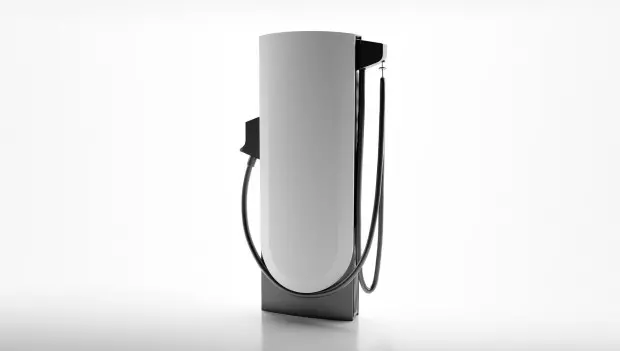
Tesla is pushing Semi fleet operators to build out their own charging infrastructure, which is why it launched the new Semi Charging for Business program. Companies enrolled in the program can now install both large 1.2-MWh Megachargers and the new 125-kW Basechargers. Even though it’s still a DC system, the Basecharger functions much like a Level 2 setup, making overnight charging at depots practical and efficient.
Tesla has recently begun volume production of the Semi in Nevada and is actively expanding the Megacharger network needed to support long-haul electric trucking. To speed up deployment, the company is encouraging fleet operators to install charging equipment themselves. Earlier pilot programs saw Tesla handling Megacharger installations directly for select partners.
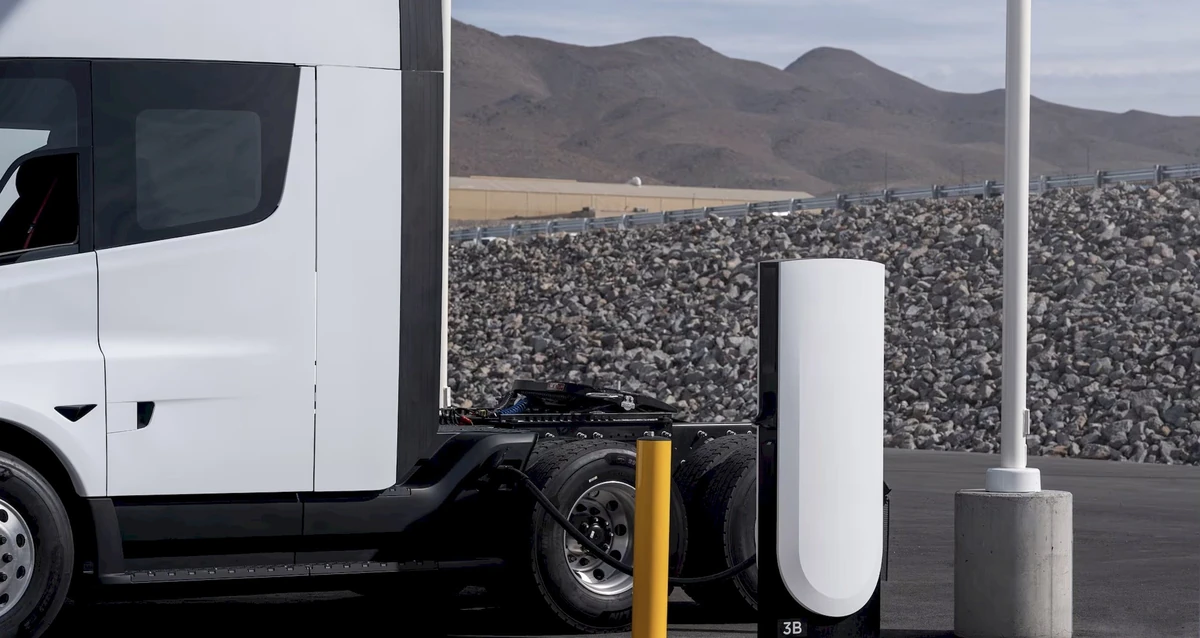
Under the updated Charging for Business initiative, Tesla now offers two distinct systems. The first is the 1.2-MWh Megacharger, visually similar to the V4 Superchargers used for passenger EVs. The second is the new Basecharger, designed specifically for overnight depot charging. It shares the same overall design language but delivers up to 125 kW through an MCS connector.
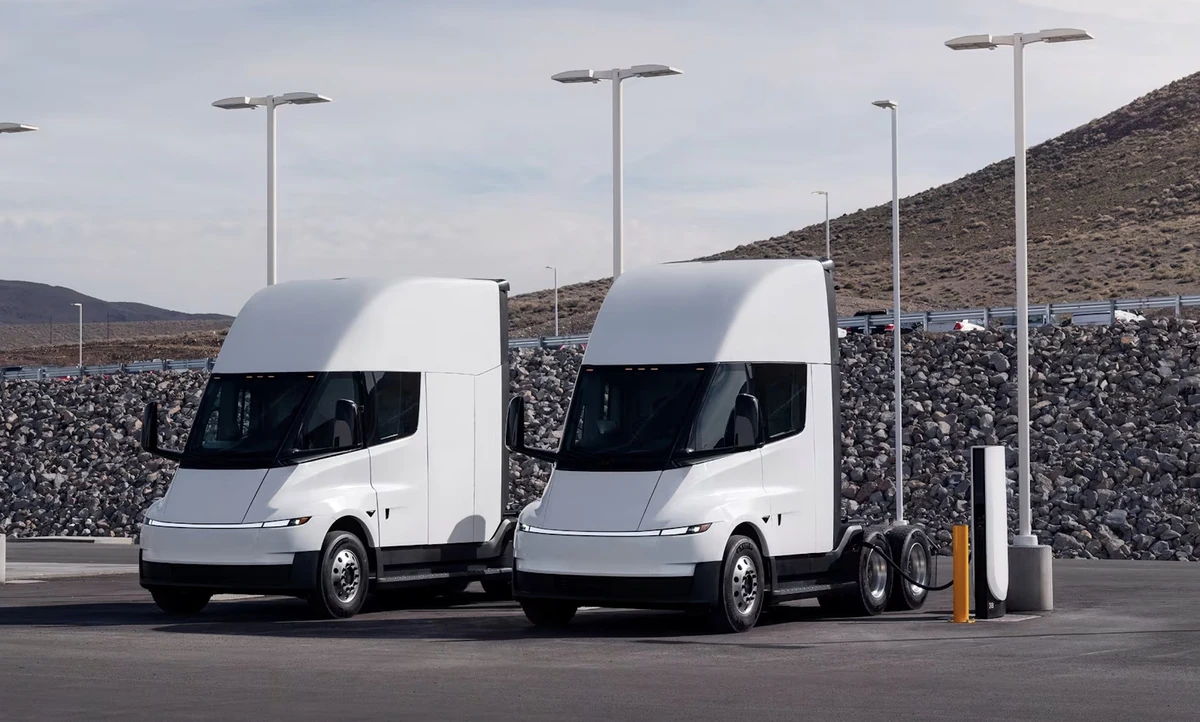
At first glance, that power level might seem low for the Semi’s massive 900-kWh battery pack. But for overnight use, it’s more than sufficient. Tesla estimates that a Basecharger can restore up to 60% of range in roughly four hours, compared to about 30 minutes on a Megacharger.
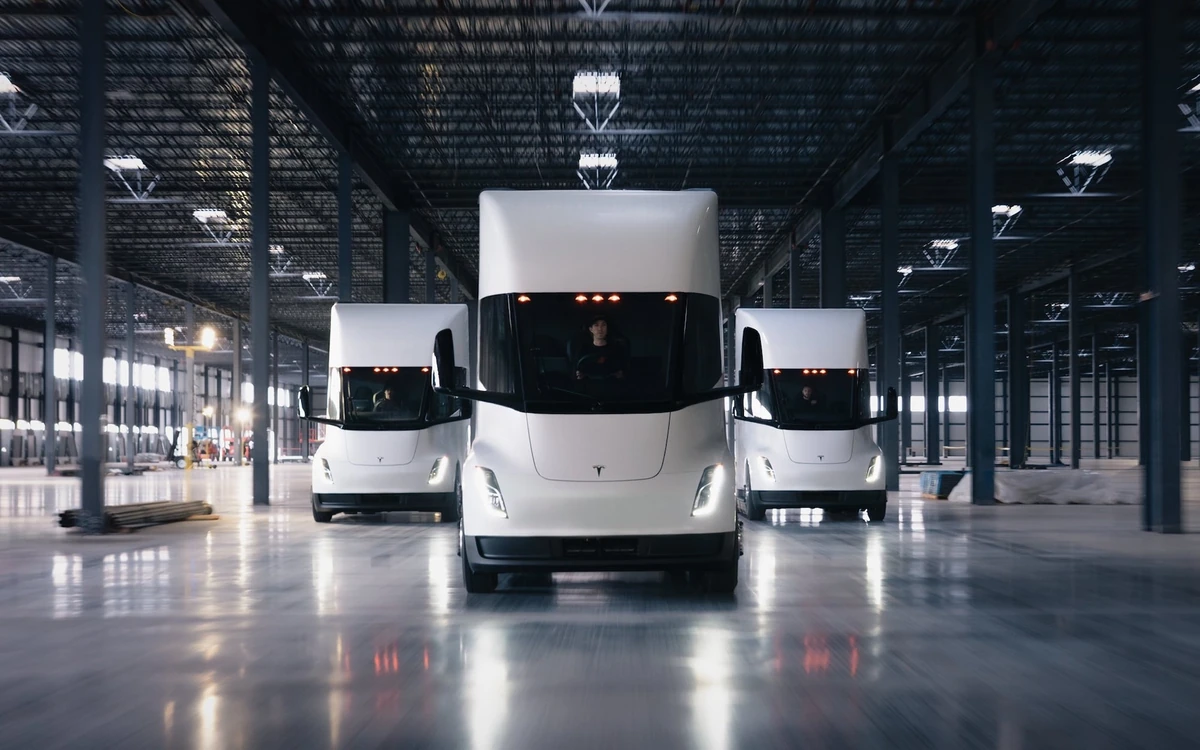
The idea is simple: speed isn’t critical overnight. Instead, operators can install more Basechargers to keep fleets ready by morning. Megachargers, meanwhile, are better suited for quick top-ups during the day without disrupting operations.
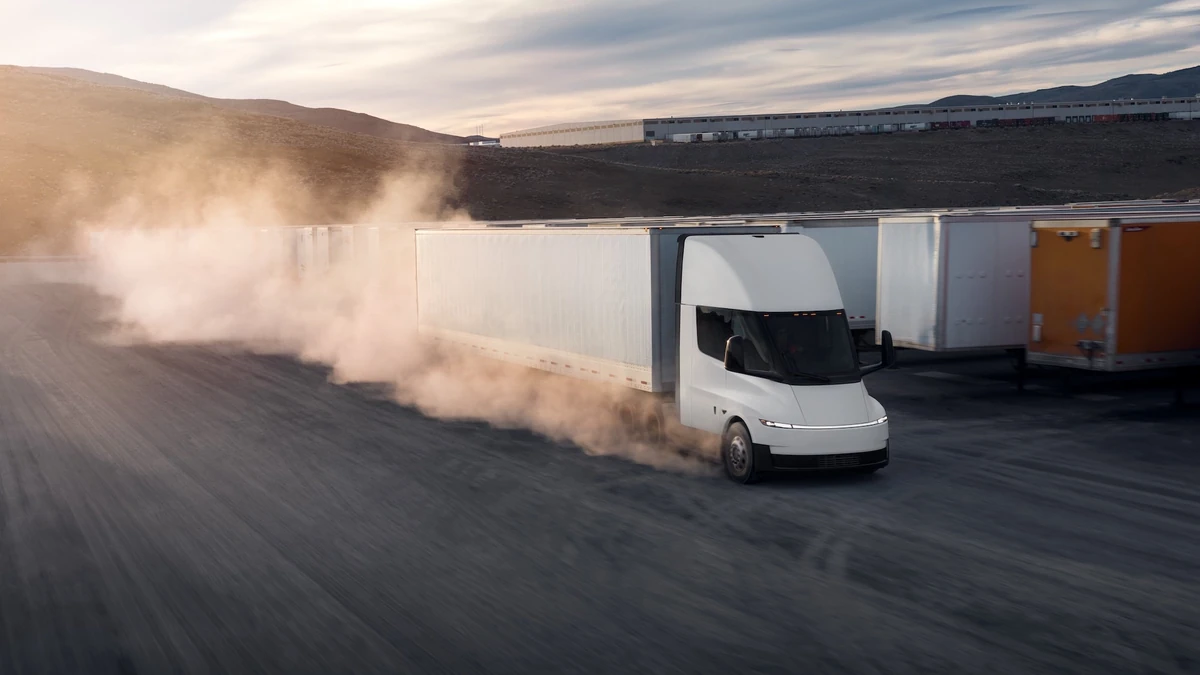
Although they look nearly identical, the two systems are fundamentally different. The Basecharger includes an integrated AC-to-DC converter, eliminating the need for external power cabinets. That simplifies installation, though it makes the unit slightly bulkier despite its lower output.
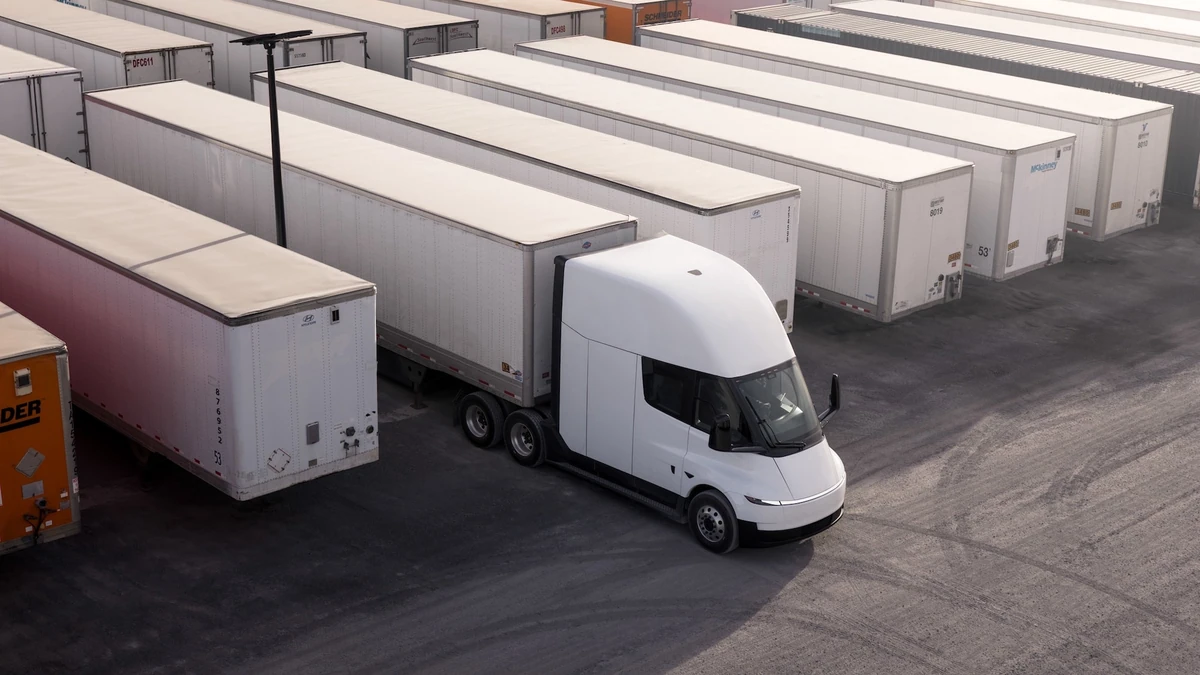
Tesla says up to three Basechargers can be daisy-chained on a single breaker, helping cut installation costs. Each unit uses a 6-meter cable, giving drivers more flexibility during charging.
Thanks to its simpler design and lower output, the Basecharger is significantly cheaper. Tesla prices a two-unit setup at around $40,000, while a single Megacharger cabinet with two dispensers costs roughly $188,000. For now, only Megachargers are available, with Basechargers expected to roll out next year.
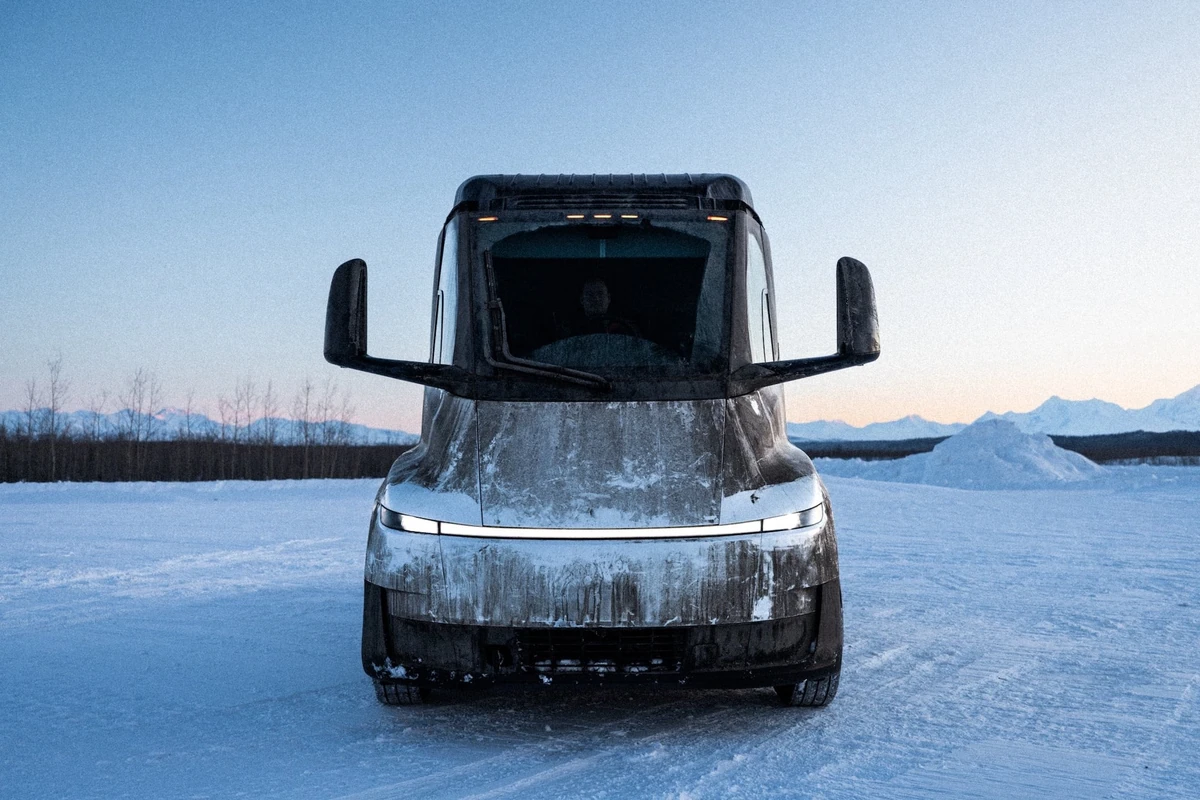
Tesla is also offering Megachargers as a turnkey solution for partners who want to run charging hubs commercially. The company charges about $0.08 per kWh delivered, plus hardware costs. That’s even lower than the $0.10 per kWh rate under its Supercharger for Business program.
The pricing strategy suggests Tesla is moving quickly to build out a full Semi charging network. Competition is heating up too, with companies like Kempower already deploying 1.2-MWh MCS systems for heavy-duty fleets in California. More players are expected to join soon. Tesla has already announced plans for 66 Megacharger sites, with expansion also planned along major truck stop corridors.
One more thing worth noting—installation efficiency is a big part of the Basecharger strategy. By keeping costs low and setup simple, Tesla hopes to scale infrastructure faster than competitors, even if it means slower charging speeds overnight.
You may also be interested in the news:
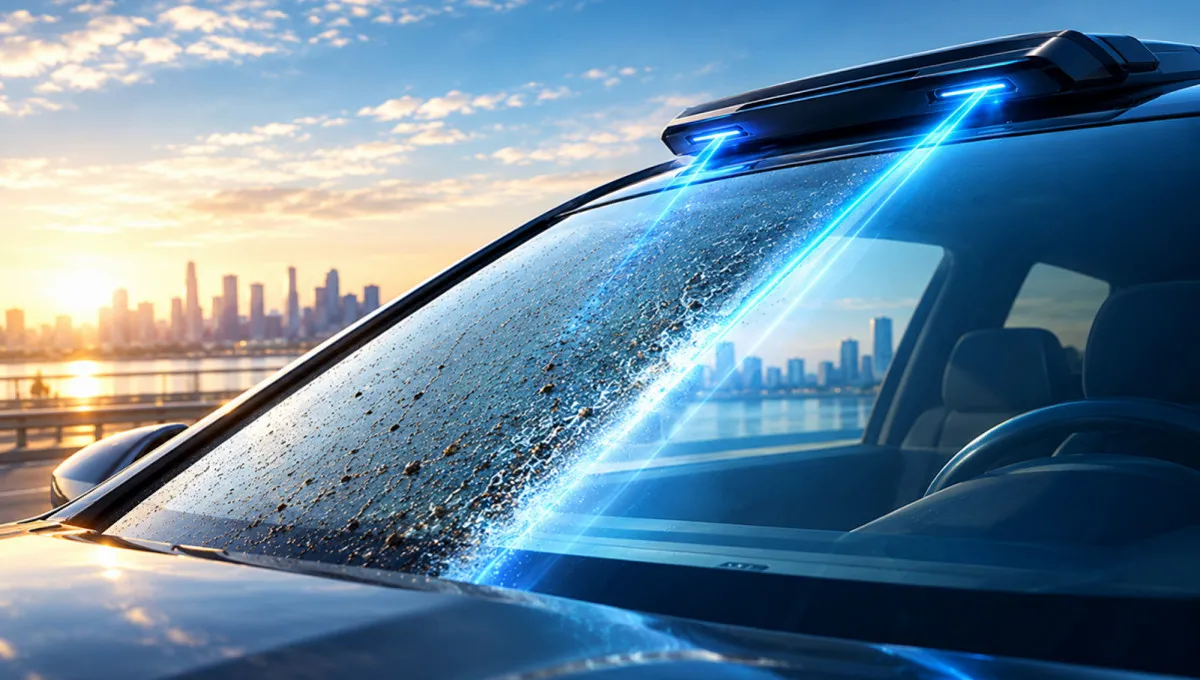
Tesla Patents Laser Windshield Wipers Again in 2026
Tesla is once again pursuing laser windshield cleaning, but the technology raises serious questions about cost, reliability and safety.
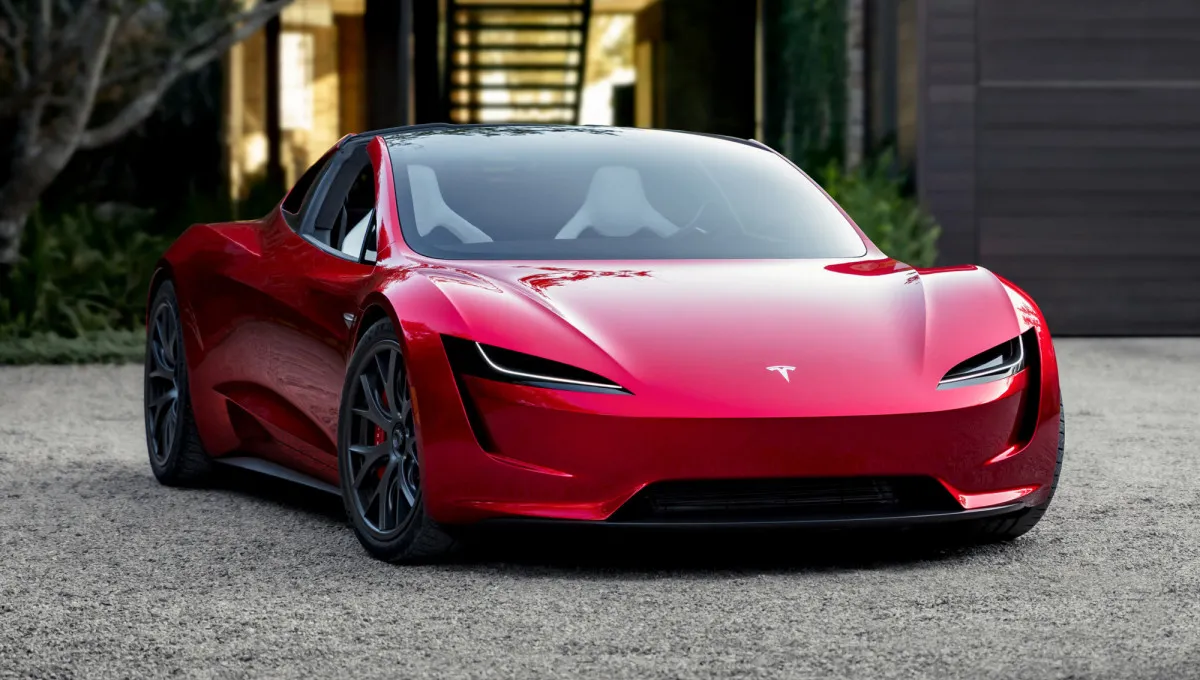
Tesla Will Unveil the Roadster on October 2. Teaser Hints at SpaceX Thrusters
Tesla has officially confirmed that the long-awaited second-generation 2026 Roadster will finally be unveiled on October 2.
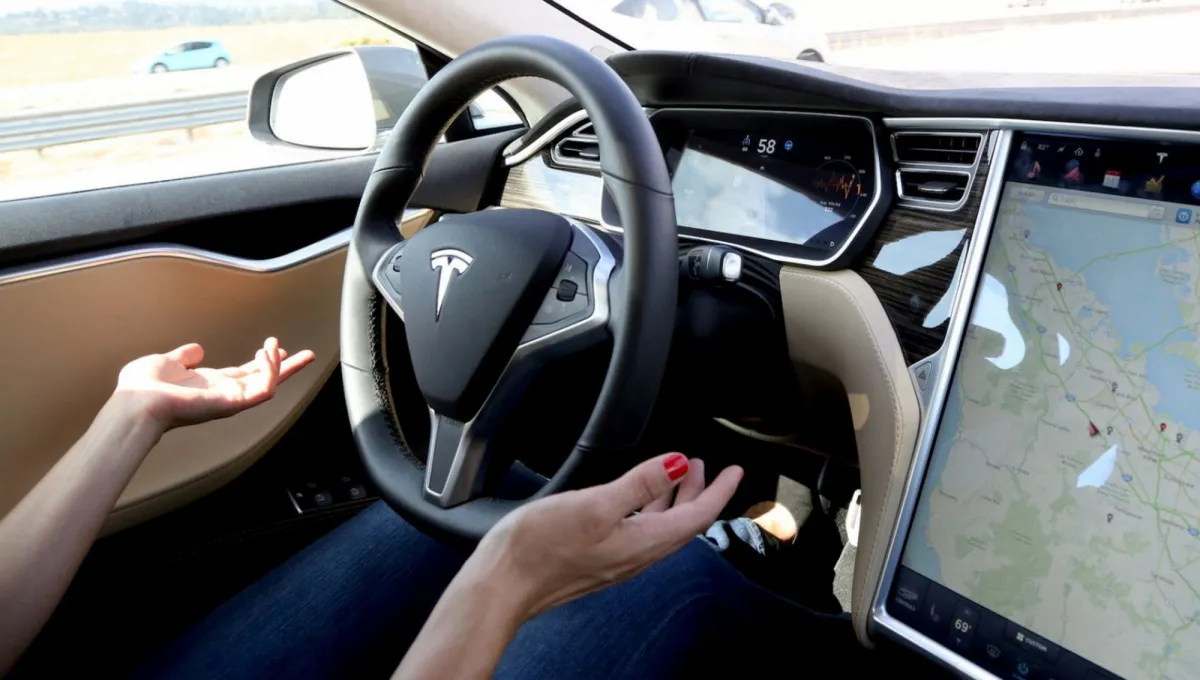
She Thought Her Tesla Was Acting Strange. ‘I’m in Your Car’: Man Used a Tesla App to Harass His Ex
A man remotely controlled his ex-partner’s Tesla, changed its settings, and restricted how fast she could drive.
Elon Musk’s 2025 Tesla Pay Could Buy Nearly 10% of Bitcoin’s Maximum Supply
Elon Musk’s 2025 Tesla compensation could have bought nearly 10% of Bitcoin’s maximum supply at May’s price.
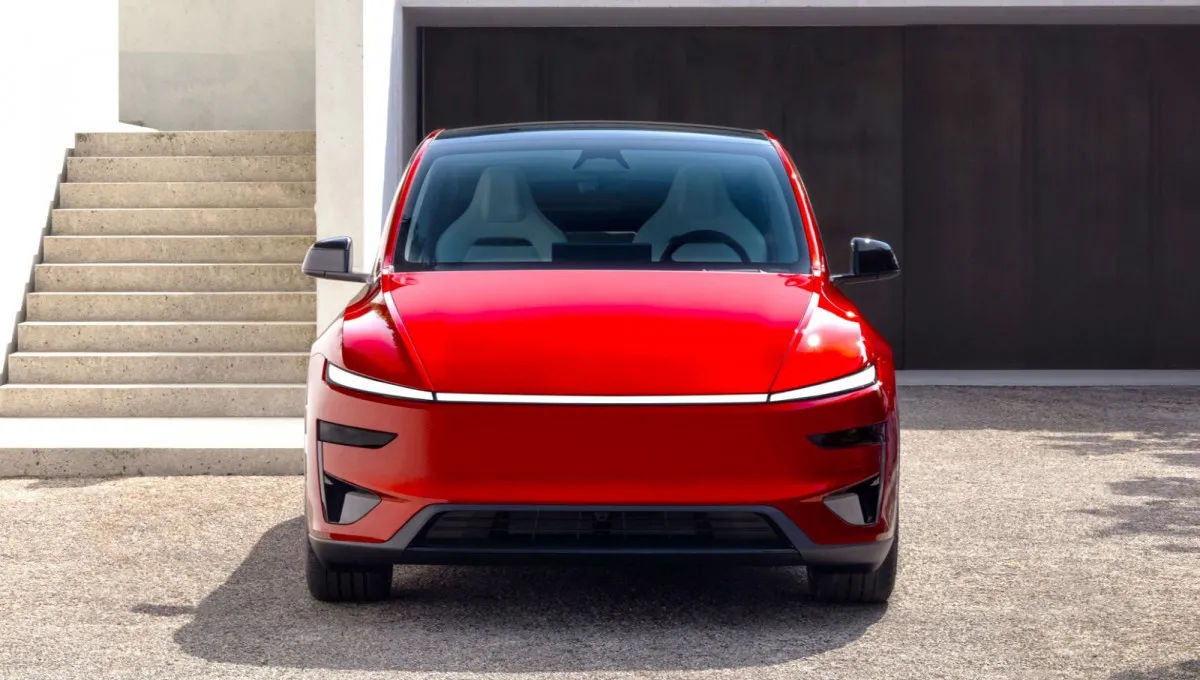
Tesla Recalls 2026 Model Y Over Front Suspension Fasteners That Could Affect Steering
Tesla has recalled select 2026 Model Y vehicles after front suspension fasteners were found improperly tightened during assembly.