
Mercedes-Benz Is Selling Its Dealerships: Thousands of Employees Could Lose Job Security
Mercedes-Benz is moving to sell its dealerships in Berlin, putting more than 1,100 jobs at risk.

Mercedes-Benz has unexpectedly decided to part ways with its company-owned dealerships in the German capital, raising concerns among employees and industry analysts alike. More than 1,100 workers could soon face uncertain job prospects, while customers may see changes in sales and service operations. The move is also fueling speculation that other automakers could follow a similar path.
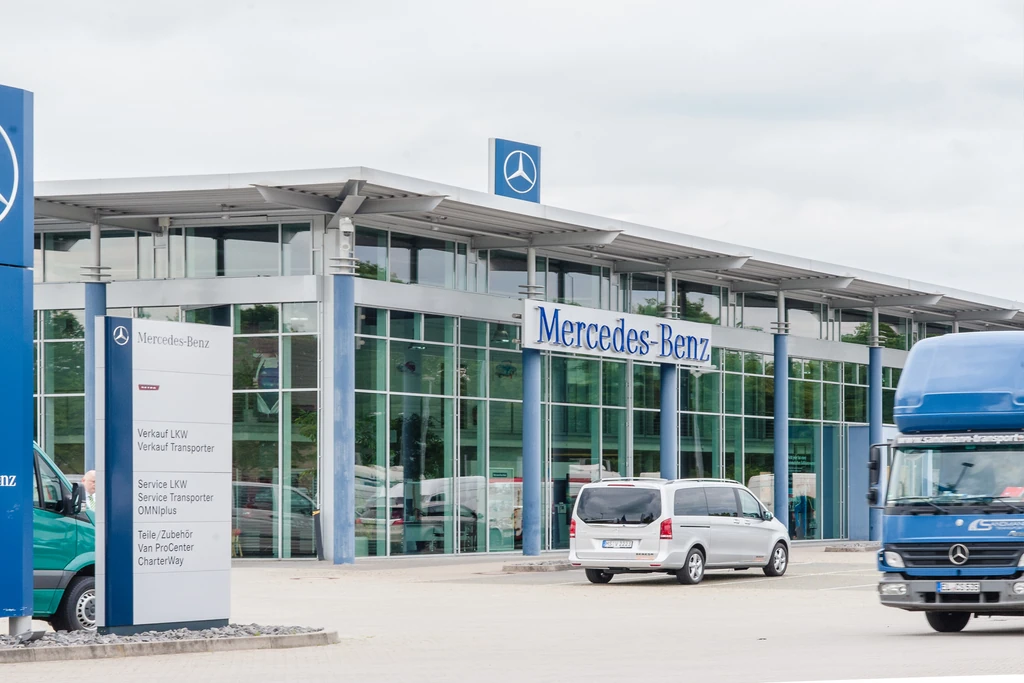
The sale of seven Mercedes-Benz dealerships in Berlin is being viewed as another sign of growing pressure across the European auto market. Beyond a routine business restructuring, the decision could eventually affect service availability, dealership competition, and even vehicle pricing trends across Europe.
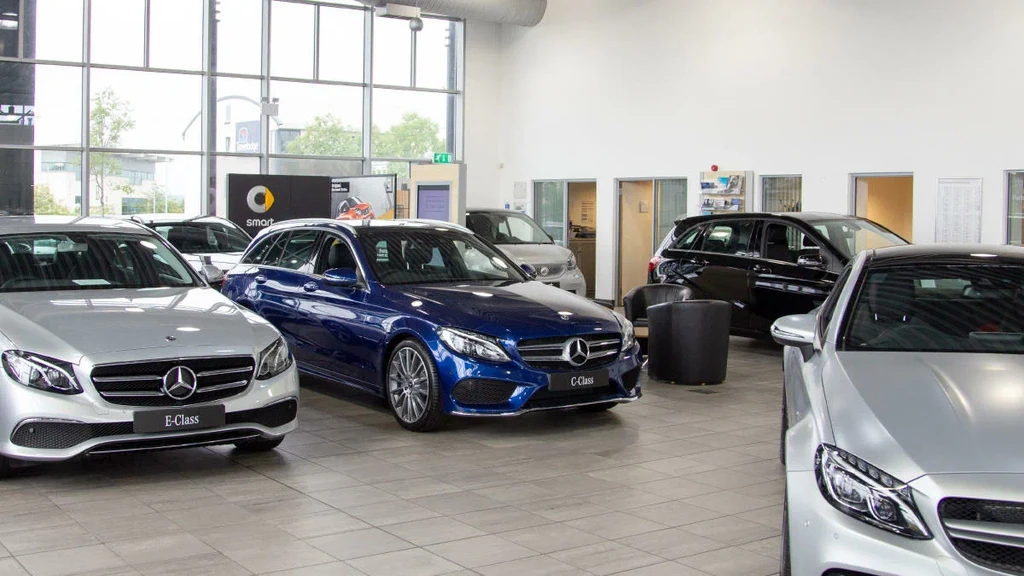
According to Reuters, the German automaker plans to transfer ownership of the Berlin dealerships to Canadian investment group Global Auto Holdings (GAHL). The company already operates Mercedes-Benz retail locations in both the United Kingdom and the United States and is now expanding into Germany. The transaction is expected to close before the end of the year.
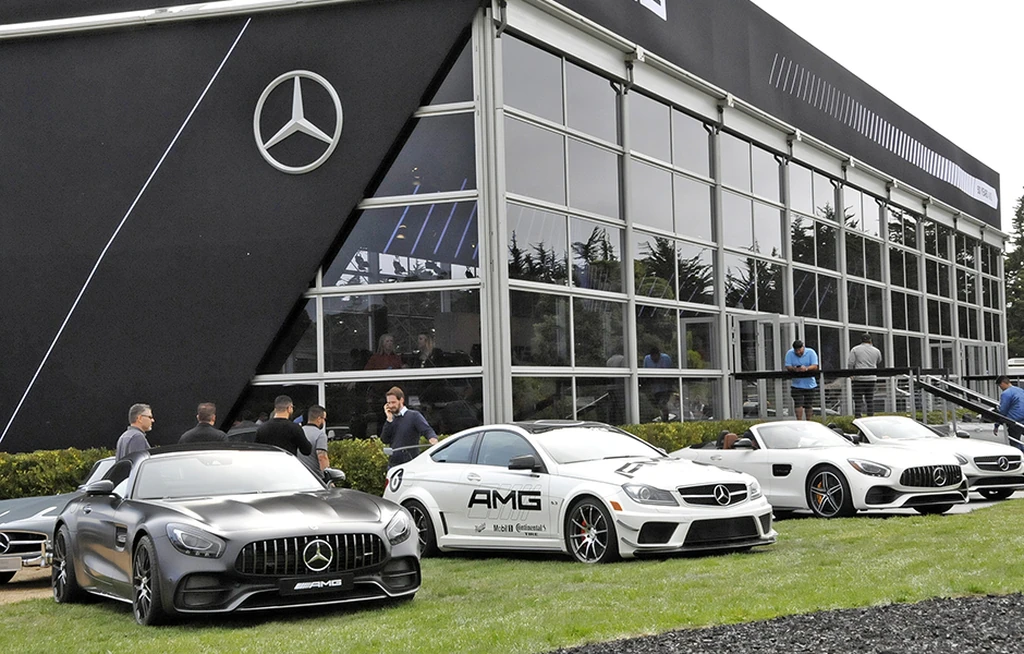
Employees at the affected dealerships have reportedly received emails informing them about the ownership change. Staff members were offered two options: accept a severance package along with several months of pay, or remain employed under the new ownership with job guarantees lasting only one year. For many workers, the announcement came as a shock, especially in Germany’s traditionally stable automotive sector.
The decision comes as Mercedes-Benz faces mounting financial pressure. In the first quarter of 2026, the company’s operating profit fell to approximately $2.1 billion, down 17% from the same period last year. Rising raw material costs linked to instability in the Middle East, higher U.S. import tariffs, and intensifying competition from Chinese automakers have all weighed on earnings.
Industry analysts say the sale could signal a broader shift in Europe’s automotive retail business. While major automakers once prioritized direct control over dealership networks, many are now choosing to hand operations over to outside investors in an effort to reduce costs. That strategy may improve efficiency, but it also creates new risks for employees and customers, including potential declines in service quality and changes in buying conditions.
You may also be interested in the news:
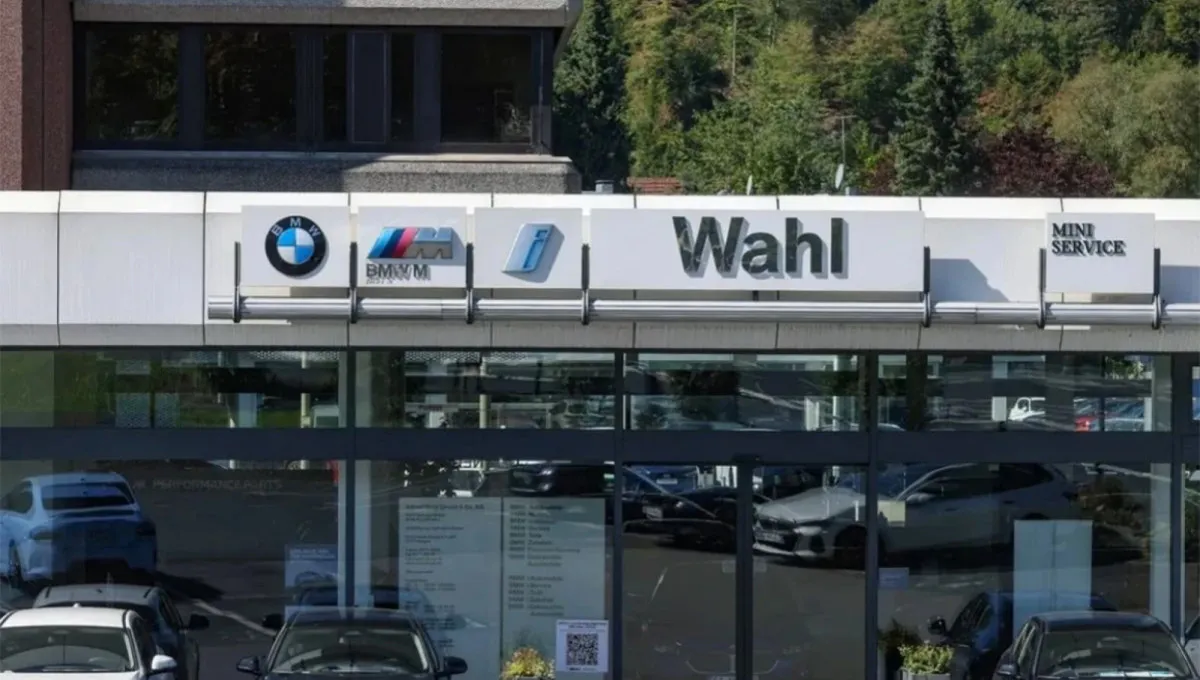
A 100-Year BMW Legacy Is in Trouble as Germany’s Oldest Dealer Files for Insolvency
German dealers accuse Chinese automakers of poor payment practices as an iconic BMW dealer enters insolvency.
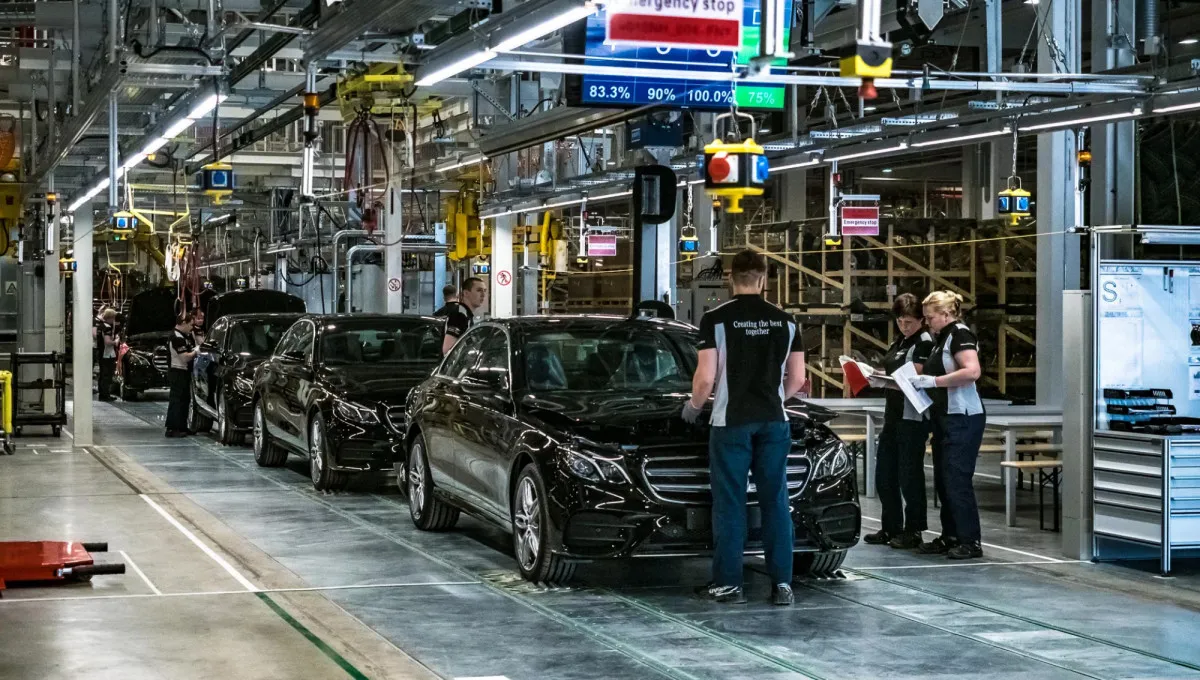
Mercedes-Benz to Close Plants and Cut Wages as Workers Face Layoffs
Mercedes-Benz is preparing to restructure its business, including potential pay cuts, layoffs and even the closure of a factory.

New Mercedes-AMG CLE 646 Outmuscles the BMW M4 With 637 HP and a 3.9-Second 0-60 Run, but You’ll Never Be Able to Buy One
Mercedes-AMG has unveiled a new 646-hp CLE Spezialanfertigung with a twin-turbo V8, extensive carbon-fiber upgrades, and serious track-focused performance.
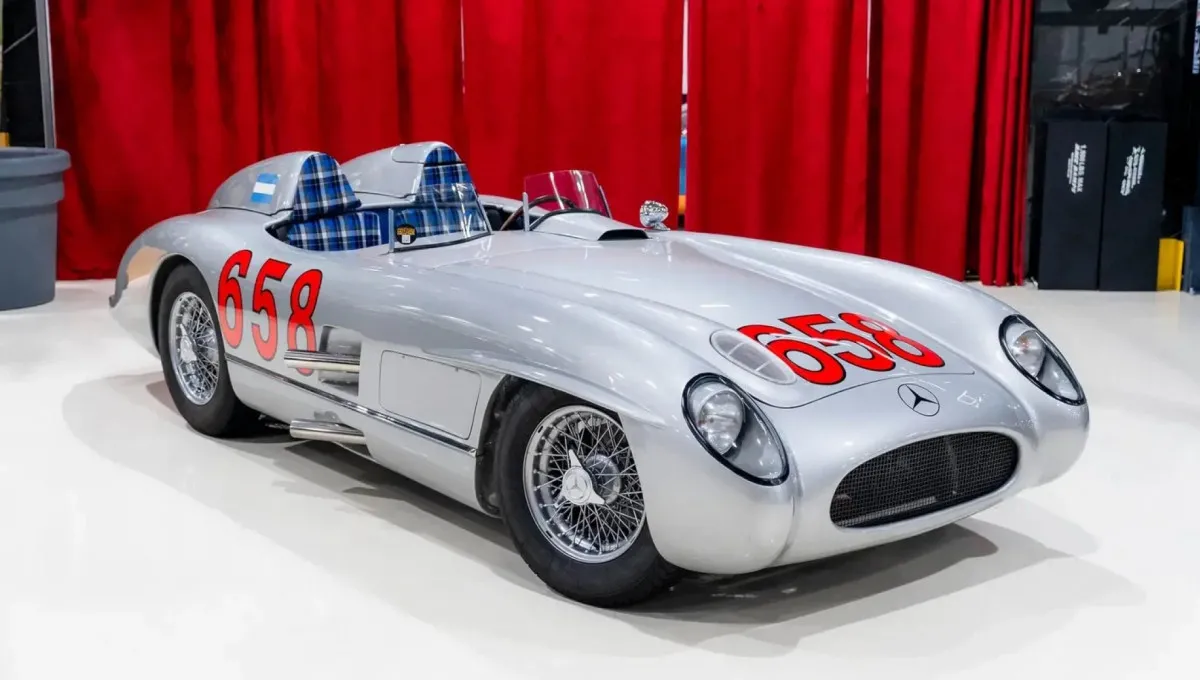
Mercedes-Benz C-Class Transformed Into a Retro Sports Car: Photos
An Argentine shop transformed a Mercedes-Benz C-Class into a replica of the legendary 300 SLR driven by Juan Manuel Fangio.
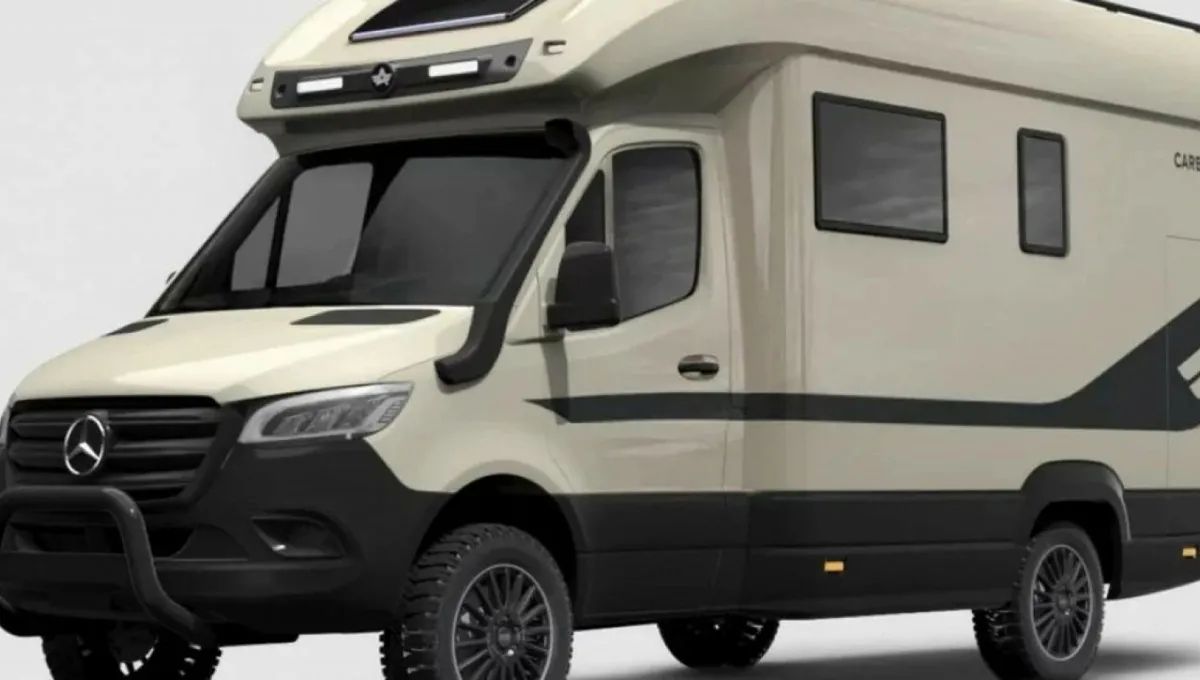
Mercedes-Benz Sprinter Off-Roader Transformed Into a Luxury Motorhome: Atlantis Carbon 4×4 Debuts
Italian company Atlantis has unveiled the new Carbon 4×4 motorhome, featuring a unique construction.