
Tesla Cybercab Specs Revealed as EPA Certification Sheds Light on Upcoming Robotaxi
EPA certification has revealed key specs for Tesla’s upcoming Cybercab, and production-ready models are getting closer.
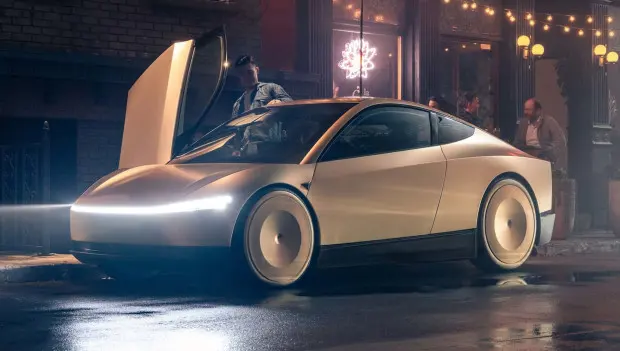
Tesla’s long-promised Cybercab is moving closer to reality. While Elon Musk and Tesla have often faced criticism for optimistic timelines, the company appears to be making steady progress with its dedicated robotaxi. Less than two years after its official debut, pre-production examples began rolling off the assembly line at Gigafactory Texas in February, and now the first production version has received certification from the U.S. Environmental Protection Agency.
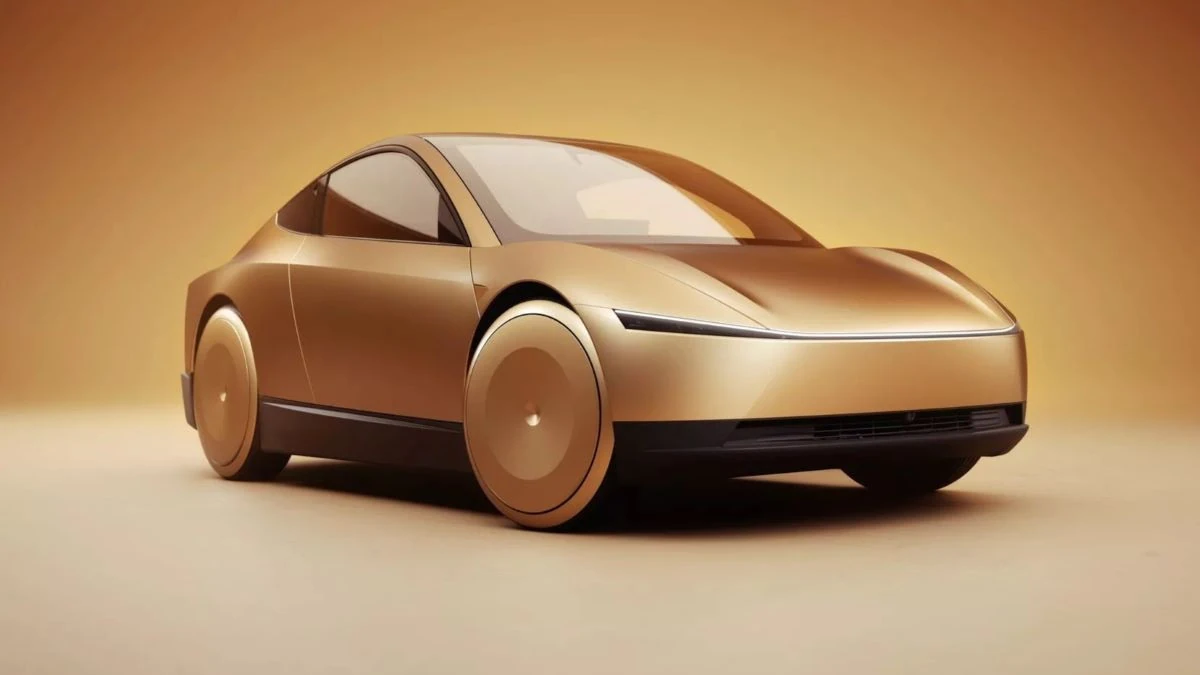
The EPA filing has provided the first detailed look at the Cybercab’s technical specifications. Unlike every other Tesla currently on sale, the compact two-door robotaxi uses a front-wheel-drive layout. Power comes from a single electric motor producing 222 horsepower.
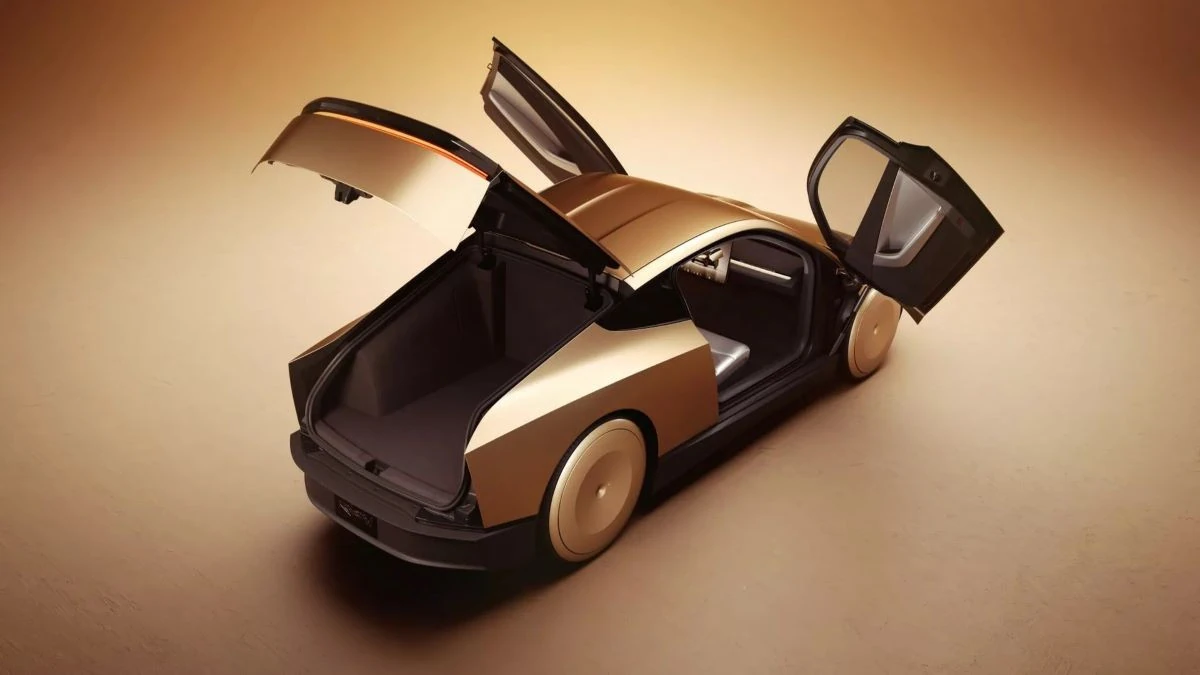
The battery pack is relatively modest by modern EV standards. It operates at 326 volts and has a capacity of 48 kWh. However, the Cybercab’s lightweight construction helps offset the smaller battery. The vehicle tips the scales at just 3,113 pounds, which should contribute to strong efficiency and respectable driving range.
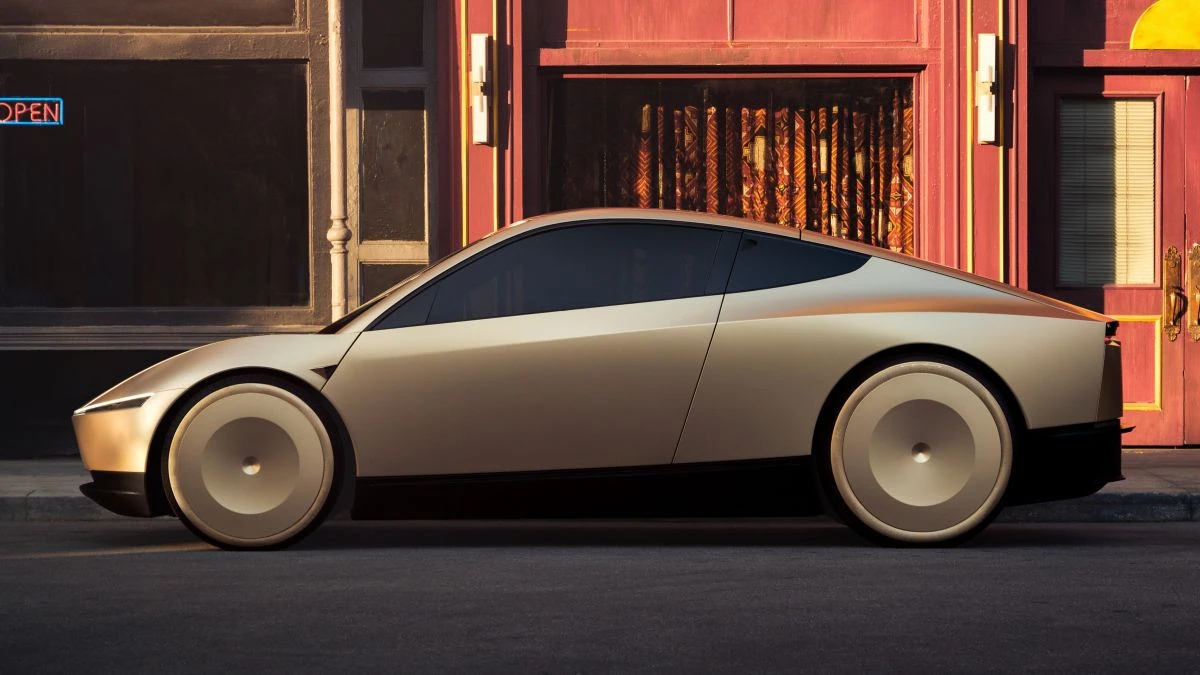
According to EPA certification data, the Cybercab can travel up to 375 miles in highway driving and as much as 418 miles in the agency’s combined test cycle. Those figures come from laboratory testing, so real-world results could vary. Tesla itself has been targeting approximately 300 miles of mixed driving range under normal conditions, and the EPA data suggests that goal is achievable.
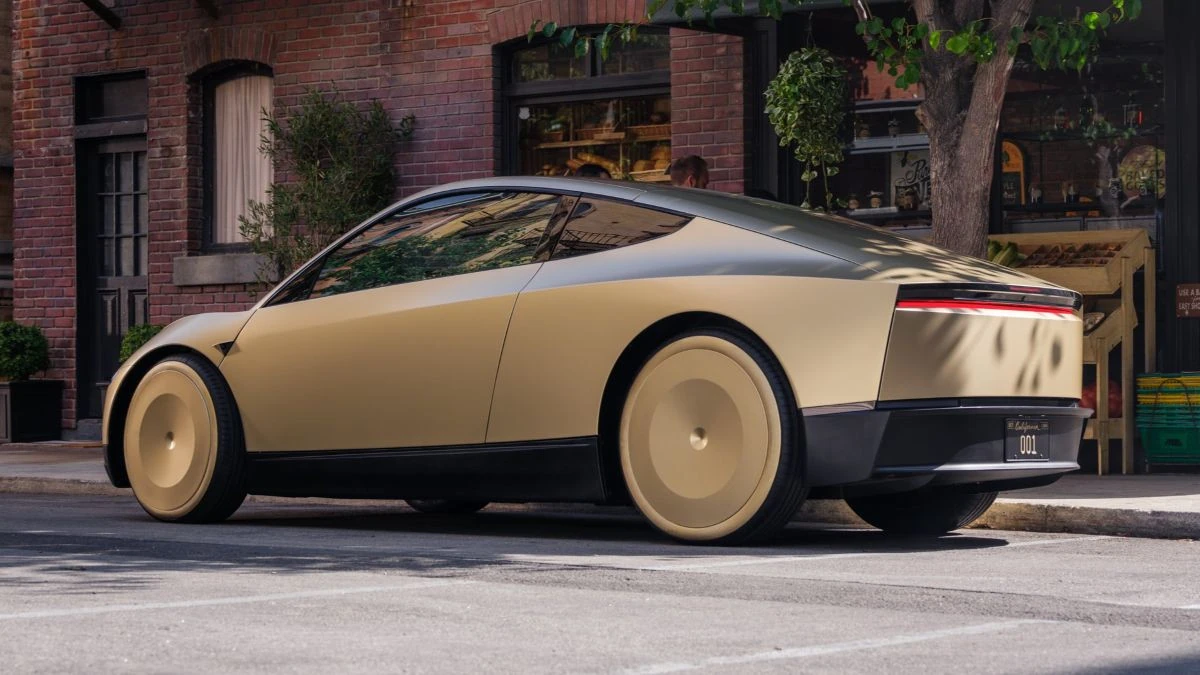
Efficiency appears to be one of the Cybercab’s biggest strengths. The vehicle reportedly consumes just 165 Wh per mile, making it one of the most energy-efficient production EVs ever certified in the United States.
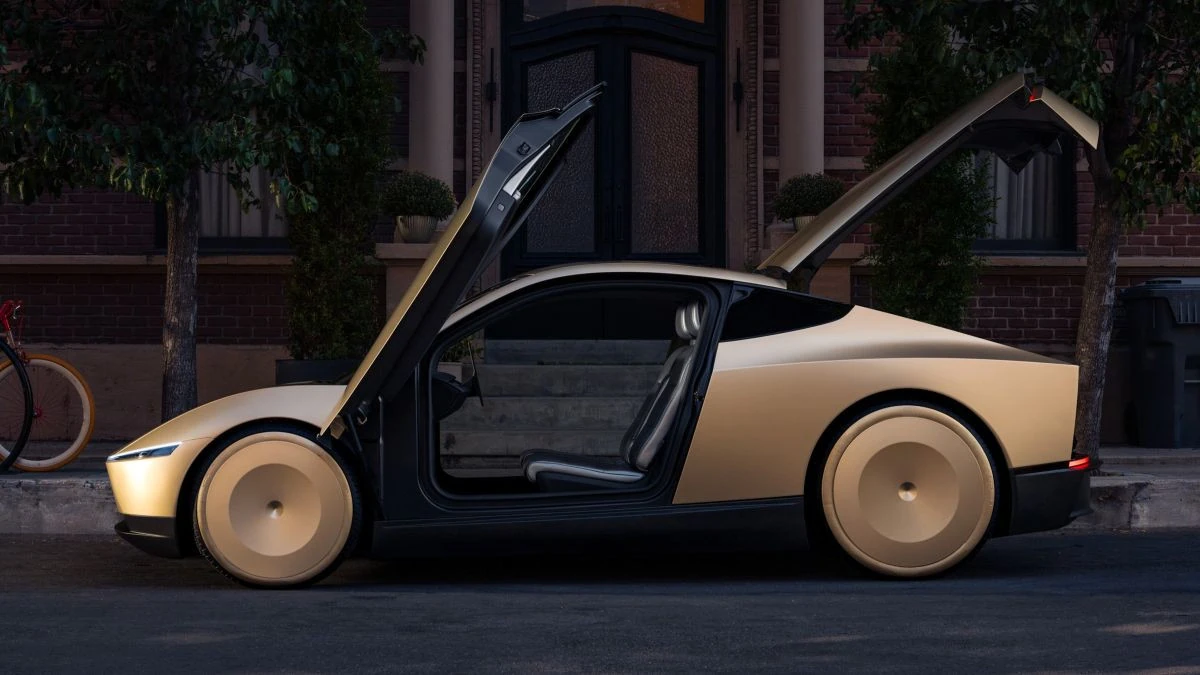
Those numbers may not sound particularly impressive to private buyers accustomed to increasingly powerful electric vehicles with massive battery packs. But the Cybercab was never designed to compete with luxury EVs. Instead, its mission is commercial transportation.
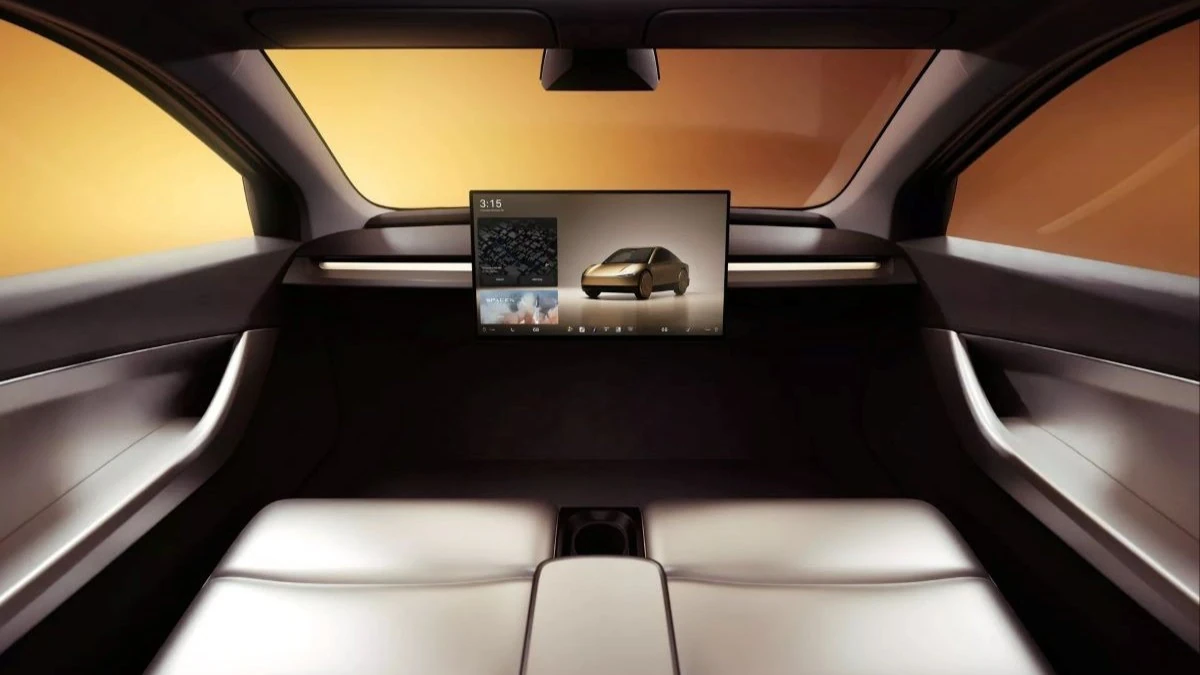
Its streamlined shape, low curb weight, and compact dimensions make it well suited for the short trips typical of urban ride-hailing services. The smaller battery should also allow for quicker charging sessions, helping maximize uptime for fleet operators. Lower manufacturing costs are expected to play a major role as well, with Tesla previously saying it aims to keep the starting price below $30,000.
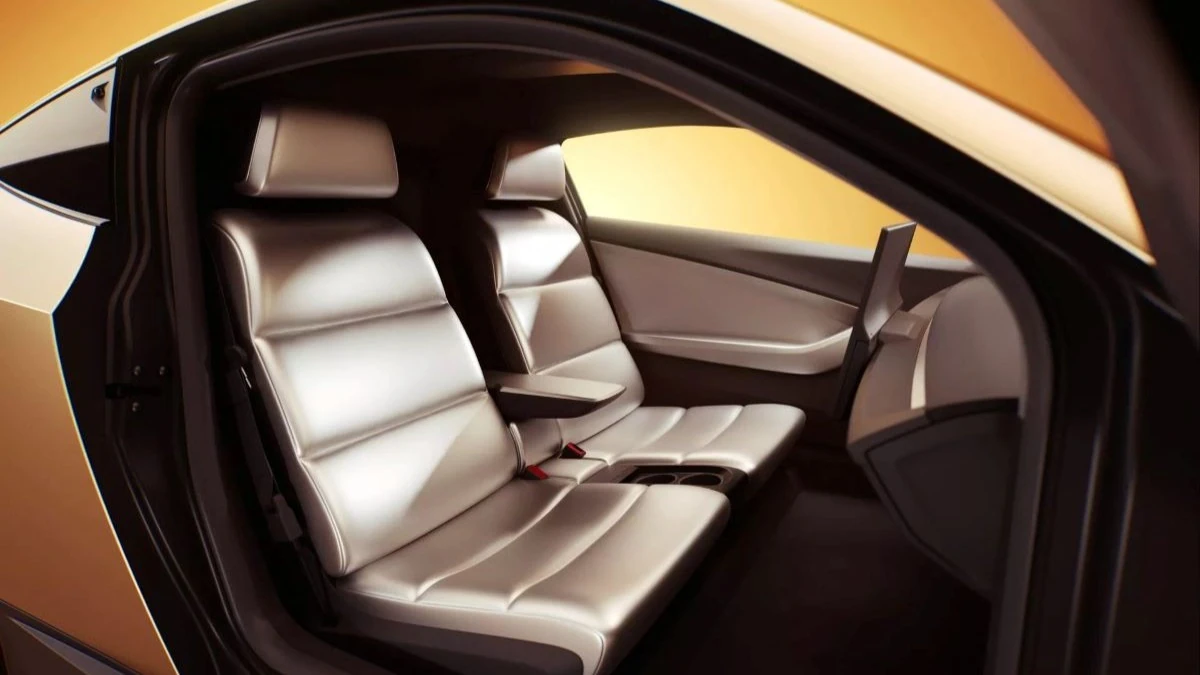
Elon Musk has repeatedly stated that production robotaxis will arrive before 2027. Given the progress already made and the latest EPA certification, that timeline now appears more realistic than some of Tesla’s past promises.
You may also be interested in the news:
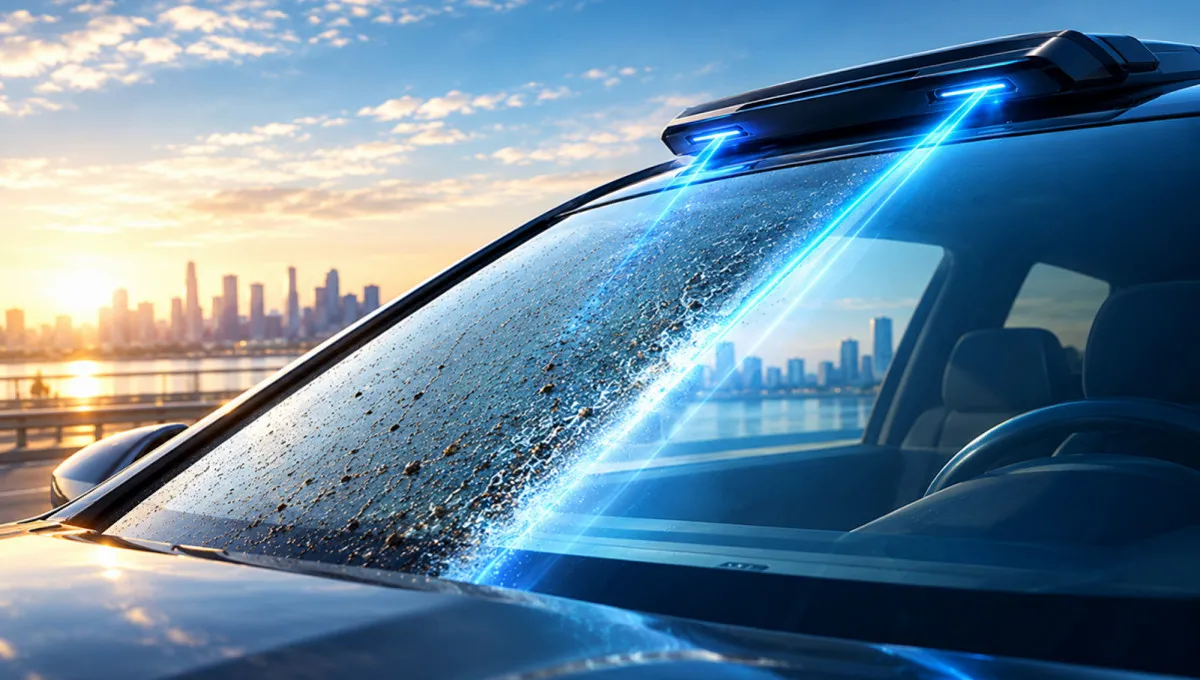
Tesla Patents Laser Windshield Wipers Again in 2026
Tesla is once again pursuing laser windshield cleaning, but the technology raises serious questions about cost, reliability and safety.
Hyundai Delays Nvidia-Based Automated Driving System
Hyundai Motor Group has pushed back the rollout of its own driver-assistance system to the end of 2029.
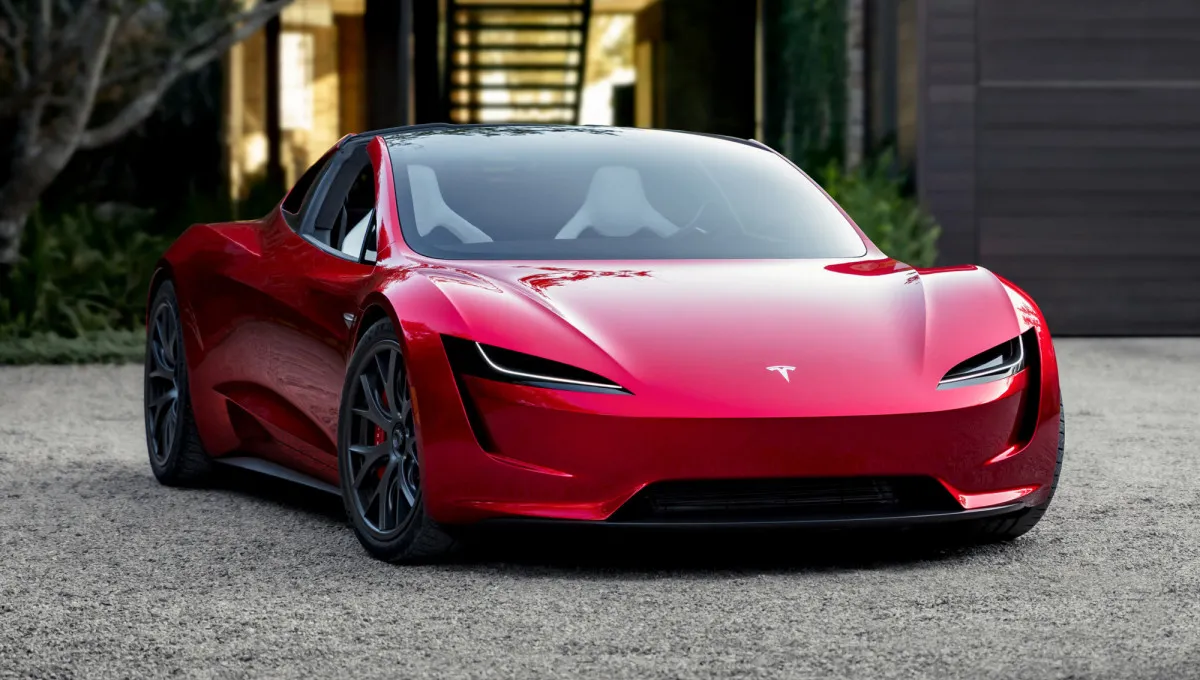
Tesla Will Unveil the Roadster on October 2. Teaser Hints at SpaceX Thrusters
Tesla has officially confirmed that the long-awaited second-generation 2026 Roadster will finally be unveiled on October 2.
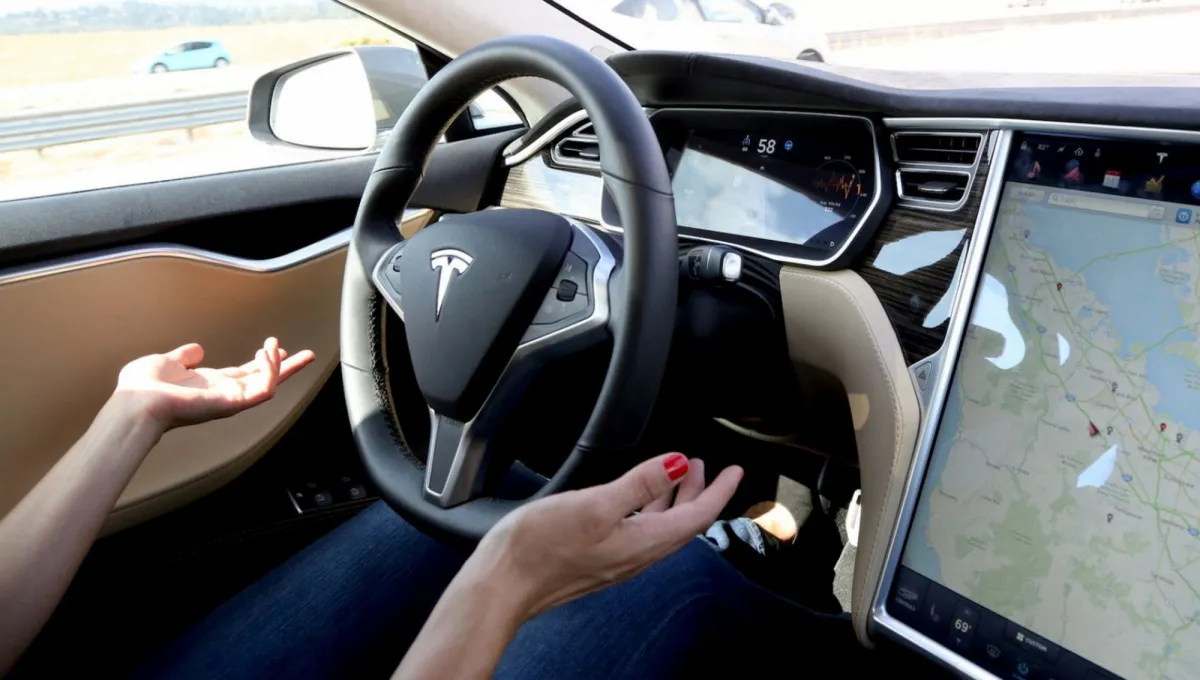
She Thought Her Tesla Was Acting Strange. ‘I’m in Your Car’: Man Used a Tesla App to Harass His Ex
A man remotely controlled his ex-partner’s Tesla, changed its settings, and restricted how fast she could drive.

Elon Musk’s 2025 Tesla Pay Could Buy Nearly 10% of Bitcoin’s Maximum Supply
Elon Musk’s 2025 Tesla compensation could have bought nearly 10% of Bitcoin’s maximum supply at May’s price.