
Why Are Automakers Really Shrinking Engines to 1.5 Liters?
Why is the auto industry shrinking engine sizes so aggressively?
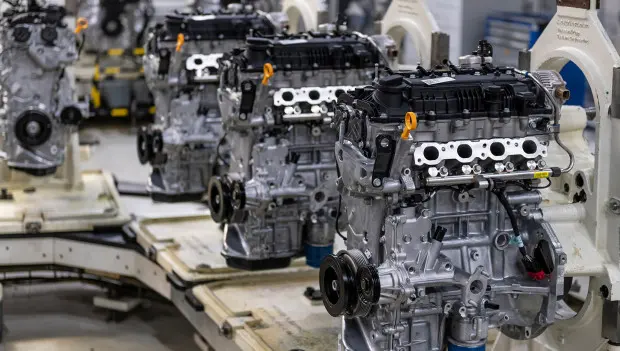
Millions of American drivers have noticed a major shift in the auto industry: automakers are increasingly turning to smaller-displacement engines. The trend certainly didn't begin yesterday, but in recent years it has expanded dramatically. So who—or what—is really behind the shrinking of engines, from their physical size to their expected lifespan? And why hasn't the same trend brought down the price of new cars?
1. It Started With Good Intentions
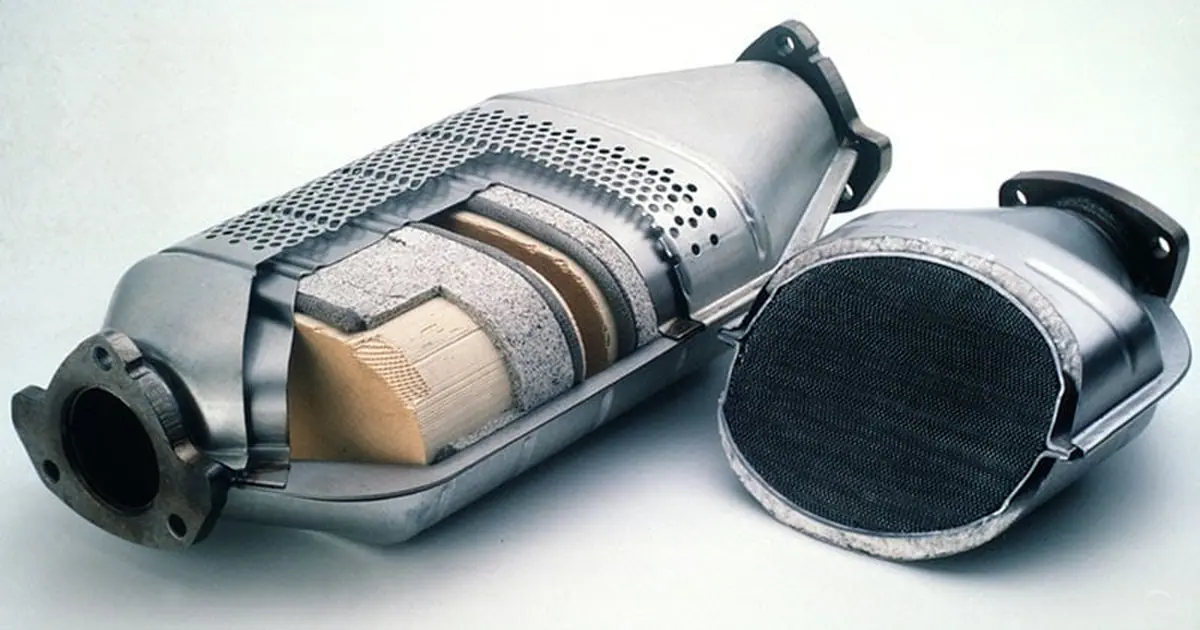
Let's start with a factor that may not be the biggest reason for smaller engines, but is probably the most misunderstood: emissions regulations.
Environmental standards are not simply a bureaucratic invention. In the 1970s, vehicle ownership in many major cities was approaching levels that would look familiar today. At the same time, carbureted cars produced far more harmful emissions than modern vehicles. By the early 1980s, cities such as Los Angeles, Mexico City and Tokyo were dealing with severe smog and rising rates of respiratory illness.
This wasn't an abstract environmental problem. In some metropolitan areas, the air was literally becoming difficult to breathe.
That pressure eventually led to much tougher emissions regulations. In Europe, the first Euro 1 standard took effect in 1992, helping phase out leaded gasoline and requiring catalytic converters and other emissions-control technology. For a time, these measures produced clear environmental benefits.
But over the years, emissions regulation also became intertwined with industrial policy and competition between automakers and markets. Environmental requirements can affect which technologies are economically viable, how manufacturers design vehicles and how easily companies can compete in different markets.
In other words, what began as a legitimate effort to clean up the air eventually became part of a much larger economic and regulatory system surrounding the global auto industry.
2. A Good Plan—As Reliable as a Swiss Watch
The second major reason for shrinking engines is purely economic: downsizing.
Some of the momentum behind downsizing was certainly connected to increasingly strict emissions and fuel-economy requirements. But it would be a mistake to assume automakers were simply being forced into the strategy by regulators. There are plenty of financial incentives for manufacturers to build smaller engines, too.
Engine downsizing isn't only about reducing emissions. It's also about reducing manufacturing costs.
A smaller displacement generally means a smaller and lighter powertrain. That can reduce the amount of raw material required to build an engine. Automakers can also make greater use of lightweight materials such as aluminum, while advances in manufacturing can reduce the energy and resources needed to produce the finished component.
And saving money on raw materials is only the first layer of the economic benefit.
The development of modern turbocharging made downsizing even more attractive. A turbocharger can compensate for much of the power lost when displacement is reduced, allowing automakers to get substantial performance from relatively small engines.
That's where things get particularly interesting.
Take a 1.5-liter turbocharged engine platform and modify its hardware, software, turbocharger, cooling system and other components, and the same basic architecture can serve multiple vehicle segments.
One version can power a sedan. Another can go into a compact crossover. A more heavily modified version can serve a small pickup or another utility vehicle.
The vehicles may be completely different, while their underlying engines share a significant amount of common technology.
That kind of standardization can save automakers enormous amounts of money. Engineers at BMW, for example, have discussed the substantial cost advantages that can come from common engine architectures. And the savings don't stop when the engine leaves the factory.
A more standardized powertrain can also simplify parts inventories, manufacturing processes, technician training and long-term servicing.
That's the second layer of the economic advantage—and it's still not the last.
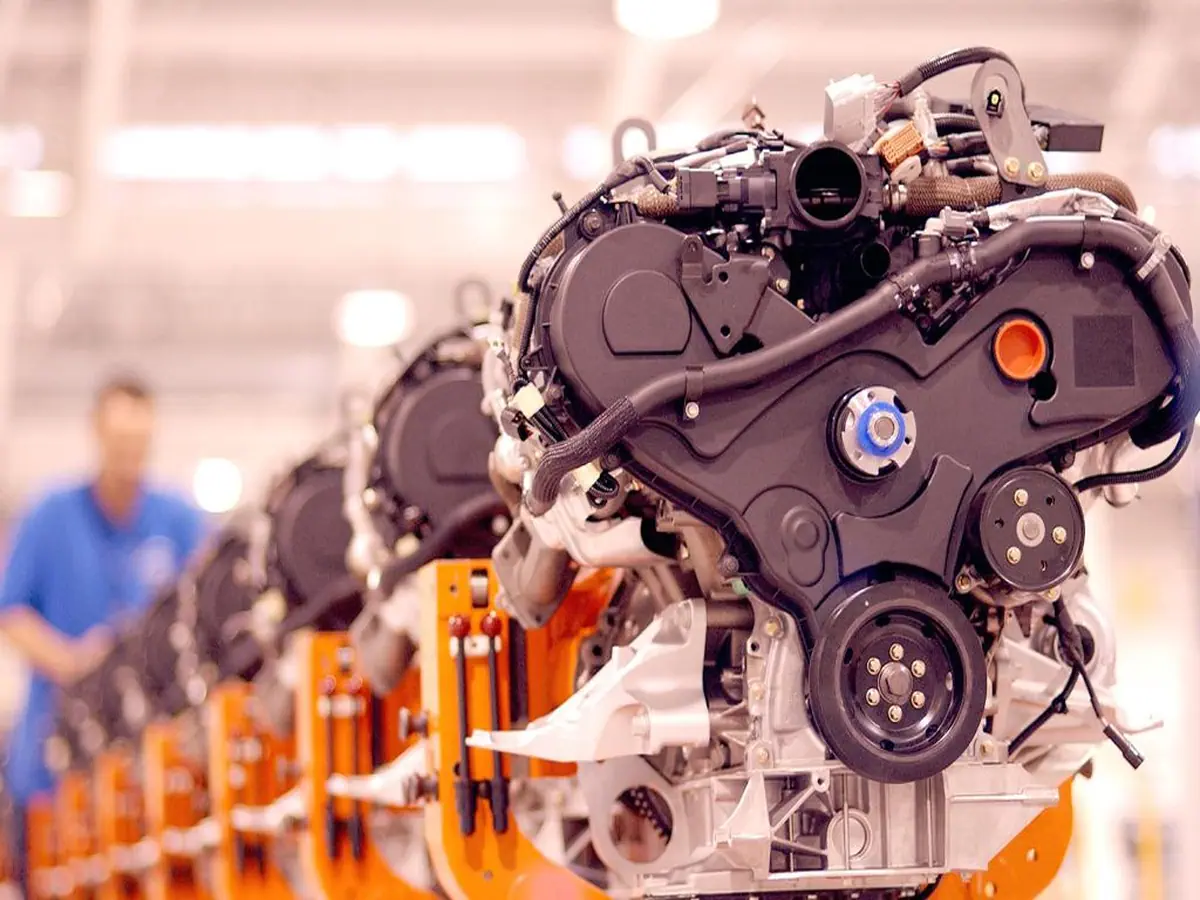
The third layer includes a whole range of business considerations. Smaller, more efficient engines can be incorporated into an automaker's environmental marketing strategy. Meeting emissions and fuel-economy requirements can also make it easier for manufacturers to enter or remain competitive in tightly regulated markets.
There are potential savings in recycling and end-of-life processing, too. And when automakers reuse the same basic engine architecture across multiple models, they can spread research and development costs over a much larger number of vehicles.
In simple terms, one engine family can do the work that once required several completely different engines.
3. So Why Are New Cars Still Getting More Expensive?
This is where a reasonable question comes up: If automakers can build smaller engines more cheaply, why aren't new cars getting cheaper?
The answer is that lower production costs do not automatically translate into lower retail prices.
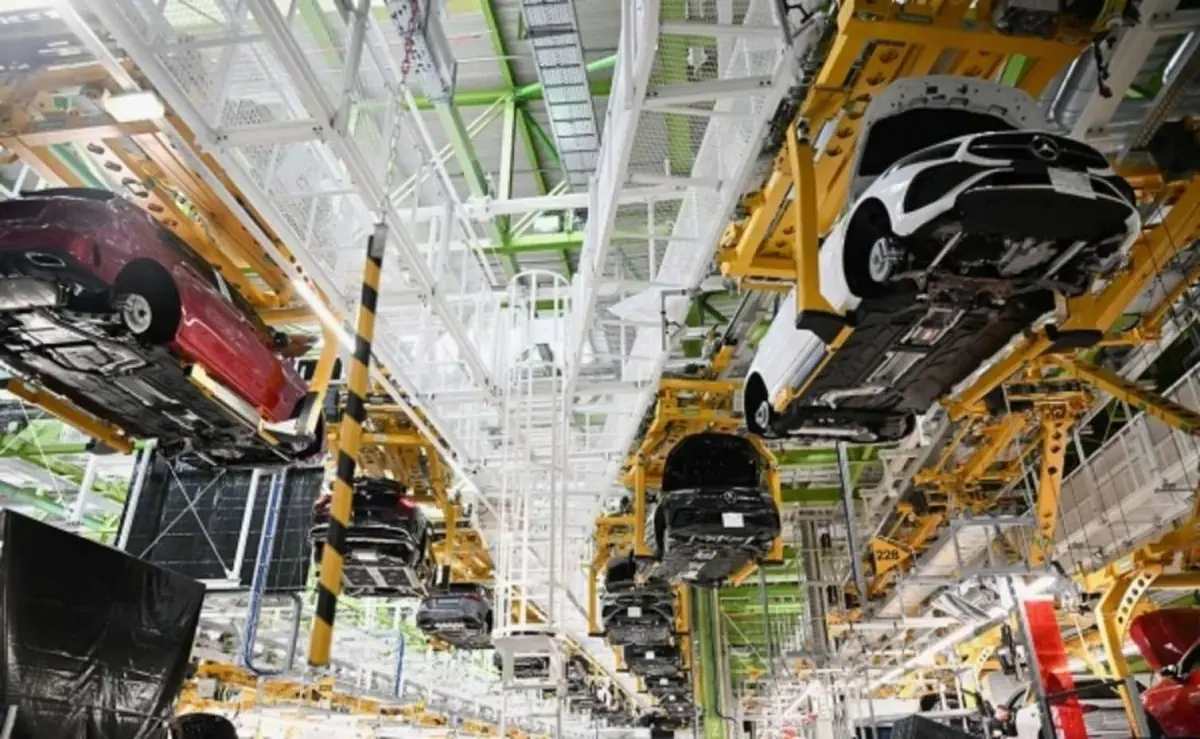
When automakers began embracing downsizing, the primary objective wasn't to make cars cheaper for consumers. It was to make the business of building cars more efficient and profitable while meeting increasingly demanding regulatory requirements.
That distinction matters.
Under certain market conditions, manufacturers absolutely can compete by cutting prices. But when an industry is dominated by large established companies, reduced production costs can just as easily improve margins rather than reduce the sticker price.
And engine downsizing is only one piece of the pricing puzzle.
New-car prices are also affected by taxes, tariffs, trade restrictions, supply-chain costs, raw-material prices, labor, transportation, dealer expenses and the growing technical complexity of modern vehicles.
A modern car may have a smaller engine than its predecessor, but it can also have more sensors, computers, driver-assistance systems, emissions equipment, safety technology, sophisticated transmissions and increasingly complex electronics.
So the smaller engine doesn't necessarily mean a simpler or cheaper vehicle.
Ultimately, the auto industry builds vehicles as commercial products. Automakers have to balance regulatory requirements, engineering costs, manufacturing expenses and consumer demand against the need to generate a return on investment.
That's why a 1.5-liter engine can become cheaper and easier to manufacture while the vehicle around it continues to become more expensive.
The shrinking engine isn't necessarily a contradiction. From the automaker's perspective, it can be part of the same strategy: use fewer resources, standardize more components, meet regulatory requirements and extract as much value as possible from each underlying vehicle platform.
You may also be interested in the news:
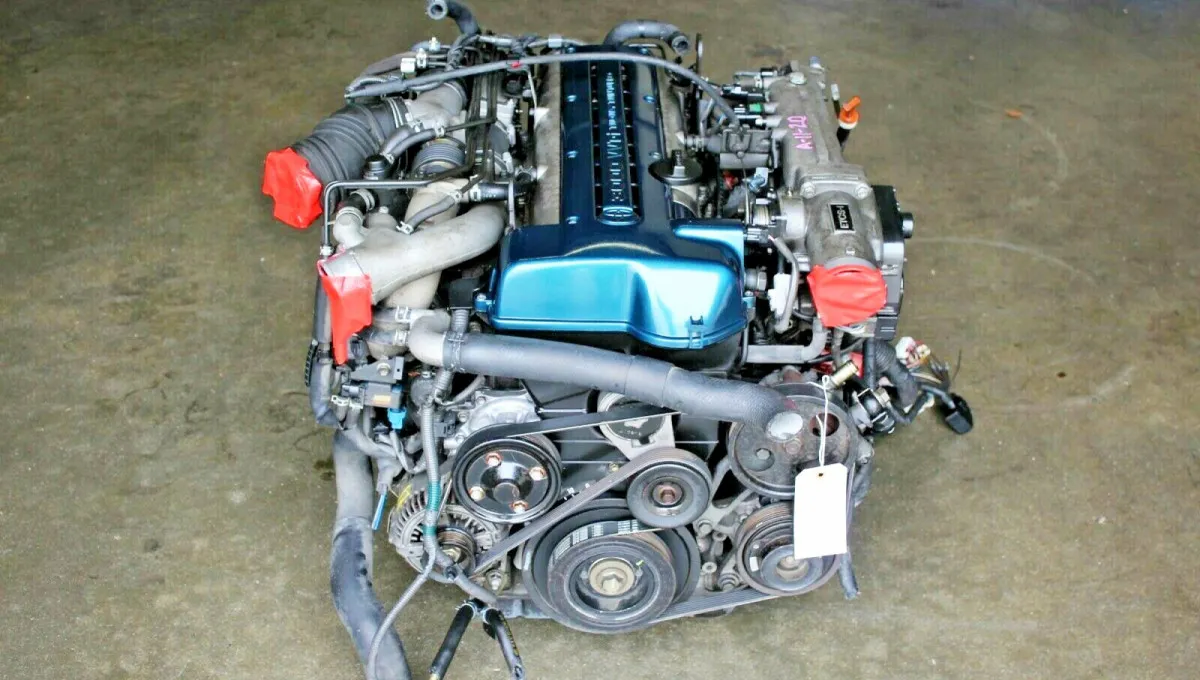
Toyota Built It to Survive 300,000 Miles. Tuners Turned It Into a 2,000-HP Beast
Toyota engineers may have gone too far with durability — and accidentally created the ultimate engine for hot-rodding.

Audi 80 Has Covered Nearly 1 Million Kilometers With Its Original Engine
A 1991 Audi 80 is closing in on a mileage record.

Toyota's First Engine Was Copied From a Chevrolet
Toyota's first engine, the Type A, wasn't entirely Japanese—it was based heavily on a Chevrolet straight-six.
Million-Mile Engines: Why Four Legendary Motors That Outlived Their Owners Became History
Some engines become legends by surviving for decades, crossing millions of miles and proving nearly impossible to kill.
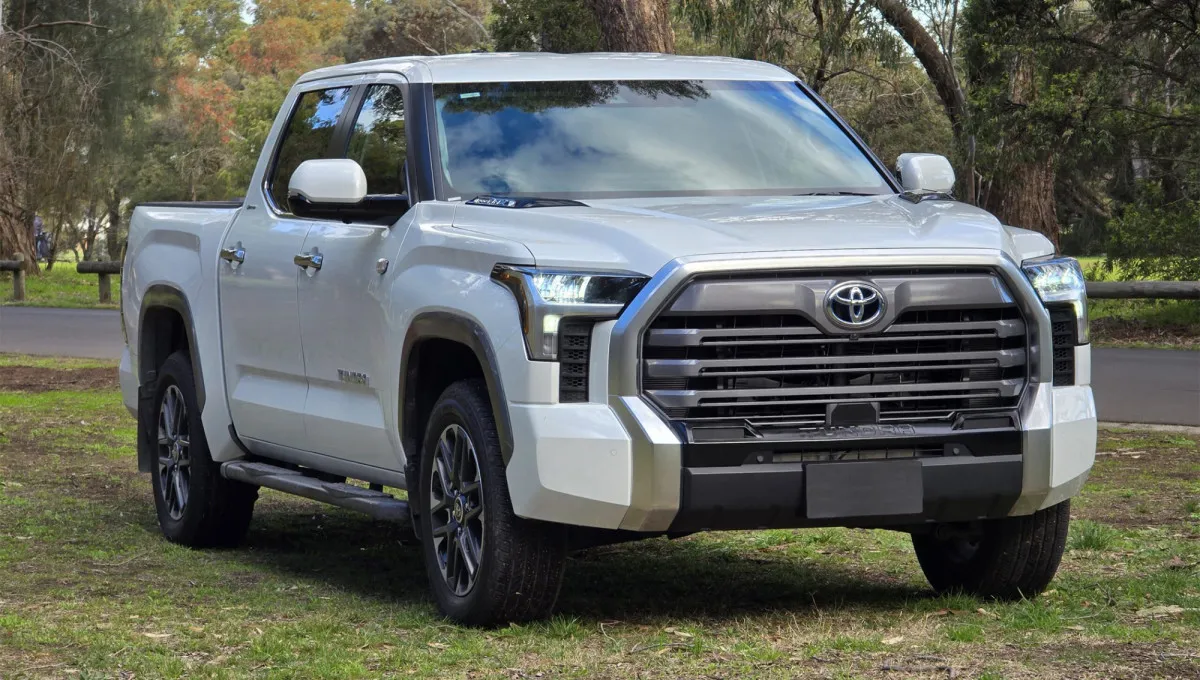
2026 Toyota Tundra Replacement Engine Failed, Raising New Questions About the Recall Fix
A 2026 replacement V35A engine has failed, raising fresh questions about Toyota’s Tundra recall fix.