
Volkswagen halts Golf production amid chip shortage caused by US-Netherlands-China trade tensions
Volkswagen announced it will temporarily suspend production of the Golf at its Wolfsburg plant in Germany starting October 29 due to a renewed microchip shortage.
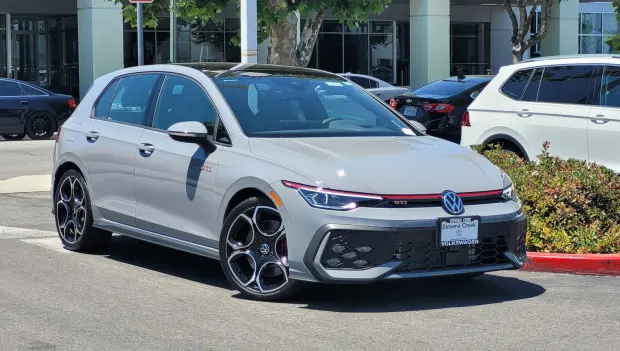
Volkswagen confirmed that it will pause assembly of the Golf at its Wolfsburg facility beginning October 29, citing a new wave of semiconductor shortages. This time, the disruption is tied directly to escalating trade friction between the United States, the Netherlands, and China.
The automaker has warned employees that the chip supply crunch could shut down multiple lines. Along with the Golf, Volkswagen plans to halt production of three additional models built in Wolfsburg — the Tiguan, Touran, and Tayron. The company has not indicated how long the stoppage may last.
The shortage stems from halted deliveries from Dutch chipmaker Nexperia. In September, the Dutch government moved to take control of Nexperia, which is owned by China’s Wingtech, following pressure from Washington to tighten export rules.
The U.S. Bureau of Industry and Security (BIS) recently adopted a rule that any company at least 50% owned by an entity on the export blacklist must be treated as if it were blacklisted itself. As a result, Wingtech — and by extension Nexperia — fell under U.S. sanctions back in December 2024.
Following the intervention, Nexperia’s CEO, Zhang Xuezheng, was removed from his post, and a court ordered that the company be led by a non-Chinese executive. According to media reports, U.S. officials insisted on the leadership change as a condition for potentially lifting restrictions.
China responded by blocking Nexperia’s chip exports, effectively cutting off supplies to European automakers.
Volkswagen has not yet secured an alternative supplier, and shifting to new semiconductors requires lengthy testing and certification. Industry sources told Autocar that even with a replacement manufacturer lined up, restoring production could take several months.
The shutdown in Wolfsburg may be the first of several temporary pauses at other Volkswagen plants, including facilities in Emden, Hanover, and Zwickau. The company is already discussing a Kurzarbeit program with labor unions — a system that reduces working hours while providing partial wage compensation from the government — as a way to avoid large-scale layoffs.
You may also be interested in the news:
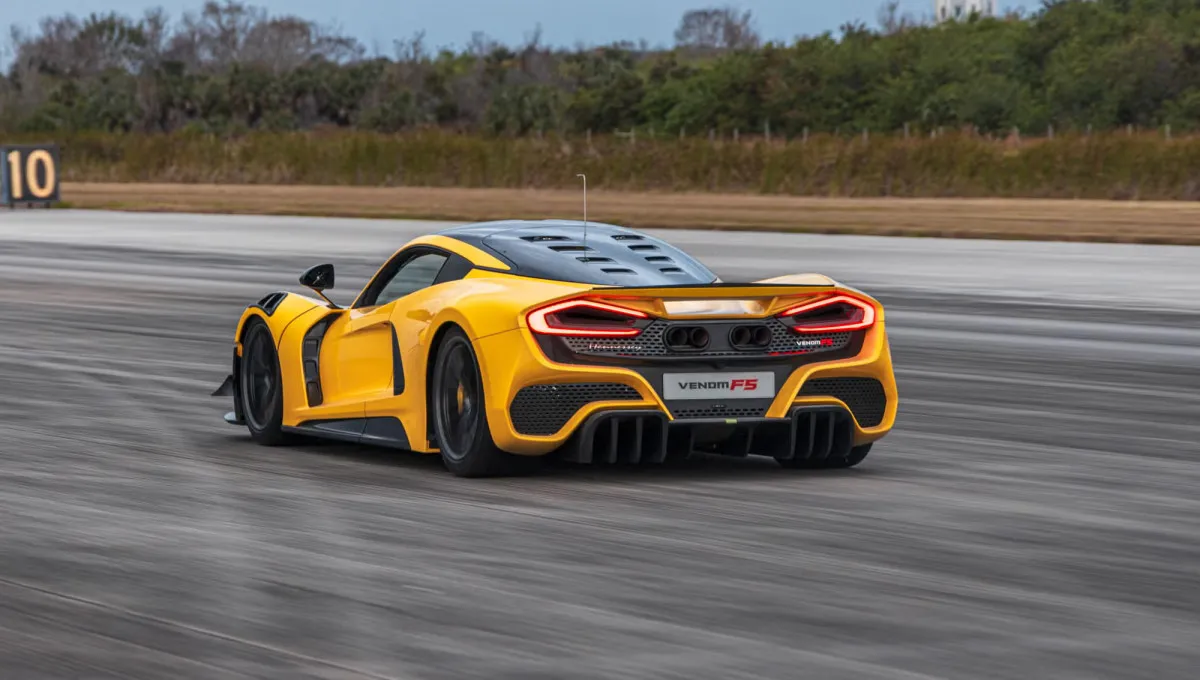
Experts Name the Two Most Powerful Production Sports Cars in the U.S.
American sports cars continue to impress with their horsepower, speed and innovative engineering, with two models standing above the rest.
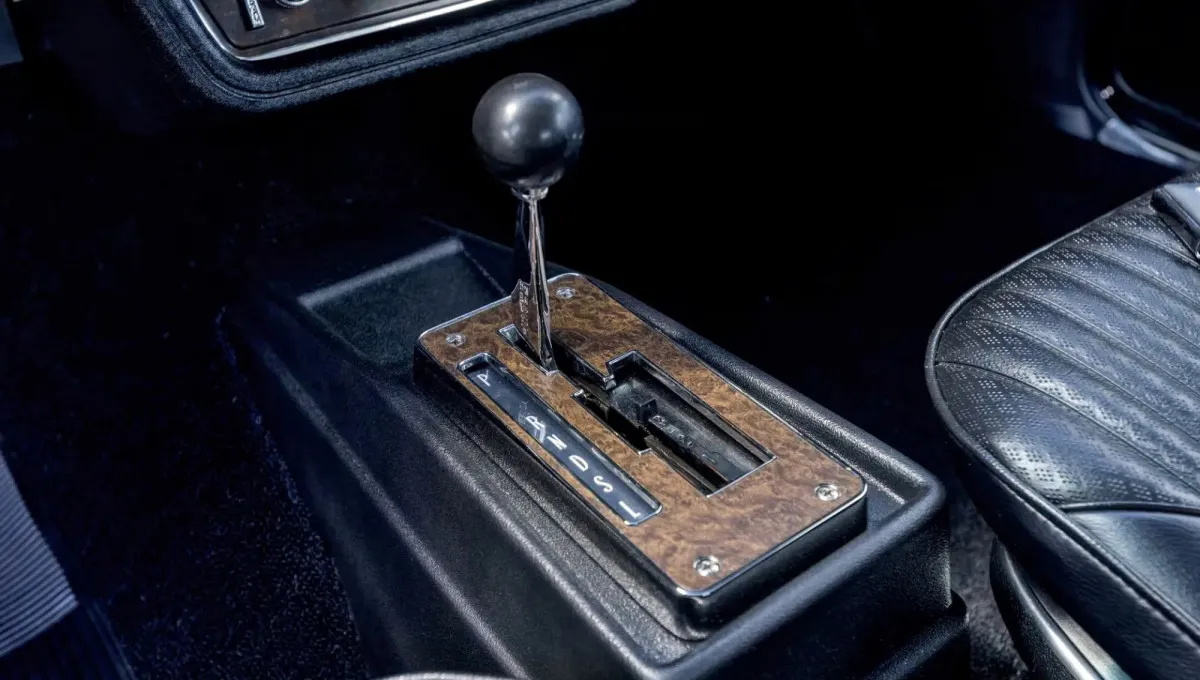
How Oldsmobile Invented a Manual Gearbox for an Automatic
Long before paddle shifters and electronic driving modes, Oldsmobile found a clever mechanical way to let drivers shift an automatic transmission themselves.
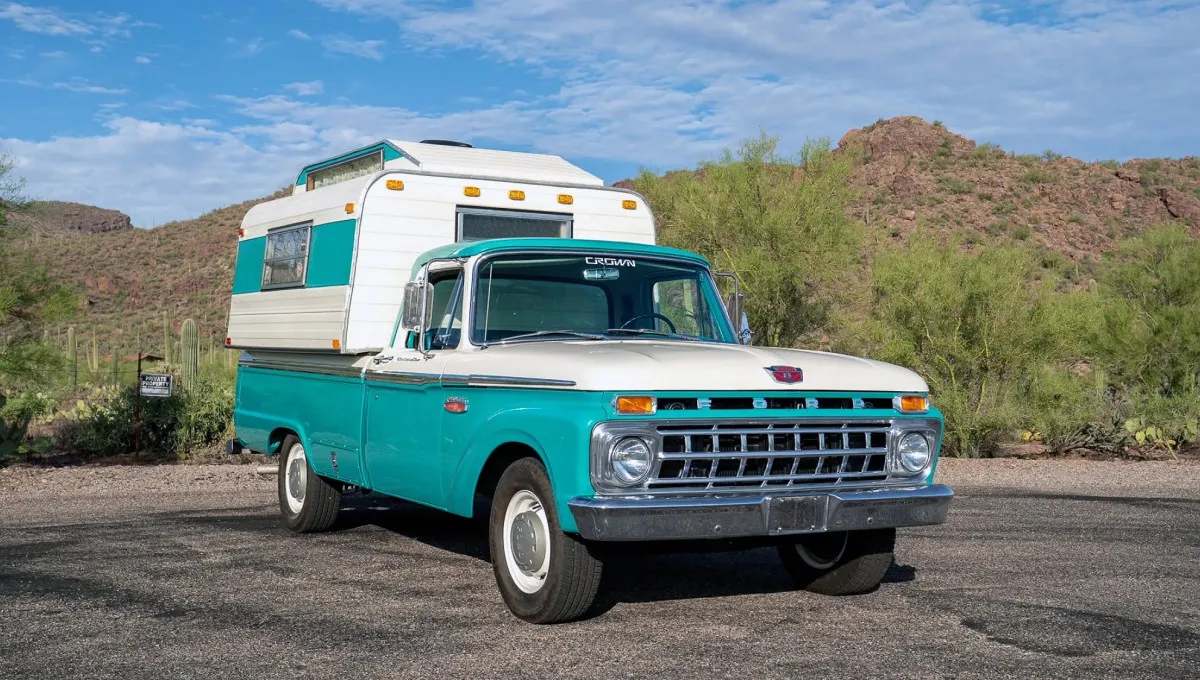
This 1965 Ford F-250 With a Mitchell & Sons Camper Is a Charming Retro Travel Companion
The 1965 Ford F-250 and Mitchell & Sons camper share colors, period styling, and compatibility.
328,000 Jeep Grand Cherokees Recalled Over a Hidden Crash Risk — Owners Should Act Now
Chrysler is recalling more than 328,000 Jeep Grand Cherokees over a rear coil spring problem that could increase the risk of a crash.
Chevrolet Raises Prices on 2027 Silverado EV and Cuts the Lineup
Chevrolet raises 2027 Silverado EV prices and cuts two trims amid weak electric-pickup demand in the market.