
Electric Cars and Electromagnetic Fields: Scientists Investigate Potential Harm to Humans
Concerns about electromagnetic exposure inside electric cars have taken on a life of their own.
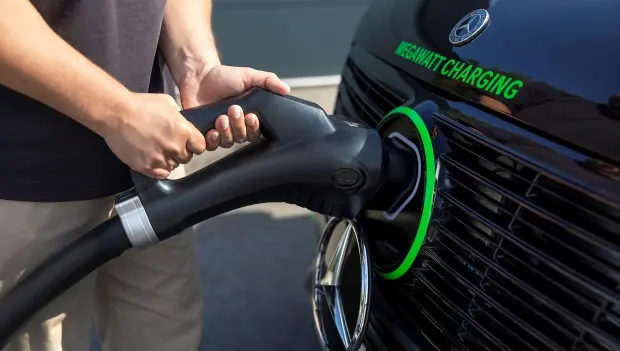
Rumors about electromagnetic radiation in electric vehicles have been circulating for years. The most persistent one claims that sitting on top of a giant battery essentially turns you into an antenna. To settle the debate, Germany’s ADAC automobile club — working on behalf of the Federal Office for Radiation Protection — carried out a large-scale study. Their team measured electromagnetic fields inside modern EVs and found the results far more reassuring than the speculation.
How the tests were run
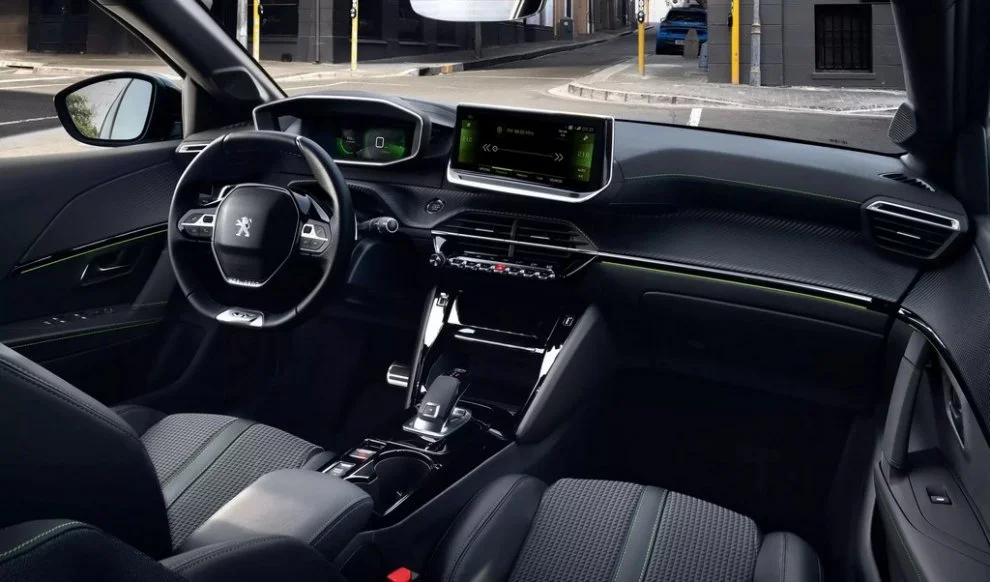
Engineers examined eleven electric models, several hybrids, and—just for comparison—a conventional gasoline car. To capture realistic exposure levels, they placed a sensor-equipped mannequin in the driver’s seat and ran each vehicle through normal use: accelerating, braking, cruising, and, of course, charging. The goal was simple: determine the actual intensity of magnetic fields, sometimes referred to as “electromagnetic smog.”
What the data showed
Short bursts of magnetic activity did appear during hard acceleration, strong braking, or when high-power systems kicked in. That’s expected in any vehicle with a high-voltage system and electric drive components. But none of the recorded values came close to thresholds known to affect human cells, the nervous system, or medical devices like pacemakers.
The study’s key finding: both field strength and induced current levels inside the human body were far below Germany’s limits — and well under international guidelines as well. Higher readings were detected around the feet, where power cables and drive units are located, but the values dropped sharply at seat level and even more near the head.
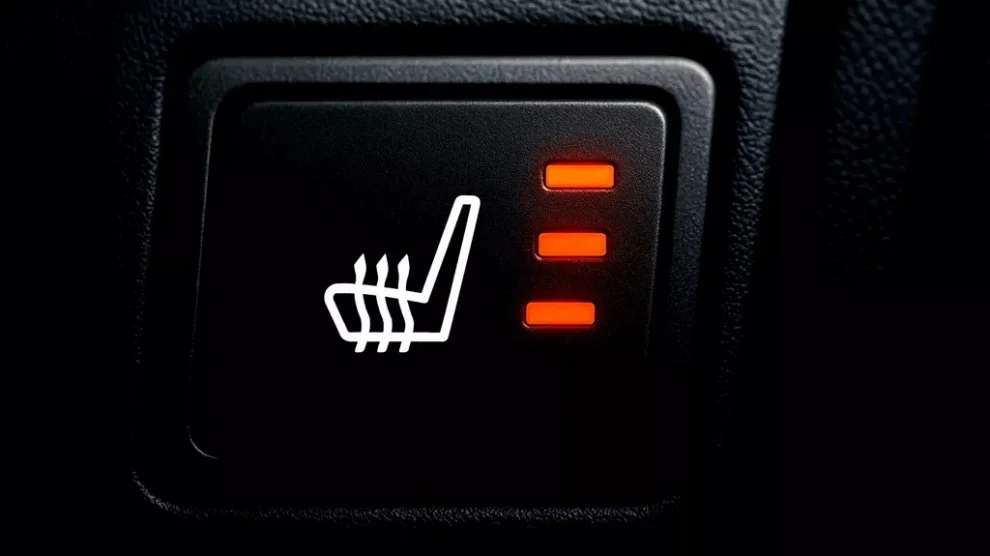
One mildly surprising detail: the strongest field inside the cabin didn’t come from the battery or motors, but from the seat heaters. And that’s true whether the car is electric, hybrid, or gasoline-powered. Even so, the readings were nowhere near harmful.
What about charging?
This part of the test turned out to be equally uneventful. Beginning a charge on household AC power did create a stronger magnetic field around the cable and connector, but again, the levels remained well within safe margins. In fact, high-power DC fast chargers generated less magnetic activity than slow AC charging. Standing next to a charging EV, researchers noted, is about as risky as standing next to a running refrigerator.
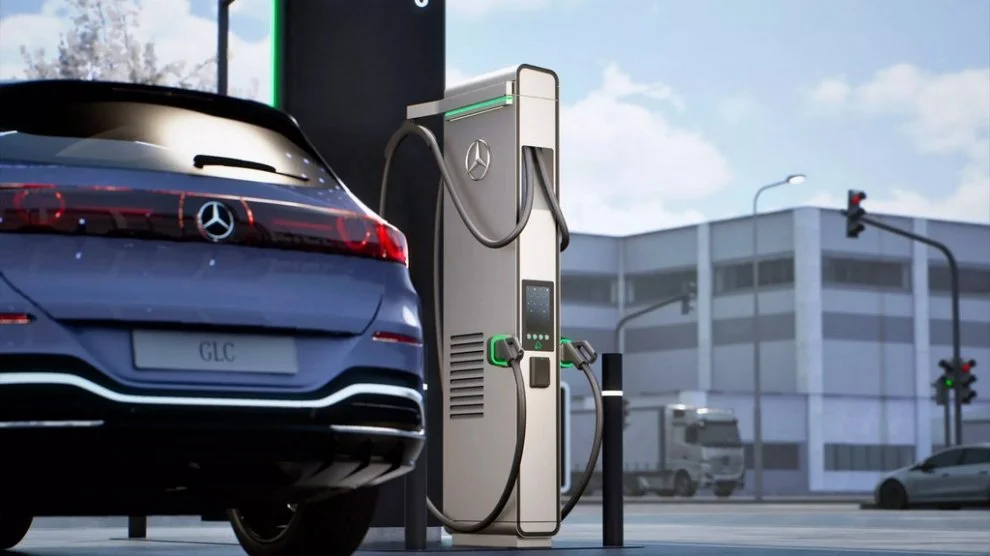
Overall, ADAC’s research makes it clear: when it comes to electromagnetic exposure, today’s electric cars are no more hazardous than gas-powered vehicles — and in many cases, they’re even “cleaner.” Whether driving or charging, cabin readings don’t approach levels that could endanger health or interfere with medical equipment such as pacemakers. The takeaway is simple: the shift to electric mobility is not only greener, but perfectly safe from a radiation-exposure standpoint.
You may also be interested in the news:
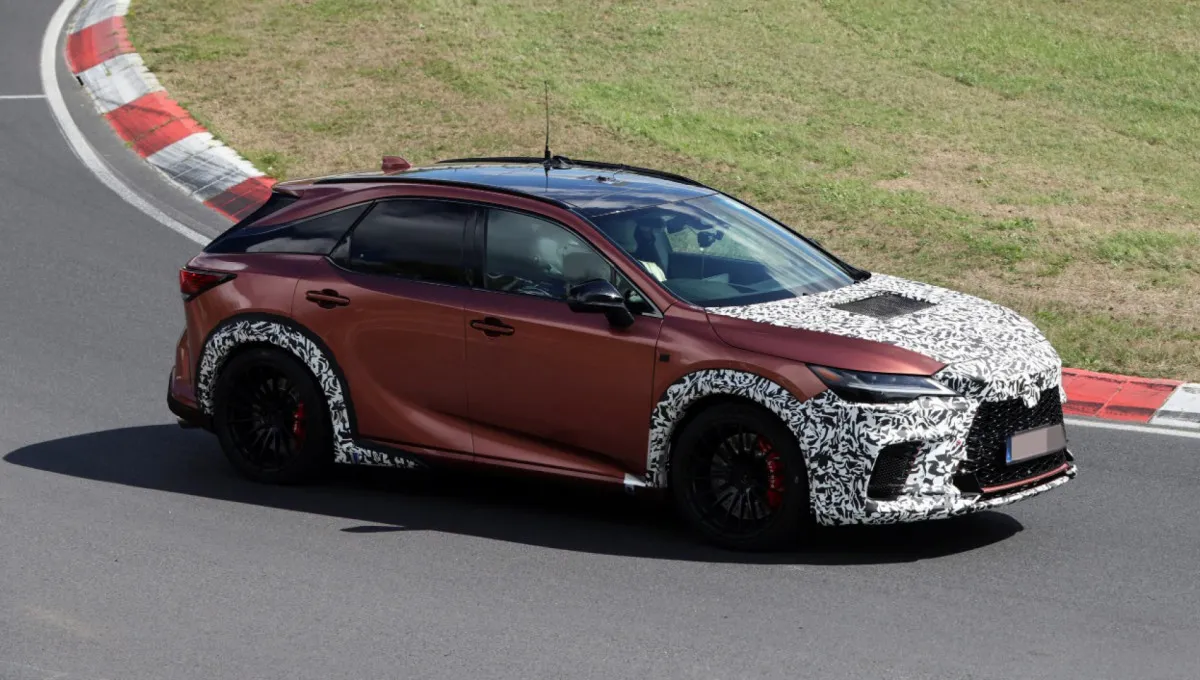
2028 Lexus RX Morizo RR Spy Photos Reveal a Hood Vent and Aggressive New Seats
The Lexus RX Morizo RR is back at the Nürburgring, revealing a functional hood vent and its sport-focused interior.
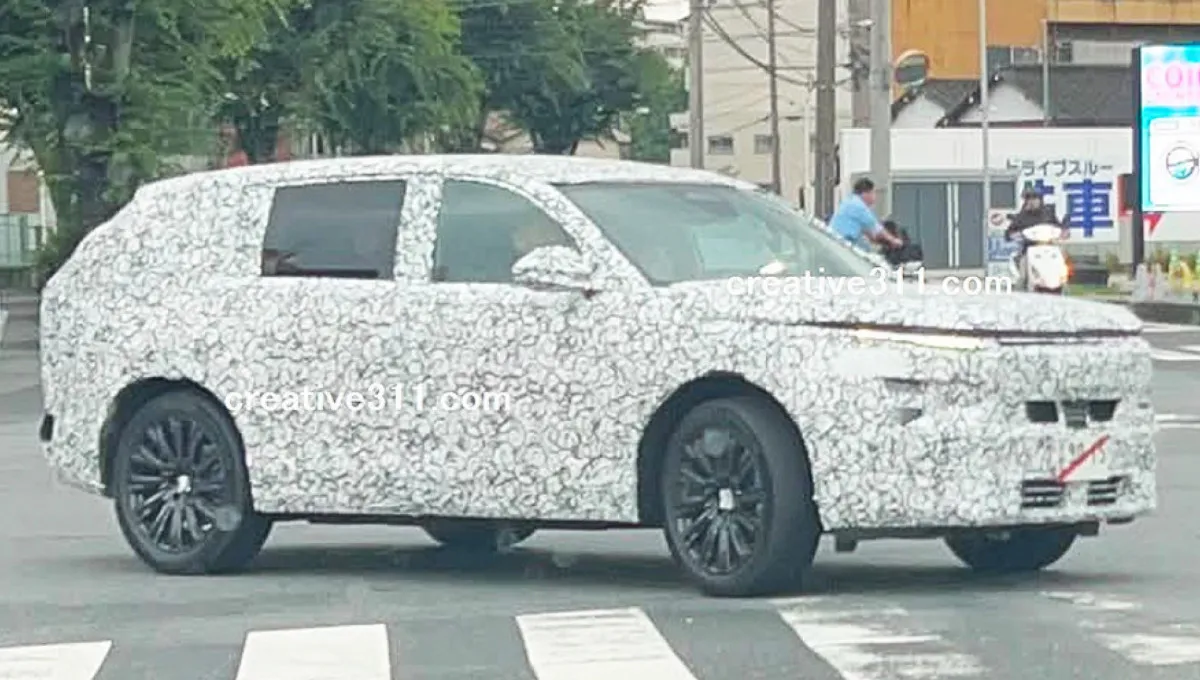
Honda's New 7-Seat Luxury SUV Gets a Projected Price
Honda is preparing a new Avancier three-row SUV aimed at buyers seeking more space, comfort and upscale features.
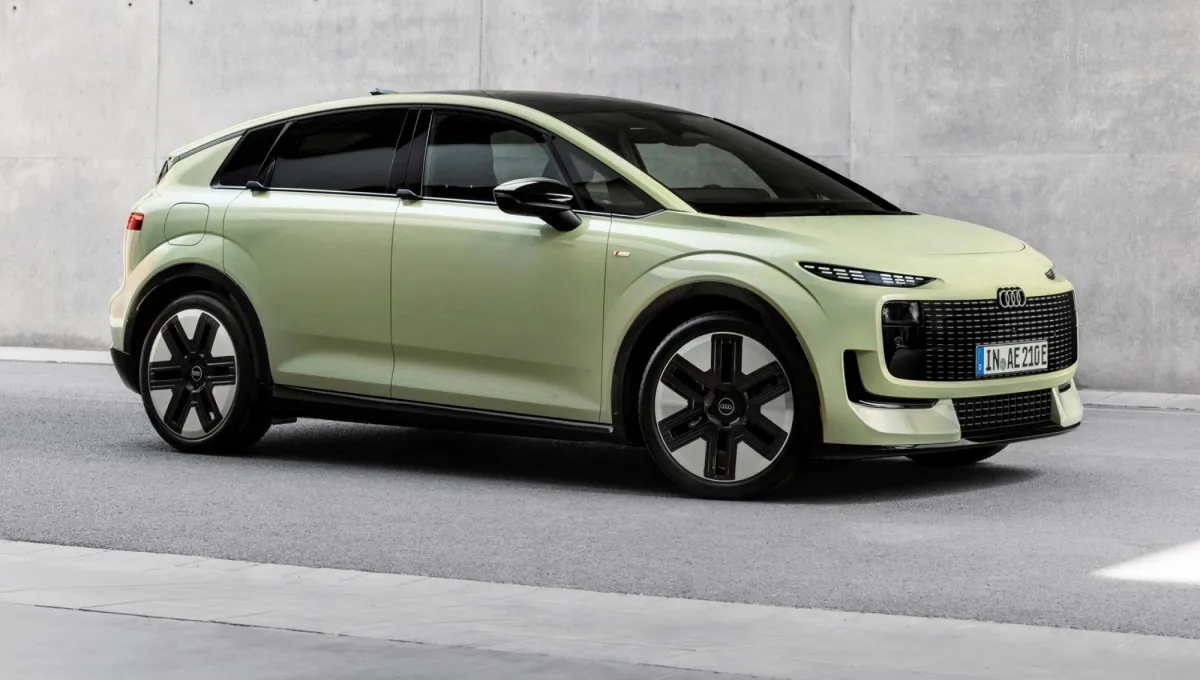
Audi Reveals EV With Unusual Door Handles
Audi has unveiled the new A2 E-Tron, an electric hatchback with distinctive styling and tiny flush-mounted door handles.
Volkswagen ID. Polo Demand Is So Strong Buyers Face a Nearly Yearlong Wait
Demand for Volkswagen’s affordable EV is so strong that buyers may wait nearly a year before taking delivery.
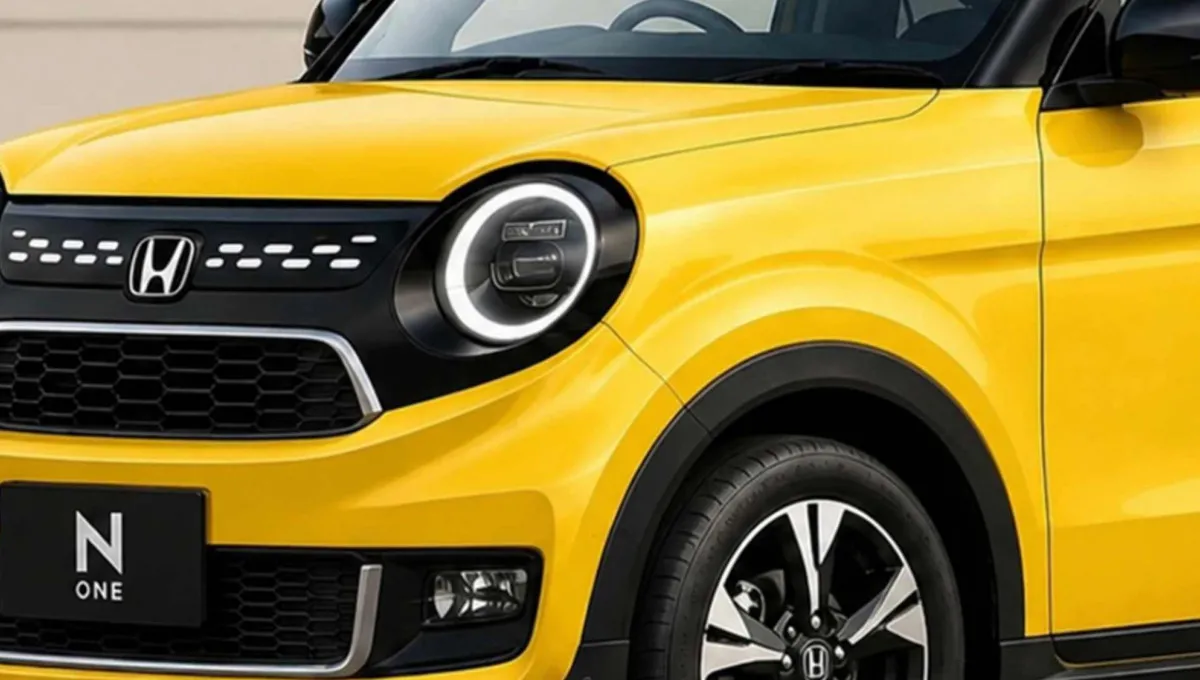
Next-Generation Honda N-One Appears in First Renderings
The Honda N-One family expanded in 2025 with the electric N-One e:, while the gasoline-powered RS received an update.