
An American Tested a Tesla in Winter—and Was Unpleasantly Surprised by How the Drive Turned Out
Without any preparation, both power output and regenerative braking in the EV were sharply limited during the trip.
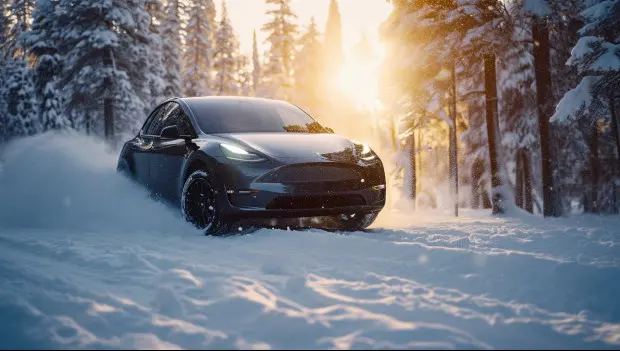
A U.S. driver set out to see what happens when an electric car isn’t properly prepared for winter driving. The takeaway was clear: warming the battery to its optimal temperature is far more important than many owners realize.
A Colorado-based YouTuber behind the Out of Spec Roaming channel shared his experience driving a Tesla Model Y in freezing conditions. He left the car parked outdoors overnight and did not plug it in before setting off.
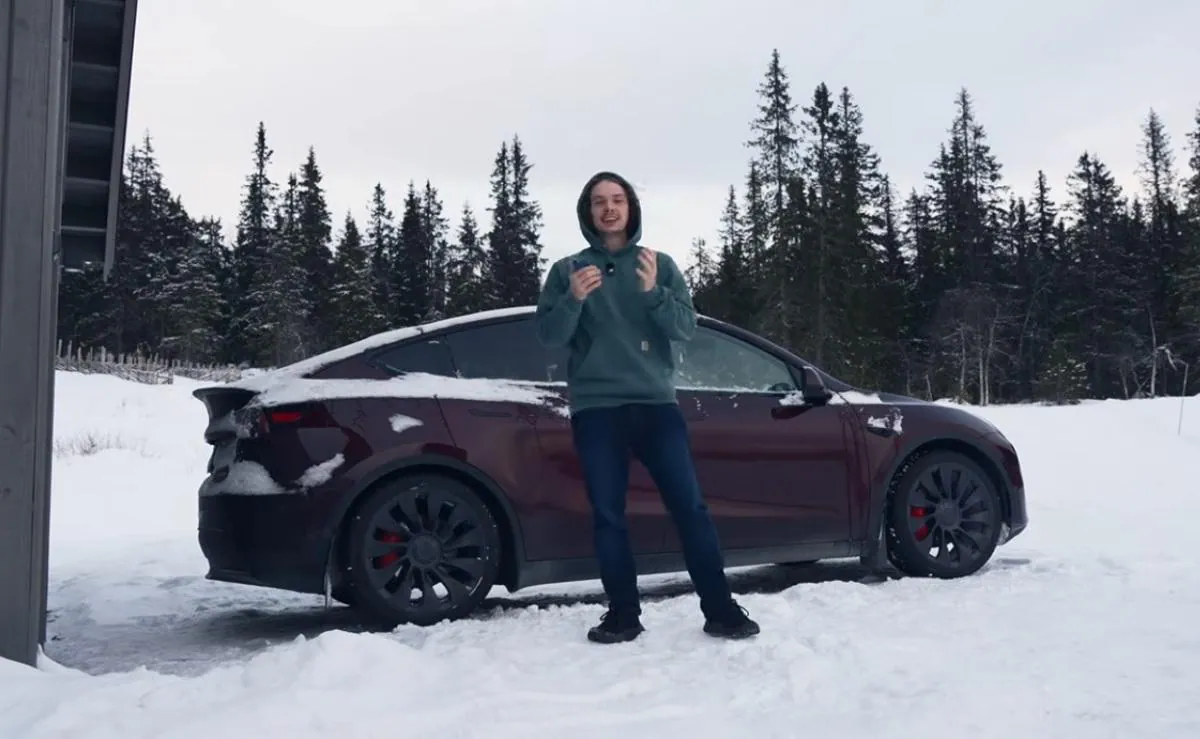
The goal was to test just how critical battery preconditioning is in cold weather. For the experiment, the Tesla sat outside in temperatures around –15°C (5°F).
When the car was started, a warning appeared on the center screen indicating that regenerative braking would be reduced due to the cold battery. According to the blogger, the effect was immediately noticeable once he began driving: both available power and regen braking were significantly restricted.
The display also flashed alerts for low tire pressure, along with a warning that driving range had been reduced because of the low battery temperature. After about 30 minutes on the road, however, things began to improve.
As the battery warmed up and approached its optimal temperature, regenerative braking became more effective. The electric motors delivered more power, and the estimated driving range started to climb.
The driver also pointed out that charging an EV in winter isn’t always straightforward. The charging port had frozen, and with the battery still cold, charging speeds were painfully slow.
Once the battery was preheated to about 26.5°C (around 80°F) before driving, the difference was dramatic. Regenerative braking worked much better, overall efficiency improved, and charging times became noticeably shorter.
You may also be interested in the news:
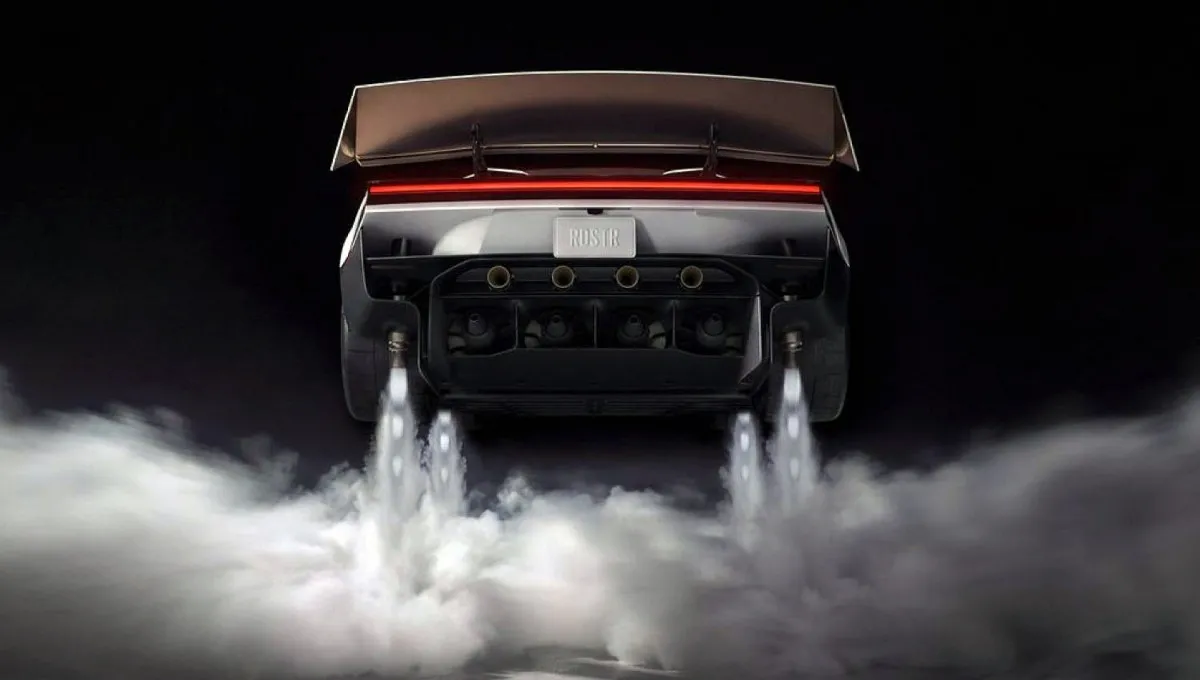
Tesla’s New Roadster Can Fly, but That May Be the Least Impressive Thing About It
Nearly a decade after Elon Musk unveiled the next-generation Roadster, Tesla has finally revealed its most outrageous capabilities.
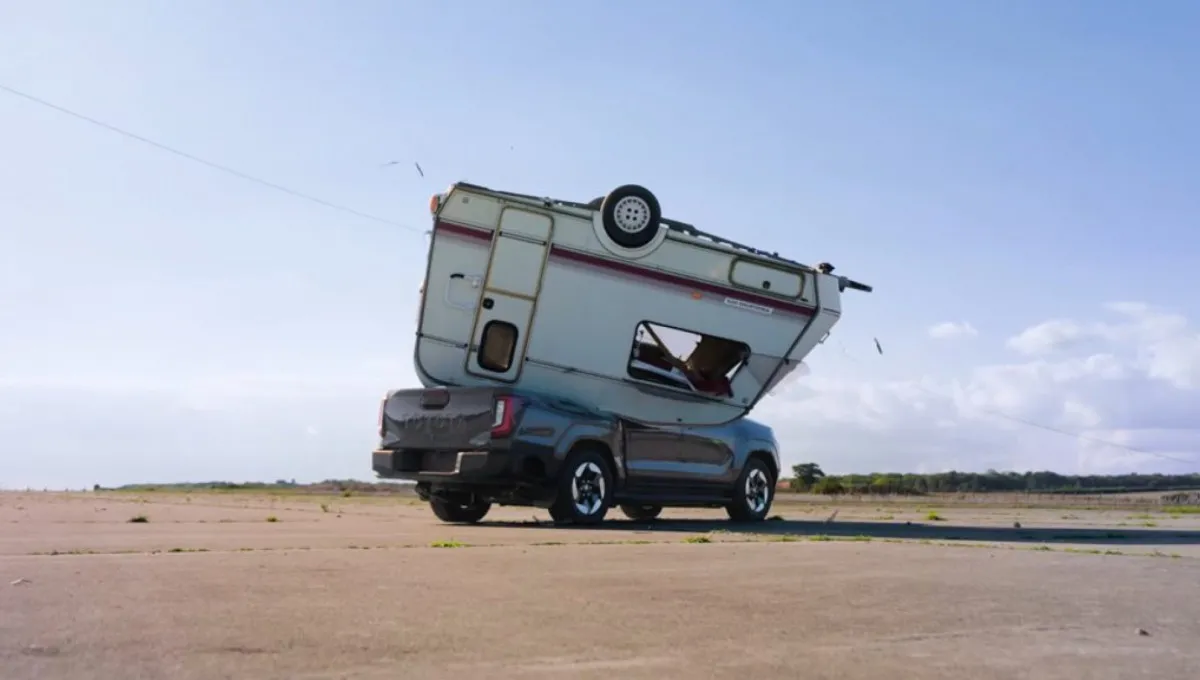
Toyota Hilux BEV Gets Hit With a Falling Camper in a Top Gear-Inspired Test
Toyota's UK team recreated a famous Top Gear-style stunt by dropping a camper onto its new all-electric Hilux pickup.
AI Took Over a Real Car. What Happened Next Was a Wake-Up Call
An American engineer handed several AI models control of a real car, and their driving performance fell short of expectations.
He Sold His House to Buy 20 Teslas—Then Sold 213 of Them in One Year
A car dealer admitted he briefly questioned his decision after betting his property money on a fleet of Teslas.
Washington Man Steps in Front of Tesla Cybercab to Test Its Self-Driving Response
Washington man stepped into a Cybercab’s path to test how quickly its autonomous system responded.