
Volkswagen Hands China the Keys to Its Future: First Model on the New CEA Architecture Debuts December 31
Decisions that once came straight from Germany will now be made in China.
On December 10, Volkswagen Group (China) executive vice president and CARIAD China CEO Han Sanju spoke at the 10th annual conference on next-generation automotive technology and sustainable development. During his remarks, he outlined the latest progress in Volkswagen’s partnership with China’s Xpeng Motors and sketched out what comes next for the German-Chinese alliance.
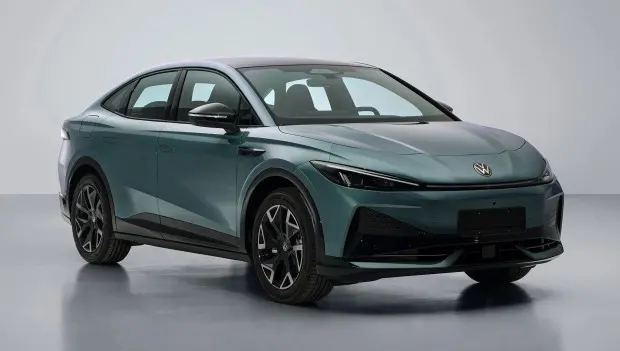
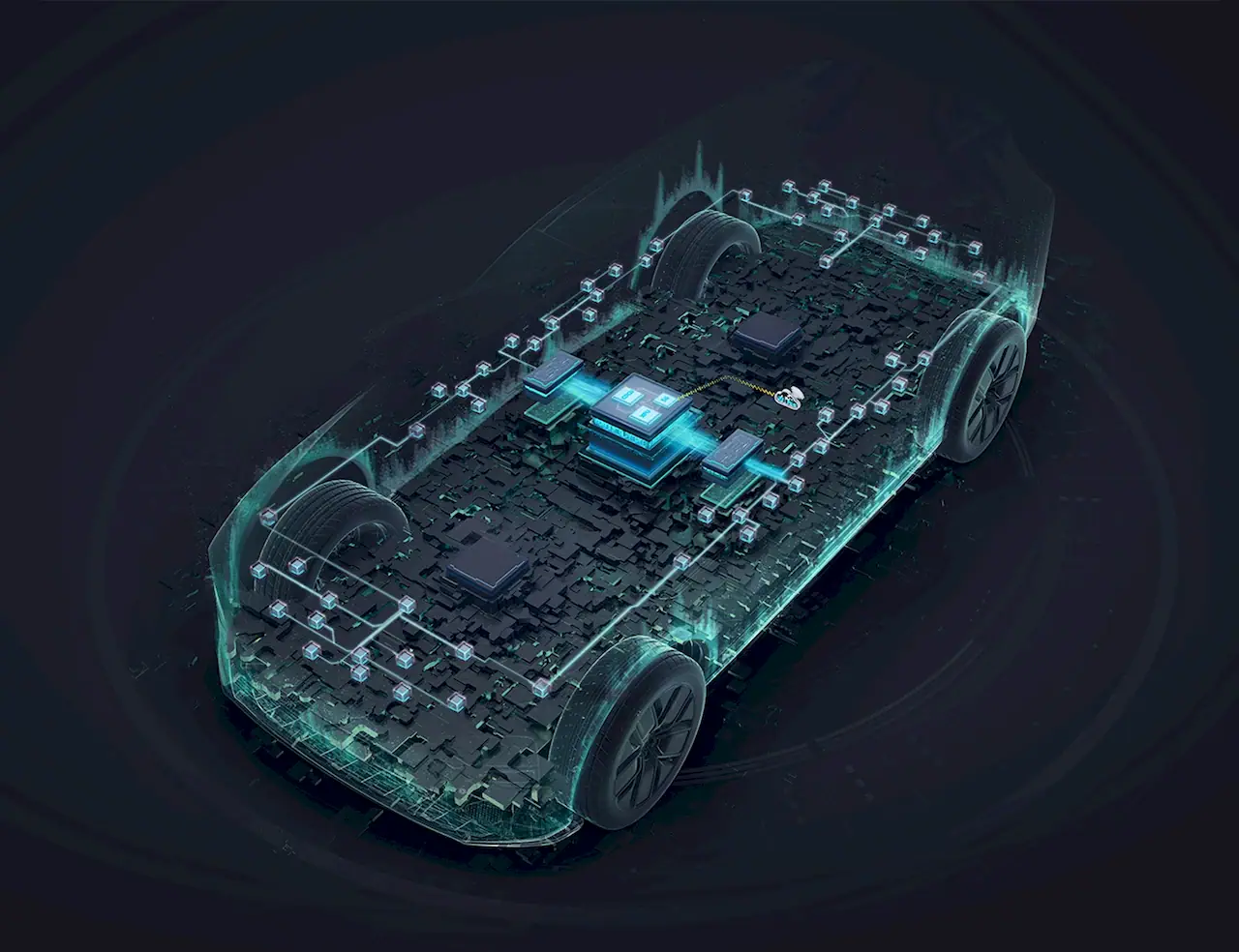
The biggest news was the timing of their first jointly developed model: its debut is set for December 31. Even more surprising was how quickly the project came together—just 18 months from concept work to full system integration. The vehicle, called the Volkswagen Anhui Hezhong 07, marks the first model for China built on VW’s new CEA electronic architecture, a system engineered specifically around the needs and expectations of Chinese customers.
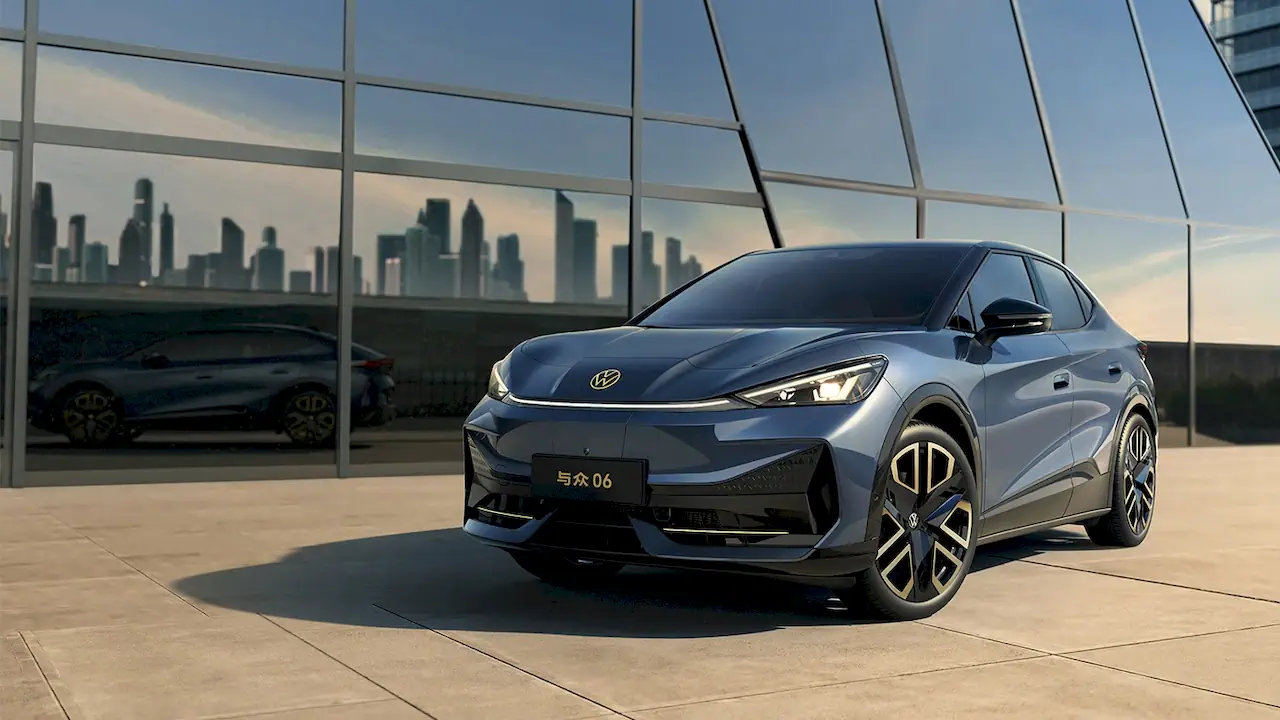
The newcomer will measure 190.9 inches long, 72.9 inches wide, and 61.6 inches tall, riding on a 111.3-inch wheelbase. Power will come from an electric motor rated at up to 170 kW (228 hp), paired with a modern lithium-iron-phosphate battery supplied by Guoxuan.
Han placed special emphasis on the shift in Volkswagen’s internal decision-making structure. Where Germany once led all major R&D efforts, the China team has now been granted a far greater degree of autonomy.
Beginning this year, the development of new-energy vehicles, electrical and electronic architectures, and software has been transferred entirely to the Chinese division.
In practice, that means vehicles can now be created specifically for the Chinese market—from initial planning to final approval for mass production. To support this, Volkswagen established a new consolidated research center uniting VCTC and CARIAD China.
The partnership with Xpeng began in July 2023, when Volkswagen invested roughly $700 million in the company, securing a 4.99% stake. Both sides agreed to co-develop all-electric Volkswagen models for China.
A year later, in July 2024, they expanded the alliance with a strategic agreement focused on advanced electrical and electronic architectures meant to elevate Volkswagen’s China-built vehicles technologically.
One of the joint goals is to create modular CMP and MEB architectures for EVs that can later be adapted for gasoline and hybrid variants. The first CEA-based vehicle will go on sale under the Volkswagen Anhui brand on December 31. At least four more models are expected to adopt the new architecture in the coming years.
Volkswagen projects that the next iteration, CEA 2.0, will broaden support for multiple vehicle classes and powertrains—full electric, hybrid, and extended-range setups. Full digital integration and streamlined electronics will become defining traits of future Volkswagen models in China. Major platform updates will roll out every two years, with CEA 2.0 arriving in 2027 and CEA 3.0 following in 2029.
You may also be interested in the news:
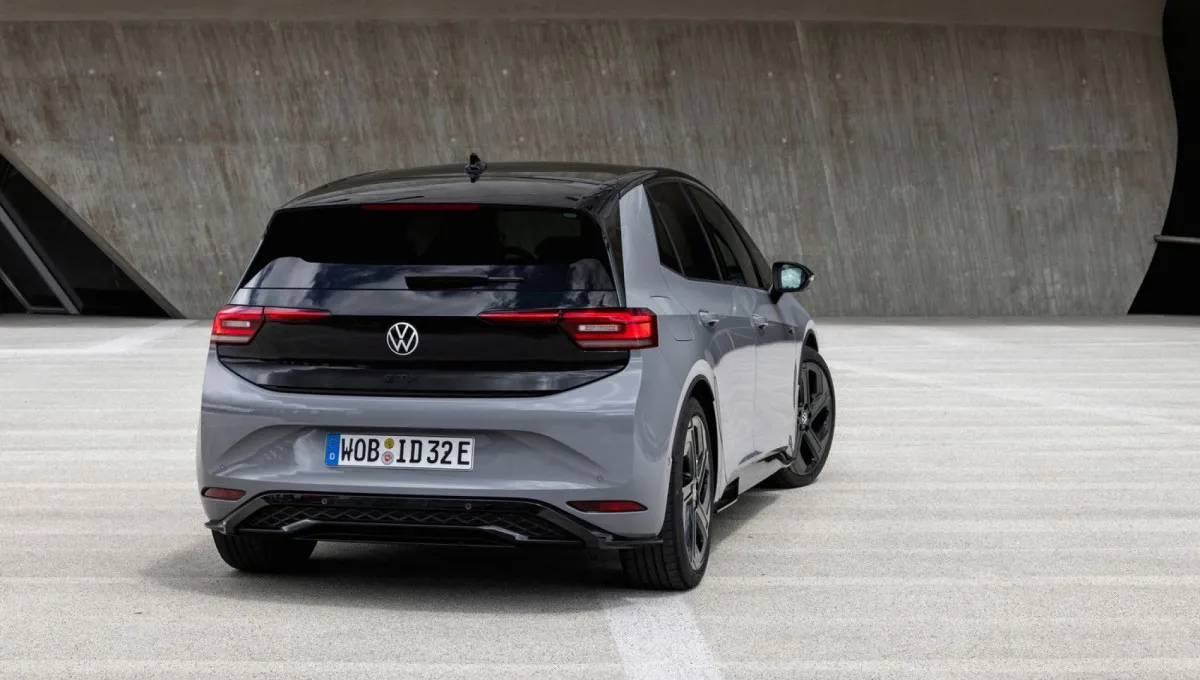
Volkswagen Just Did the Unthinkable: The New GTI Is Rear-Wheel Drive
Volkswagen's ID.3 GTI reaches 60 mph in 5.6 seconds and offers 373 miles of range.
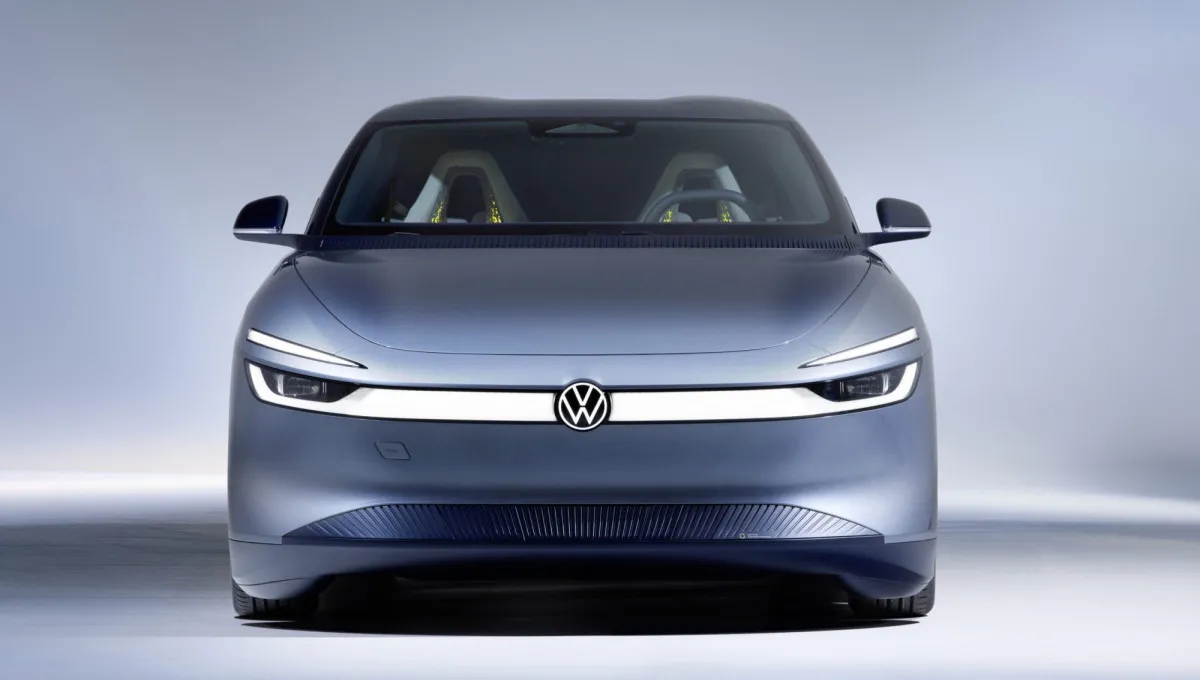
Volkswagen Mission Efficiency Concept Sets Three World Records, Looks Like a 13-Year-Old Model
Volkswagen has unveiled the new Mission Efficiency concept, a radical electric coupe focused on maximizing range and energy efficiency.
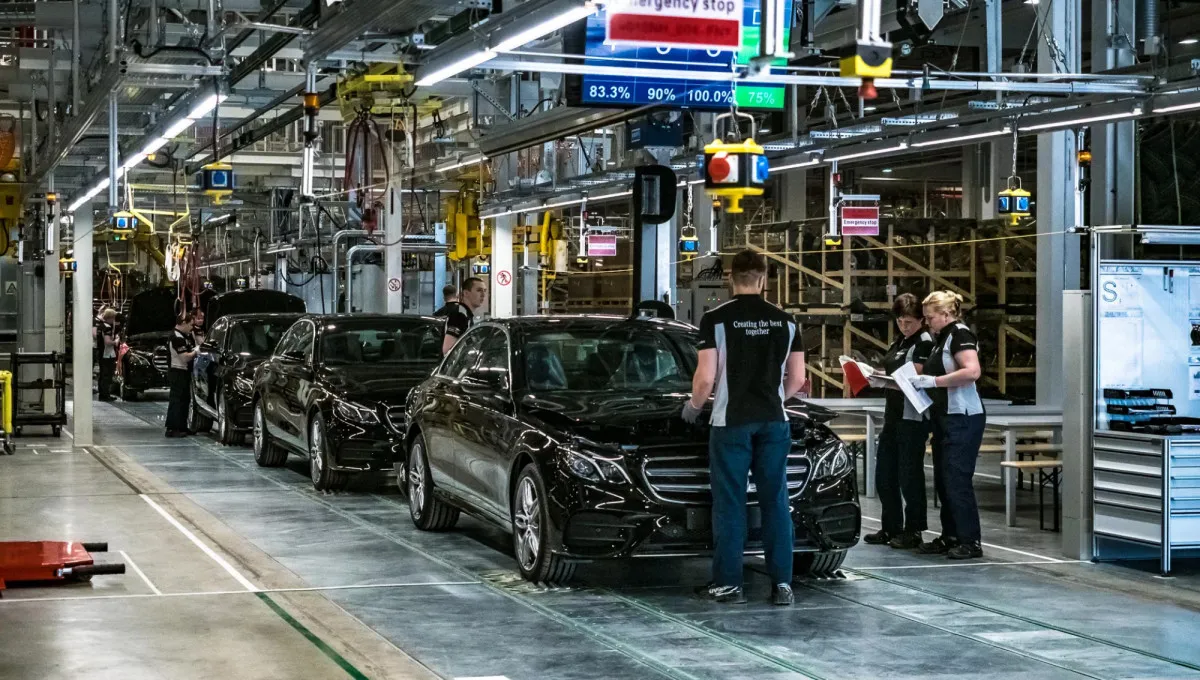
Mercedes-Benz to Close Plants and Cut Wages as Workers Face Layoffs
Mercedes-Benz is preparing to restructure its business, including potential pay cuts, layoffs and even the closure of a factory.
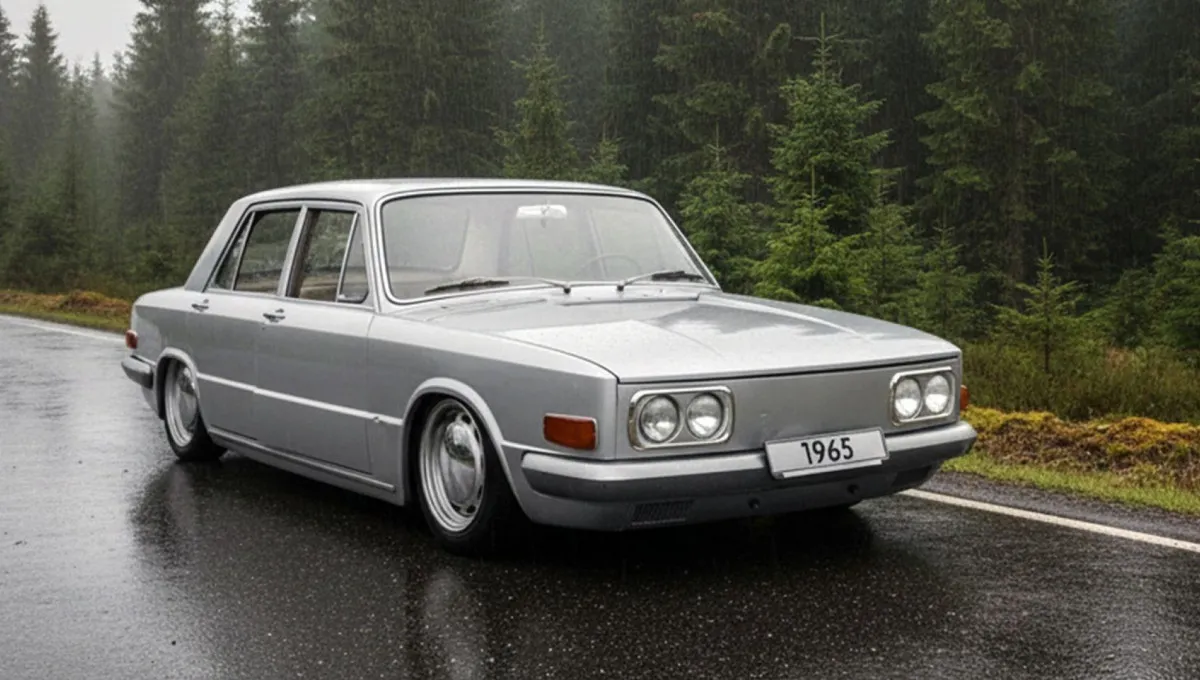
“VW on the Outside, Porsche Underneath”: The Story of the Failed EA-128 Sedan
A little-known Volkswagen prototype combined a large sedan body with Porsche 911 hardware in an attempt to enter the upscale market.
Volkswagen Finds Support in India as Company Plans New Vehicles With JSW
Volkswagen and JSW Group have signed a memorandum to create a joint venture in India focused on developing new vehicles.