
Dodge Charger Sixpack: A Legend Returns With Turbo Power and a 550-HP Inline-Six
A closer look at the Dodge Charger Sixpack, a new model that goes back to its roots in a thoroughly modern form.
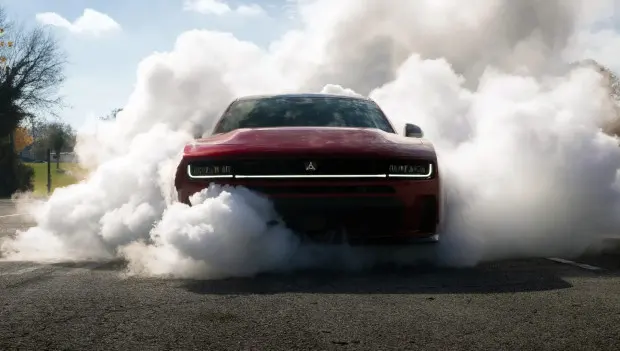
The new Dodge Charger is returning to its roots—this time with a modern twist. After the loud but controversial debut of the all-electric Charger Daytona, Dodge is rolling out the Charger Sixpack, a version designed to win back skeptics with more traditional appeal.
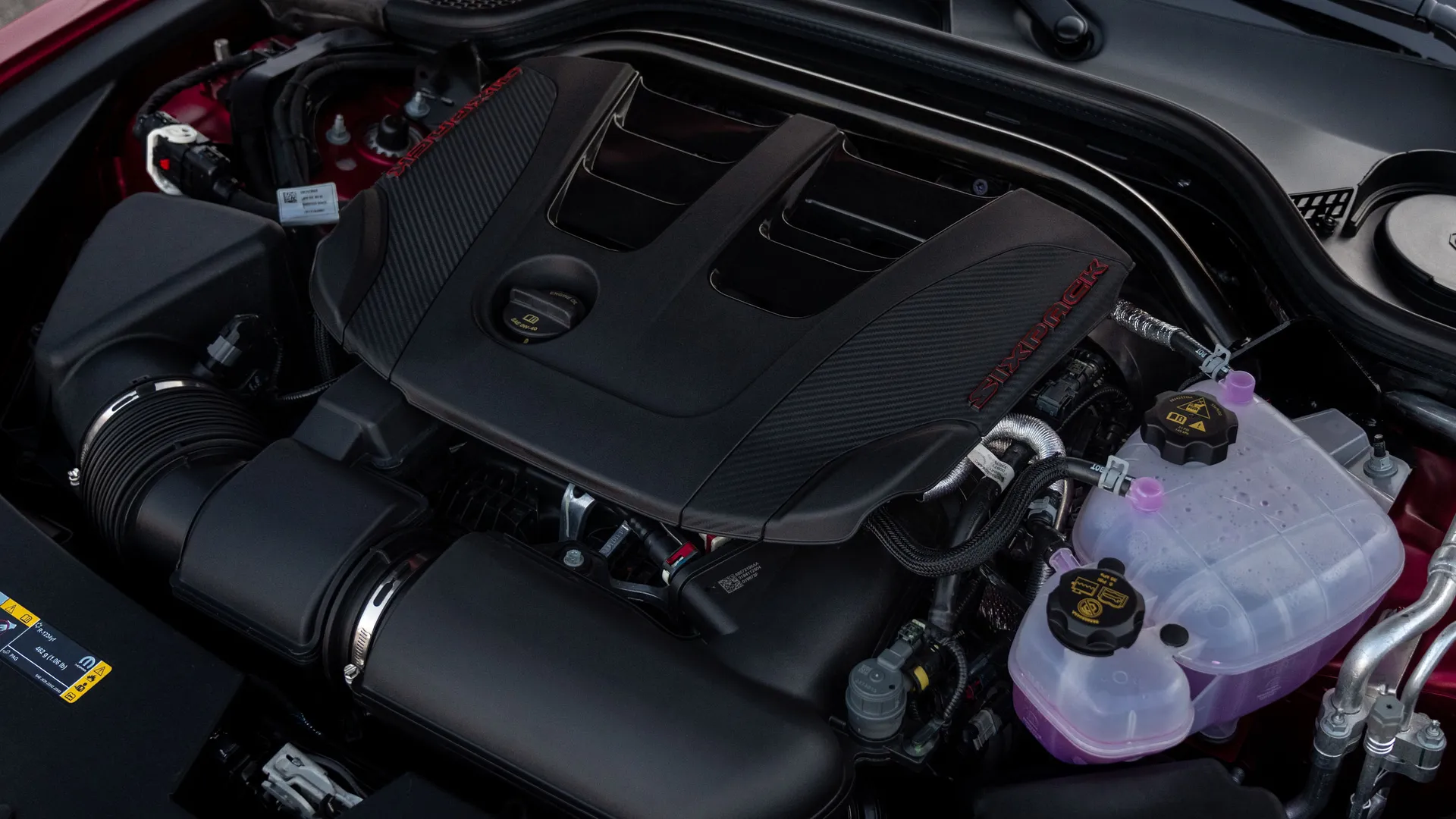
Under the hood is no legendary V8, but a powerful 3.0-liter twin-turbo inline-six producing 550 horsepower and 531 lb-ft of torque. The setup promises classic muscle-car character paired with modern all-wheel drive technology and adaptive handling.
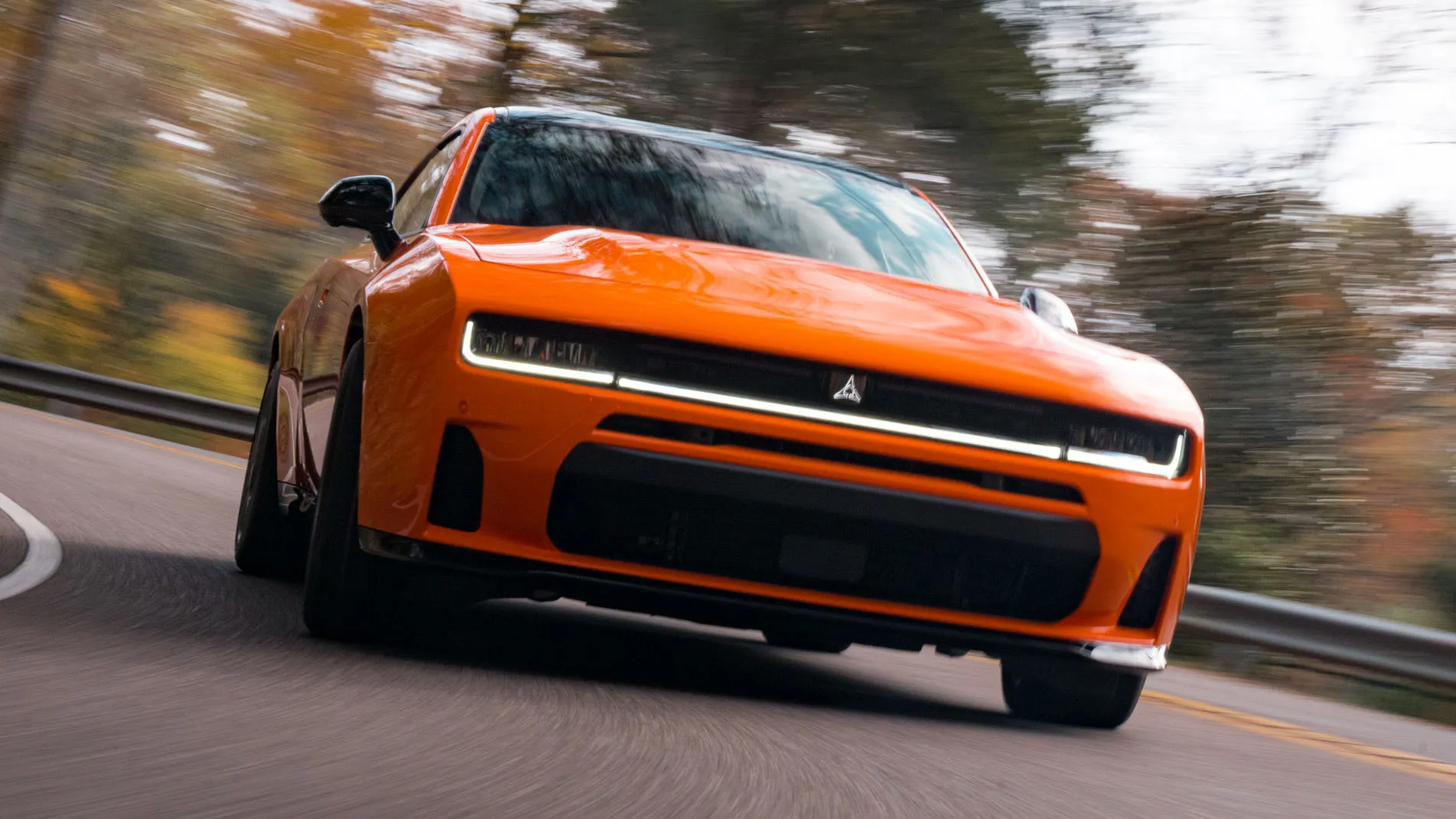
This isn’t a step backward, but rather an attempt to offer the best of both worlds for drivers who still believe in the sound and feel of gasoline—without giving up four doors and everyday usability.
So the internal combustion engine is really back?
Absolutely. The latest-generation Charger only hit the streets about a year ago, initially in the form of the Charger Daytona—an “electric muscle car” that drew mixed reactions. Now it’s the Sixpack’s turn, bringing a twin-turbo inline-six into the Charger lineup.
Does that mean the electric Charger is bad?
Not at all. This was always part of the plan, but the Daytona found itself in a tough position from the start. Convincing long-time Dodge fans to embrace an EV—even one that may be objectively superior to a gas-powered version—was never going to be easy. The big question was whether an electric car could truly feel like a muscle car.
As it turns out, it can. The Charger Daytona Scat Pack delivers around 700 horsepower, with surprisingly smooth and balanced performance that will satisfy any straight-line enthusiast. Handling is better than many expected. That said, public perception has been harsh, largely due to the much-criticized artificial exhaust sound.

Overall, the Charger Daytona is a better car than critics—and even Dodge itself—sometimes make it out to be. The brand has gone so far as to downplay the model’s electric nature on its own website. With that context, and Dodge’s renewed focus on traditional values, the timing is right for the Sixpack.
What’s under the hood?
The Dodge Charger Sixpack is powered by a 3.0-liter twin-turbo inline-six producing 550 horsepower and 531 lb-ft of torque. Power is sent to all four wheels through an eight-speed automatic transmission—at least for now. This is the high-output version; a more affordable Charger R/T Sixpack with the same engine tuned to 420 horsepower is expected next year.
We say “for now” because the Charger offers multiple torque-split modes. In normal driving, power is evenly distributed front to rear. Switch to Sport mode and the bias shifts to 40/60 in favor of the rear axle. And if all-wheel drive feels too un-muscle-car-like, a single button sends all the power to the rear wheels.
The suspension features aluminum multi-link setups, while braking duties are handled by Brembo brakes.
How does the Sixpack differ from the Daytona?
Several key points stand out. First, the new Charger was designed from the outset as a multi-energy platform, meaning the gas and electric versions weren’t afterthoughts. As a result, the two models look very similar, though they behave differently. The Daytona’s instant electric torque gives it a distinct driving feel—and, unfortunately, that artificial sound, which the Sixpack doesn’t need.
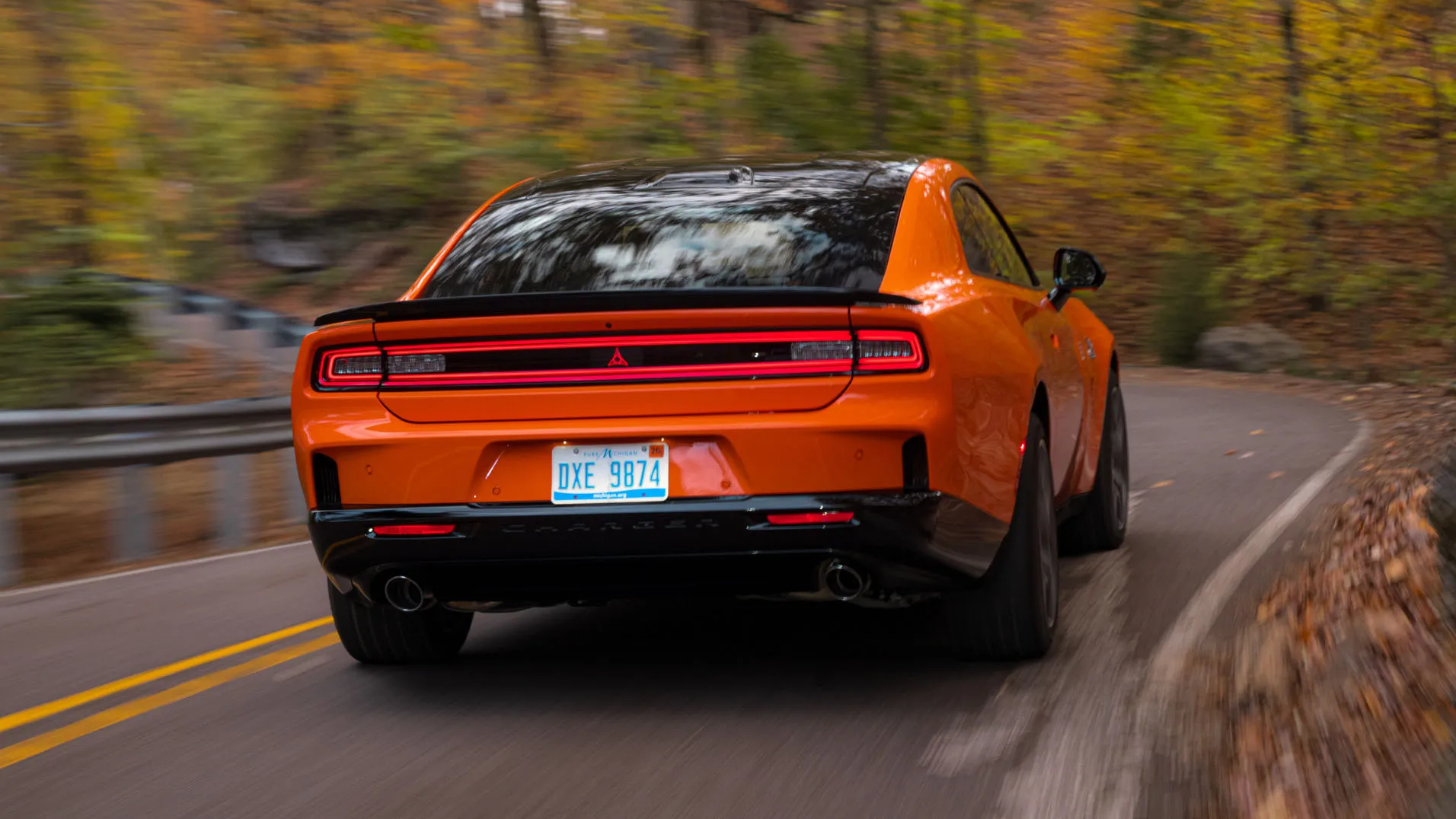
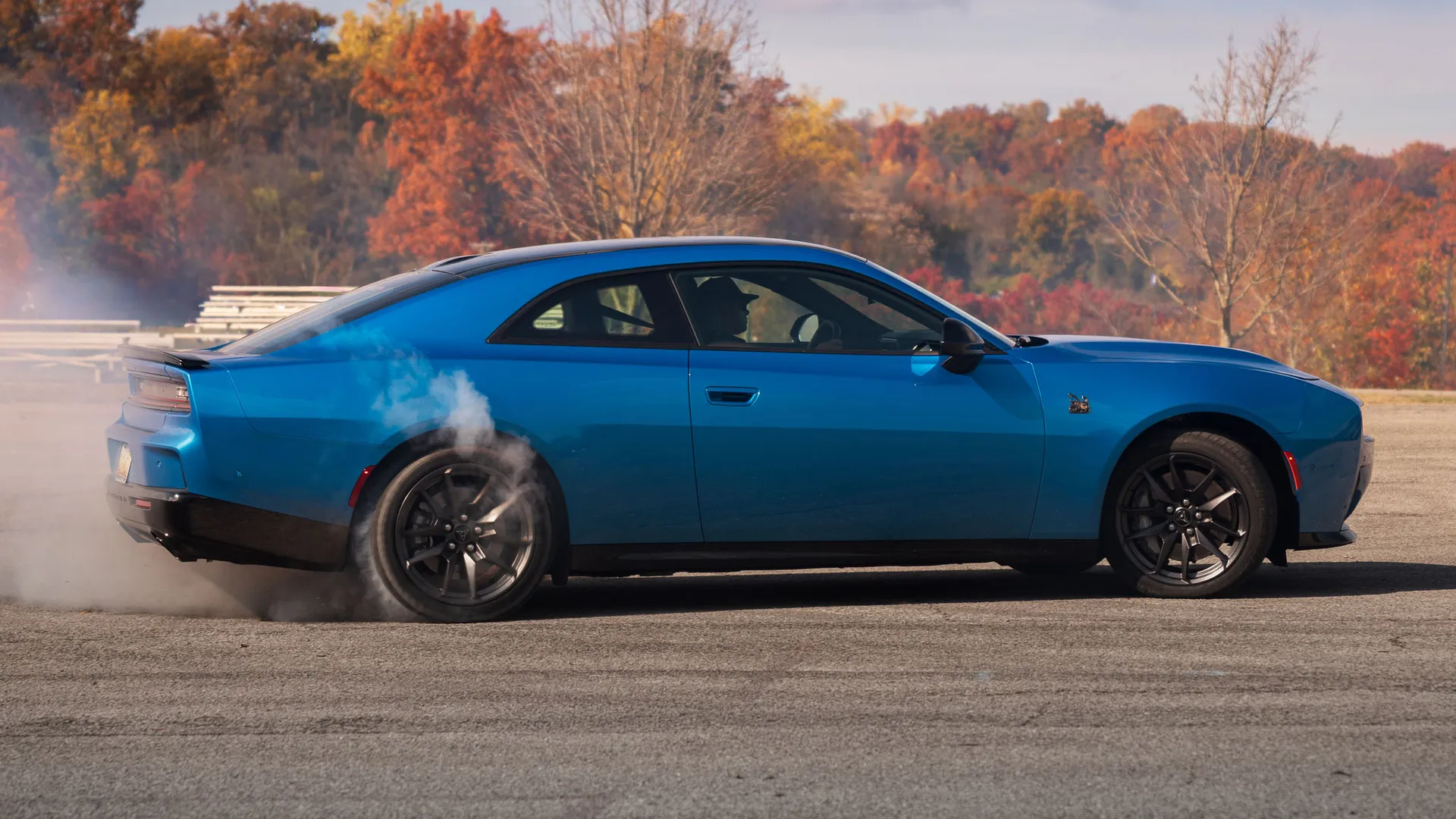
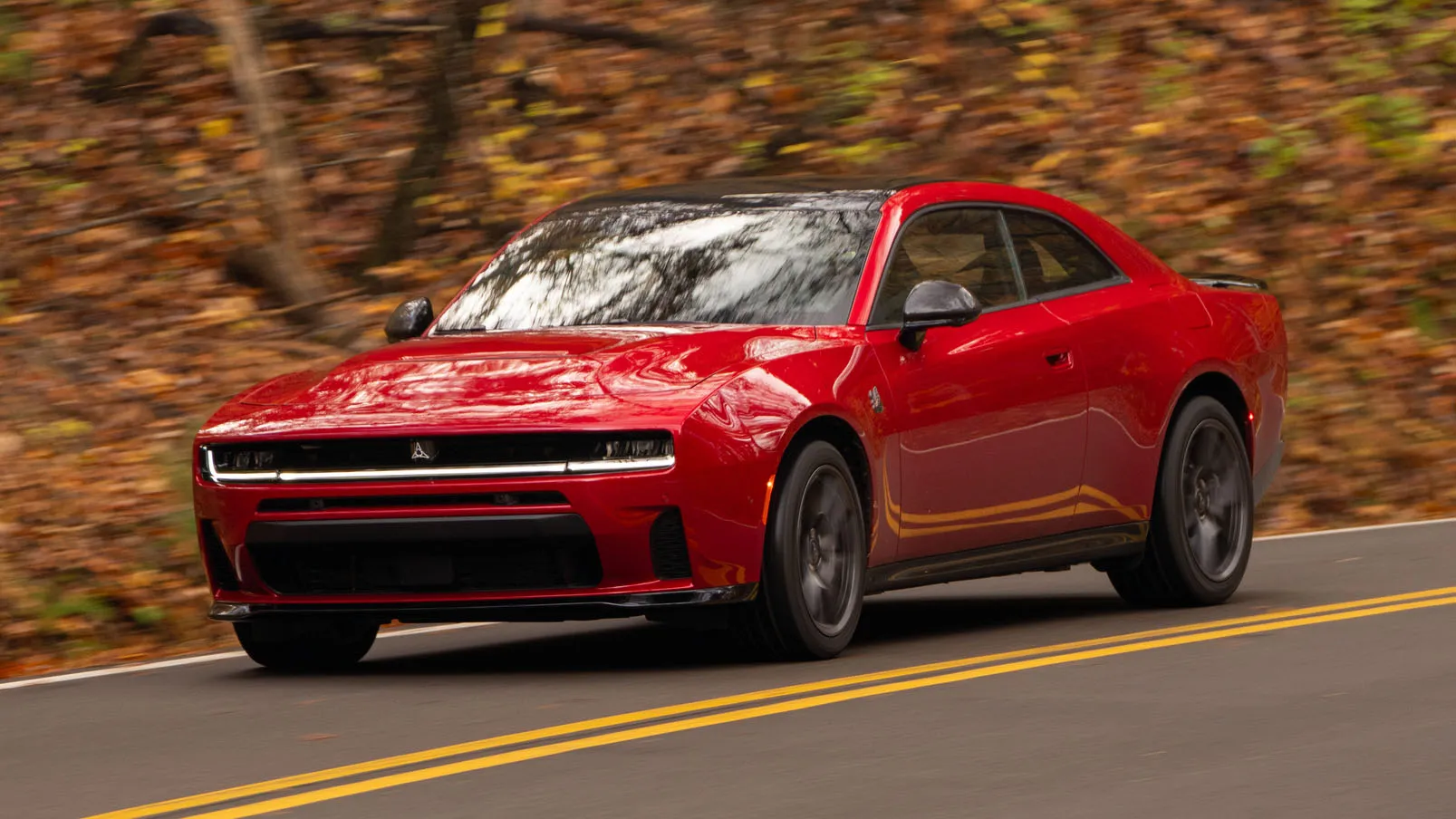
Visually, the two versions share sleek, aerodynamic lines inspired by classic Chargers. Up front, the Sixpack features an open grille to improve cooling for the engine and brakes, along with a hood bulge wearing a “Sixpack” badge. The Daytona, by contrast, has a smoother hood with an air channel. At the rear, the Sixpack replaces the Daytona’s diffuser with dual exhaust tips.

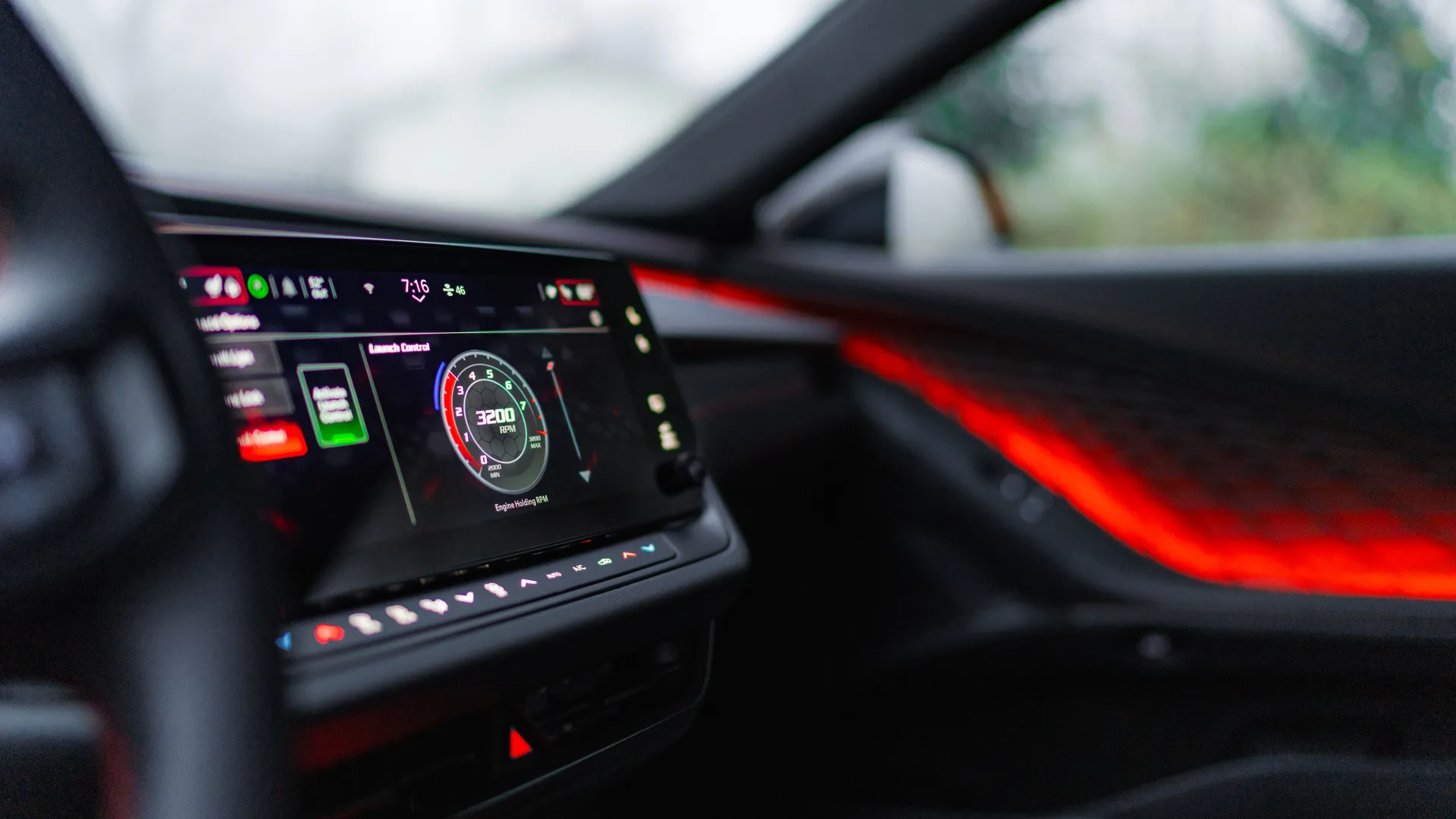
Inside, the differences are subtle. The EV gets a “powershot” button on the steering wheel for a temporary boost, while the rest of the cabin is nearly identical. The interior is a modern reinterpretation of the 1968 Charger: driver-focused and functional, with sport seats and fixed headrests, a modern take on the classic pistol-grip shifter, a 12.3-inch digital instrument cluster, and either a 10.25-inch or 16-inch configurable center display.
One thing both versions share is weight—and that naturally leads to the question of handling.
Can it actually handle corners?
Despite lingering stereotypes about American muscle cars, the new Charger handles far better than expected. Steering is immediately responsive in all drive modes, with strong feedback that keeps the driver informed. A 50/50 torque split provides stability, while the rear-biased Sport mode adds a rear-drive feel, with the front axle ready to step in when needed.
Dodge even put the Charger to the test on the famous 11-mile Tail of the Dragon road along the Tennessee–North Carolina border. Tackling 318 tight curves in a full-size muscle car? Why not.
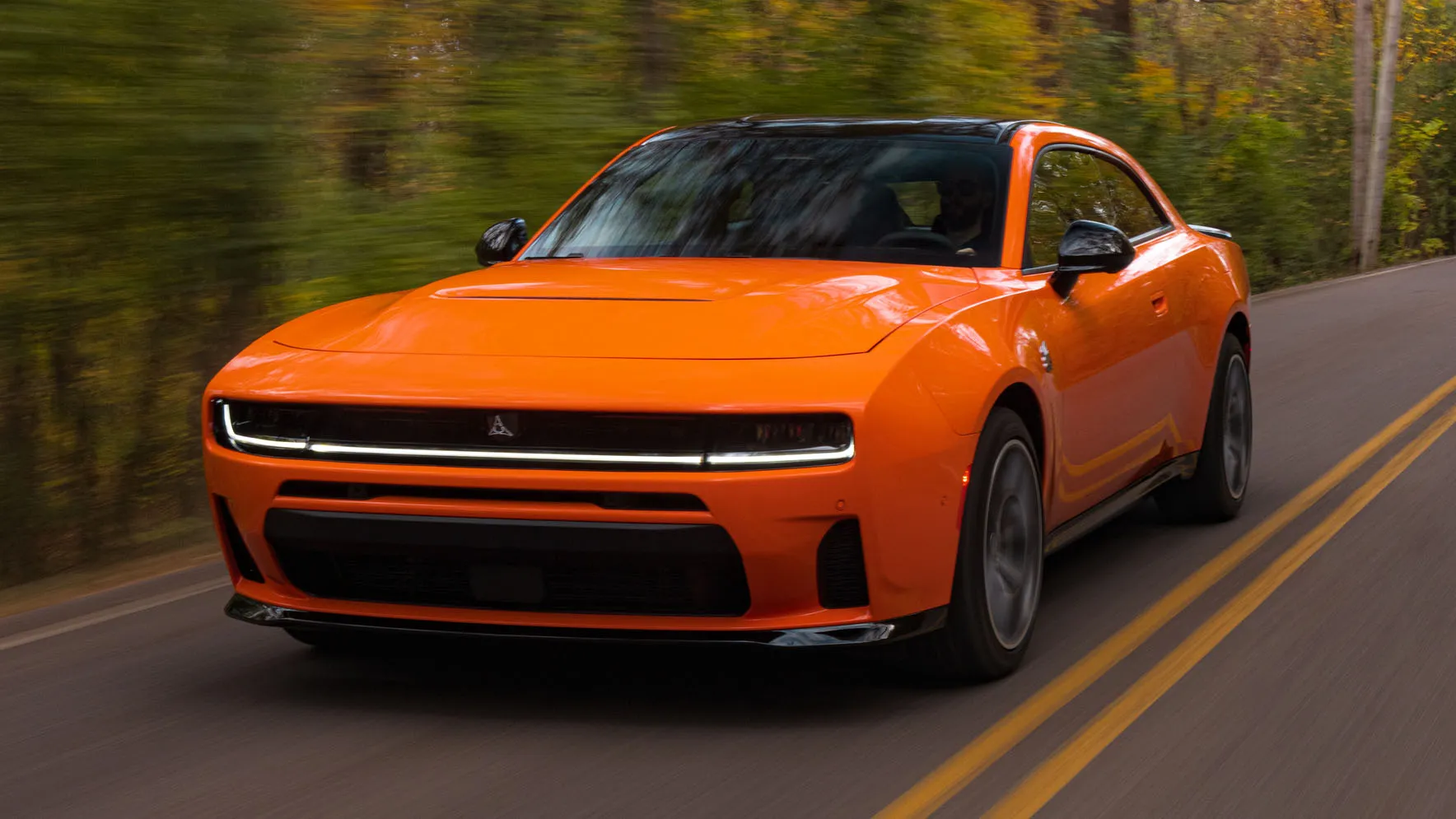
The Charger remained confident and composed, even as weather conditions changed. Throwing a large car into endless switchbacks isn’t easy, but precise steering helped build trust. The biggest limitations were the car’s wide track, followed by the brakes and transmission.
Sharper braking and quicker transmission responses would have been welcome on such a road. Even in manual mode, the gearbox sometimes struggled to keep up with rapid changes. The short shift paddles also tend to get lost among the other steering wheel controls.

But can you live with it every day?
One of the Charger’s most understated strengths—especially the Daytona, and now the Sixpack—is versatility. It’s not a crossover or hatchback, but four doors make it family-friendly, and the long cargo area feels almost hatch-like. Passenger space totals 102 cubic feet, while trunk capacity measures 22.7 cubic feet.
Fold the rear seats down and that expands to 37.4 cubic feet—enough room for a full set of wheels if you’re headed to the track. Combined with all-wheel drive, the Charger becomes a true all-around vehicle, not just a weekend toy.
The Dodge Charger Sixpack is a surprisingly flexible take on the classic muscle car. While the Ford Mustang sticks closely to a familiar formula, the new Charger can be almost anything you want it to be—from a comfortable daily driver to a drift-happy performance machine, and everything in between.

That flexibility even extends to body styles and powertrains. The two-door Charger Sixpack starts at $54,995 and is already available, with the four-door version costing $2,000 more. The Charger Daytona starts at $59,995, while the Charger R/T Sixpack, priced at $49,995, is expected to arrive next year.
You may also be interested in the news:
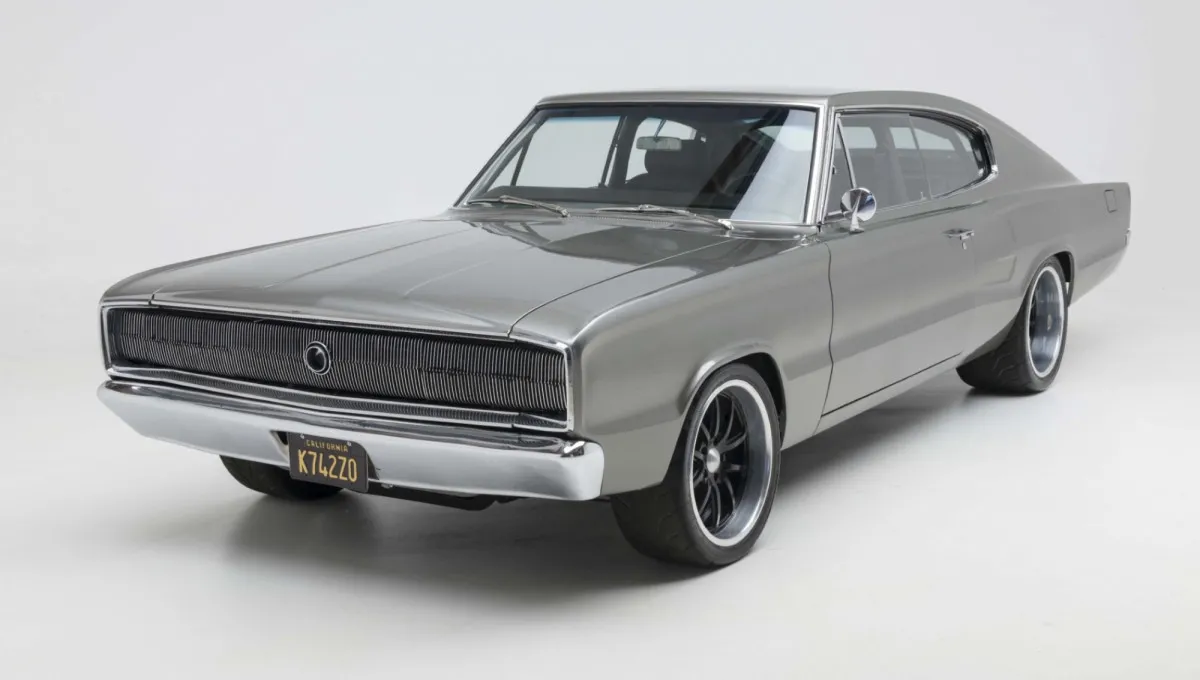
The “Leader of the Dodge Rebellion”: The 1966 Dodge Charger
The Dodge Charger has endured for 60 years, but its story began with an unlikely 1966 debut.
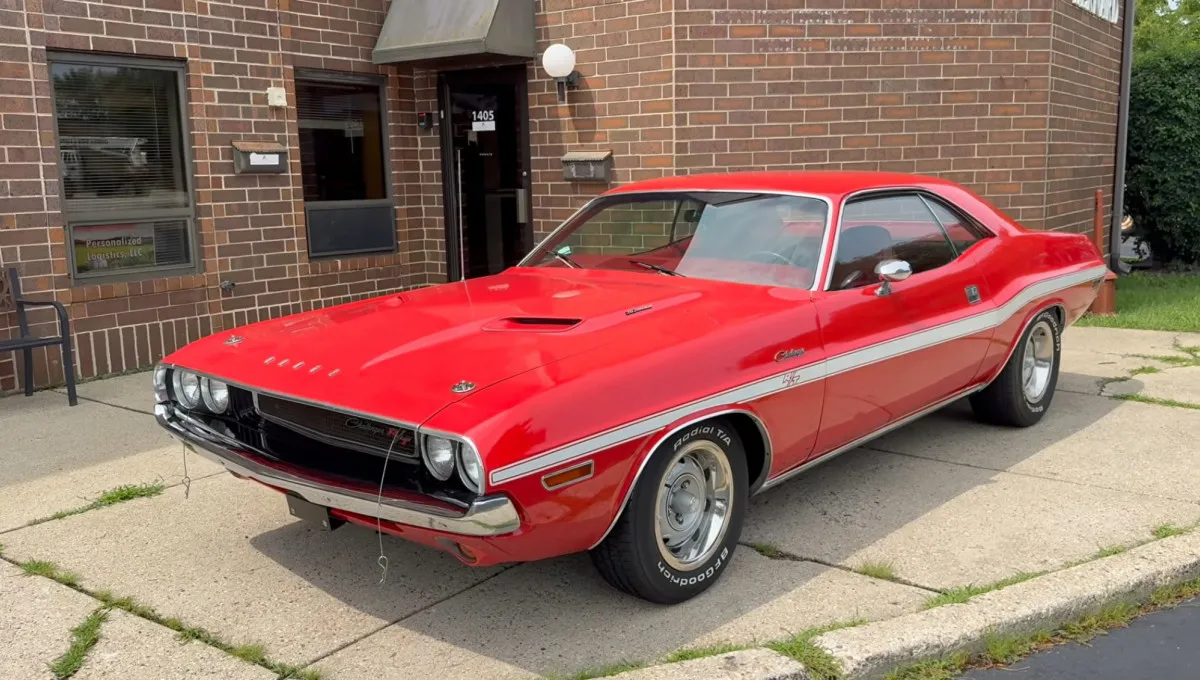
Red-on-Red 1970 Dodge Challenger Is a Genuine JS23 R/T With Original Sheet Metal
Introduced for 1970, the E-body Dodge Challenger joined the muscle car wars near their end.

Multiple Stellantis North America Brands Hit With 844,027-Vehicle Recall
A radio software defect affecting rearview camera images triggers a recall across Ram, Jeep, Dodge, and Chrysler models.
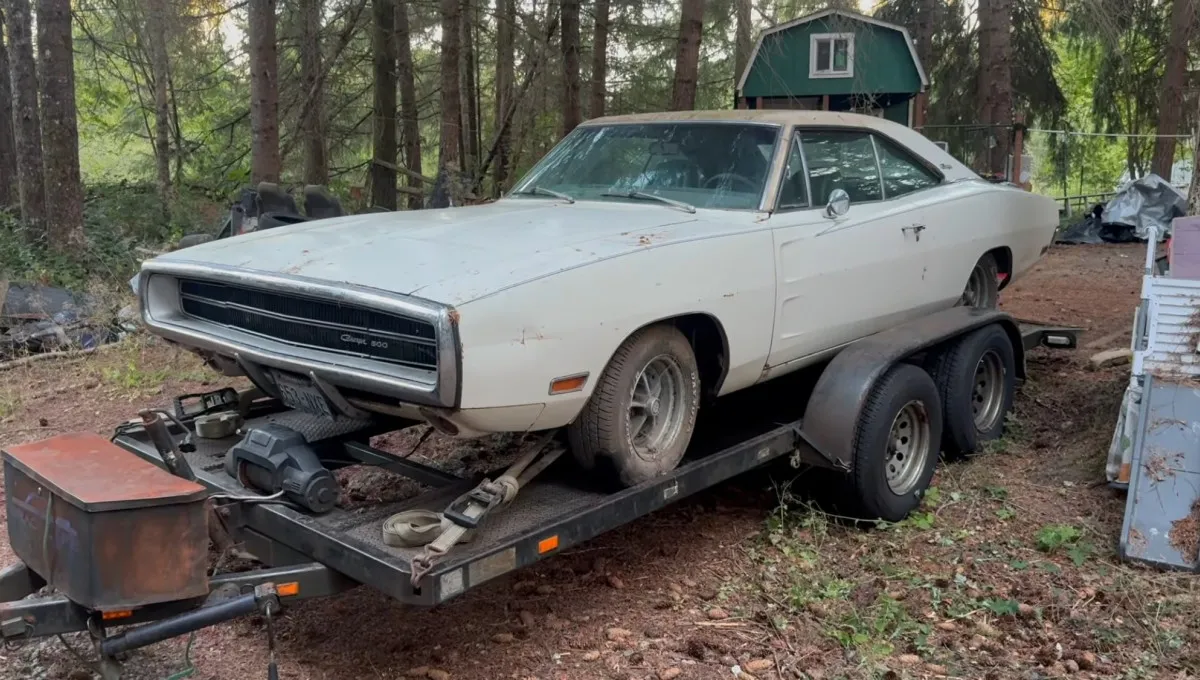
Dodge Charger 500 Sat for 35 Years After Losing Oil Pressure, Now It Has to Move
The 1970 Dodge Charger 500 spent 35 years parked after its 318 V8 lost oil pressure and was finally sold before its owner moved.
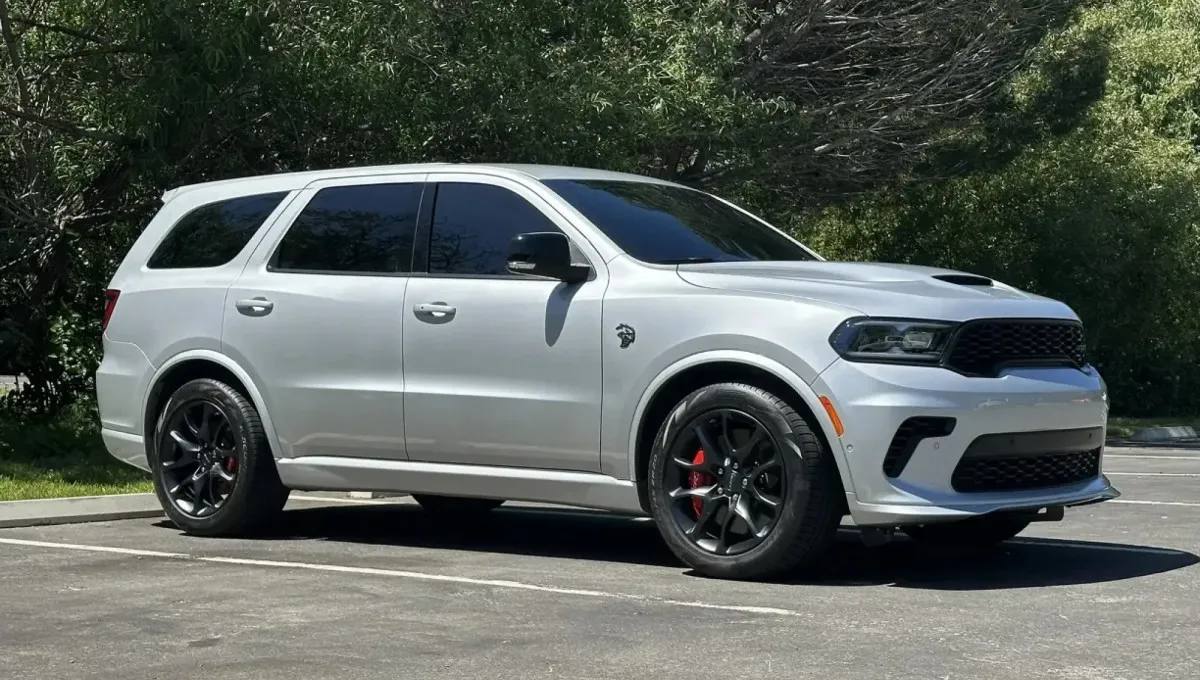
Chrysler recalls more than 74,000 vehicles. See recall list
Chrysler is recalling more than 74,000 2021-2023 Dodge Durango vehicles.