
Ford Rethinks Its EV Strategy, Shifts Focus to Hybrids
Following other automakers, Ford has acknowledged that an all-in push toward full electrification was a misstep.
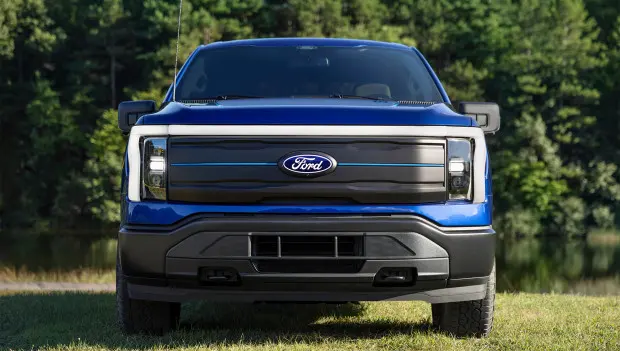
Ford’s electric F-150 Lightning hasn’t been around for long. The pickup debuted in May 2021 and entered full production a year later, but its time on the assembly line is already coming to an end. Production has been halted, and there will be no direct replacement. Instead, the second generation of the F-150 Lightning will return as a hybrid. And the Lightning isn’t the only casualty of Ford’s portfolio shake-up. Alongside it, two other battery-electric projects are being phased out as the company revises its broader strategy. Like several rivals, Ford has come to see the risks of betting entirely on EVs. That said, in Europe the automaker still plans to build smaller electric cars using platforms supplied by Renault.
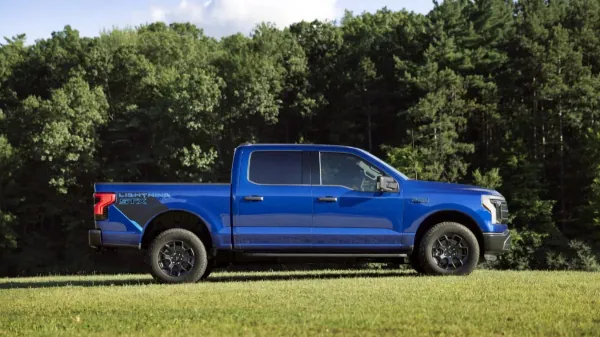
The electric F-150 Lightning failed to live up to expectations. Back in October, output was suspended indefinitely so Ford could ramp up production of gasoline-powered pickups at its Dearborn plant. Now, assembly of the electric model has been fully wound down. Ford isn’t abandoning the nameplate, but the next-generation F-150 will use an internal combustion engine as a generator to recharge the battery.
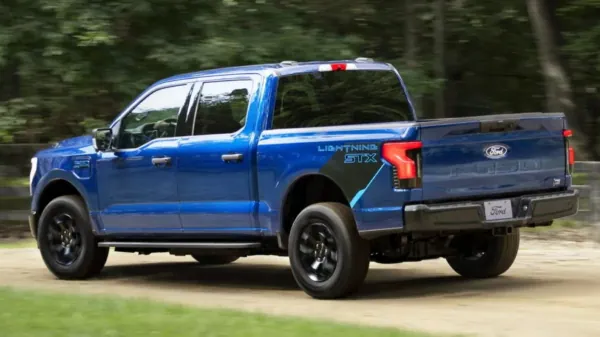
Details remain limited, but the projected combined driving range is expected to exceed 700 miles (about 1,127 km), compared with roughly 320 miles (515 km) for the current all-electric version. Production is slated for the underutilized Rouge Electric Vehicle Center in Dearborn. A launch timeline for the hybrid F-150 has not yet been announced.
Hybrid powertrains are also expected to appear in Ford’s full-size SUV lineup, potentially including the Ford Expedition and Lincoln Navigator. The company has already walked away from plans to build large three-row electric SUVs, but it continues to explore smaller, more affordable EVs based on its upcoming Universal EV platform. The first model on that architecture will be a midsize pickup with a crew cab, scheduled to debut in 2027. Its key selling point will be price, with a target starting point of around $30,000. Overall, Ford expects electrified vehicles to account for about 50% of its global sales by 2030, up from roughly 17% today. Crucially, hybrids—not full EVs—will form the backbone of that mix, while a wide range of traditional gasoline models will remain on offer.
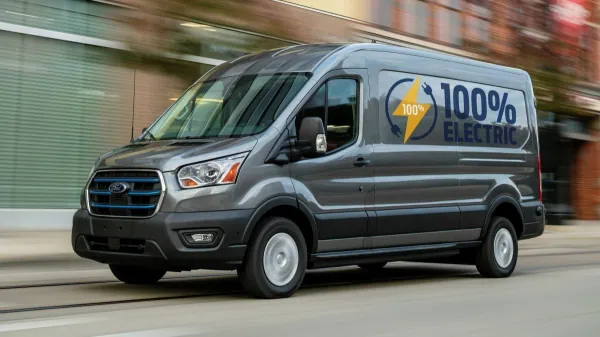
Ford has also scrapped plans for a previously announced electric commercial van for Europe that was meant to follow the E-Transit. Instead, a more affordable model with gasoline and hybrid powertrains is being developed for the North American market. Production is set to begin in 2029 at Ford’s plant in Avon Lake, Ohio.
In Europe, Ford is preparing a return to the compact car segment through a new partnership with Renault. The two automakers have signed an agreement that will allow Ford to launch two electric models based on Renault’s AmpR platform. One of them is expected to serve as a spiritual successor to the Fiesta, which was discontinued two years ago after eight generations and nearly five decades on the market. The electric “Fiesta,” as it’s often referred to unofficially, is likely to be closely related to the Renault 5 EV. Its debut is expected in early 2028, with production taking place at Renault’s ElectriCity facility in Douai, France, alongside the French hatchback.
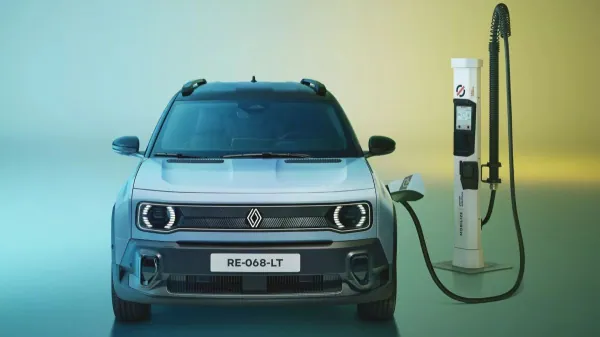
The second model is expected to be a small electric crossover derived from the Renault 4, and it could eventually replace the Puma Gen-E. Ford insists these will not be simple badge-engineered vehicles, but distinct models developed with its own design and engineering input.
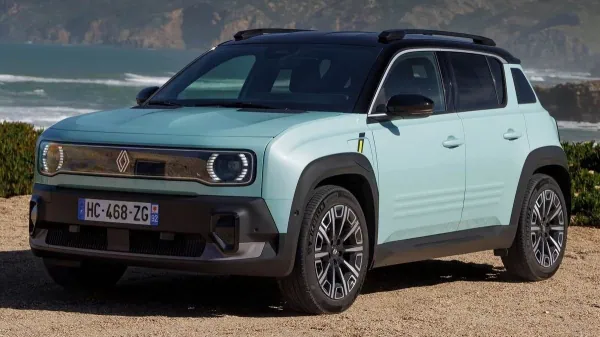
It’s worth noting that Ford’s current electric crossovers—the Explorer and Capri—are based on Volkswagen’s ID.4 architecture. In theory, Ford could have adopted VW’s upcoming MEB+ platform for future models like the ID.Polo and ID.Cross. Instead, it chose to partner with Renault. The decision suggests that the results of Ford’s collaboration with Volkswagen fell short of expectations, largely due to the high costs associated with VW’s EV platforms.
You may also be interested in the news:
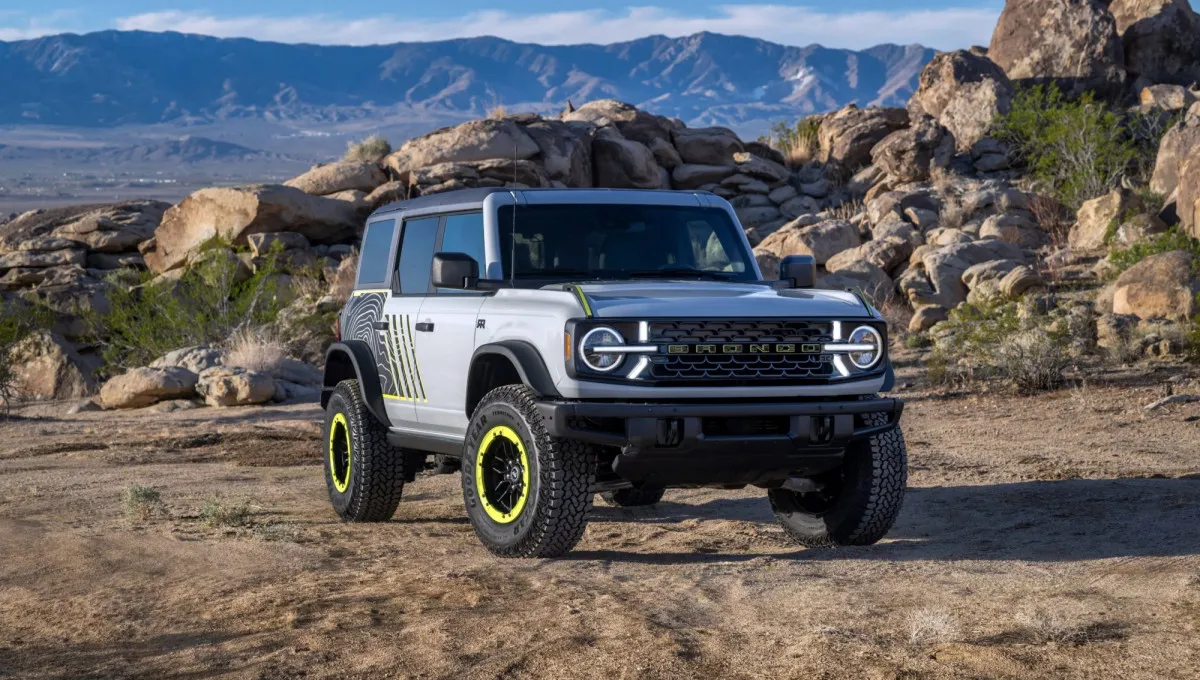
2027 Ford Bronco RTR Priced From $50,495—Undercuts Bronco Raptor by $31,500
Ford has set the starting price for the 2027 Bronco RTR, with orders expected to open later this year.
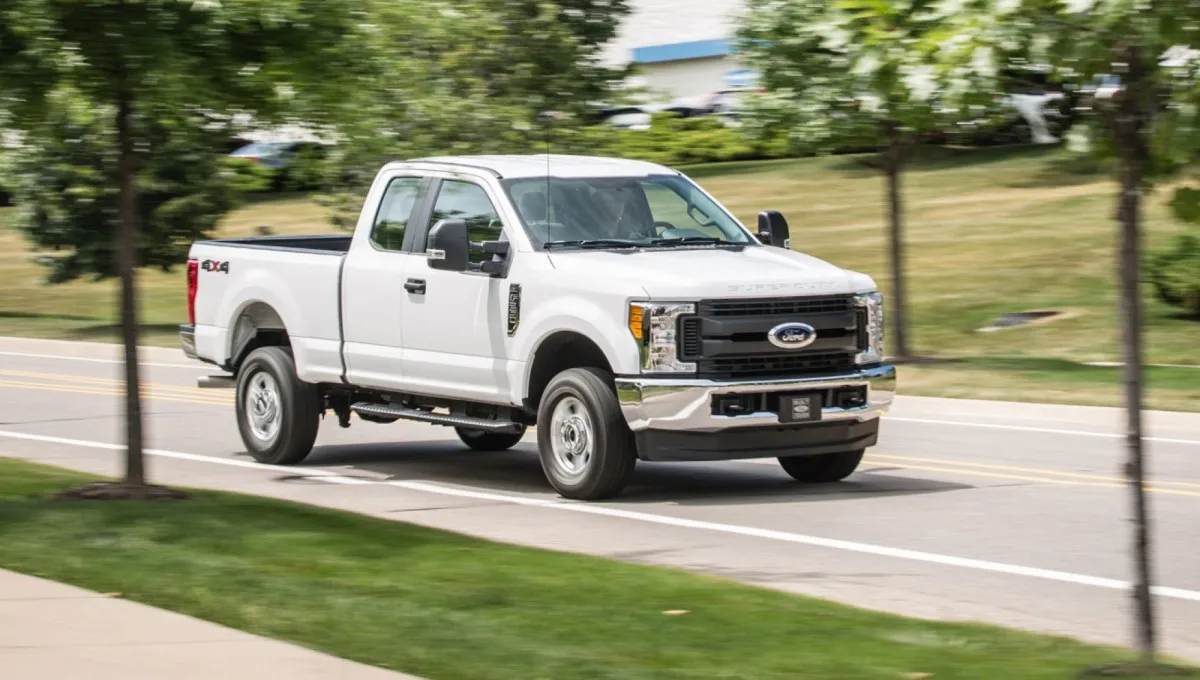
41,748 Ford SUVs and Trucks Recalled—Your Headlights Could Suddenly Stop Working
Ford recalls 41,748 vehicles after contaminated LED chips threaten required headlight performance on newer models.
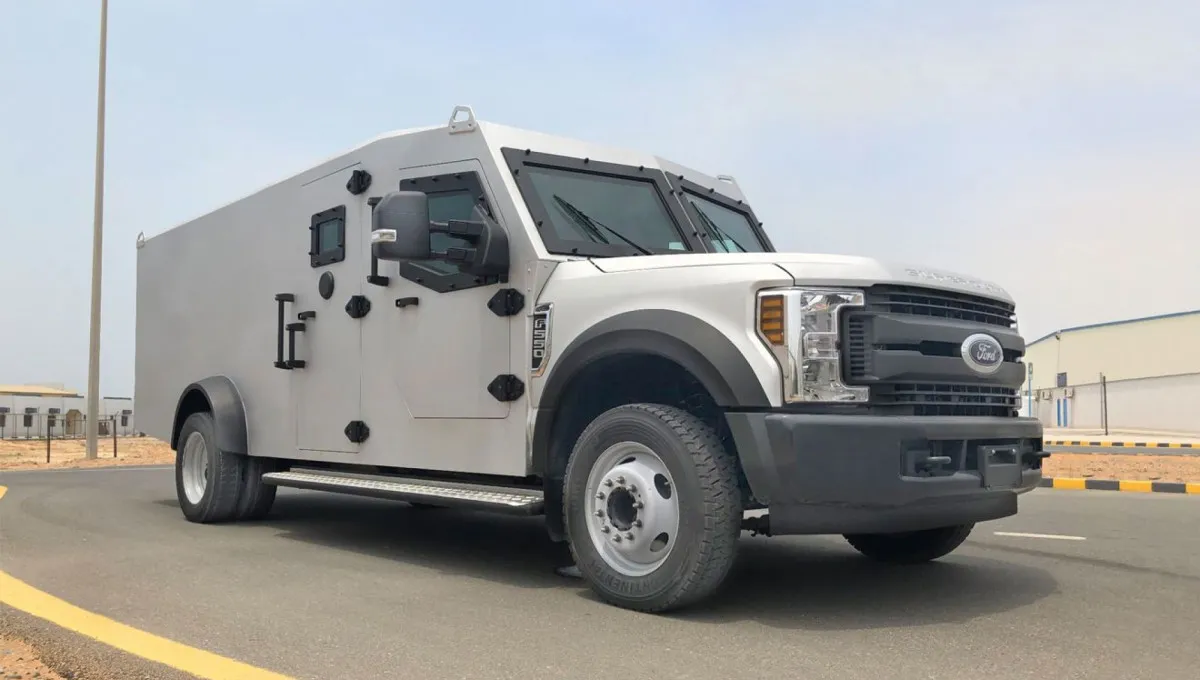
Armored Ford F-550 Is a Rolling Fortress Built to Carry Millions
TAG Dynamics has unveiled a new armored cash-in-transit vehicle based on the Ford F-550 pickup for security companies and financial institutions.
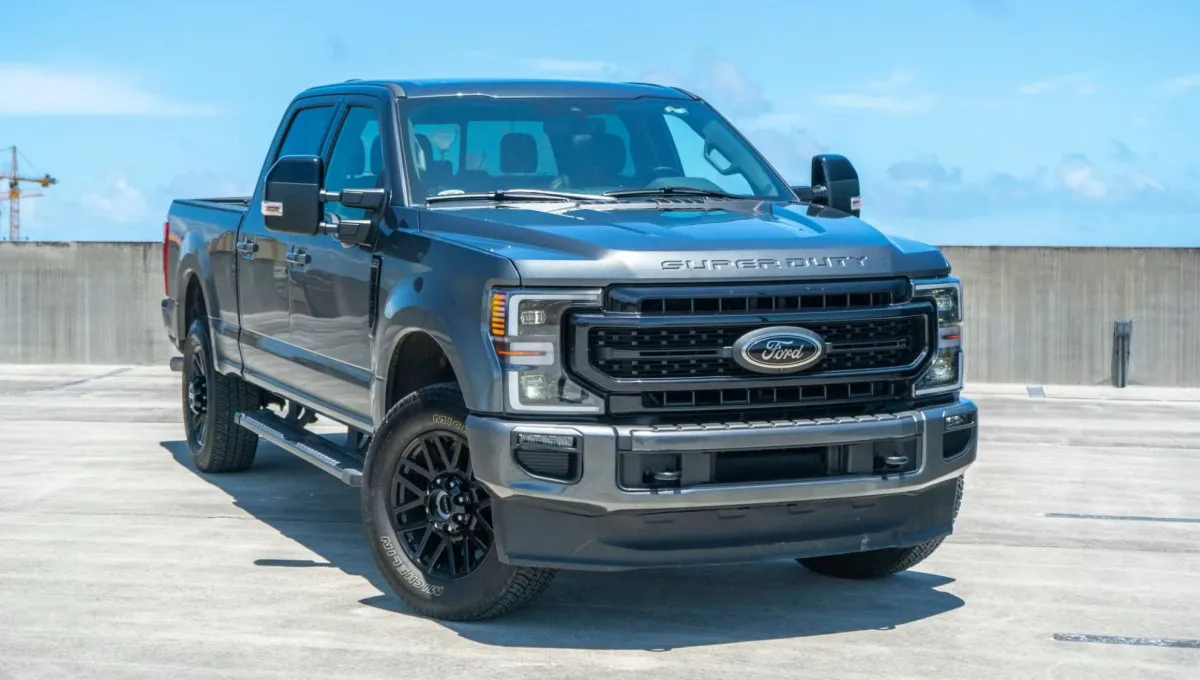
Ford Recalls 41,748 Vehicles After Headlights Can Suddenly Lose Critical Functions
Ford is recalling more than 41,000 vehicles after a headlight defect was found to potentially reduce visibility and increase crash risk.