
All-New BMW iX3: BMW Brings a Large Language AI Model Into a Production Vehicle for the First Time
At CES 2026 on January 8, BMW officially unveiled the next-generation 2026 BMW iX3, marking the beginning of a new product era for the brand.
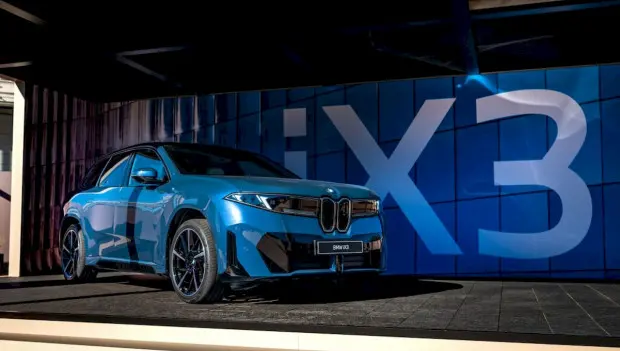
BMW used CES 2026 to pull the wraps off the all-new 2026 iX3, the first model in what the company calls a new wave of BMW Group products. But the debut wasn’t just about a new electric crossover — it also marked a major technological milestone for the brand.
For the first time, BMW has integrated a large language model (LLM) directly into a production vehicle. The AI acts as a digital companion that drivers can summon when needed. According to BMW, the new BMW Horizon panoramic display unifies navigation, media, and vehicle controls into a single visual space, creating a true “what you see is what you get” experience right in the driver’s natural line of sight.
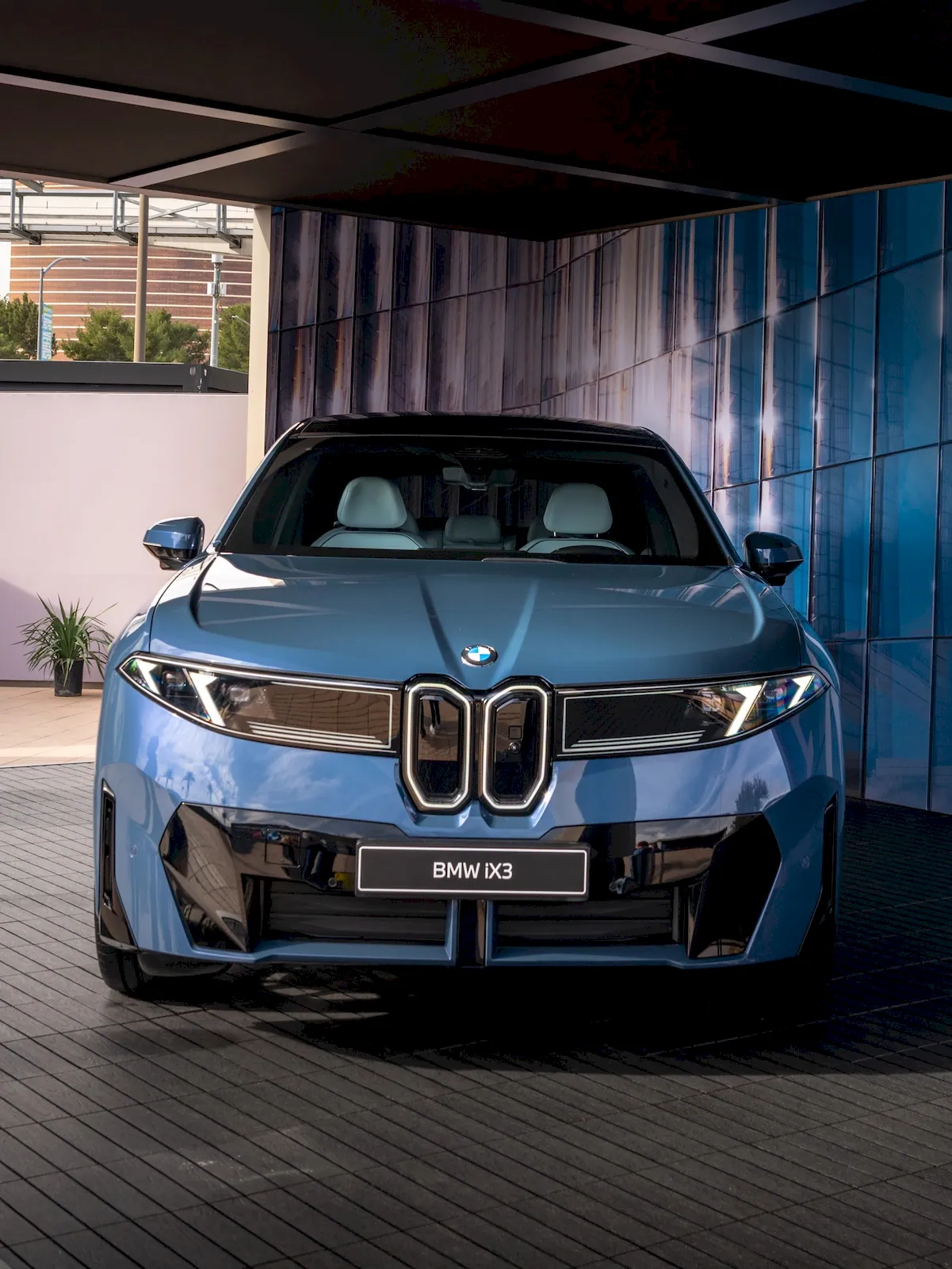
The global premiere of the new iX3 is scheduled for the first half of 2026, with sales expected to begin later that year. Starting in 2026, BMW plans to roll out the technologies introduced on the iX3 across roughly 40 new or refreshed models.
Design-wise, the next-generation iX3 nods to the classic BMW 1500 from the 1960s while staying true to the brand’s modern identity. The signature kidney grille remains, as do the familiar “angel eye” lighting elements and the recognizable proportions of a BMW SAV. A standout feature is what BMW calls “supersensory digital fusion”: LED contour lighting is integrated into the grille and headlights, creating a cohesive front fascia with an “angel wings” visual effect. The idea is subtle integration — advanced technology blended into BMW’s design heritage rather than competing with it.
From the side, the iX3 features smoother surfacing and a roofline that gives the crossover a more dynamic stance. Flush door handles follow current design trends. Dimensions are listed at 188.2 inches long, 74.6 inches wide, and 64.4 inches tall, with a wheelbase of 114 inches. BMW also confirmed that the China-market version will get a wheelbase stretched by more than four inches, significantly improving second-row legroom. The rear seats for that version were developed by BMW’s Shanghai team, with thicker and longer cushions aimed at improving long-distance comfort.
At the rear, new taillights serve as what designers call the “final signature” of the vehicle. Rather than chasing trendy design cues, BMW kept the roundel centered on the tailgate. A cleaner rear profile, a roof spoiler, and the addition of a front trunk round out the package.
Inside, the iX3 introduces BMW’s new “visual cone” concept, which aligns displays and controls with the driver’s natural field of vision to reduce distraction and eye movement. The cockpit is built around four core interfaces:
-
A 3D head-up display projected onto the windshield
-
The panoramic BMW Horizon display
-
A highly sensitive steering wheel
-
A highly responsive central control panel
The Horizon display effectively replaces the traditional instrument cluster. BMW uses its own nano-coated windshield projection technology, displaying information across a black band at the lower portion of the glass with claimed 4K-level clarity. Notably, BMW says polarized sunglasses won’t interfere with visibility. Above Horizon sits a separate 3D display that shows navigation and autonomous driving information in the most ergonomic viewing zone.
China will get a unique setup, including the exclusive BMW X operating system, a 17.9-inch central touchscreen, a 3D display, and a standard panoramic windshield projection. BMW also plans to further declutter the interior by phasing out the iDrive rotary controller and reducing the number of physical buttons in favor of a cleaner, more minimalist layout.
A separate China-exclusive edition goes even further. It will feature a BMW-developed large language model created in partnership with Alibaba, along with in-cabin AI agents. For driver assistance, BMW is working with local partner Momenta on a system tailored specifically to Chinese traffic patterns and driving behavior. Designed for both highways and urban use, it enables point-to-point assisted driving in pilot mode. BMW describes the system architecture as “perception–planning–control,” powered by large AI models capable of analyzing complex scenarios and making decisions in a human-like way, with the ability to learn and evolve over time.
You may also be interested in the news:
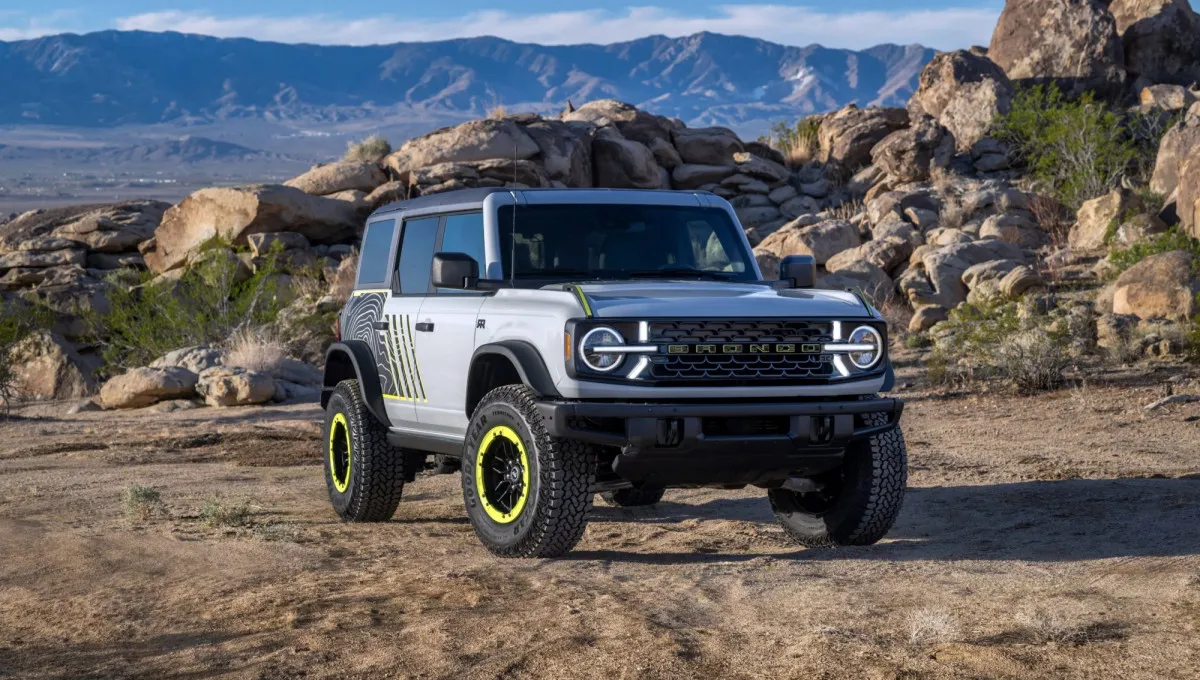
2027 Ford Bronco RTR Priced From $50,495—Undercuts Bronco Raptor by $31,500
Ford has set the starting price for the 2027 Bronco RTR, with orders expected to open later this year.
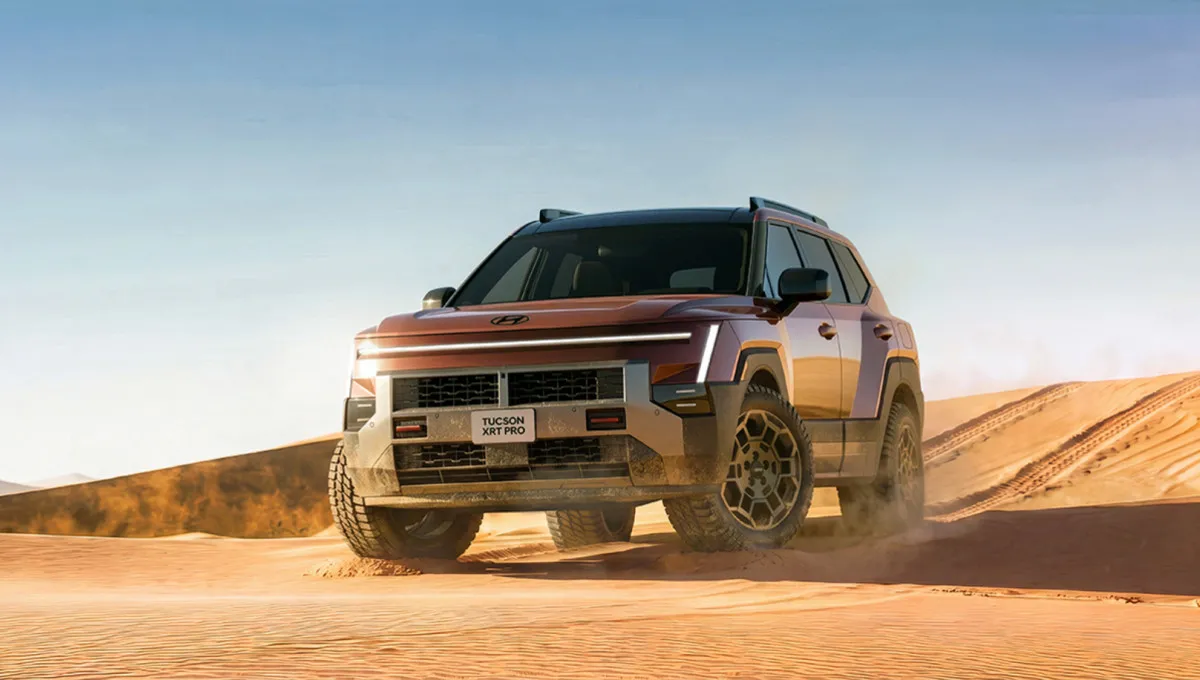
The New Hyundai Tucson Is Official: Hybrid Targets Up to 42 MPG
Hyundai has unveiled the next-generation Tucson with Art of Steel styling, updated hybrid powertrains and new technology.

This Jeep SUV Looks Familiar, But What’s Underneath Turns It Into a Serious Off-Road Machine
A legendary SUV is back with a serious off-road package designed for rocks, mud, deep water and rough terrain.
Updated Honda Civic Type R Arrives in the U.S. at $48,695 With Sharper Handling and More Comfort
Official pricing and specifications have been announced.
BMW’s $50,000 M 1000 RR Isle of Man TT Edition Is Coming to the U.S. With Just 115 Bikes Built
BMW is bringing a limited-edition M 1000 RR to America, with just 115 motorcycles available worldwide.